Costa Brava vs Costa del Sol: Which Coast to Choose
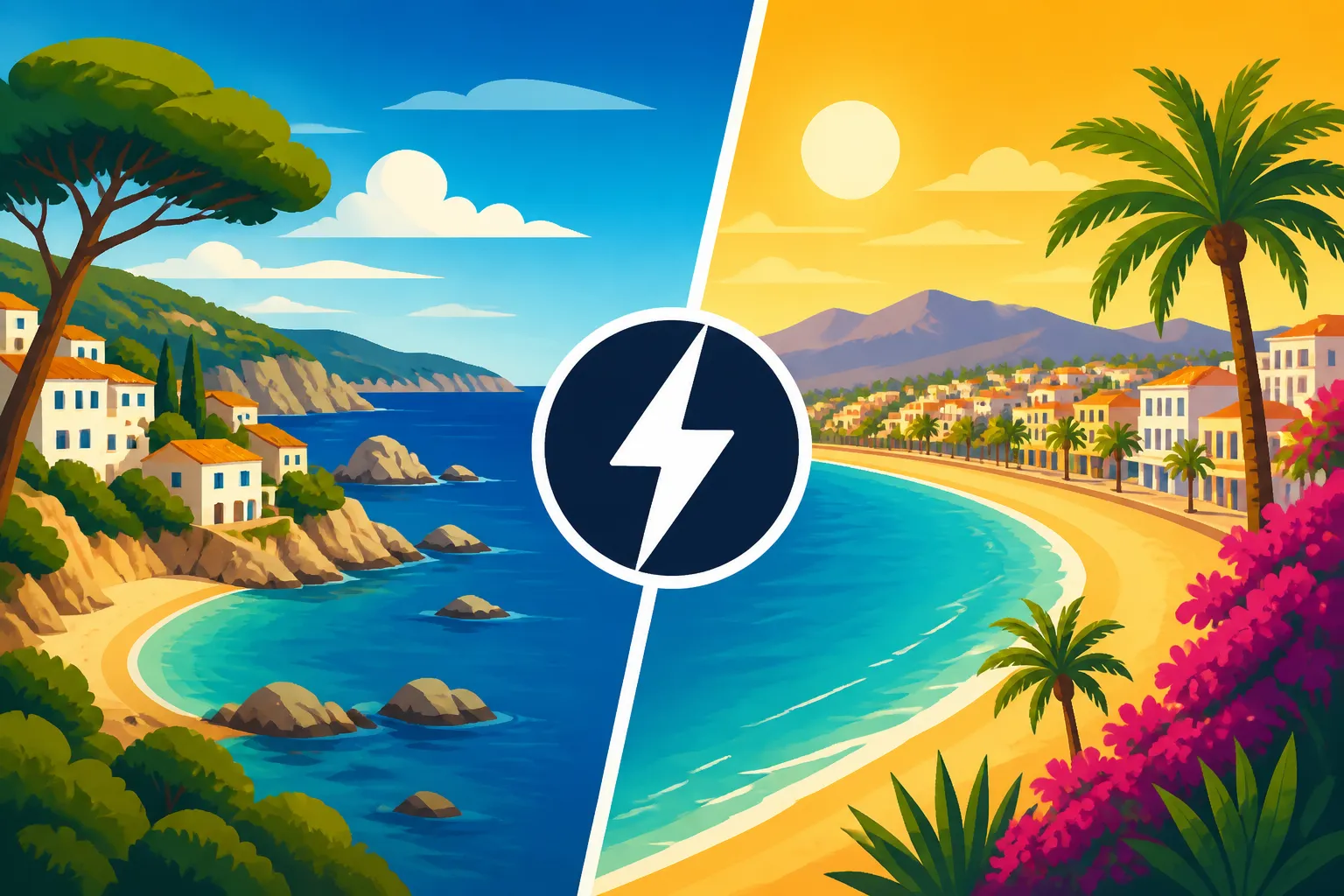
I’ve made similar blunders myself, and I know how frustrating it is to mismatch your holiday vibe with the wrong coast. This guide helps you choose perfectly between the rugged Costa Brava and the sunny Costa del Sol.
Disclosure: This post may contain affiliate links. We may earn a commission at no extra cost to you if you make a purchase through these links. Read full disclosure.
The Landscape Dilemma: Rocky Inlets vs. Expansive Sands
When you first arrive on the Costa Brava, the "Wild Coast," you are immediately struck by how vertical the world feels. This is not the Spain of flat, endless horizons; it is a jagged, pine-scented labyrinth where the Pyrenees mountains effectively tumble into the Mediterranean. I remember my first hike along the Camí de Ronda, a coastal path that snakes through hidden coves and over sheer cliffs. The water here is a deep, startling turquoise, framed by dark grey rocks and emerald greenery. It feels private, ancient, and slightly rebellious.
In contrast, the Costa del Sol offers the classic, cinematic Spanish beach experience. Here, the Sierra Blanca mountains provide a dramatic backdrop, but they stay respectfully in the distance, leaving vast stretches of golden sand for sunseekers. If your idea of a perfect day involves a long walk along the shoreline with nothing but sand under your feet for miles, the South is your winner. The scale is different here; everything feels wide, open, and designed to soak up as much light as possible. You can explore these differences more deeply in our guide on Spain's Best Mainland Beaches by Region.
Choosing between these two landscapes often comes down to your tolerance for "roughing it." Costa Brava’s best spots often require a bit of a hike or a nimble descent down stone steps. If you have mobility issues or small children in strollers, these rocky inlets can be a logistical nightmare. The Costa del Sol, however, is the king of the "Paseo Marítimo"—flat, paved promenades lined with shops and cafes that make accessibility a breeze. Before you commit to a location, think about how much effort you want to put into actually reaching the water's edge.
The Wild Beauty of the Northern Coves
The Costa Brava is famous for its "calas"—small, horseshoe-shaped bays tucked away from the main roads. Towns like Begur or Calella de Palafrugell are masters of this aesthetic. You won't find many high-rise hotels here; instead, you’ll see whitewashed houses with terracotta roofs huddled around a tiny patch of sand. The water is generally cooler than in the south, which can be a shocking but welcome relief during a humid July afternoon.
Because the coastline is so fragmented, the wind plays a huge role here. The Tramuntana, a fierce northern wind, can sometimes blow for days, making the sea choppy and the air surprisingly crisp. It adds to the "wild" feeling of the region, but it can catch tourists off guard. It is wise to check the local weather apps or ask a neighbor if "the wind is coming" before planning a boat trip. For more on timing your visit, see our article on When Is the Best Time for a Beach Holiday in Spain.
The Endless Horizon of the Southern Shore
Moving down to the Costa del Sol, the geography shifts toward convenience and social vibrance. The beaches in Marbella, Estepona, and Fuengirola are expansive. You aren't fighting for a square inch of sand between two boulders; you are choosing which beach club's sun lounger looks the most comfortable. The sand here is often darker and finer than the coarse, pebbly textures often found in the north, making it ideal for families who want to build sandcastles or play volleyball.
The Mediterranean here is also generally calmer and warmer. Because you are closer to the Atlantic at the Strait of Gibraltar, there’s a different tidal energy, but for the most part, it’s like a giant, salty swimming pool. This makes it the preferred destination for water sports that require space, like kite surfing or jet skiing. The vastness of the southern shore means that even in the height of August, you can usually find a spot to lay your towel if you’re willing to walk ten minutes away from the main parking lots.
Climate Realities: The Mediterranean North vs. The Andalusian Sun
I often tell friends that the Costa Brava and the Costa del Sol exist in two different climate zones, even if they share the same sea. The Costa Brava, located in Catalonia near the French border, has a much shorter "guaranteed" summer. From June to September, it is glorious, but May and October can be hit-or-miss with rain and cooler evenings. I’ve sat in a charming seaside restaurant in Tossa de Mar in late September wearing a light jacket, something that would be unthinkable in the south.
The Costa del Sol, meanwhile, is the "Coast of the Sun" for a reason. It boasts over 300 days of sunshine a year. This makes it a year-round destination in a way the Costa Brava simply isn't. In January, you can easily find people having lunch outside in their shirt sleeves in Malaga. However, the trade-off is the summer heat. If you visit the south in July or August, be prepared for temperatures that can consistently hit 35°C or 40°C. You can read more about managing these extremes in Is It Too Hot to Visit Southern Spain in August.
Northern Temperament and Seasonal Shifts
The seasonality of the Costa Brava means that many towns effectively "shut down" in the winter. If you visit in November, you might find the most picturesque restaurants boarded up until Easter. For some, this quietude is a blessing; for others, it feels like a ghost town. The air is fresh, the light is beautiful for photography, but it is not "beach weather." You are there for the hikes, the museums, and the wine, not the tan.
During the peak months, the humidity in the north can be quite high. Unlike the dry heat of the interior of Spain, the Costa Brava feels lush and damp. This is why the landscape is so green. The pine trees provide natural shade, and the smell of resin mixed with salt air is the quintessential scent of a Catalan summer. It’s a climate that invites movement—hiking, cycling, and exploring—rather than just lying still under a parasol.
Southern Radiance and the African Influence
The Costa del Sol is influenced by its proximity to North Africa. The heat is intense, but the infrastructure is perfectly adapted to it. Every apartment has heavy shutters and air conditioning, and life moves into the late-night hours to avoid the midday sun. I remember my first summer in Estepona, realizing that nobody goes to the beach at 1:00 PM; that’s when you retreat for a long lunch and a siesta, returning to the sand only when the shadows start to lengthen around 5:00 PM.
Winter in the south is the region's secret weapon. While the rest of Europe is shivering, the Costa del Sol is often basking in 18°C weather. This has made it a massive hub for "snowbirds" and retirees, which means the services—restaurants, shops, and transport—stay open all year. If you are planning a trip between November and March, there is no contest: the Costa del Sol is your best bet for a dose of Vitamin D. For a deeper look at the area, check out The Costa del Sol and Málaga Province: Visitor Highlights.
Culture and Atmosphere: Artistic Retreats vs. International Hubs
Culture on the Costa Brava is deeply rooted in Catalan identity. You will hear more Catalan spoken than Spanish in many of the smaller villages, and the vibe is often more reserved and artistic. This is the land of Salvador Dalí. His influence is everywhere, from his home in Cadaqués to the museum in Figueres. The region feels like it belongs to the locals, and you are a guest invited to observe their sophisticated, somewhat quiet way of life.
The Costa del Sol is the polar opposite. It is a melting pot of international influences. Because it has been a tourism juggernaut since the 1960s, you will find a massive expat community from the UK, Scandinavia, and Germany. The atmosphere is loud, celebratory, and incredibly welcoming to outsiders. It’s the kind of place where you can find an authentic tapas bar right next to an Irish pub or a high-end sushi restaurant. It doesn’t feel like it belongs to any one culture; it belongs to the world of leisure.
The Dalí Influence and Medieval Charms
In the north, history is etched into the stone. Beyond the beaches, you have stunning medieval villages like Pals and Peratallada. These are not tourist recreations; they are living villages with thick stone walls and narrow alleys that stay cool even in mid-summer. The artistic legacy of the region is palpable. Cadaqués, with its white houses and bobbing fishing boats, has inspired generations of painters. It is a place for slow mornings, long gallery visits, and deep conversations over a bottle of local Empordà wine.
If you enjoy a bit of "intellectual" travel mixed with your sunbathing, the Costa Brava delivers. You can spend a morning exploring Greek and Roman ruins at Empúries and an afternoon in a boutique perfumery in a hidden village. The pace is deliberate. People don't rush here. If you're looking for organized tours to these hidden gems, I've often found that GetYourGuide offers excellent curated experiences that handle the tricky logistics of the backroads.
Jet-Setters and Chiringuito Culture
The South is about the "here and now." The culture revolves around the chiringuito—the beach bar. These range from humble shacks serving fried fish to opulent clubs like those in Puerto Banús, where people spray champagne and park yachts that cost more than small islands. The Costa del Sol is where you go to see and be seen. There is a high-energy "glamour" to places like Marbella’s Golden Mile that you just don't find in the rugged north.
However, don't let the glitz fool you; the Andalusian heart is still there. If you head into the center of Malaga, you’ll find a city that has undergone a massive cultural renaissance, with the Picasso Museum and the Pompidou Center. The southern culture is also deeply tied to Flamenco and the "feria" (fair) tradition. If your trip coincides with a local fair, be prepared for 24-hour dancing, horses, and polka-dot dresses. To understand how to navigate the social scene, read our guide on Spanish Tapas Culture: How to Order and Where to Go.
Logistics and Accessibility: Navigating the North and South
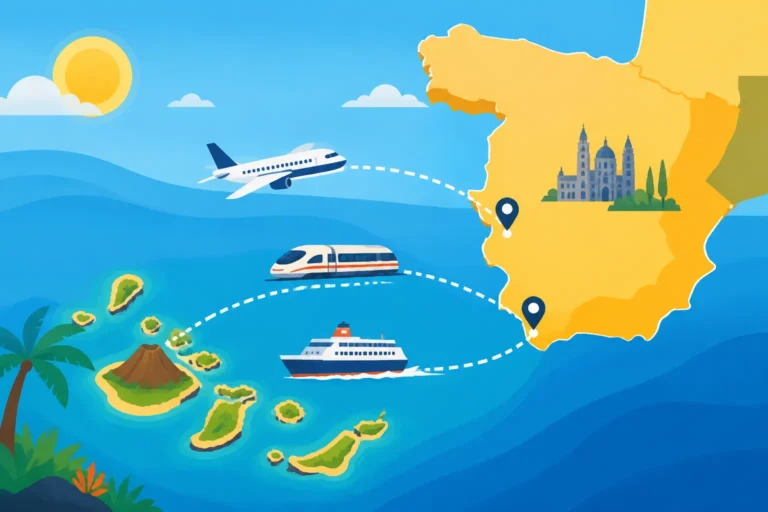
Getting to these regions requires different strategies. For the Costa Brava, your main gateways are Barcelona (BCN) or the smaller Girona (GRO) airport. While Barcelona is a massive international hub, getting from the airport to the actual coastal towns can be a bit of a puzzle. Many of the best spots in the Costa Brava are not served by trains. You might take a train to Blanes, but from there, you are looking at buses or expensive taxis to get further north to places like Llafranc or Begur.
The Costa del Sol is much more straightforward. Malaga Airport (AGP) is right in the middle of the coastline. From the arrivals hall, you can hop on a clean, efficient commuter train (the Cercanías) that stops at major hubs like Torremolinos, Benalmádena, and Fuengirola. If you’re heading further west to Marbella or Estepona, there are frequent dedicated buses. The ease of the south makes it much more attractive for a quick weekend getaway where you don't want to waste time on transfers.
| Feature | Costa Brava | Costa del Sol |
|---|---|---|
| Primary Airport | Barcelona (BCN) / Girona (GRO) | Malaga (AGP) |
| Best Transport | Car Rental strongly recommended | Public Train/Bus or Car |
| Beach Type | Pebbles, coarse sand, rocky coves | Fine golden sand, long stretches |
| Water Temp | Refreshing / Cool (19-23°C) | Warm / Mild (21-26°C) |
| Vibe | Rugged, artistic, secluded | Social, sunny, international |
| Budget | Mid to High (Boutique focus) | Budget to Luxury (High variety) |
| Accessibility | Difficult (cliffs, stairs) | Excellent (flat promenades) |
Transport Hubs and Local Access
In my experience, the Costa Brava essentially demands a car. If you rely solely on public transport, you will miss 80% of what makes the region special. The tiny roads winding through the Gavarres hills and the coastal drives are half the fun. When I plan my northern trips, I usually use Omio to compare the price of a train from Barcelona to Girona versus a direct car rental from the airport. Having your own wheels means you can find that one empty cove at 8:00 AM before the crowds arrive.
For the southern route, a car is great if you want to see the "Pueblos Blancos" (White Villages) in the mountains, but it’s not strictly necessary if you’re staying on the coast. The local buses are reliable and cheap. However, if you do decide to drive, keep in mind that parking in Marbella or Malaga center in the summer is a special kind of purgatory. For more tips, see Renting a Car in Spain: Requirements, Insurance, and Driving Tips.
Accommodation Styles and Booking Realities
Booking your stay requires a different mindset for each coast. On the Costa Brava, the focus is on boutique hotels, converted farmhouses (masias), and high-end campgrounds that feel more like outdoor resorts. There are fewer massive "all-inclusive" blocks. Because space is limited by the cliffs, these places fill up months in advance. It is wise for travelers to check Booking.com at least six months out for the best spots in Cadaqués or Llafranc.
The Costa del Sol is the land of choice. You can find everything from €40-a-night hostels to €1,000-a-night suites in the Marbella Club. There is a huge supply of holiday apartments, making it the better choice for groups or families who want a kitchen and a communal pool. Because the supply is so large, you can often find last-minute deals in the south that simply don't exist in the smaller, more constrained northern market.
Gastronomy: From Catalan Cuisines to Andalusian Chiringuitos
Food is where the regional divide becomes delicious. In the Costa Brava, you are in the heart of "Mar i Muntanya" (Sea and Mountain) cooking. This is a unique culinary philosophy where ingredients from the Mediterranean are combined with those from the Pyrenees. Think meatballs with cuttlefish, or chicken with lobster. It is sophisticated, rich, and deeply traditional. You are also in a world-class wine region, Empordà, known for its bold reds and crisp rosés.
The Costa del Sol is the king of simplicity and freshness. The culinary icon here is the espeto—sardines skewered on a bamboo stick and grilled over an olive-wood fire in a boat filled with sand on the beach. It costs a few euros and, when eaten with your feet in the sand and a cold glass of Tinto de Verano, it is arguably the best meal in Spain. The food here is about the sea: fried fish (pescaíto frito), prawns from Motril, and refreshing gazpacho or salmorejo to beat the heat. You can find more about these dishes in Regional Spanish Dishes Every Visitor Should Try.
Catalan Culinary Traditions and Fine Dining
If you are a "foodie" who follows Michelin stars, the Costa Brava is your pilgrimage site. Ever since El Bulli changed the world of cooking from its tiny cove in Montjoi, the region has been a hotbed of experimental and high-end gastronomy. Even the local "menus del día" in a place like Palafrugell will likely feature sophisticated dishes like arròs negre (black rice with squid ink) that are prepared with immense pride.
Eating in the north is an event. Dinner starts late—rarely before 9:00 PM—and can last for hours. There is a focus on the "KM0" philosophy, using local olive oils, anchovies from L'Escala, and prawns from Palamós. If you want to dive into the local markets, I recommend taking a guided food tour via GetYourGuide in a city like Girona to learn the difference between the various types of cured meats and local cheeses before you try to shop for yourself.
Andalusian Flavors and Beachside Dining
In the South, the food is more casual and social. Tapas are king, and in some parts of the nearby Granada province (and occasionally in Malaga), you might still get a small free snack with your drink. The diet is heavily influenced by the Mediterranean triad: olive oil, garlic, and sea salt. It’s light, vibrant, and designed to be eaten in the heat.
One of my favorite things to do in the Costa del Sol is to find a busy chiringuito on a Sunday afternoon. It will be loud, full of multi-generational Spanish families, and the smell of grilling fish will be everywhere. It’s not about "fine dining" in the white-tablecloth sense; it’s about the quality of the product and the joy of the setting. If you’re coming from the north, you’ll find the prices in the south generally more wallet-friendly for everyday eating. For a guide on where to start, see How to Find Authentic Restaurants in Spain (Not Tourist Traps).
Making the Final Choice
So, which coast wins? If you want rugged scenery, hidden coves, artistic history, and a sophisticated, quieter atmosphere, choose the Costa Brava. It’s perfect for couples, hikers, and those who don't mind driving to find a secret slice of paradise. Just remember to pack a sweater for the evenings and a pair of sturdy shoes for the coastal paths. You can easily combine this with Best Day Trips From Barcelona Without a Car if you decide to base yourself in the city and head north for shorter bursts.
If you want guaranteed sunshine, long sandy beaches, vibrant nightlife, and total ease of travel, the Costa del Sol is your destination. It is the better choice for families with small children, golfers, and anyone looking for that classic, sun-drenched Spanish holiday where everything you need is within walking distance of your hotel. You can travel between the major cities using High-Speed Trains in Spain (AVE): Routes, Booking, and Savings if you want to see more than just the beach during your stay.
Ultimately, both coasts offer a high quality of life that has made them legendary. Whether you are drinking a crisp glass of Cava overlooking a rocky cliff in Cadaqués or sharing a plate of fried anchovies in a bustling Malaga plaza, you are experiencing the very best of the Mediterranean. My advice? Try one this year and the other the next. Spain is too diverse to settle for just one "favorite" coast.
Disclaimer
The information provided in this guide is for general informational purposes only and reflects the personal experiences and research of the author. Travel conditions, local laws, and business statuses in Spain can change frequently. Readers are encouraged to verify specific details, such as visa requirements and travel safety, through official government channels before planning their trip.