When Is the Best Time for a Beach Holiday in Spain?
Ah, the quest for the perfect Spanish beach holiday! It’s not as simple as just picking a month. Spain's coastline is incredibly diverse, stretching from the chilly, green Atlantic north to the sun-drenched Mediterranean south, not to mention the eternal spring of the Canary Islands. Deciding "when" to go really depends on what kind of beach experience you're dreaming of – bustling fiestas, serene sunbathing, active watersports, or just a quiet escape. This guide will help you navigate Spain's seasonal charms so you can time your seaside getaway just right.
Disclosure: This post may contain affiliate links. We may earn a commission at no extra cost to you if you make a purchase through these links. Read full disclosure.
Understanding Spain's Diverse Coastal Climate
Spain boasts nearly 5,000 kilometers of coastline, and trust me, not all beaches are created equal, especially when it comes to the weather. What might be scorching hot in Andalucía in July could be delightfully mild in Galicia. It's crucial to understand these regional differences to pick your perfect beach moment.
The Mediterranean Coast: Balearics, Catalonia, Valencia, Andalusia
This is probably what most people picture when they think of a Spanish beach holiday: golden sands, turquoise waters, and endless sunshine. This vast stretch includes popular spots like the Costa Brava, Costa Dorada, Costa Blanca, Costa del Sol, and the beloved Balearic Islands (Mallorca, Menorca, Ibiza, Formentera).
In general, the Mediterranean climate offers hot, dry summers and mild, wet winters. From June to August, temperatures can easily soar into the high 30s Celsius (90s Fahrenheit), with sea temperatures reaching a blissful 24-26°C (75-79°F). This is peak season, meaning lively promenades, packed beaches, and a vibrant nightlife scene. Think of places like Barcelona's city beaches or the party coves of Ibiza; they are absolutely buzzing. The flip side? Crowds, higher prices, and sometimes the heat can be a bit much if you’re not used to it. Come prepared to share your slice of paradise with many others, and be sure to book accommodation and popular tours, perhaps through platforms like Booking.com, well in advance to avoid disappointment.
The Atlantic North: Galicia, Asturias, Cantabria, Basque Country
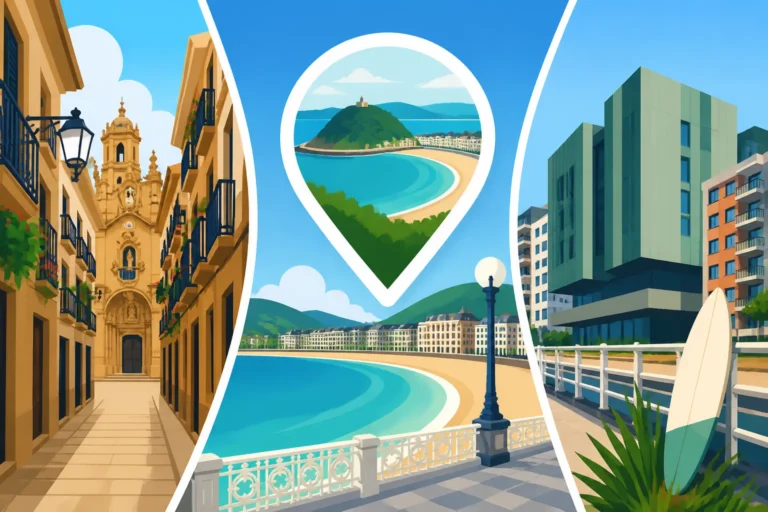
Venturing up to the "Green Spain" of the northern coast offers a completely different vibe. Here, the Picos de Europa mountains often meet the sea, creating dramatic cliffs, verdant landscapes, and a wilder, more rugged coastline. Regions like Galicia, Asturias, Cantabria, and the Basque Country benefit from an Atlantic climate, which means milder summers and more rainfall throughout the year.
Summer temperatures (July-August) typically hover around 20-25°C (68-77°F), making it pleasantly warm but rarely sweltering. The sea, however, is noticeably cooler, averaging 19-21°C (66-70°F) in summer. While still perfectly swimmable for many, it’s not the bathwater experience of the Mediterranean. This region is fantastic for those who enjoy cooler weather, stunning scenery, excellent food (hello, pintxos in San Sebastián!), and active holidays like surfing, hiking, or exploring charming fishing villages. You'll find fewer traditional "sunbathers" here, and the atmosphere is generally more laid-back and authentically Spanish.
The Canary Islands: Year-Round Sunshine
For those chasing eternal summer, the Canary Islands are your go-to. Located off the coast of Africa, this archipelago enjoys a unique subtropical climate that grants them pleasant temperatures year-round. They truly live up to their nickname, "Islands of Eternal Spring."
Temperatures rarely dip below 18°C (64°F) in winter and seldom exceed 30°C (86°F) in summer, with averages typically ranging from 20-28°C (68-82°F) throughout the year. Sea temperatures are also consistently mild, from around 19°C (66°F) in winter to 23°C (73°F) in summer. This means you can comfortably swim, sunbathe, and enjoy watersports any month you visit. Whether it's February or August, the Canaries offer reliable warmth, making them an ideal escape when the rest of Europe is bundling up. Of course, this popularity means they have their own peak seasons, particularly around European school holidays and winter breaks. To learn more about this unique archipelago, check out our guide on The Canary Islands: A Traveler's Overview.
Deciphering the Peak Season (June-August)
Ah, summer in Spain! This is when the country truly comes alive, beaches are bustling, and the air hums with the sounds of laughter, music, and crashing waves. But it's a double-edged sword, my friends.
Pros and Cons of Summer Beach Trips
Pros:
- Glorious Weather: Expect abundant sunshine and high temperatures, perfect for serious sun worshipers. The heat is generally dry and intense, making dips in the sea or pool feel incredibly refreshing.
- Warm Water: The Mediterranean Sea especially is wonderfully warm, inviting long swims and watersports.
- Vibrant Atmosphere: Beach towns are absolutely buzzing. Every chiringuito (beach bar) is open, terraces are overflowing, and there’s a festive mood everywhere you go. If you love a lively scene, this is your time. You'll find plenty of local Festivals, Fiestas, and Public Holidays in Spain during these months.
- Long Days: The sun sets late, allowing for extended beach days and evening strolls along the promenade.
Cons:
- Crowds, Crowds, Crowds: Spain's beaches are incredibly popular with both international tourists and Spanish holidaymakers. Expect packed sands, busy restaurants, and queues at popular attractions. Finding a quiet spot can be a real challenge.
- High Prices: Accommodation, flights, and even car rentals can be significantly more expensive during peak season. You'll pay a premium for pretty much everything. If you're looking for Cost of Living in Spain: Realistic Budgets and Savings Tips, summer might not be the best time to save.
- Intense Heat: While glorious for some, the high temperatures, especially in inland Andalusia or parts of the Levante coast, can be relentless. Air conditioning becomes a non-negotiable, and you'll find yourself seeking shade during the hottest parts of the day.
- Booking Difficulties: Securing a decent hotel or rental can be tough unless you book many months in advance. Popular beachfront spots disappear quickly.
Best Coastal Regions for Summer
If you’re determined to brave the summer crowds for that quintessential Spanish beach holiday, certain regions really shine, despite the hustle.
- Costa del Sol (Andalusia): Renowned for its reliable sunshine and glamorous resorts like Marbella and Estepona. The infrastructure for tourism is incredibly well-developed here, offering everything from luxury hotels to family-friendly activities. The warm waters and long stretches of beach make it a firm favorite.
- Balearic Islands (Mallorca, Menorca, Ibiza): These islands are summer magnets. Ibiza is famous for its party scene, but also boasts stunning secluded coves. Mallorca offers a mix of family resorts, beautiful mountains, and charming towns. Menorca is a bit more relaxed, with pristine beaches and a slower pace. They all promise beautiful clear water and a lively atmosphere. Our guide on The Balearic Islands: Choosing Between Mallorca, Menorca, and Ibiza can help you pick the right island for your summer escape.
- Catalonia (Costa Brava, Barcelona): The Costa Brava offers dramatic cliffs and picturesque coves, while Barcelona provides the unique combination of a vibrant city and urban beaches. Both get incredibly busy, but the energy is infectious. If you're staying in Barcelona, the convenience of hopping from Gaudí to the beach is undeniable.
Practical Tips for Summer Travel
- Book Ahead: Seriously, do it. Flights, hotels, and even high-speed train tickets on Renfe (which you can often find via Omio) should be secured months in advance.
- Hydrate: Drink plenty of water. The Spanish sun is no joke. Carry a reusable water bottle and refill often.
- Embrace the Siesta: Locals often retreat indoors during the hottest hours (roughly 2-5 PM). Follow their lead, enjoy a long lunch, a nap, or some indoor sightseeing.
- Sun Protection: High SPF sunscreen, hats, and sunglasses are your best friends. Seek shade whenever possible, especially between 12 PM and 4 PM.
- Rent a Car Strategically: While renting a car can give you flexibility to explore hidden coves, particularly on the Costa Brava or in Andalusia, remember that parking can be a nightmare in popular beach towns during summer. Sometimes, relying on public transport or booking excursions via platforms like GetYourGuide is a less stressful option. Find out more about Renting a Car in Spain: Requirements, Insurance, and Driving Tips.
Embracing the Shoulder Seasons (April-May & September-October)
If you're anything like me, you might find peak season a little… much. This is where the shoulder seasons become your absolute best friends. These months offer a glorious sweet spot with fantastic weather, fewer crowds, and often much more palatable prices.
Why Spring is a Hidden Gem for Beaches
Spring (April-May) is when Spain truly awakens after winter. The landscapes are lush and green, wildflowers bloom, and the air is crisp but warming up daily.
- Mild Temperatures: Expect comfortable temperatures ranging from 20-25°C (68-77°F) across most of the Mediterranean coast. It’s warm enough for sunbathing and enjoying outdoor terraces, but not so hot that you feel drained.
- Fewer Crowds: The masses haven't arrived yet. You'll find beaches much more spacious, and popular attractions will have shorter queues. This means a more relaxed and authentic experience.
- Nature at Its Best: This is a wonderful time for coastal walks and exploring natural parks, as the heat isn’t too intense for physical activity.
- Getting There is Easier: Flights and train tickets are often cheaper and more available, making travel planning much smoother. Check Omio for good deals on Traveling Around Spain: Trains, Buses, Flights, and Car Hire.
The only slight caveat in spring is that the sea might still be a bit cool for some, especially in April. Mediterranean waters usually start to warm up noticeably by mid-May, reaching around 18-20°C (64-68°F). However, the brilliant sunshine and lack of crowds often make up for it.
Autumn: The Perfect Balance
For many seasoned expats, autumn (September-October) is the prime time for a Spanish beach holiday. It genuinely offers the best of both worlds.
- Still Warm Water: The biggest advantage of autumn is that the sea has had all summer to warm up. Even in late October, you can often find Mediterranean waters still around 20-22°C (68-72°F), making for incredibly pleasant swimming.
- Pleasant Air Temperatures: The scorching summer heat has usually subsided, replaced by glorious, warm days that hover around 22-28°C (72-82°F). It's ideal for all outdoor activities without feeling overwhelmed by the sun.
- Significantly Fewer Tourists: As school holidays end and most European workers return to their routines, the beaches empty out dramatically. You'll find a peaceful tranquility returning to many coastal areas.
- Better Prices: Accommodation and travel costs drop considerably compared to summer, making your euros stretch further.
- Continued Local Life: Unlike deep winter, most restaurants, bars, and shops are still open, but serving a more local clientele rather than just tourists.
Recommended Destinations for Shoulder Seasons
These months are ideal for almost any coastal region in Spain, but some really shine:
- Southern Andalusia (Costa de la Luz, Costa Tropical): The southern coasts retain their warmth well into October. The Costa de la Luz, facing the Atlantic, is less developed than the Costa del Sol and offers stunning, vast beaches perfect for long walks, kite surfing, and enjoying fresh seafood.
- Quieter Balearics (Menorca, Formentera): While Ibiza and Mallorca remain popular, Menorca and Formentera truly come into their own in September and October. Their pristine coves become quiet havens, and the hiking trails are a joy to explore without the intense summer heat.
- Costa Blanca (Valencia Region): Areas like Jávea, Dénia, and Calpe offer beautiful beaches and charming towns that are delightful in the shoulder seasons. The water stays warm, and the coastal walks are very enjoyable.
- Canary Islands: While great year-round, the shoulder seasons here offer the benefit of slightly fewer crowds than peak European holiday times, but with the same reliable, fantastic weather.
Considering Off-Season and Winter Sun (November-March)
For some, the idea of a "beach holiday" in winter sounds contradictory. But Spain, with its diverse geography, absolutely offers options for those seeking winter sun or a different kind of coastal experience.
Winter Beach Escapes in Spain
If your ideal winter involves warmth and sunshine, you really only have one major player:
- The Canary Islands: These islands are the undisputed champions of winter sun in Spain. While the rest of the country can be cool, cloudy, or even rainy, the Canaries maintain their delightful spring-like temperatures. You can realistically sunbathe and swim on any of the islands, from Tenerife to Gran Canaria, Lanzarote, and Fuerteventura. Many Europeans flock here for winter breaks, so while it's "off-season" for mainland Europe, it's a bustling time for the Canaries.
- Southern Mainland Coast (e.g., Costa del Sol, Costa Blanca): While not for swimming or sunbathing in a bikini, the southernmost parts of the mainland, particularly the Costa del Sol and Costa Blanca, enjoy mild winters with plenty of clear, sunny days. Temperatures might hover around 15-20°C (59-68°F). It's perfect for escaping truly harsh winters elsewhere, enjoying beachfront strolls, leisurely lunches on sunny terraces, and exploring charming towns without the crowds. The sea will be cold, however, around 14-16°C (57-61°F).
Activities Beyond Sunbathing
Winter in coastal Spain isn't just about chasing the sun. It’s an opportunity for different types of experiences:
- Surfing: The northern coasts, especially in the Basque Country and Cantabria, come alive with larger waves during the autumn and winter months, attracting surfers from around the world. Places like Mundaka are legendary.
- Hiking and Coastal Walks: The cooler temperatures make for fantastic hiking along coastal paths, particularly in regions like the Costa Brava, the Balearics (away from the beaches), or the Picos de Europa (though some higher trails may be inaccessible).
- Cultural Exploration: With fewer tourists, you can delve into the history and culture of coastal cities like Valencia, Málaga, or Palma de Mallorca at a relaxed pace. Museums, cathedrals, and local markets are far more enjoyable when not elbow-to-elbow with others. Consider exploring Madrid, Barcelona, and Spain's Great Cities: Explorer's Guide during these quieter months.
- Local Life: Experience authentic Spanish life in seaside towns. Enjoy local festivals that aren't geared towards tourists, savor seasonal cuisine, and practice your Spanish with friendly locals. For essential phrases, check out our guide on Spanish Language and Everyday Communication for Visitors.
Advantages of Off-Season Travel
Choosing the off-season offers some compelling benefits:
- Lowest Prices: This is when you'll find the best deals on flights and accommodation. It's an excellent option if you're traveling on a tight budget.
- No Crowds: Enjoy deserted beaches, easy access to popular sites, and a generally peaceful atmosphere. This is ideal for those seeking solitude or a more intimate travel experience.
- Authentic Experience: With the tourist infrastructure dialed down, you'll encounter a more genuine slice of Spanish life. You'll eat where the locals eat and see how they truly live.
- Easier Parking: If you've Renting a Car in Spain: Requirements, Insurance, and Driving Tips during winter, you'll find parking in coastal towns to be a breeze compared to the summer madness.
Here's a quick overview to help you weigh your options:
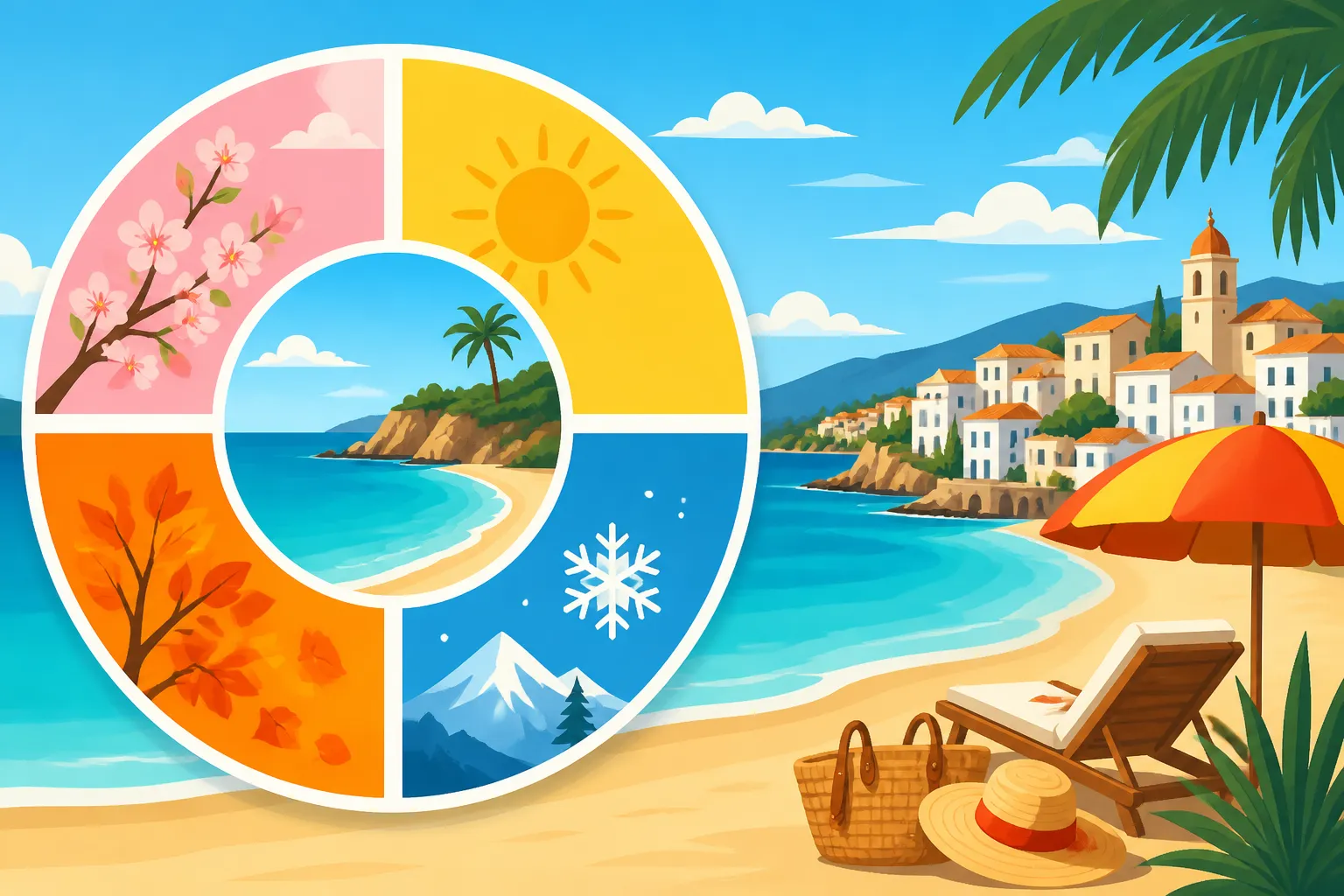
| Season | Typical Months | Mediterranean & North Temperatures | Canary Islands Temperatures | Sea Temperature (Med) | Crowds | Prices | Best For |
|---|---|---|---|---|---|---|---|
| Peak Season | June, July, August | 28-35°C+ (82-95°F+) | 24-28°C (75-82°F) | 24-26°C (75-79°F) | Very High | High | Hot weather, lively atmosphere, warm swims, nightlife |
| Shoulder | April, May, Sept, Oct | 20-28°C (68-82°F) | 20-26°C (68-79°F) | 18-22°C (64-72°F) | Moderate to Low | Moderate | Mild weather, fewer crowds, pleasant swims, active holidays, good value |
| Off-Season | Nov, Dec, Jan, Feb, Mar | 10-20°C (50-68°F) | 18-24°C (64-75°F) | 14-16°C (57-61°F) | Very Low (Med) | Low | Winter sun (Canaries), cultural trips, hiking, surfing, authentic vibe |
Ultimately, the best time for a beach holiday in Spain isn't a fixed date on the calendar, but rather a decision tailored to your personal preferences. Whether you crave the lively buzz of a summer resort, the tranquil beauty of a shoulder-season escape, or the reliable warmth of the Canaries in winter, Spain's diverse coastline offers something for every type of beach lover. So, pack your bags, choose your adventure, and prepare to fall in love with Spain's incredible shores! Don't forget to check our guide on Staying Safe in Spain: Common-Sense Tips for Travelers for a smooth trip.
Disclaimer
The information provided in this guide is for general informational purposes only and does not constitute professional advice. While we strive to provide accurate and up-to-date information, circumstances in Spain, including regulations, prices, and availability, can change rapidly. Always verify current details with official sources, local authorities, and service providers before making any travel arrangements or decisions.