How to Plan Airport Transfers in Spanish Cities
Landing in a bustling Spanish city after a long flight, the last thing you want is to be stressed about how to get from the airport to your new home or hotel. Trust me, I've stood there with a suitcase, utterly bewildered by the myriad of signs and transport options, wondering if I'd ever make it to my apartment. This comprehensive guide will walk you through everything you need to know about planning seamless airport transfers in Spain, helping you navigate those crucial first moments with confidence.
Disclosure: This post may contain affiliate links. We may earn a commission at no extra cost to you if you make a purchase through these links. Read full disclosure.
Getting Started: First Steps and General Considerations
Figuring out your airport transfer isn't just about picking a mode of transport; it's about understanding the lay of the land, what your specific journey requires, and what feels comfortable for you. Spain's airports are generally very well-connected, but each city has its own nuances that can make or break your initial experience. Taking a few moments to assess these factors before you even land can save you a world of hassle.
Understanding Your Arrival Airport
Spain is home to many international airports, but a few stand out as major hubs: Madrid-Barajas Adolfo Suárez (MAD), Barcelona-El Prat Josep Tarradellas (BCN), Málaga-Costa del Sol (AGP), Valencia (VLC), and Seville (SVQ). Each of these has distinct characteristics regarding their distance from the city center, the range of transport options available, and how easy they are to navigate for non-Spanish speakers. For instance, Madrid-Barajas has an extensive metro and Cercanías (local train) network directly integrated into its terminals, offering quick and affordable access to various parts of the city. Barcelona-El Prat also boasts excellent public transport links, including the Aerobús and metro lines. Málaga, while having train and bus services, is a bit further out, making taxis or pre-booked transfers often more appealing for those headed directly to coastal resorts.
It's wise to do a quick search for your specific arrival airport and its transport options. Look up the airport code and your destination neighborhood. Are you staying right in the city center, or are you venturing out to a residential area or a nearby town? Knowing this will help you determine which transport method makes the most sense. For example, if you're arriving at Terminal 4 in Madrid and need to get to Atocha station, the Cercanías train is probably your fastest and most direct bet, whereas if you're heading to a specific street address in the Chueca neighborhood, a taxi or ride-share might be more convenient.
Assessing Your Needs: Budget, Comfort, and Luggage
Before you commit to a transfer option, give some thought to your personal travel style and situation. Are you a solo backpacker on a tight budget, happy to brave the metro? Or are you a family with several large suitcases and a toddler, prioritizing comfort and ease above all else? Your answers will significantly narrow down your choices.
Budget is often a primary concern for many expats and travelers. Public transport options like metro, bus, or train are almost always the most economical. A metro ticket from Madrid-Barajas to the city center, for example, is typically around €4.50-€5, including the airport supplement. Compare that to a taxi, which will cost you a fixed rate of €30-€33 for journeys within the M-30 ring road. The trade-off, of course, is convenience; public transport usually involves more walking, stairs, and potential transfers. If you're traveling light and don't mind navigating a new system, it's a fantastic way to save money.
Comfort and convenience are paramount when you're tired. If you're laden with heavy luggage, traveling with young children, or simply want to minimize stress after a long journey, a taxi or private transfer might be worth the extra cost. Imagine trying to haul two huge suitcases up and down metro stairs during rush hour – it's not fun, believe me. Consider your arrival time too; late-night arrivals might mean fewer public transport options, making a pre-booked car a more reassuring choice. Also, if you have any mobility issues, directly checking for accessible transport is vital, as not all public transport lines or stations are fully equipped.
Common Transfer Options in Major Spanish Cities
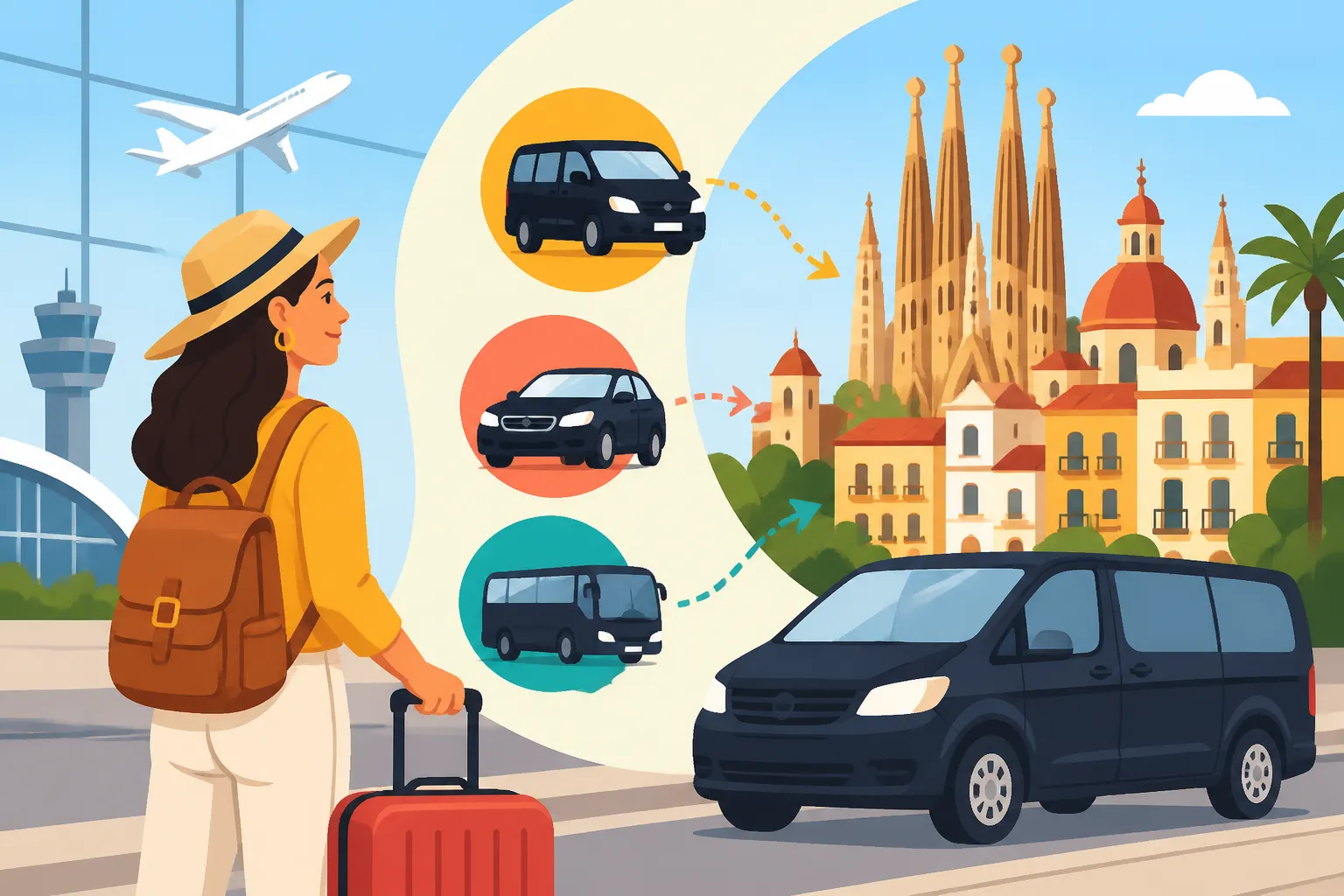
Spain offers a diverse array of options to get you from the airport to your destination, catering to every budget and preference. Understanding these can help you pick the best fit for your journey.
Public Transport: Metro, Train, Bus
Public transport is usually the backbone of airport transfers in Spain's major cities, offering reliable and cost-effective solutions.
Metro
Cities like Madrid and Barcelona have excellent metro connections directly from their airports. Madrid-Barajas is served by Metro Line 8, which connects all terminals to Nuevos Ministerios station in the city center. From there, you can easily transfer to other lines. The journey is relatively quick, usually under 20 minutes to Nuevos Ministerios. Barcelona-El Prat has its own dedicated metro line (L9 Sud) connecting both Terminal 1 and Terminal 2 to the city's metro network. While efficient, remember that metro travel can involve stairs, escalators, and sometimes long walks within stations, which might be a challenge with excessive luggage. You'll need to purchase a special airport ticket or have a valid travel card loaded with the appropriate fare. Learning a few general phrases can be surprisingly useful even for simple ticket purchases.
Cercanías (Local Trains)
In some cities, especially Madrid and Málaga, local train services known as Cercanías offer direct airport connections. From Madrid-Barajas T4, the C1 and C10 Cercanías lines run to major stations like Chamartín, Nuevos Ministerios, Atocha, and Príncipe Pío. This is often the most direct route if your final destination is near one of these main train stations, and it’s usually quite comfortable with dedicated luggage space. Málaga-Costa del Sol Airport (AGP) is also well-connected by the C1 Cercanías line, taking you to Málaga city center (María Zambrano station) in about 12 minutes. These trains are often a fantastic option, particularly if you're arriving at T4 in Madrid, as it avoids the metro supplement on certain passes. For planning journeys, websites like Omio can help you compare train routes and purchase tickets in advance, sometimes offering multi-modal comparisons.
Buses and Aerobús
Buses are ubiquitous and often serve areas not directly connected by metro or train. Most major Spanish airports have dedicated express bus services to their city centers.
- Madrid: The Airport Express Bus (Exprés Aeropuerto) runs 24/7 between Barajas Airport and Atocha train station (during the day) or Cibeles Plaza (at night). It’s a flat fare, typically around €5, and offers comfortable seating and luggage racks.
- Barcelona: The Aerobús is a very popular, direct shuttle service connecting both terminals of El Prat with Plaça Catalunya in the city center. It's slightly more expensive than the metro but offers more luggage space and a direct route with fewer stops, making it a great option for many. There are two lines, A1 for T1 and A2 for T2.
- Seville: The EA (Especial Aeropuerto) bus provides a direct link from Seville Airport (SVQ) to the city center, including the Santa Justa train station and Plaza de Armas.
- Valencia: Bus line 150 connects Valencia Airport (VLC) to the city center, offering a very affordable option if you're not in a rush.
Buses are generally straightforward, but traffic can sometimes impact travel times. They are an excellent choice for affordability and often provide scenic routes into the city.
Taxis & Ride-Sharing Services
For convenience and directness, taxis and ride-sharing apps are often the preferred choice, especially when traveling with family or heavy luggage.
Official Taxis
Official licensed taxis in Spain are usually white with a red stripe and a green light on the roof to indicate availability. They operate on meters or fixed fares depending on the city and journey. In Madrid, there's a flat rate of €30-€33 for journeys between Barajas Airport and any point within the M-30 ring road. This fixed fare is a blessing for expats, as it eliminates any worry about metered costs escalating due to traffic. In Barcelona, taxis from El Prat have a minimum fare and then operate on a meter, though there are supplements for airport pick-ups and luggage. Always ensure the meter is started or confirm the fixed rate beforehand. Only take taxis from designated taxi stands at the airport to avoid unlicensed drivers. Dealing with Spanish Emergency Phrases: How to Describe Symptoms Quickly or general directions is easier with a local taxi driver, but having your address written down is always helpful.
Ride-Sharing Apps (Uber, Cabify, Bolt)
Ride-sharing apps like Uber, Cabify, and Bolt are widely available in major Spanish cities like Madrid, Barcelona, and Valencia. They offer a convenient way to book a car directly from your phone, with upfront pricing and cashless payments. This can be particularly reassuring if you're not comfortable speaking Spanish or prefer to know the exact cost before you depart. You simply input your destination, choose your car type, and a driver will meet you at a designated pick-up point, often clearly marked at the airport. This removes the guesswork of negotiating fares or worrying about long routes. Always double-check the car model and license plate against the app's information before getting in to ensure you're with the correct driver.
Private Transfers & Shuttles
For ultimate peace of mind, especially if you're arriving late, traveling with a large group, or have specific requirements, private transfers are unbeatable.
Pre-Booked Private Cars
These services involve booking a car and driver in advance, who will meet you directly at the arrivals gate with a sign bearing your name. They often include flight tracking, so the driver knows if your flight is delayed. This option eliminates all stress, as you walk out, find your driver, and are whisked away to your destination. While more expensive than public transport or even taxis, the seamless experience is often worth the premium, particularly for new arrivals or those heading to less accessible locations. Sites like Booking.com and GetYourGuide offer a wide selection of private transfer services from various providers, allowing you to compare prices and vehicle types before you travel. This can be incredibly useful for families or those needing a specific type of car, like one with a child seat.
Shared Shuttles
Shared shuttle services offer a middle ground between private transfers and public transport. You book a seat in a larger vehicle (van or minibus) that transports multiple passengers heading in the same general direction. This is often more affordable than a private car, as the cost is split, but it might take longer as the shuttle makes multiple stops. It's a popular option for resort areas, such as those near Málaga, where passengers might be dropped off at different hotels along the Costa del Sol. Always check the pick-up and drop-off policies and potential waiting times before booking. For larger groups, sometimes a private transfer is only marginally more expensive than booking multiple seats on a shared shuttle and offers much greater flexibility.
Booking & Practical Tips for a Smooth Journey
A little preparation goes a long way when it comes to airport transfers. Knowing when to book, what apps to use, and how to navigate unfamiliar stations can save you a lot of grief.
Pre-Booking vs. On-the-Spot
Deciding whether to pre-book your transfer or arrange it upon arrival depends heavily on your comfort level, the time of day, and your destination.
Advantages of Pre-Booking
Pre-booking, especially for private transfers or shared shuttles, offers significant peace of mind. You know exactly what you're paying, who's picking you up, and that your transport is confirmed, regardless of flight delays. This is particularly valuable if you're arriving late at night when public transport might be limited, or if you're traveling with children or lots of luggage. It also bypasses potential language barriers at the airport taxi stand. Booking.com and GetYourGuide are excellent platforms for finding and reserving these services, often with flexible cancellation policies. For intercity travel, or complex public transport routes, Omio can help you plan and book trains or buses well in advance. Having your transport sorted means you can relax and focus on enjoying your arrival in Spain.
When to Arrange On-the-Spot
For many, grabbing a taxi from the official stand or hopping on a metro or bus on arrival is perfectly fine. Spain's major airports are generally well-equipped with clear signage and helpful staff (though English proficiency varies). If you're confident with public transport, arriving during the day, and traveling light, there's no real need to pre-book. Taxis are usually plentiful at designated ranks, and fixed rates in cities like Madrid make them a transparent option. Just remember to use official sources; avoid anyone approaching you in the terminal offering a ride, as these are often unregulated and potentially unsafe. Always check the official airport website for real-time information on public transport schedules and ticket prices.
Using Apps and Websites
Leveraging technology can make your airport transfer experience much smoother, from planning to payment.
Navigation and Public Transport Apps
For planning public transport, Google Maps is indispensable, offering real-time routes, estimated travel times, and even showing specific bus or metro lines. City-specific transport apps are also incredibly useful; for example, the official "Metro Madrid" app can help you navigate the system, and "TMB App" for Barcelona provides detailed public transport information. For broader travel planning across Europe, including bus and train connections, Omio is a fantastic resource. It allows you to search, compare, and book tickets for various transport methods in one place, which can be super handy if your journey involves multiple legs.
Booking Platforms
When it comes to taxis or private transfers, apps are your best friend. Ride-sharing apps like Uber, Cabify, and Bolt allow you to book and pay directly from your phone, with transparent pricing. For pre-booked private transfers or shared shuttles, online travel agencies are key. Booking.com and GetYourGuide are widely used platforms where you can find and reserve airport transfers from reputable local providers. They offer reviews, vehicle choices, and often customer support in multiple languages, adding an extra layer of security. Always ensure you have your confirmation details readily accessible on your phone or as a printout.
Navigating Spanish Stations and Stops
Even with the right booking, understanding the local setup can be tricky. Spanish train stations, metro entrances, and bus stops have their own quirks.
Finding Your Way
Look for clear signage (often in Spanish and English) pointing to "Metro," "Cercanías," "Autobuses," or "Taxis." In larger airports, terminals might be connected by free shuttle buses or internal trains, so pay attention to which terminal your transport leaves from. For pre-booked services, your booking confirmation will usually specify a meeting point, such as "Arrivals Hall, next to Starbucks" or a specific exit number. Don't be shy about asking airport staff for directions; a simple "Disculpe, ¿dónde está el metro?" (Excuse me, where is the metro?) will usually get you pointed in the right direction. It's also helpful to familiarize yourself with Spanish Medical Terminology: Common Words Expats Should Know or simple directions beforehand.
Ticket Machines and Payment
Public transport tickets can usually be purchased from vending machines at metro or train stations, or directly from the bus driver (though exact change might be required for buses). These machines often have language options (English, French, German), which is a huge relief. Major credit and debit cards are widely accepted, but it’s always a good idea to have some small euro notes or coins on hand for unforeseen circumstances or smaller purchases. Cash is still king in some places, so learning about Money for Travel in Spain: Cards, Cash, and ATMs is always a good idea. Remember that some tickets, like Madrid's Multi card, are rechargeable and require an initial purchase of the physical card itself before you load trips onto it.
Addressing Common Expat Concerns and Pitfalls
Moving to a new country or even just visiting can be full of small anxieties. Airport transfers often highlight these, but many common worries can be easily mitigated with a little foresight.
Language Barriers and How to Overcome Them
One of the biggest anxieties for newcomers is the language barrier, especially in a moment of stress or confusion. While staff at major Spanish airports often have some English proficiency, this isn't always guaranteed, particularly with taxi drivers or local bus drivers outside of the main tourist zones.
Simple Phrases and Translation Apps
Learning a few basic Spanish phrases can make a world of difference. "Hola" (hello), "Gracias" (thank you), "Por favor" (please), "Cuánto cuesta?" (How much does it cost?), and "A la estación de [destination], por favor" (To [destination] station, please) will get you a long way. Having your destination address written down or saved on your phone is paramount. For more complex interactions, a translation app like Google Translate or DeepL can be a lifesaver. You can type in your question or even use the voice translation feature, though this works best in quieter environments. Don't be afraid to try, even a little Spanish is appreciated! This is where knowledge from Spanish Language and Everyday Communication for Visitors truly comes in handy.
Visual Cues and Prepared Information
Beyond language, visual communication is key. Pointing to your written address, showing a map on your phone, or clearly indicating your luggage can bridge communication gaps. Many taxi drivers are accustomed to showing their fixed-fare sheet or gesturing to the meter. If you've pre-booked, simply showing your confirmation email with the driver's name or company logo is usually enough. Always confirm the destination verbally or visually before the journey begins to avoid misunderstandings.
Dealing with Delays and Unexpected Situations
Travel rarely goes perfectly, and flight delays, lost luggage, or unexpected closures can throw a wrench in your transfer plans.
Flight Delays
If you've pre-booked a private transfer through a service like GetYourGuide or Booking.com, they often track your flight, so the driver will know if you're delayed. However, it’s always good practice to notify the transfer company if you can, especially for significant delays, just to be sure. For public transport, a delay simply means you'll catch the next available service. If your delay means arriving in the middle of the night, be aware that public transport schedules might be reduced or cease altogether, making pre-arranged private transport or an airport taxi your only viable options. Always check the Public Holidays in Spain: How They Affect Travel and Opening Hours as transport schedules can change.
Lost Luggage or Other Issues
Dealing with lost luggage at the airport can be incredibly stressful, and it will certainly impact your transfer plans. Be prepared to spend extra time at the baggage claim, filing a report. In such cases, a flexible transfer option is best. If you had a pre-booked private transfer, you might need to call and explain the situation, potentially incurring a waiting fee or needing to reschedule. If you were planning on public transport, you might reconsider and opt for a taxi to your accommodation once the luggage situation is sorted, to minimize further hassle. Always keep important documents and a change of clothes in your carry-on, just in case.
Safety and Scams to Watch Out For
Spain is generally a very safe country, but like anywhere, it pays to be aware of your surroundings and common scams, especially in busy transport hubs.
Official Transport Only
Always use official transport. For taxis, this means going to the designated taxi rank, usually clearly marked outside the arrivals hall. Ignore anyone approaching you inside the terminal offering a taxi service – these are often unlicensed "pirate" taxis that may overcharge you or be unsafe. For buses and trains, purchase tickets from official vending machines or ticket counters. Never buy tickets from individuals offering them, as they might be fake or overpriced. Being mindful of Avoiding Pickpockets in Spain's Tourist Areas is also crucial, especially on crowded public transport.
Protecting Your Belongings
Airport terminals and public transport can be busy, making them prime spots for pickpockets. Keep a close eye on your luggage, especially on escalators, in crowded metro cars, or when you're distracted buying tickets. Wear backpacks on your front in crowded areas, and keep valuables like passports, wallets, and phones in secure, hidden pockets. Don't leave your phone unattended on tables or seats while waiting. For more tips on this, check out our guide on Staying Safe in Spain: Practical Safety Tips for New Residents.
Fixed Fares and Payment
As mentioned, Madrid taxis have a fixed airport fare to the M-30. In other cities, taxi meters should always be used unless a clear fixed rate is posted. Always clarify the payment method before starting the journey if you're unsure; while most taxis accept cards, having some cash (euros) is always a good backup. Do not hesitate to ask for a receipt (un recibo) at the end of your journey.
Here's a quick comparison of common transfer options from Madrid-Barajas (MAD) and Barcelona-El Prat (BCN) to their respective city centers:
| Transfer Option | Madrid-Barajas (MAD) to City Center | Barcelona-El Prat (BCN) to City Center | Pros | Cons |
|---|---|---|---|---|
| Metro | Line 8 (to Nuevos Ministerios) | Line L9 Sud (various city connections) | Affordable, frequent, avoids traffic | Can be crowded, involves transfers, limited luggage space |
| Cercanías Train | Lines C1/C10 (from T4 to Atocha, etc.) | Not directly from BCN; R2 Nord from nearby station | Affordable, comfortable, direct to major train stations (Madrid) | Only from T4 (Madrid), less frequent than metro, stops can be limited |
| Express Bus / Aerobús | Exprés Aeropuerto (to Atocha/Cibeles) | Aerobús (A1/A2 to Plaça Catalunya) | Direct, good luggage space, comfortable, frequent | Subject to traffic, slightly pricier than metro |
| Taxi | Fixed fare (~€30-€33 to M-30) | Metered + supplements (approx. €30-€40) | Door-to-door, fast, convenient, fixed price (Madrid) | Most expensive option, potential for traffic delays |
| Ride-Share (Uber/Cabify) | Approx. €25-€35 | Approx. €25-€35 | Upfront pricing, cashless, convenient pickup points | Availability can vary, surge pricing during peak times |
| Private Transfer | Varies by company (~€40+) | Varies by company (~€40+) | Door-to-door, personalized, driver meets you, flight tracking | Most expensive option, pre-booking required |
Planning your airport transfer in Spain doesn't have to be a headache. By considering your budget, comfort needs, and using the right tools and information, you can ensure a smooth and stress-free start to your Spanish adventure. Whether you opt for the efficiency of the metro, the directness of a taxi, or the luxury of a private transfer booked via Omio, GetYourGuide, or Booking.com, you'll be well on your way to enjoying all that Spain has to offer. For more detailed information on specific topics, remember to check out our guides on Getting Around Spanish Cities: Metro, Bus, Tram, and Bikes or perhaps Mobile Data and eSIMs for Travel in Spain to ensure you're always connected.
Disclaimer
Please note that while we strive to provide the most accurate and up-to-date information, transport fares, schedules, and regulations in Spain can change. It is always advisable to double-check official sources and local transport websites for the latest details closer to your travel date. This guide is for informational purposes only and does not constitute professional advice.