What Time Do Spaniards Eat Lunch and Dinner?
Oh, the eternal question for every new arrival and wide-eyed tourist in Spain: "What time do Spaniards actually eat?!" It's a common source of bewilderment, stomach rumblings, and sometimes, outright frustration. You arrive, ready for a hearty lunch at what feels like a perfectly normal 1 PM, only to find kitchens just waking up, or you're absolutely famished by 7 PM, dreaming of dinner, while most restaurants are still locked up tight, preparing for a late-night rush that won't start for hours. This isn't just a quirky habit; it's a deeply ingrained cultural rhythm that governs daily life here. Don't worry, you're not alone in feeling out of sync. This guide will help you decode Spain's unique eating schedule, understand its roots, and give you all the practical tips you need to eat well and truly embrace the Spanish way, whether you're here for a visit or settling in for good.
Disclosure: This post may contain affiliate links. We may earn a commission at no extra cost to you if you make a purchase through these links. Read full disclosure.
The Spanish Meal Schedule Explained: Why It's Later Than You Think
The Spanish day operates on a different clock, quite literally. While many European countries and North America might be sitting down to dinner at 6 or 7 PM, that's often when many Spaniards are just finishing their afternoon coffee or gearing up for a paseo. This staggered schedule isn't just about leisurely living; it's a fascinating blend of historical factors, climate, and modern habits that have shaped the country's unique culinary rhythm.
The Rhythmic Flow of a Spanish Day
Imagine a typical Spanish workday. It often starts a bit later, perhaps 9 AM, followed by a mid-morning almuerzo (a second breakfast or substantial snack) around 10:30 or 11 AM. Then comes the big break for lunch, la comida, which is the day's main meal. Work might then resume in the late afternoon, stretching until 7 or 8 PM, sometimes even later. This extended workday naturally pushes dinner, la cena, to much later in the evening. This entire rhythm means that the energy peaks and lulls of the day align differently, requiring a substantial midday meal to carry you through the long afternoon. It’s a schedule that can take some getting used to, especially if your body clock is screaming for food at what feels like "normal" hours.
Historical Roots of the Late Schedule
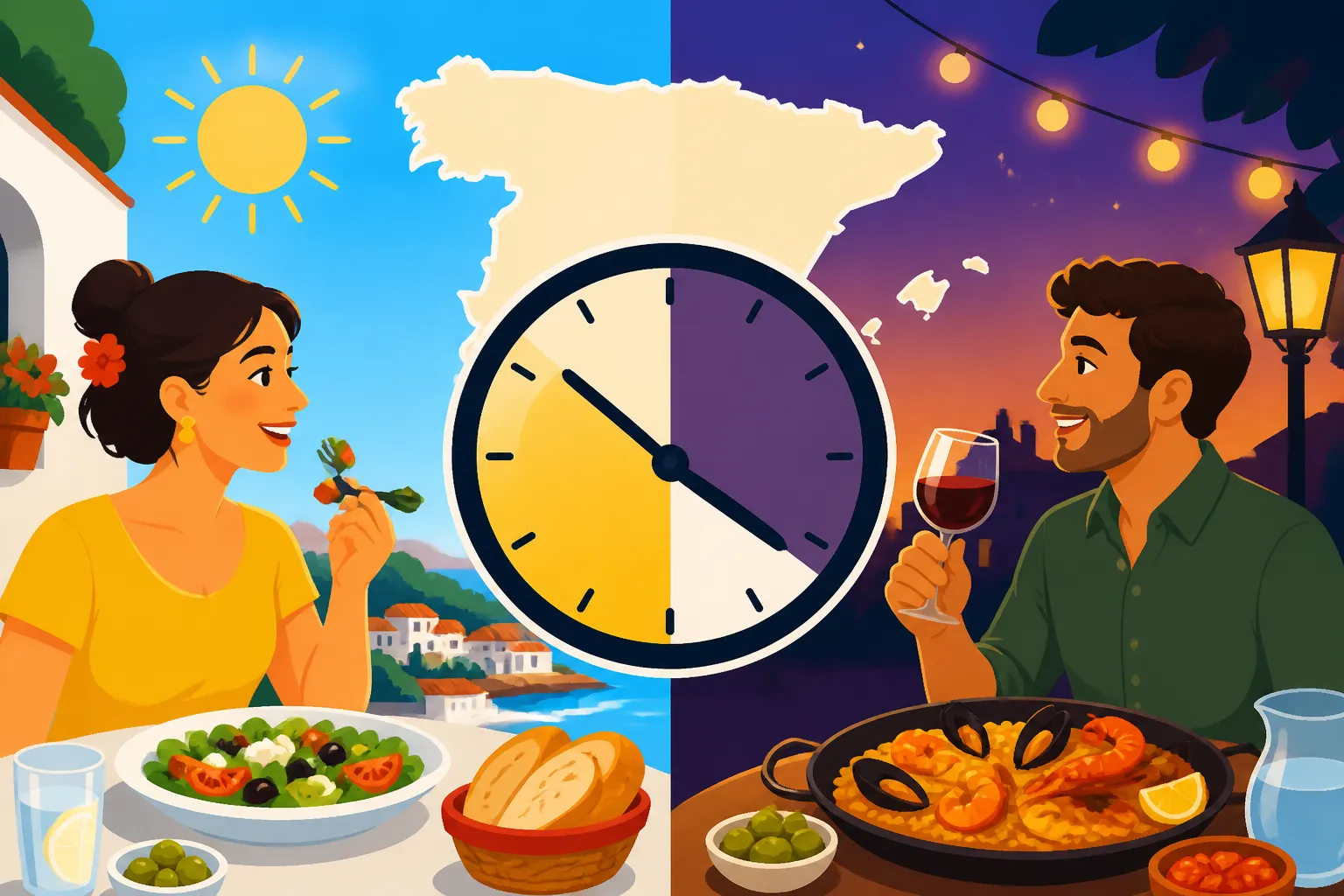
The most popular theory explaining Spain's late meal times harks back to World War II. In 1942, General Franco shifted Spain's clocks forward by an hour to align with Nazi Germany, deviating from Greenwich Mean Time (GMT), which is geographically more appropriate for most of Spain. Spain, for the most part, shares a longitude closer to Portugal and the UK, which observe GMT. Even today, the Canary Islands are on GMT, while mainland Spain remains on Central European Time (CET). This means that "officially" 1 PM feels more like 12 PM sun-time, and 9 PM feels like 8 PM sun-time. This artificial time shift effectively pushed everything later in relation to the sun, making late lunches and dinners feel more natural within the "real" daylight hours.
Combine this with the warm Mediterranean climate, where the hottest part of the day is midday, making an extended break indoors for a large meal and perhaps a short rest (the famed, though now less common, siesta) a practical necessity. The combination of these factors — the time zone discrepancy, the heat, and a work culture that embraced longer breaks — cemented the later dining habits we experience today. Understanding Spain's Daily Rhythm: Siesta and Late Nights can really help you get a grip on the broader picture of daily life here.
Navigating Lunch (La Comida): Spain's Main Event
Lunch in Spain isn't just a quick bite; it's the culinary highlight of the day. This is where families gather, colleagues unwind, and kitchens truly shine. If you only adapt to one Spanish meal, make it lunch.
Typical Lunch Hours and What to Expect
In Spain, lunch, or la comida, typically takes place between 2:00 PM and 4:00 PM. Yes, you read that right. If you show up at a restaurant at 1 PM, you might find staff still setting tables, or only a handful of early birds. The peak time for lunch is usually around 2:30 PM to 3:00 PM. This is when restaurants are bustling, and the atmosphere is at its most vibrant.
What should you expect? La comida is usually a substantial, multi-course affair. It often starts with a first course (primer plato) which could be a salad, soup, or a rice dish like paella. Then comes the second course (segundo plato), typically a meat or fish dish with a side. Dessert (postre) and coffee are standard, and it almost always includes bread and a drink, often wine or beer. It’s a relaxed meal, meant to be savored, not rushed. Don't be surprised if it stretches for an hour or even two.
The Beloved 'Menú del Día'
For anyone looking to experience authentic Spanish lunch culture without breaking the bank, the Menú del Día is your holy grail. This fixed-price, multi-course meal is a Spanish institution, born out of a Franco-era law to ensure workers had access to affordable, nutritious food. It's usually offered on weekdays and typically includes:
- Primer Plato: A choice of 3-5 starters.
- Segundo Plato: A choice of 3-5 main courses.
- Postre o Café: Dessert or coffee.
- Pan y Bebida: Bread and a drink (wine, beer, water, or soft drink).
Prices for a Menú del Día usually range from €10 to €15, offering incredible value. It's an excellent way to sample traditional Spanish home cooking. You'll find these advertised on blackboards outside restaurants or printed on small menus. To truly master this, check out What Is a 'Menú del Día' and How Does It Work?. Many local spots fill up quickly for their Menú del Día, so arriving closer to 2 PM might give you an edge over the 2:30 PM rush, but don't expect to be the first one there.
Where to Find Lunch (and When)
Finding a place for lunch is rarely an issue once the Spanish clock ticks past 2 PM. From bustling tabernas and traditional restaurantes to more modern eateries, options abound. If you're exploring a new city or region, perhaps planning a day trip facilitated by Omio to see another part of Spain, remember to factor in these later lunch hours. It might mean packing a mid-morning snack or adjusting your itinerary to be near a good restaurant around 2:30 PM.
For those eager to find truly authentic spots and avoid tourist traps, doing a bit of research on How to Find Authentic Restaurants in Spain (Not Tourist Traps) before your mealtime hits can be a game-changer. Local markets often have small bars or stalls serving delicious, fresh food that aligns with these lunch timings, offering a more casual, yet equally satisfying, experience.
Understanding Dinner (La Cena): A Lighter, Later Affair
If lunch is the grand performance, dinner, or la cena, is often a more understated, later encore. This is where expats often feel the biggest culture shock, as the gap between what their body expects and what Spain offers can be vast.
When Dinner Really Happens
Spaniards typically eat dinner much later than in many other countries, usually between 9:00 PM and 11:00 PM. In some cases, especially on weekends or during summer, it can stretch even later. Showing up at 7 PM for dinner might mean you're the sole patron in an empty restaurant, and the kitchen may not even be fully operational yet. Most restaurants truly begin their dinner service around 8:30 PM or 9:00 PM, with the peak rush hitting closer to 10:00 PM.
Unlike lunch, la cena is generally a lighter meal. It might consist of a salad, a small portion of meat or fish, an omelette (tortilla), or just a selection of tapas. It's not uncommon for families to have a simple dinner at home, especially during the week, saving the larger, later meals for weekends or special occasions when dining out.
Dinner vs. Tapas: What's the Difference?
This is a crucial distinction for expats and tourists. While you might associate tapas with dinner, they are often enjoyed earlier in the evening, as an appetizer or a social ritual leading up to dinner. Tapeo, or going for tapas, usually starts around 7:00 PM or 8:00 PM, as people finish work and meet up with friends. These are small plates, designed to be shared, and often accompanied by a drink. You might do a ruta de tapas, hopping from bar to bar, enjoying a different bite at each.
However, if you're looking for a full, sit-down meal with a menu, that's generally considered cena and will follow the later schedule. Many restaurants will offer both tapas and full raciones (larger portions of tapa dishes) alongside their main dinner menu. If you're unsure, ask! Understanding the Spanish Tapas Culture: How to Order and Where to Go can really help bridge that hunger gap and immerse you in a truly Spanish experience before the late dinner kicks in.
Strategies for Eating Earlier
For those who simply can't wait until 9 PM for dinner, you have a few options:
- Embrace the Tapas: As mentioned, tapas bars often open earlier, around 7 PM. You can make a light meal out of several tapas, sharing them with friends. It's a fantastic way to socialize and snack your way through the early evening.
- "Guiri" Restaurants: In very tourist-heavy areas, you might find restaurants catering specifically to international visitors that offer earlier dinner times (e.g., from 7 PM). While they might not be the most authentic, they can be a lifesaver when hunger strikes early.
- Cook at Home: If you have access to a kitchen through your accommodation on Booking.com, this is often the easiest solution. Stock up at a local supermarket, and you can eat whenever you please. Exploring Spanish Shopping: Supermarkets, Markets, and Budget Strategies can help you get started with this.
- "Cafeterías" or Sandwich Shops: These places often have more flexible hours and might offer lighter fare like sandwiches, salads, or raciones of tortilla earlier in the evening.
Practical Tips for Expats and Tourists: Adapting to Spanish Meal Times
Adapting to Spain's culinary clock can feel like a marathon, not a sprint. But with a few clever strategies, you’ll be dining like a local in no time.
Snacking Smart: Bridging the Gaps
The key to surviving the Spanish meal schedule, especially in the early days, is strategic snacking. Since lunch is late and dinner is even later, there are significant gaps where your hunger might kick in.
- Mid-Morning Almuerzo: Don't skip it! Around 10:30 AM or 11:00 AM, many Spaniards take a break for a second breakfast or a substantial snack. This could be a tostada con tomate (toast with tomato), a small sandwich (bocadillo), or a pastry. This helps bridge the gap until the late lunch.
- Merienda: This is the Spanish equivalent of afternoon tea, usually enjoyed between 5:00 PM and 7:00 PM. It’s a lighter snack, often coffee with a sweet pastry, or a piece of fruit. For kids, it’s a crucial meal! For adults, it's perfect for staving off hunger until dinner.
- Carry a Snack: Always keep a piece of fruit, some nuts, or a small granola bar with you, especially if you're out sightseeing or on a long bus trip. Apps like GetYourGuide often list food tours that can help you understand these snacking cultures more deeply, allowing you to try various local bites throughout the day that fit the Spanish rhythm.
Booking Ahead: Restaurant Reservations
While many casual tapas bars operate on a first-come, first-served basis, popular restaurants, especially for dinner on a Friday or Saturday night, will require a reservation. Since Spaniards eat dinner so late, places can fill up fast after 9:00 PM. If you have a specific restaurant in mind, particularly for a larger group, it’s always wise to book ahead. Many restaurants now have online booking systems, or you can call during their operating hours.
When making a reservation, you might be asked for your preferred time. Don't be shy about requesting 9:30 PM or even 10:00 PM if you want to dine with the locals. If your Spanish isn't quite up to par, a quick guide on How to Order Food and Drinks in Spanish: A Practical Phrasebook might come in handy for making those calls.
Grocery Shopping and Home Cooking
For those staying in Spain for an extended period, or simply prefer to eat on their own schedule, home cooking is your best friend. Spanish supermarkets typically have generous opening hours, often from 9:00 AM to 9:00 PM or 10:00 PM, Monday through Saturday. Smaller local shops might close for siesta in the afternoon, but many larger chains stay open all day.
Having a well-stocked pantry allows you to eat a lighter meal at 7 PM or a full lunch at 1 PM if that's what your body craves. Most accommodations found via Booking.com offer kitchen facilities, which can be a huge advantage for managing your meal schedule. Look for panaderías (bakeries) for fresh bread daily, fruterías (fruit and vegetable shops) for local produce, and larger supermarkets like Mercadona, Carrefour, or Lidl for everything else.
Regional Variations and Modern Twists
While the general rule of later eating holds true across Spain, there are nuances and exceptions that are good to be aware of.
Big Cities vs. Smaller Towns
In major metropolitan areas like Madrid or Barcelona, you'll find a bit more flexibility, especially in very tourist-heavy zones. Here, some restaurants might open their kitchens a touch earlier for dinner (e.g., 8:00 PM), and you'll find more international dining options that cater to different schedules. However, these are often the places specifically targeting tourists, and you might pay a premium or sacrifice a bit of authenticity. For a full rundown of what to expect, guides like Madrid for First-Time Visitors: Neighborhoods and Highlights or Barcelona for First-Time Visitors: What to See and Skip will offer insights into local dining.
In smaller towns and more traditional areas, the adherence to the classic Spanish schedule is much stronger. If you're in a charming pueblo in Andalusia, don't expect to find dinner before 9:30 PM, unless it's a very simple bar serving cold embutidos (cured meats) and cheese. Embrace it as part of the local experience!
Tourist Zones vs. Local Haunts
The distinction between tourist-oriented and local establishments is key to understanding meal timings.
- Tourist Zones: In areas brimming with visitors (e.g., near major attractions, popular beaches), you'll often find restaurants adapting to earlier international schedules. This means dinner service might begin at 7:00 PM or 7:30 PM. The food might be geared towards a broader palate, and prices could be higher.
- Local Haunts: Venture a few streets away from the main tourist drag, and you'll quickly find restaurants and bars catering to locals. Here, the traditional meal times are strictly observed. These are often the places where you'll experience the most authentic cuisine and atmosphere, even if it means waiting a bit longer to eat.
Ultimately, embracing Spain's meal times is part of the adventure. It might feel strange at first, but soon you'll find yourself enjoying a leisurely 3 PM lunch, taking a paseo in the early evening, and sitting down to a delicious dinner at 10 PM, feeling perfectly at home.
| Meal | Typical Time (Approx.) | What to Expect | Tips for Expats/Tourists |
|---|---|---|---|
| Breakfast | 7:00 AM – 9:00 AM | Small, often coffee & toast/pastry | Don't expect a full English breakfast. |
| Almuerzo | 10:30 AM – 11:30 AM | Second breakfast/substantial snack (sandwich, tapa) | Crucial bridge snack before lunch. |
| Lunch (La Comida) | 2:00 PM – 4:00 PM | Main meal, multi-course, often with 'Menú del Día' | Plan activities around this. Arrive 2:30-3:00 PM for peak experience. |
| Merienda | 5:00 PM – 7:00 PM | Afternoon snack (coffee & cake, fruit) | Essential to curb hunger before late dinner. |
| Dinner (La Cena) | 9:00 PM – 11:00 PM | Lighter meal, often tapas or simple home cooking | Eat tapas earlier (7-8 PM) or cook at home if you prefer early dinner. |
Disclaimer
The information provided in this guide is for general informational purposes only and is based on common practices and observations in Spain. Meal times and customs can vary by region, specific establishment, and individual preferences. It's always a good idea to check opening hours for specific restaurants and be flexible with your plans.