How to Visit Segovia From Madrid by Train
Alright, so you've settled into life in Madrid, maybe navigated the maze of getting your NIE or even braved your first Spanish tax return, and now you're itching for a proper escape. You've heard whispers of an ancient Roman aqueduct, a fairytale castle, and succulent roast suckling pig. That's Segovia calling, my friend, and let me tell you, getting there by train from Madrid is not only doable but genuinely one of the easiest, most comfortable day trips you can make in Spain. Forget complicated bus schedules or renting a car; the train is your ticket to a stress-free cultural immersion, and I'm here to walk you through every single step.
Disclosure: This post may contain affiliate links. We may earn a commission at no extra cost to you if you make a purchase through these links. Read full disclosure.
Why Segovia is a Must-Visit Day Trip from Madrid
Segovia isn't just another pretty Spanish city; it's a living, breathing history book that practically shouts its stories from every cobblestone. Just about an hour north of Madrid, it feels a world away, offering a breathtaking glimpse into Spain's rich past without the overwhelming hustle of a major metropolis. It's the kind of place that leaves an impression, whether you're a history buff or just someone who appreciates stunning architecture and delicious food.
The Aqueduct, Alcázar, and Cathedral: A Trio of Wonders
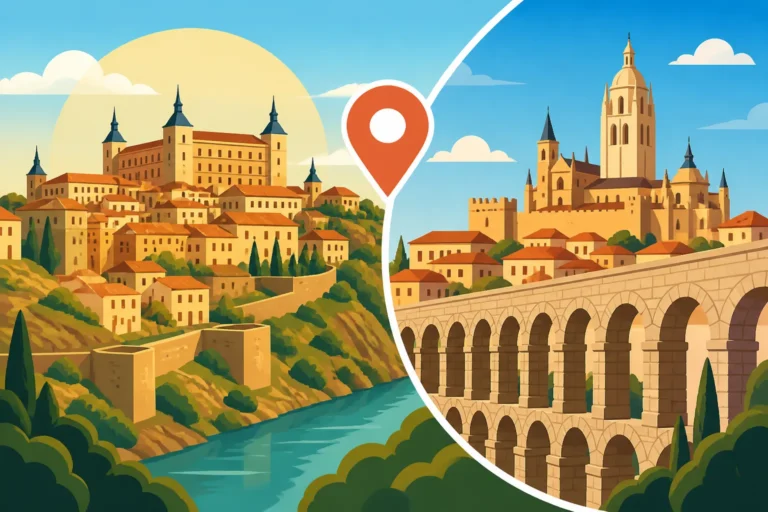
Let's be real, these are the heavy hitters, the iconic sights that draw millions to Segovia each year, and for good reason. First up, you've got the Roman Aqueduct, an engineering marvel that has stood proudly for nearly 2,000 years. Imagine, built without a single drop of mortar, it still dominates the city's skyline, a testament to ancient Roman ingenuity. Standing beneath its towering arches, you can't help but feel a sense of awe. It’s absolutely free to admire and wander around, providing countless photo opportunities and a palpable connection to history.
Then there's the Alcázar of Segovia, a castle straight out of a Disney movie. Seriously, it's rumored to have inspired Cinderella's castle! Perched on a rocky outcrop, this former royal palace, fortress, and state prison offers turreted towers, grand halls, and a sweeping view of the surrounding countryside. Exploring its interior is like stepping into a medieval fairytale, complete with intricate Mudejar ceilings and royal tapestries. Don't miss climbing the Tower of John II for panoramic vistas – it's worth every step, even if your legs protest a little.
Finally, the Segovia Cathedral, often called the "Lady of Cathedrals" due to its sheer size and Gothic beauty. Rising majestically in the Plaza Mayor, its intricate stonework and soaring stained-glass windows are truly captivating. Step inside, and you'll find an atmosphere of serene grandeur, with numerous chapels, an impressive cloister, and an interesting museum. It’s a powerful reminder of Spain's deep religious heritage and architectural prowess. You could easily spend an hour or two just wandering its vast interior, admiring the artistry.
Beyond the Main Sights: Exploring Segovia's Charm
While the "big three" are undeniably spectacular, Segovia's charm extends far beyond them. The city's winding medieval streets invite leisurely strolls, leading you to hidden plazas, artisan shops, and delightful local eateries. Take some time to wander through the Jewish Quarter (Juderia), with its narrow alleys and historic synagogues, offering a quieter, more reflective side of the city. You'll find charming little spots to grab a coffee or a pastry, allowing you to soak in the local atmosphere.
Consider a walk along the city walls, which offer different perspectives of the landscape and the city itself. You might stumble upon the Casa de los Picos, an unusual 15th-century palace with a façade adorned with diamond-shaped granite blocks, or the beautiful Iglesia de San Martín in its own quaint plaza. Each turn can reveal another gem. Segovia truly encourages you to get lost a little, to let its ancient pathways guide you to unexpected discoveries. It's these smaller moments, a quiet coffee, a browse in a ceramics shop, that truly make the day trip memorable, creating a fuller picture of this historic Spanish city.
Choosing Your Train Journey: High-Speed AVANT vs. Regional Train
When planning your day trip to Segovia from Madrid, your main decision for train travel will boil down to speed and convenience. For most expats and tourists, the high-speed AVANT train is the clear winner for a seamless day trip. However, it's good to understand your options.
The High-Speed AVANT Option: Fast and Modern
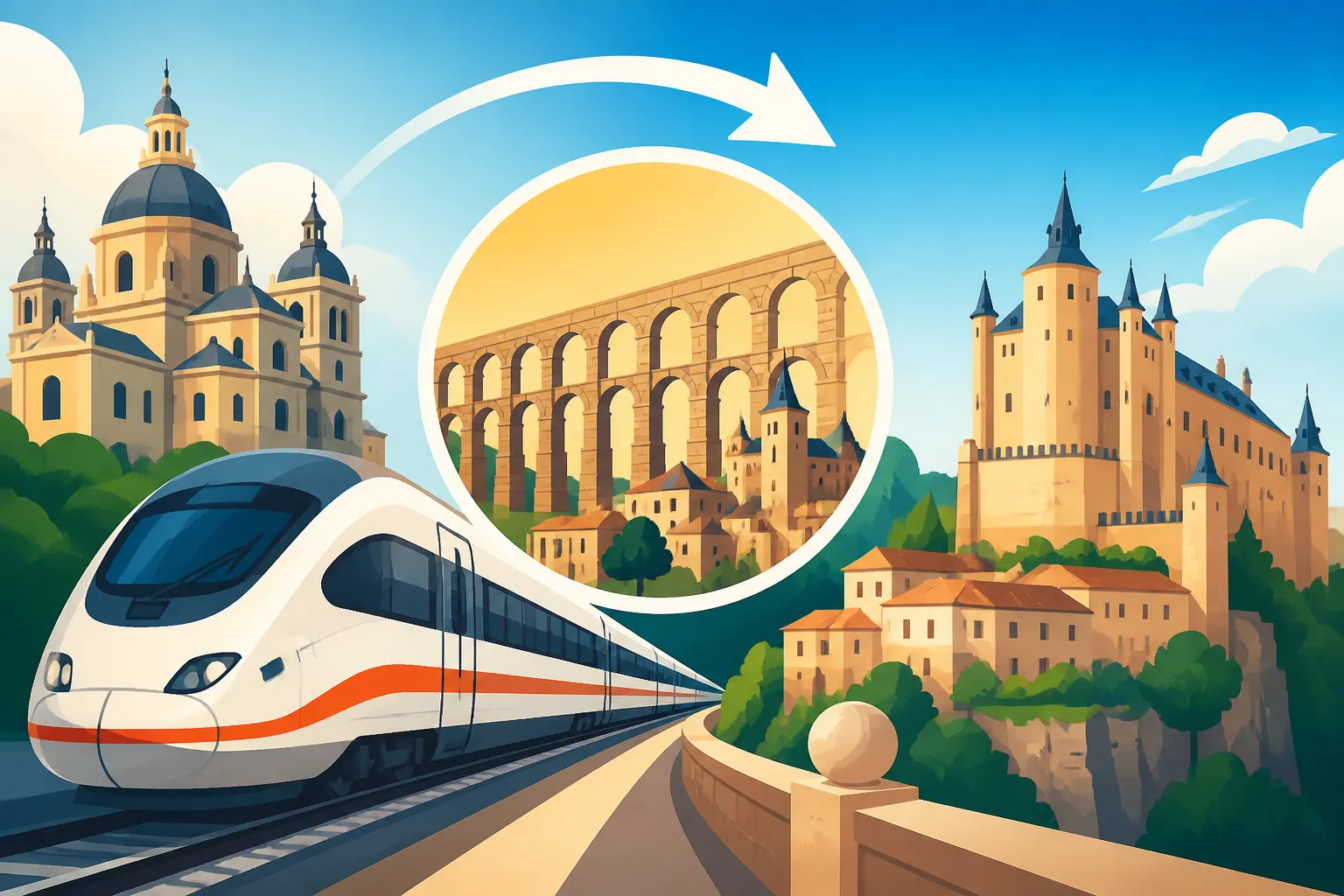
This is the route we recommend for a day trip, and it’s likely what you’ve heard referred to colloquially as the "AVE" train, although specifically for this route, it's often the AVANT service (a high-speed regional service). These trains are modern, comfortable, and, most importantly, incredibly fast. They whisk you from Madrid's Chamartín station to Segovia-Guiomar in a mere 27-30 minutes. That's faster than many commutes across Madrid itself!
The efficiency of the high-speed train means you maximize your time actually in Segovia, exploring the sights rather than spending hours on transport. The journey itself is smooth and pleasant, offering comfortable seating, air conditioning, and often a quiet atmosphere. For those of us who appreciate getting things done without fuss, this is the way to go. It removes any stress about traffic or long journey times, letting you truly relax and enjoy your day.
The Regional Train: A Slower, More Scenic Route (If Applicable)
While regional trains (Media Distancia or Cercanías) generally exist for connections within Spain, a direct and practical regional train option from Madrid to Segovia that competes with the high-speed service in terms of convenience for a day trip is not typically the recommended choice. In the past, there might have been a slower, older regional line, but it often involved longer travel times, potential transfers, and departures from different stations, making it less ideal for a quick day visit.
As of recent checks, the high-speed AVANT service is so dominant and efficient for the Madrid-Segovia route that it has largely superseded any slower direct regional options for practical day-trip purposes. If you were to look for a non-high-speed train, you'd likely find journeys that are significantly longer (2+ hours, sometimes with changes), often costing a similar amount or not offering enough savings to justify the time. So, while technically a "regional train" might exist for other routes, for Segovia, it's best to focus on the high-speed AVANT. The trade-off in travel time simply isn't worth it for most visitors looking to make the most of their day.
Here’s a quick comparison of the practical train options:
| Feature | High-Speed AVANT Train (Recommended) | Regional Train (Less Practical for Day Trip) |
|---|---|---|
| Travel Time | ~27-30 minutes | 2+ hours (often with transfers) |
| Departure | Madrid-Chamartín-Clara Campoamor | Varies, often Chamartín, but less direct |
| Arrival | Segovia-Guiomar | Segovia (main station, further from city) |
| Comfort | Modern, spacious, air-conditioned | Older trains, potentially less comfortable |
| Frequency | High | Low for direct, convenient routes |
| Cost (approx.) | €13-€20 one-way (depending on booking) | Similar or slightly less, but less value for time |
| Suitability | Ideal for day trips, maximizes time | Not recommended for efficient day trips |
Step-by-Step: Booking Your Train Tickets to Segovia
Booking your train tickets to Segovia is straightforward, but knowing the best platforms and methods can save you a headache, especially if you're not fully fluent in Spanish or just prefer doing things online.
Online Booking Platforms
For most expats, booking online is the most convenient way to secure your tickets, especially for the high-speed AVANT service which can sometimes sell out or have higher prices closer to the travel date.
-
Renfe's Official Website: This is the Spanish national rail operator. The website (www.renfe.com) is available in English, but let's be honest, it can sometimes be a bit clunky and frustrating to navigate, especially for first-timers. My best advice: be patient, make sure you select "Madrid – Chamartín – Clara Campoamor" as your origin and "Segovia – Guiomar" as your destination. You'll often see the AVANT service listed. Prices can fluctuate, so booking a week or two in advance can sometimes net you a better deal, though last-minute tickets are usually available.
-
Third-Party Booking Sites: This is where Omio and GetYourGuide can really shine, simplifying the process and often providing a more user-friendly experience.
- Omio is fantastic because it allows you to compare train, bus, and even flight options all in one place. It’s super intuitive, easy to use in English, and you can book your tickets directly through their platform. They often show you the best available prices and can be a lifesaver when Renfe's site is acting up. Many travellers use Omio for trips around Spain and Europe.
- While GetYourGuide is primarily known for tours and activities (we'll get to that!), some platforms similar to it or even within their offerings might assist with transport links or packages that include transport. For pure train tickets, Omio or Renfe directly are usually better, but it's always worth checking if a bundled tour package appeals to you, which might include round-trip transport from Madrid.
When booking online, remember to have your passport number or NIE handy, as this information is usually required for train tickets in Spain. You'll receive your tickets via email, which you can then show on your phone or print out. Easy peasy!
Buying Tickets at the Station
If you're more of a spontaneous traveler or prefer human interaction, you can absolutely buy tickets directly at Madrid-Chamartín-Clara Campoamor station.
-
Ticket Counters: Look for the "Venta de Billetes" (Ticket Sales) signs. There will be separate counters for long-distance/high-speed trains (usually labeled "AVE/Larga Distancia") and regional trains. Head for the high-speed section. Be prepared for a queue, especially during peak travel times like Friday afternoons or Monday mornings. While many staff members speak some English, having your destination written down ("Segovia Guiomar") and your desired time/date will make the transaction smoother.
-
Automated Ticket Machines: These are usually scattered throughout the station and offer a faster alternative if you're comfortable using them. They generally have an English language option. You can pay with a credit card or sometimes cash. Again, make sure you select "Segovia Guiomar" as your destination. These machines are a godsend if you're in a hurry and just need to grab a ticket without the wait.
My top tip: If you're buying at the station, try to arrive a bit earlier than you think you need to. Spanish queues can be unpredictable, and you don't want to be rushing to catch your train!
Getting to the Station and What to Expect on Arrival
Navigating public transport in a new city can be daunting, but Madrid's system is efficient once you get the hang of it. Knowing your departure station and what to do on arrival will make your Segovia adventure much smoother.
Navigating Madrid's Stations (Chamartín-Clara Campoamor)
Your high-speed AVANT train to Segovia will almost certainly depart from Madrid-Chamartín-Clara Campoamor station. This is one of Madrid's major transport hubs, located in the northern part of the city.
-
Getting There by Metro: The easiest way to reach Chamartín is by Metro. The station is on Line 1 (light blue) and Line 10 (dark blue). If you're coming from the city center, you'll likely take Line 10 directly from places like Nuevos Ministerios, Gregorio Marañón, or Plaza de España, or connect from other lines. The Madrid Metro is incredibly user-friendly; just follow the signs for "Chamartín" (or "Chamartín-Clara Campoamor" which is its full, updated name). Make sure you have your Metro card (Tarjeta Multi) topped up.
-
Getting There by Cercanías (Commuter Rail): Chamartín is also a major Cercanías hub, so if you're staying near another Cercanías station (like Atocha or Sol), you can take a commuter train directly there. Check the Renfe Cercanías app or station signs for the correct line and platform. This is a great alternative to the Metro if a Cercanías line is more direct from your accommodation.
-
Allow Plenty of Time: Spanish train stations, especially for high-speed services, often have security checks (like airport security for your bags) before you can access the platforms. It's not usually as intense as an airport, but it adds a few minutes. It is advisable to arrive at Chamartín at least 20-30 minutes before your scheduled departure time to allow for ticket validation, security, and finding your platform. Nothing worse than a mad dash through a busy station!
Arriving in Segovia: From Segovia-Guiomar to the City Center
Your high-speed train will arrive at Segovia-Guiomar station. Now, this is important: Segovia-Guiomar is not in the city center. It's a modern station located a few kilometers outside the historic core.
-
Bus Connection: The easiest and most common way to get from Segovia-Guiomar to the city center is by local bus. As you exit the train station, look for the bus stops. There's a dedicated local bus service (usually Line 11 or a similar designated route for the high-speed station) that runs regularly, specifically connecting the Guiomar station to the aqueduct and the main bus station in the city center. The journey takes about 15-20 minutes. You can buy your bus ticket directly from the driver (usually cash, a few euros) or at a ticket machine if available.
-
Taxi: Taxis are also readily available outside Segovia-Guiomar station. This is a quicker, more direct option if you're traveling with heavy luggage or prefer not to deal with public transport. Expect to pay around €8-€12 for the ride to the city center, depending on traffic and your exact destination. This can be a good option if you’re traveling with a small group and can split the fare.
-
Walk (Not Recommended): While technically possible, walking from Segovia-Guiomar to the city center is a long trek (around 45-60 minutes uphill) and not recommended, especially if you're trying to maximize your day trip time. Save your energy for exploring the historic sites!
Once the bus drops you off near the Aqueduct (Plaza del Azoguejo), you're right in the heart of Segovia and can start your exploration immediately.
Maximizing Your Day in Segovia
A day trip to Segovia is a whirlwind, but with a little planning, you can see all the highlights, enjoy some incredible food, and still feel like you had a relaxing escape from Madrid.
Planning Your Itinerary
With limited time, having a rough plan helps. Most people start at the Roman Aqueduct, which is usually where the bus drops you off from Segovia-Guiomar. From there, it's a pleasant walk uphill through the charming streets towards the Plaza Mayor and the Cathedral. The Alcázar is typically the last major stop, located at the far end of the city.
Here’s a possible flow:
- Morning (10:00 AM – 1:00 PM): Arrive, take the bus to the Aqueduct. Spend time admiring it, then walk through the city towards the Cathedral. Explore the Cathedral's interior and the surrounding Plaza Mayor.
- Lunch (1:00 PM – 2:30 PM): This is Spain, so it’s time for a proper lunch! Find a spot for the famous cochinillo.
- Afternoon (2:30 PM – 5:30 PM): Head to the Alcázar. Explore the castle, climb the tower for views, and wander the gardens.
- Late Afternoon (5:30 PM – 7:00 PM): Enjoy a leisurely walk back through the city, maybe grab some souvenirs, or have a final coffee/drink before heading back to Segovia-Guiomar station for your return train.
Remember that Spanish sites often have reduced hours or close earlier in winter, so always check opening times in advance, especially for the Alcázar and Cathedral. Consider picking up your tickets for these sites beforehand or upon arrival to save queuing time.
Food, Glorious Food: Cochinillo and More
You simply cannot go to Segovia and not try the cochinillo asado, or roast suckling pig. It's the city's culinary claim to fame, and for good reason. The piglet is roasted until the skin is incredibly crispy and golden, while the meat remains melt-in-your-mouth tender. Traditionally, it's so tender that it's carved with a plate, not a knife, to prove its perfection.
Popular spots like Mesón de Cándido (right by the Aqueduct) or Restaurante José María are famous, but many restaurants around the city offer this specialty. It’s definitely a splurge, but for a unique experience, it's worth it. If pork isn't your thing, Segovia also offers other Castilian delights like judiones de La Granja (large white beans stew) or ponche segoviano (a delicious local sponge cake with custard and marzipan). Don’t forget to enjoy some local wine from the nearby Ribera del Duero region. Eating is a central part of Spanish culture, so make sure to savor this aspect of your trip!
Guided Tours and Experiences
If you prefer a more structured visit or want to delve deeper into Segovia's history, consider booking a guided tour. Platforms like GetYourGuide offer a variety of tours that often include skip-the-line access to major attractions or even round-trip transportation from Madrid, which can be fantastic if you want a completely hands-off experience.
A local guide can bring the history of the Aqueduct, the Cathedral, and the Alcázar to life with fascinating stories and insights you might miss on your own. Some tours might also include a culinary experience, ensuring you taste the best of Segovia. For example, you might find a walking tour that includes a stop at a traditional restaurant for a tapas experience or a cochinillo tasting. If you're traveling solo or just want to connect with other travelers, a group tour can be a great way to explore. It's worth browsing what's available on GetYourGuide before your trip to see if something catches your eye and fits your budget.
Essential Tips for a Smooth Trip
After years of living here, I’ve learned a few things that can make or break an outing.
Language and Communication
While Segovia is a popular tourist destination, not everyone will speak fluent English, especially in smaller shops or local eateries. Learning a few basic Spanish phrases can go a long way. "Hola" (hello), "Gracias" (thank you), "Por favor" (please), "La cuenta, por favor" (the bill, please), and "Un billete para Segovia-Guiomar" (one ticket for Segovia-Guiomar) will serve you well. Don't be shy about trying; locals generally appreciate the effort. You can also rely on translation apps like Google Translate, but having some phrases ready makes things smoother. If you’re ever stuck with a medical term, remember that having some Spanish Medical Terminology: Common Words Expats Should Know can really help.
What to Wear and Bring
Segovia's historic center is primarily cobblestone streets and hills, so comfortable walking shoes are an absolute must. Trust me on this one; blisters are no fun. Depending on the season, layer your clothing, as temperatures can vary. Summers can be hot, so bring water, sunscreen, and a hat. Winters can be chilly, so a warm coat, scarf, and gloves are advisable. Always carry a small backpack with essentials: water, snacks, a portable charger for your phone (all those photos!), and perhaps a light jacket even on warm days, as the Alcázar can be cooler inside.
Public Holidays and Opening Hours
Spain loves its fiestas and puentes (long weekends), and Segovia is no exception. Major attractions might have different opening hours or even be closed on national or local holidays. Always check ahead! The same goes for restaurant opening times; while lunch is usually from 1:30 PM to 4:00 PM, dinner often doesn't start until 8:30 PM or 9:00 PM. This is part of the charm of Spanish Customs, Etiquette, and Social Life, but it's good to be aware when planning meals. Being caught out by unexpected closures can be a real dampener on a well-planned day.
Getting Around Segovia
Once you're in the city center, Segovia is a very walkable city. All the major attractions are within easy reach of each other, though be prepared for some uphill climbs, particularly to the Cathedral and Alcázar. There's no need for internal public transport within the historic core; your feet are your best friends here. Just take your time, enjoy the views, and let the city unfold around you. If you’re ever planning on exploring more of the country, knowing how to use High-Speed Trains in Spain AVE: Routes, Booking, and Savings could be incredibly useful.
Ready for Your Segovia Adventure?
Visiting Segovia by train from Madrid is one of those quintessential Spanish experiences that combines stunning history, beautiful architecture, and mouth-watering cuisine into one unforgettable day. It's a journey that's easy to plan, comfortable to execute, and profoundly rewarding. From the moment you step off that high-speed train, you'll feel the weight of centuries of history surrounding you, ready to be explored. So go ahead, book that ticket, savor that cochinillo, and make some incredible memories. Spain is waiting for you, and Segovia is a brilliant place to start or continue your adventure.
If you’re planning more adventures across the country, check out our guide on Traveling Around Spain: Trains, Buses, Flights, and Car Hire. And for those who are still settling in, make sure you know How to Get a Spanish Health Card Tarjeta Sanitaria: Step-by-Step to access healthcare during your stay.
Disclaimer
The information provided in this guide is for general informational purposes only and is subject to change. While we strive to keep the content up-to-date, train schedules, prices, and opening hours for attractions can vary. We recommend checking official Renfe websites, attraction websites, and local transport information closer to your travel date. Always exercise caution and be aware of your surroundings when traveling.