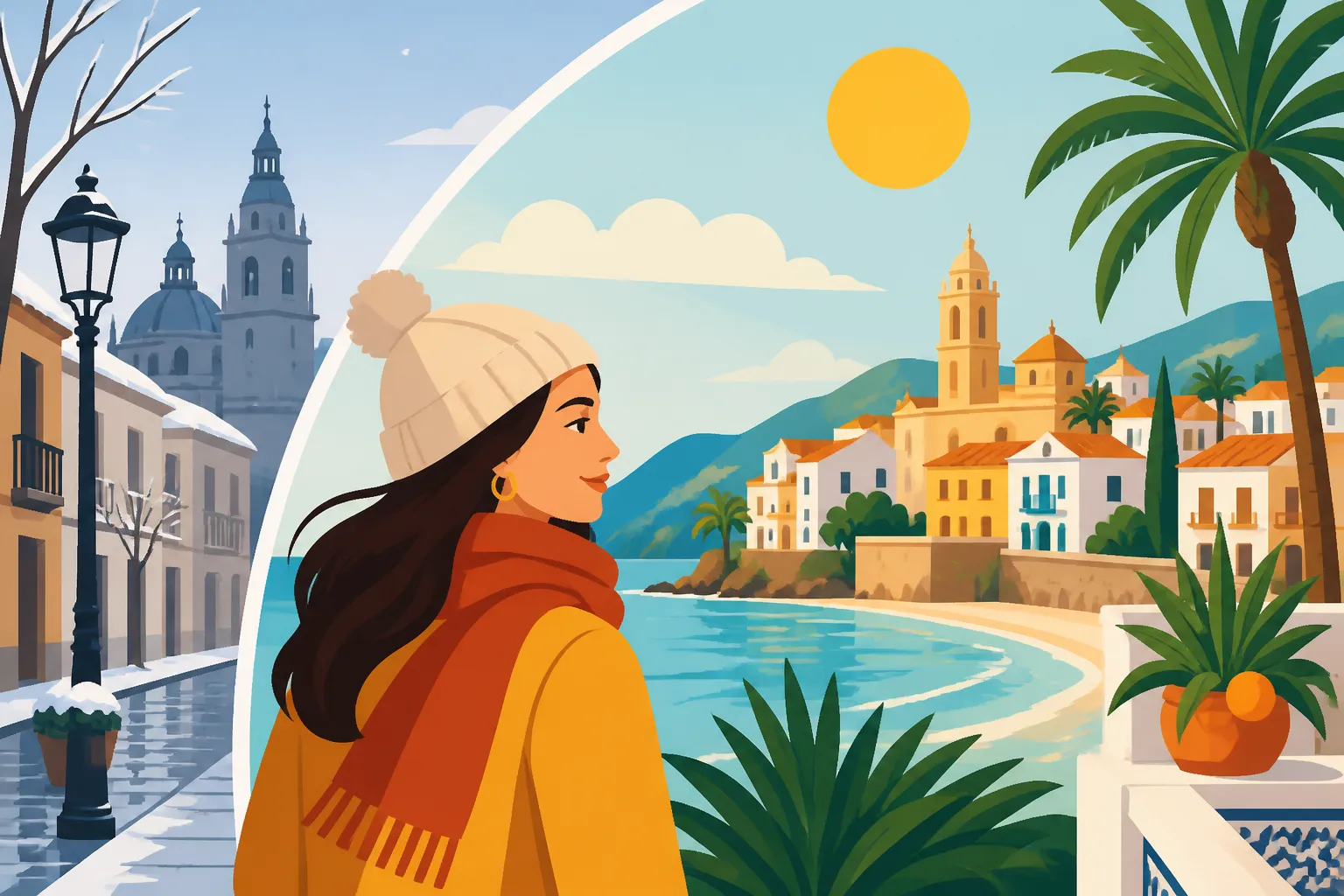
Visiting Spain in Winter: Quiet Cities and the Mild South
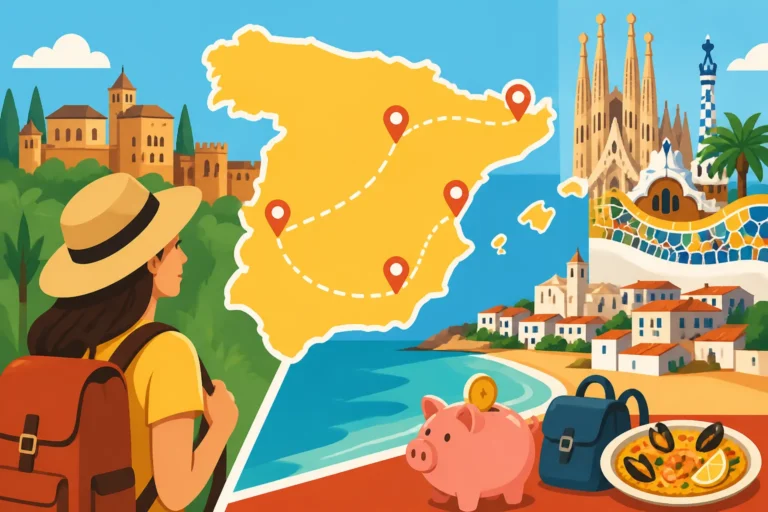
Most travelers picture Spain as a sun-drenched paradise of summer beaches and crowded terraces, but they often miss the country’s most authentic season. I remember my first January in Seville; I expected dreary rain but instead found piercing blue skies and a quiet plaza where I could sip coffee without a single tourist in sight. This guide explores why visiting Spain in winter is the ultimate way to see its quiet cities and experience the mild south.
Disclosure: This post may contain affiliate links. We may earn a commission at no extra cost to you if you make a purchase through these links. Read full disclosure.
The Strategic Advantage of a Spanish Winter
There is a specific kind of magic that happens in Spain once the August crowds have dispersed and the autumnal rains have washed the dust off the cobblestones. For the veteran expat, winter is when we finally get "our" Spain back. The frantic energy of the high season is replaced by a dignified, slower pace of life. You aren't just a number in a queue; you are a guest in a neighborhood.
Financial Benefits and Better Availability
One of the most immediate perks of traveling between November and March is the drastic shift in your budget's purchasing power. In cities like Madrid, Barcelona, and Seville, accommodation prices can drop by as much as 40% to 60% compared to the peak summer months. Using a platform like Booking.com during this period allows you to snag boutique hotels or historic "paradores" that would otherwise be far beyond a modest travel budget.
Beyond just the price of the room, you’ll find that availability is no longer a source of stress. You can often book a table at a Michelin-starred restaurant or a popular local bistro only a day in advance, rather than weeks. This flexibility is a luxury that summer travelers simply do not have. It allows for a more spontaneous journey where you can follow local recommendations rather than a rigid, pre-planned itinerary.
The Cultural B-Side of Spain
When the heat fades, the cultural life of Spain moves indoors and becomes significantly more intimate. This is the season of local theater, classical concerts in historic churches, and the deep, soulful flamenco performances that cater to locals rather than busloads of tourists. Without the distractions of "sun and sand," you are forced to engage with the history and soul of the cities.
The lines at major monuments like the Alhambra in Granada or the Royal Palace in Madrid shrink to almost nothing. In the summer, these places can feel like theme parks. In the winter, they feel like the historical sanctuaries they are. You can take your time to admire the intricate Moorish tiles or the Goya paintings without someone’s selfie stick in your peripheral vision. To truly appreciate the scale of these sites, you need the silence that only a winter morning provides.
Southern Comfort: Andalusia and the Mediterranean Coast
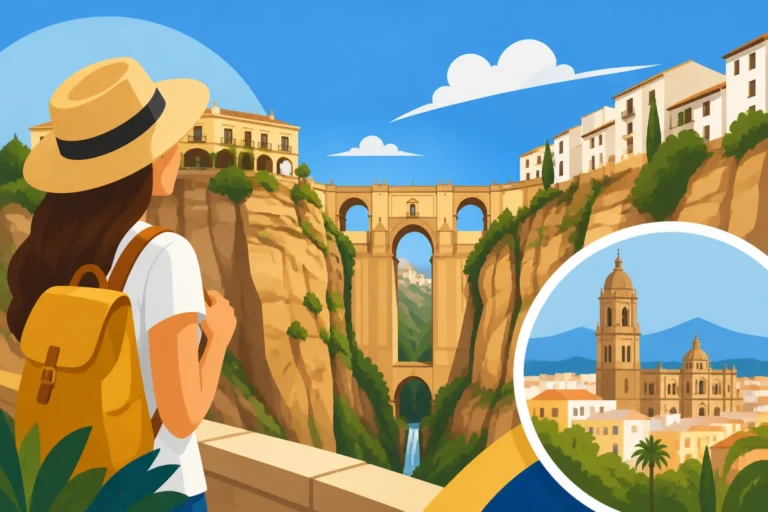
If you are looking to escape a harsh northern winter, the south of Spain is your sanctuary. While "winter" in the UK or Germany means grey skies and slush, winter in Andalusia often means 18 degrees Celsius and brilliant sunshine. It is a dry, crisp warmth that makes walking the hills of the Albaicín or the streets of Cádiz an absolute joy rather than a sweaty ordeal.
The Magic of an Andalusian January
Andalusia in winter is a revelation. While the evenings do get chilly, requiring a solid coat, the daylight hours are often warm enough for lunch on a terrace. Many foreigners find that What's the Best Month to Visit Andalusia? depends entirely on their tolerance for heat, and for many, January is the clear winner. The orange trees in Seville and Cordoba are heavy with fruit during this time, providing a vibrant splash of color against the white-washed walls.
The Sierra Nevada mountains also provide a unique seasonal contrast. You can spend the morning skiing on world-class slopes near Granada and be sitting on the tropical coast of Motril by late afternoon. This geographical diversity is one of Spain's greatest assets. In the cities, the absence of the oppressive summer heat means you can actually enjoy the local gastronomy. A heavy stew like cocido or a rich rabo de toro (oxtail) feels right in the cool air, whereas in July, you’d likely settle for a salad and a quick exit.
Coastal Escapes Without the Sun Loungers
The Mediterranean coast—the Costa del Sol, Costa Blanca, and the Costa Brava—undergoes a total transformation in winter. The high-rise resorts might be quiet, but the traditional fishing villages and coastal towns breathe a sigh of relief. This is the time to visit the coastal paths (Cami de Ronda) in Catalonia or the white villages of Cádiz.
The sea is too cold for most people to swim, but the beaches are perfect for long, meditative walks. You’ll see locals walking their dogs, artists with easels, and the occasional brave surfer. If you’ve ever found the crowded beaches of the Mediterranean stressful, you will find the winter version incredibly healing. It is also a great time to explore the regional differences in the Spain Healthcare System for Expats: Public vs Private if you are considering a permanent move to the coast, as you can see how local services handle the year-round population without the seasonal surge.
The Urban Experience: Madrid and Barcelona in the Cold
The two great metropolises of Spain, Madrid and Barcelona, are distinct entities in the winter. Madrid is high on a plateau, meaning it gets genuinely cold and dry, while Barcelona remains more temperate but can feel damp. Both offer a world-class urban experience that is significantly enhanced by the lack of summer humidity.
Madrid’s Radiant Blue Skies
Madrid is famous for its "Velázquez skies"—a deep, cloudless blue that persists even when the temperature is near freezing. The city feels incredibly alive in winter. The museums, such as the Prado, Reina Sofia, and Thyssen-Bornemisza, are warm havens of culture. When I lived there, I spent many Sunday mornings in the Retiro Park; even in December, the sun is strong enough that people sit on the grass in their coats, soaking up the Vitamin D.
Because the city isn't built for extreme cold, the lifestyle adaptations are charming. You’ll find "churrerías" packed with people dunking fried dough into thick chocolate—the ultimate winter comfort food. To make the most of the city, checking out a guide like Madrid for First-Time Visitors: Neighborhoods and Highlights can help you find the districts with the best "castizo" (traditional) winter atmosphere, such as La Latina or Chamberí.
Barcelona’s Authentic Neighborhood Vibe
Barcelona in winter is far more relaxed. The Gothic Quarter, which can feel like a labyrinth of tourists in July, returns to being a neighborhood. You can hear the sound of your own footsteps on the stone. The Modernist architecture of Gaudí, like the Sagrada Familia and Casa Batlló, looks spectacular in the low winter light, which highlights the textures and colors of the mosaics in a way the harsh summer sun flattens.
One of the great joys of a Barcelona winter is the "Calçotada." Starting in January, locals gather to eat charred spring onions (calçots) dipped in romesco sauce. It is a messy, communal, and deeply Catalan tradition that tourists rarely see in the summer. It’s also an excellent time to look into Spanish Meal Times and Dining Etiquette Explained because the city's restaurants focus more on their local clientele during these months, meaning the service and food quality often see a subtle uptick.
Logistics, Planning, and Packing
Traveling through Spain in winter requires a slightly different approach than a summer holiday. You aren't just packing shorts and flip-flops; you need layers, a strategy for the shorter days, and a realistic understanding of the regional climates.
Transport and Connectivity
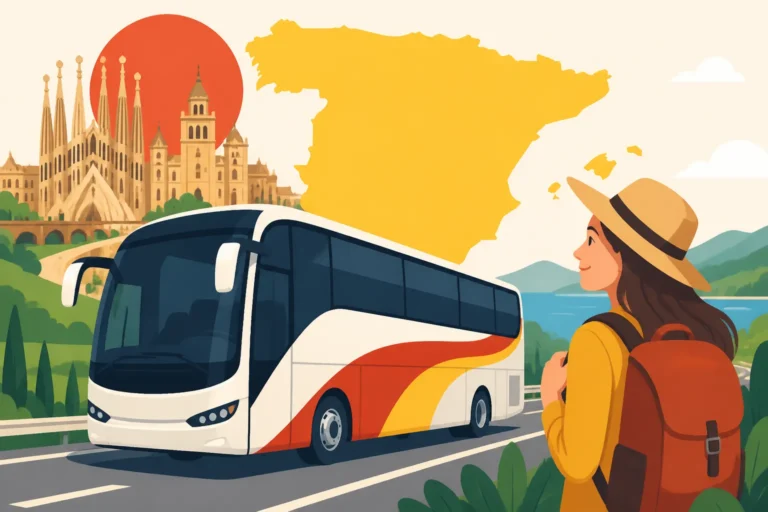
The Spanish rail network is one of the best in the world, and in winter, it is rarely disrupted by weather. Using a service like Omio to compare the AVE high-speed trains with regional coaches is highly recommended. You can travel from the snowy peaks of the north to the sunny plazas of the south in just a few hours.
If you are planning to head into the rural areas or the mountains, Renting a Car in Spain: Requirements, Insurance, and Driving Tips is essential. Be aware that while snow is rare on the coast, the central mountains and the northern regions can have significant snowfall. Spanish rental cars in the south rarely come with winter tires or chains unless you specifically request them, so always check the weather for your route if you are crossing the Meseta (the central plateau).
Staying Warm Indoors and Outdoors
One of the most surprising things for new visitors is that it often feels colder inside a Spanish house than it does outside. This is because many buildings are designed to stay cool in the summer and have poor insulation. When booking your stay, check if the property has central heating or "air-conditioning with heat pump." If you are an expat looking at long-term rentals, understanding Heating and Cooling a Spanish Home: Costs and Practical Tips is vital to avoid a massive electricity bill in February.
| City | Average High (°C) | Average Low (°C) | Crowd Level | Recommended Activity |
|---|---|---|---|---|
| Seville | 16 | 6 | Low | Orange Blossom Walks |
| Madrid | 10 | 1 | Medium | Museum Hopping |
| Barcelona | 14 | 5 | Medium | Modernist Architecture |
| Granada | 12 | 1 | Low | Alhambra at Sunset |
| Las Palmas | 21 | 15 | High | Beach & Surfing |
Winter Festivals and Traditions
Winter in Spain is punctuated by some of the country’s most important cultural events. Far from being a "dead" season, the period from December to February is a marathon of celebration, religious devotion, and local folklore.
Navigating the Holidays
The Christmas season in Spain is long, lasting from the "Lotería de Navidad" on December 22nd until the Epiphany on January 6th. The highlight for most is the "Cabalgata de Reyes" (Three Kings Parade) on the night of January 5th. It is a spectacle of floats, camels, and tons of candy being thrown into the crowds. This is a family-focused time, and you should check Christmas and Three Kings in Spain: Traditions Explained to understand why January 6th is more important than December 25th for many Spanish children.
Note that Public Holidays in Spain: How They Affect Travel and Opening Hours can be tricky in winter. On December 25th, January 1st, and January 6th, the country effectively shuts down. Don't expect to go grocery shopping or find many open museums on these days. It is a time for family, and as a visitor, the best thing you can do is join the locals for a "Paseo" (evening stroll) to look at the lights.
Regional Winter Gastronomy
As the temperature drops, the "platos de cuchara" (spoon dishes) come out. In the north, you have the hearty Fabada Asturiana (bean stew), while in Madrid, the three-course Cocido Madrileño is a winter rite of passage. If you are eating out, look for the What Is a 'Menú del Día' and How Does It Work? sign; in winter, these menus often feature incredible lentil stews or chickpea dishes that provide the perfect fuel for a day of sightseeing.
Don't forget the seasonal treats. Winter is the only time you’ll find authentic turrón (nougat) and polvorones (shortbread) in the markets. In the south, the olive harvest is in full swing during November and December. Visiting an oil mill during this time allows you to taste "oil in rama"—unfiltered, vibrant green olive oil that has a peppery kick you simply won't find in a supermarket bottle.
Staying Healthy and Prepared
While Spain is generally safe and healthy, the winter brings its own set of considerations. The air in the central plateau can be very dry, which can affect your skin and respiratory system. Conversely, the humidity in coastal cities can make the cold "seep into your bones."
Health Precautions for the Season
If you are traveling with children or are elderly, it is worth checking the local Staying Healthy in Spain: Preventive Care, Vaccines, and Wellness guidelines. Flu season usually peaks in January and February. Spanish pharmacies are excellent resources for minor ailments, but if you have a chronic condition, ensure you have your prescriptions sorted before the holiday shutdowns.
The sun remains strong even in winter, especially in high-altitude cities like Granada or Segovia. It is very easy to get a "winter burn" while walking around all day. Sunscreen is still a requirement, not an option. Also, stay hydrated; because you aren't sweating like you would in August, it is easy to forget to drink enough water while exploring the quiet, windy streets of Toledo or Ávila.
Why the "Slow Travel" Approach Wins in Winter
The best way to enjoy Spain in winter is to embrace "slow travel." Instead of trying to hit five cities in ten days, choose two and really live in them. Use GetYourGuide to find local walking tours that focus on history rather than just the "top 10" sights. Spend your afternoons in a local library or a historic café.
Winter allows you to see the "real" Spain—the one where the waiter remembers your coffee order after two days, and where you can sit on a park bench and watch the world go by without feeling like you're in a transit hub. It is the season of reflection, of deep red wine, of crackling fires in rural "casas rurales," and of the most beautiful sunsets you will ever see over the Atlantic or Mediterranean.
Disclaimer
The information provided in this guide is for general informational purposes only. While every effort has been made to ensure accuracy as of 2026, travel conditions, local laws, and opening hours in Spain can change frequently. Readers are advised to verify specific details with local authorities or official service providers before making travel arrangements. This guide does not constitute legal, financial, or professional medical advice.