Heating and Cooling a Spanish Home: Costs and Practical Tips
Many new arrivals in Spain expect year-round sunshine only to find their apartments are literal iceboxes in January and ovens by July. I remember huddling under three blankets in my first Madrid flat because I didn't understand how the radiators worked or why the floor was so cold. This guide breaks down every heating and cooling option, the hidden costs, and how to survive the Spanish climate without breaking the bank.
Disclosure: This post may contain affiliate links. We may earn a commission at no extra cost to you if you make a purchase through these links. Read full disclosure.
The Reality of the Spanish Climate and Building Construction
One of the biggest shocks for expats moving to the Iberian Peninsula is the indoor temperature. While the images of sun-drenched plazas are real, the construction of many Spanish buildings—especially those built between the 1960s and 1990s—was designed to keep heat out, not in. This results in a "cave effect" where your home can feel significantly colder than the street during the winter months.
Why Spanish Homes Feel Colder Than Expected
The primary culprit is a lack of insulation. In many older buildings, there is no "thermal break" in the windows or walls. This means that if it is 5 degrees Celsius outside, the interior side of your wall will be radiating that same cold directly into your living room. Additionally, the traditional Spanish flooring choice—ceramic tiles or stone—is wonderful for the summer but acts as a heat sink in the winter, sucking the warmth right out of your feet.
I quickly learned that the "outdoor lifestyle" isn't just a cultural choice; it is often a necessity because the air outside is warmer than the air inside. When you are looking for a place to live, it is vital to check the orientation of the apartment. A north-facing flat will save you from the blistering sun in August but will be an expensive nightmare to heat in December. You might want to consult a guide on Choosing a Neighborhood in Spain: How to Research Before You Move to understand how local geography impacts your daily comfort.
The Importance of Insulation and Double Glazing
If you are moving into a renovated flat, look for "Climalit" windows. This is the common brand name for double-glazed windows in Spain. Without them, you will find yourself fighting a losing battle against drafts. Many older apartments still use sliding aluminum windows that have almost zero sealing. When the wind blows in cities like Zaragoza or Burgos, you can actually see the curtains move even when the windows are shut.
If you are currently browsing for a new home, using a platform like Spotahome can be incredibly helpful because they often provide detailed video tours and list specific amenities like double glazing or centralized heating. It allows you to filter out the "iceboxes" before you ever set foot in the country. Improving your insulation is the single most effective way to manage your Utility Costs in Spain: Electricity, Gas, Water Basics.
Regional Differences The North vs the South
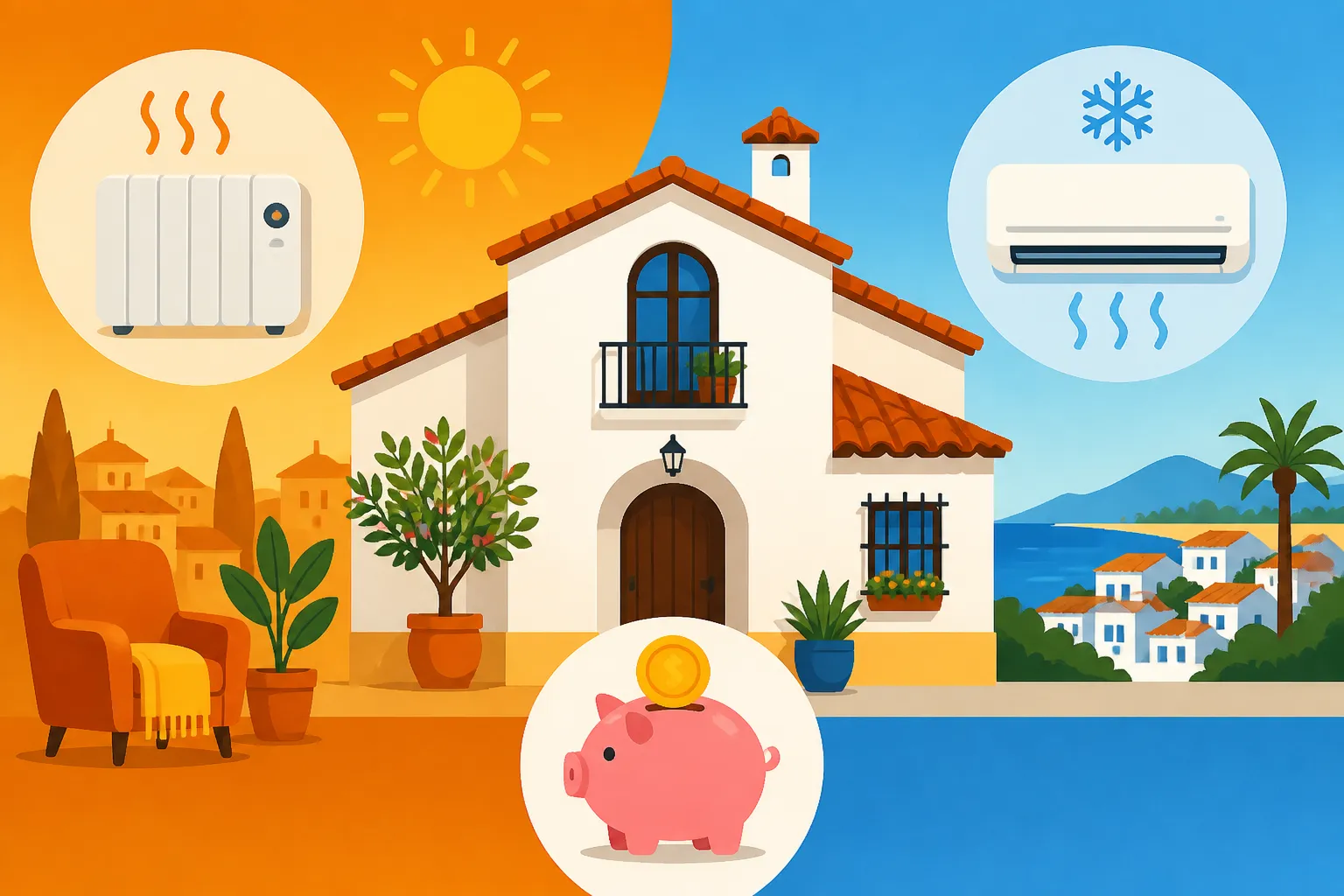
Spain is not a monolith. The heating needs of someone in Oviedo are vastly different from someone in Seville. In the north, "Green Spain," you will need a robust heating system for at least six months of the year. Rainfall is high, and humidity can make a 10-degree day feel like zero. Conversely, in the south, you might only turn the heat on for a few weeks in January, but your air conditioning will be running a marathon from June to September.
In Madrid and the central plateau, you get the worst of both worlds: scorching summers and biting winters.
Common Heating Systems in Spanish Homes
When you start viewing apartments, you will encounter a variety of heating methods. Some are modern and efficient, while others are relics of a time when electricity was cheap and insulation didn't matter. Knowing the difference can save you hundreds of Euros in your first winter.
Natural Gas Central Heating
This is widely considered the gold standard for heating in Spain. If a building has "gas natural," it usually means there is a boiler (caldera) in the kitchen or laundry area that provides both hot water and heating via water-filled radiators. It is generally the most cost-effective way to keep a whole apartment warm.
However, you need to be aware of the "Calefacción Central" system found in older, larger buildings. In this setup, the entire building turns the heat on and off at specific times determined by the community of owners. I once lived in a flat where the heat didn't come on until November 15th, regardless of how cold it was, and it shut off strictly at 11:00 PM. This is a crucial detail to check in How Spanish Rental Contracts Work: Key Clauses Explained.
Electric Radiators and Calor Azul
You will often see apartments advertised with "calor azul" or blue heat. Do not be fooled by the marketing; these are simply electric radiators filled with a special oil. While they are "clean" and easy to install, they are incredibly expensive to run if they are your primary heat source. Electricity prices in Spain have fluctuated wildly in recent years, and relying on electric resistance heating is the fastest way to see a 300-Euro monthly bill.
If you find yourself in a flat with only electric heaters, it is worth looking into Typical Utility Bills in Spain: Electricity, Gas, Water (Examples) to see how you can budget for these spikes. Many expats prefer to buy a high-quality portable gas heater (estufa de butano) as a supplement, though these require careful ventilation to avoid carbon monoxide risks.
Air Source Heat Pumps and AC Units
Many modern apartments use "Bomba de Calor" (Heat Pump) technology, which is often built into the air conditioning system. This is an efficient way to heat a room quickly, but it has a significant drawback: the heat stays in the air and doesn't warm the walls or floors. As soon as you turn the unit off, the room cools down almost instantly. It also tends to dry out the air, which can be uncomfortable for your skin and throat.
| System Type | Efficiency | Average Monthly Cost (Winter) | Best Suited For |
|---|---|---|---|
| Natural Gas | High | €60 – €120 | Entire apartments in cold regions |
| Electric (Blue Heat) | Low | €150 – €250 | Small studios or guest rooms |
| Heat Pump (AC) | Medium | €80 – €130 | Quick bursts of heat in milder climates |
| Butane Gas Heater | High | €15 – €30 (per bottle) | Targeted heating in specific rooms |
Strategies for Staying Cool During the Spanish Summer
The Spanish summer is not just a season; it is an atmospheric event you must prepare for. In cities like Córdoba or Madrid, temperatures can stay above 30 degrees Celsius even at midnight. Staying cool is about more than just turning on the AC; it’s about mastering the traditional "architecture of shadow."
Master the Persiana Culture
The most important tool in your cooling arsenal is the "persiana"—the heavy, external rolling shutters found on almost every Spanish window. Many foreigners make the mistake of leaving these open during the day to let in light. This is a fatal error. To keep a Spanish home cool, you must close the shutters completely the moment the sun starts hitting that side of the building.
The goal is to prevent the sun's rays from ever touching the glass of your windows. Once the heat passes through the glass, it is trapped inside your home. By mid-afternoon, your apartment should be as dark as a cinema. It feels strange at first, but you will quickly realize why the locals live this way. You can find more practical daily life advice in the Living in Spain as a Foreigner: Complete Housing & Daily Life Guide.
Choosing and Using the Right Air Conditioning
If you are lucky enough to have "Aire Acondicionado," use it wisely. Most Spanish units are "Inverters," which are more efficient if left running at a steady temperature (like 24 or 25 degrees) rather than being blasted at 18 degrees for an hour and then turned off.
Before you move in, check if the AC is "Centralizado" (ducted through the whole house) or a "Split" (a unit on the wall in one or two rooms). Ducted AC is much quieter and more effective, but it will consume more power. If your rental doesn't have AC, you might consider buying a portable unit from Amazon Spain. While noisy and less efficient, they can be a lifesaver during a "Ola de Calor" (heatwave). For more on managing these costs, see Is Air Conditioning Worth It in Spain? Cost and Comfort Guide.
Low Energy Alternatives Ceiling Fans and Cross Ventilation
Do not underestimate the power of a good "ventilador de techo" (ceiling fan). In coastal areas where the humidity is high, a fan is often more effective at making you feel cool than a dry AC unit. Furthermore, a fan costs about 10% of what an AC unit does to operate.
The traditional "corriente" or cross-breeze is the other secret. At night, when the temperature finally drops, open every window and door in the house to let the air move through. However, be warned that in the height of summer, the air outside might still be 30 degrees at 2:00 AM, in which case opening the window just lets the heat in.
Managing Utility Costs and Understanding Your Bill
The Spanish electricity bill is notoriously difficult to read. It isn't just about how much energy you use; it is about how much "capacity" you have contracted. If you don't understand this, you will either pay too much every month or find your power cutting out every time you try to cook and heat the house at the same time.
Decoding the Potencia Contratada
In Spain, you pay for a specific "Potencia" (kilowatts). Think of this as the "width" of the pipe coming into your house. If you have a Potencia of 3.3kW and you turn on the oven, the washing machine, and a space heater, your "plomos" (fuses) will blow. This is controlled by the ICP (Interruptor de Control de Potencia).
New expats often struggle with this. You might be tempted to increase your Potencia to 5.5kW or higher to avoid the power tripping, but be careful: the fixed cost of your bill is based on this number. You pay for it even if you are on vacation and use zero electricity. Learning How to Understand ‘Potencia’ on Your Spain Power Contract is essential for long-term budgeting.
Time of Use Tariffs (Discriminación Horaria)
Most Spanish electricity contracts now come with "tramos horarios" (time slots). There are "Punta" (expensive), "Llano" (medium), and "Valle" (cheap) periods. The cheap periods are usually from midnight to 8:00 AM and all day on weekends and national holidays.
If you can shift your "heavy" heating or cooling tasks—like running the dishwasher or the laundry—to these times, you can save a significant amount. It helps to set the timer on your AC or heater to pre-cool or pre-heat the house during the cheaper hours. If you are still setting up your home and need to stay connected while researching these tariffs, an eSIM from Airalo is a great way to ensure you have data before your home fiber is installed.
Hidden Costs Community Fees and Maintenance
If you live in a building with central heating, the cost is often included in your "gastos de comunidad" (community fees). However, Spain is moving toward a system of individual meters (contadores individuales) even in central systems. This means you will get a base bill for the building's maintenance plus a variable bill for your specific consumption.
Always ask the landlord for a "Certificado de Eficiencia Energética" (Energy Efficiency Certificate). This document is legally required and gives the apartment a rating from A to G. An 'E' or 'F' rated flat will cost significantly more to keep comfortable than a 'B' or 'C' rated one. You can find out more about these requirements in Energy Efficiency Certificates in Spain: What Buyers and Renters Should Know.
Practical Tips for Renters and New Homeowners
Whether you are renting or buying, the thermal comfort of your home will dictate your quality of life more than the view or the neighborhood. Here is what you should look for during your search and how to handle issues once you move in.
What to Check Before Signing a Lease
Never view an apartment in the spring or autumn and assume it will be comfortable year-round. Look for the "radiadores." If they are small and made of thin aluminum, they might not be enough for a large room with high ceilings. Look for the external unit of the air conditioner; if it looks rusty and twenty years old, it will be loud and expensive to run.
Check the seals on the doors. A common issue in Spanish apartments is a large gap under the front door that lets in hallway drafts. These are the small details that make a huge difference in your Spain Relocation Checklist: First 30 Days for New Residents. If you are booking remotely, ensure the platform or agent provides high-resolution photos of the heating units.
Negotiating Upgrades with Landlords
If you find the perfect flat but the heating is inadequate, you might be able to negotiate. In Spain, landlords are generally responsible for providing a "habitable" environment, but "comfort" is subjective. If you agree to a long-term lease, you could suggest that the landlord installs a modern heat pump in exchange for a slightly higher rent or a longer commitment.
Always get any agreements regarding repairs or improvements in writing. Communication styles in Spain can be informal, but when it comes to money and utilities, a paper trail is your best friend. Refer to Tenant vs Landlord Responsibilities in Spain: Repairs and Maintenance for a clearer picture of who pays for what.
Essential Gear for Your First Month
When you first arrive, you probably won't have your utilities fully optimized. I highly recommend a few immediate purchases from Amazon Spain to bridge the gap. A dehumidifier is essential in coastal cities like Barcelona or Valencia; high humidity makes the cold feel wetter and the heat feel stickier.
Also, invest in "burletes"—self-adhesive foam strips to seal window gaps. They cost five Euros and can reduce your heating bill by 10%. Finally, buy a "nórdico" (duvet) with a high tog rating. Spaniards rely heavily on heavy bedding to save on heating costs at night.
Sustainable and Low-Cost Hacks
If you are looking to be more eco-friendly or simply want to keep your bills as low as possible, there are several "hack" strategies that work specifically well in the Spanish context.
Draft Excluders and Window Films
Besides the "burletes" mentioned above, consider using thermal curtains. These are thick, heavy drapes that you close at night to provide an extra layer of insulation over the glass. In the summer, you can also buy reflective window films that block UV rays without completely darkening the room, though your landlord might have opinions on these if they change the exterior look of the building.
Smart Thermostats and Home Automation
If your apartment has individual gas heating, installing a smart thermostat like Tado or Nest can pay for itself in one winter. These systems allow you to control the heat from your phone, meaning you can turn it off when you leave for "cañas" with friends and turn it back on 20 minutes before you get home. Since many Spanish boilers are compatible with standard European smart home tech, this is often a simple DIY job.
Proper Maintenance and Efficiency Checks
Every year, before the cold sets in, you should "purgar los radiadores" (bleed the radiators). Air gets trapped in the pipes over the summer, preventing hot water from filling the radiator completely. If the top of your radiator is cold but the bottom is hot, it needs bleeding.
Similarly, clean the filters on your AC units every spring. Dust buildup in Spanish cities (especially with the "calima" dust storms from the Sahara) can reduce the efficiency of your AC by 30%. These simple maintenance tasks are part of the Home Maintenance in Spain: Finding Reliable Tradespeople knowledge base that every expat eventually acquires.
Disclaimer
This guide is intended for informational purposes only and does not constitute professional financial, legal, or engineering advice. Energy prices, local regulations, and building standards in Spain can change frequently. Always consult with a qualified technician or your utility provider before making significant changes to your home’s heating or cooling systems. Additionally, ensure that any modifications to a rental property are approved by your landlord in writing to avoid potential legal disputes or the loss of your security deposit.