Spain’s Tourist Tax by Region: Catalonia, the Balearics, and What You Pay
One of the most common surprises that hits new arrivals and even seasoned visitors to Spain isn't the late dinner times or the vibrant festivals – it's often the unexpected "tourist tax" that pops up on accommodation bills. If you’ve ever found yourself squinting at a receipt in Barcelona or Palma, wondering what that extra charge is, you're not alone. This guide will meticulously break down Spain's regional tourist taxes, focusing on what you need to know, especially if you’re heading to popular destinations like Catalonia or the beautiful Balearic Islands.
Disclosure: This post may contain affiliate links. We may earn a commission at no extra cost to you if you make a purchase through these links. Read full disclosure.
Understanding Spain's Regional Tourist Tax Landscape
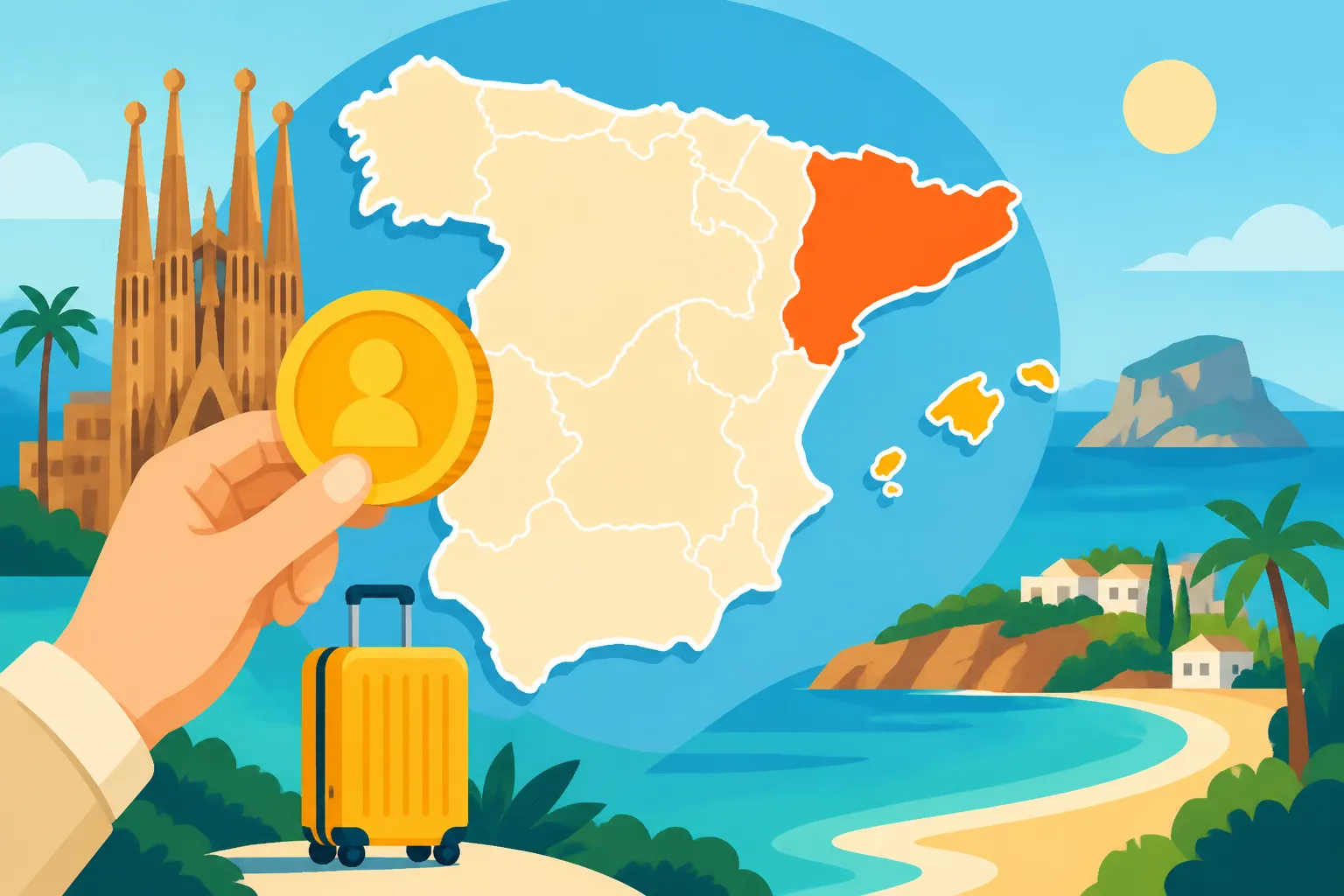
Ah, the joys of Spanish bureaucracy! Just when you think you've got your head wrapped around all the different costs, something new emerges. Unlike some countries with a nationwide tourist tax, Spain’s approach is far more decentralized. This means there isn't one blanket rule; instead, it's left to the individual autonomous communities to decide if and how they want to implement such charges. Currently, you'll primarily encounter these taxes in two of Spain's most popular regions: Catalonia and the Balearic Islands. Each region has its own specific structure, rates, and exemptions, which can be a bit of a maze to navigate if you're not prepared.
The idea behind these taxes is generally to offset the environmental and infrastructural impact of tourism, contributing to the sustainability of these regions. While it might feel like an annoying extra cost, especially when you're trying to stick to a budget, understanding its purpose can sometimes soften the blow. Think of it as a small contribution to keeping those stunning beaches pristine and those historic city centers well-maintained for future visitors. Plus, knowing about it beforehand helps you factor it into your travel costs, avoiding any unpleasant surprises at check-out.
Why Do Only Some Regions Charge a Tourist Tax?
It's a fair question, right? You might visit Madrid, Andalucía, or Valencia and never see a tourist tax on your bill, then arrive in Mallorca or Barcelona and bam! There it is. The primary reason for this regional disparity lies in Spain's constitutional framework, which grants significant autonomy to its 17 autonomous communities. This decentralization allows regions to tailor policies, including taxation, to their specific needs and economic realities. For Catalonia and the Balearic Islands, tourism forms a massive part of their economy, but it also places a considerable strain on local resources, infrastructure, and the environment.
These regions, being major tourist magnets, have felt the impact more acutely. The Balearic Islands, for example, are a delicate ecosystem with limited natural resources, while Barcelona, the capital of Catalonia, grapples with the challenges of overtourism, from housing shortages to pressure on public services. The decision to implement a tourist tax, or "ecotax" as it's often called in the Balearics, is therefore a strategic one to generate funds specifically earmarked for sustainable initiatives, environmental protection, and enhancing the visitor experience rather than relying solely on general taxation. It’s their way of trying to balance the economic benefits of tourism with its social and environmental costs.
What the Funds are Used For
It's natural to wonder where your hard-earned euros go when you pay these taxes. Is it just disappearing into a black hole? Thankfully, no. Both Catalonia and the Balearic Islands are generally quite transparent about the allocation of these funds, with a clear focus on sustainable tourism and local improvements. In Catalonia, the proceeds from the tourist tax (known as the Impuesto sobre Estancias en Establecimientos Turísticos) are reinvested into a variety of projects. This can include maintaining historical sites, improving public transportation, enhancing cultural offerings, promoting sustainable tourism models, and developing tourism infrastructure. The goal is to enrich the overall visitor experience while also benefiting local communities.
Over in the Balearic Islands, the "Sustainable Tourism Tax" (Impuesto de Turismo Sostenible, often called the Ecotasa) has an even more explicit environmental focus. Its funds are specifically directed towards projects that protect and restore the natural environment, improve water resources, promote sustainable agriculture, support research into renewable energy, and enhance marine conservation efforts. Think of initiatives like protecting sand dunes, cleaning up coastlines, or funding projects that reduce the islands' carbon footprint. So, while it might feel like an extra charge, you're technically contributing to the preservation of the very beauty that draws you to these destinations in the first place. When you're browsing for your perfect Balearic retreat on platforms like Booking.com, remember that a small portion of your stay is dedicated to keeping those turquoise waters sparkling.
Catalonia's Tourist Tax: What to Know
Alright, let's dive into the specifics for Catalonia. This region, home to the bustling city of Barcelona, the stunning Costa Brava, and the historic city of Girona, has had a tourist tax in place for quite some time. The tax structure here is a bit more nuanced than some other places, taking into account not just the type of accommodation but also its specific location, particularly differentiating between stays in Barcelona city and the rest of Catalonia. This layered approach ensures that the regions with higher tourist density and more diverse accommodation options contribute accordingly to the communal pot. It’s one of those things that can easily slip under the radar, especially if you're booking quickly, so it pays to be informed.
When you're comparing options on platforms like Booking.com, you'll usually see a breakdown of the costs. However, some sites might list the room rate and then mention that "local taxes apply," leaving the exact calculation until closer to your stay. Always remember to check the fine print when you are looking for somewhere to stay in cities like Barcelona, so you are not surprised when it's time to pay. It’s always best to budget for this extra cost from the outset rather than having it sprung on you at checkout when you're already counting your remaining euros for airport transport!
Rates by Accommodation Type and Location
The Catalan tourist tax operates on a tiered system, meaning the amount you pay per person per night depends on where you're staying and what kind of accommodation it is. For example, staying in a five-star luxury hotel in Barcelona will incur a higher daily rate than a simple apartment rental in a smaller Costa Brava town. This stratification is designed to ensure fairness, reflecting the varied services and impact of different accommodation types. It's a system that tries to be proportionate to the value of the stay.
Here's a simplified breakdown of how it generally works, keeping in mind that specific figures can change, so always verify current rates:
- Luxury Hotels (4-5 Stars): These will typically have the highest daily rates, especially within Barcelona city. The idea is that guests choosing premium accommodation can afford a slightly higher contribution.
- Other Hotels (1-3 Stars), Tourist Apartments, and Guesthouses: These categories generally fall into a mid-range rate. Again, there might be a slight difference between Barcelona and the rest of Catalonia, with Barcelona usually being a bit higher.
- Campsites, Youth Hostels, and Similar Economical Stays: These accommodations usually have the lowest daily rates, making the tax less impactful for budget travelers.
It's crucial to remember that the tax is applied per person, per night, and usually has a maximum cap on the number of nights charged (often around seven consecutive nights). This means if you stay for two weeks, you'll only pay the tax for the first week, which is a nice relief for those longer, more leisurely trips! When you're browsing various hotels and apartments on Booking.com, keep an eye out for the specific tax information related to each property, as it should be clearly indicated during the booking process. This transparency helps you make an informed decision when comparing prices.
Barcelona's Specific City Tax
Adding another layer to Catalonia's tax system is Barcelona's specific city tax. Yes, you heard that right – on top of the general Catalan tourist tax, the city of Barcelona has its own municipal tax. This dual charge can sometimes cause confusion, but it's important to understand that both are usually applied concurrently. Barcelona introduced its own municipal surcharge to address the unique pressures and needs of being one of Europe's most visited cities. The revenue generated from this city-specific tax is intended to fund local projects that directly benefit Barcelona's residents and improve the city's infrastructure and services, mitigating the impact of mass tourism.
This means that if you're staying in a hotel or apartment within Barcelona's city limits, your bill will reflect both the regional Catalan tourist tax and the Barcelona municipal tax. The combined amount can add a noticeable sum to your total accommodation cost, especially for longer stays or larger groups. For instance, a luxury hotel stay in Barcelona will have a higher combined daily rate than the same type of hotel outside the city. It’s a reality of visiting such a popular urban destination. This is definitely something to keep in mind when you're exploring options and comparing prices for your Barcelona adventure on platforms like Booking.com. Don't let the final figure surprise you; it’s just part of the deal when you visit this amazing, bustling city. Being aware of these dual charges helps you budget more accurately and avoid any unwelcome surprises when it's time to settle your bill.
The Balearic Islands' Sustainable Tourism Tax
Now, let's sail over to the Balearic Islands – Mallorca, Menorca, Ibiza, and Formentera – where the charge is officially known as the "Sustainable Tourism Tax" (Impuesto de Turismo Sostenible), but almost everyone refers to it as the "Ecotasa." This tax was introduced a few years ago with a very clear objective: to protect the delicate natural environment and promote sustainable tourism models across these stunning islands. The Balearics are incredibly popular, drawing millions of visitors each year, and this influx puts a significant strain on their natural resources, from water supply to waste management, and the preservation of their beautiful coastlines and interior landscapes.
The Ecotasa is a direct response to this challenge, ensuring that tourism actively contributes to the preservation of the very assets that make the islands so appealing. It's not just about managing the current impact, but also investing in the future environmental health and quality of life for residents. The tax is collected directly by accommodation providers and then passed on to the Balearic government, which allocates the funds to specific environmental and sustainable projects. So, while it's another line item on your bill, you can take some comfort in knowing it’s going towards a good cause – keeping those islands as beautiful as you found them. When you're searching for that perfect villa or hotel on Ibiza or Mallorca via Booking.com, you’ll find this tax highlighted in the booking details.
Rates Based on Accommodation Type, Season, and Duration
Just like Catalonia, the Balearic Islands implement a tiered system for their Sustainable Tourism Tax, but with a few extra variables thrown into the mix, making it a little more dynamic. The rates here are influenced by three key factors: the type of accommodation, the time of year (high or low season), and the length of your stay. This comprehensive approach aims to create a fair and proportional contribution from visitors, reflecting the intensity of tourism at different times and in different settings.
Here’s how these factors generally play out:
- Accommodation Type: Similar to Catalonia, luxury hotels (4-5 stars and luxury rentals) typically have the highest daily rates. Mid-range hotels, tourist apartments, and rural hotels have lower rates, while campsites, hostels, and basic guesthouses generally have the lowest charge per day. This structure ensures that those enjoying the most premium stays contribute a higher amount.
- Seasonal Variation: This is a key differentiator for the Balearics. The tax rates are usually higher during the peak tourist season (typically May to October) and lower during the off-peak, winter months (November to April). This acknowledges the increased environmental impact and demand on services during the bustling summer. It also offers a small incentive for off-season travel, which is often a beautiful and quieter time to visit.
- Duration of Stay: For longer stays, there's a progressive discount. Usually, after the eighth night of your continuous stay at the same accommodation, the daily tax rate is reduced by a significant percentage (often 50%). This is a thoughtful consideration for those who choose to spend more extended periods enjoying the islands, recognizing that the marginal environmental impact might decrease over time.
This means that a week-long stay in a luxury hotel in Palma during July will incur a significantly different total tax than a two-week stay at a campsite in Menorca during November. Being aware of these variables allows you to better estimate your total costs and can even influence your booking decisions. Many travelers appreciate platforms like Booking.com for their ability to show these estimated taxes clearly, helping you compare total costs transparently across different properties and seasons.
How Tourist Taxes Are Calculated and Collected
Understanding that you have to pay a tourist tax is one thing, but knowing how it's calculated and when it's collected is equally important for a smooth travel experience. The process is generally straightforward, but a little heads-up can prevent any last-minute fumbling at the reception desk. These taxes are typically not included in the headline price you see for a room, which is why they often catch people by surprise. Think of it like a local sales tax that's added at the point of sale, rather than being embedded in the advertised price.
This is where the detailed information provided by booking platforms like Booking.com can be incredibly valuable. While the initial search results might show a price excluding taxes, often as you proceed to select dates and room types, a clear breakdown of estimated local taxes will appear before you confirm your reservation. This pre-payment transparency is a huge help for budgeting your trip.
Daily Rate per Person with a Cap
The fundamental principle behind both the Catalan and Balearic tourist taxes is a "per person, per night" charge. This means that if you're a family of four staying for five nights, the daily rate will be multiplied by four people and then by five nights, subject to any maximum night caps or duration discounts. It's not a fixed rate per room, which is an important distinction, especially if you're traveling with a group or family.
As mentioned earlier, there's almost always a cap on the number of nights for which the tax is applied. In many cases, this cap is around seven consecutive nights at the same establishment. So, if your holiday stretches to ten or fifteen nights, you'll still only pay the tourist tax for the first seven. This is a crucial detail for longer stays, as it significantly reduces the overall tax burden and encourages extended visits. For example, if the tax is charged for a maximum of seven nights, and you stay for ten, you'll pay for seven nights for each person, not ten.
Comparative Table of Tourist Tax Variables (Typical Scenarios)
| Factor | Catalonia (General Example) | Balearic Islands (General Example) |
|---|---|---|
| Calculation | Per person, per night | Per person, per night |
| Accommodation | Tiered (e.g., Luxury Hotel > Apartment > Campsite) | Tiered (e.g., Luxury Hotel > Apartment > Campsite) |
| Location | Differentiates Barcelona City vs. Rest of Catalonia | No location differentiation within the islands |
| Seasonality | Generally consistent rates year-round | Higher rates during High Season, Lower during Low Season |
| Duration Cap | Often a maximum of 7 consecutive nights | Often a maximum of 8 consecutive nights |
| Long-Stay Discount | Generally, stops charging after the cap | Reduced rate (e.g., 50% off) after a certain number of nights |
| Exemptions | Children under a certain age (e.g., 16) | Children under a certain age (e.g., 16) |
| Collection | Paid at accommodation (check-in/check-out) | Paid at accommodation (check-in/check-out) |
Note: This table provides a simplified overview. Exact rates, age limits, and specific caps can vary and are subject to change by regional authorities. Always check directly with your accommodation or on reliable booking platforms.
Payment Process: At Check-in or Check-out
The good news is that the payment process for these taxes is generally quite simple and integrated into your accommodation experience. You won't typically need to seek out a separate government office or fill out complicated forms. The tourist tax is almost universally collected directly by your accommodation provider – whether that's a hotel, tourist apartment, campsite, or rural guesthouse.
Most commonly, you'll settle this amount either upon check-in or check-out. It’s important to clarify with your specific accommodation when they prefer to collect it. They will usually add it as a separate line item on your final bill, distinct from your room rate. This method ensures that the funds are correctly collected and remitted to the respective regional government, and it streamlines the process for visitors. Always be prepared to pay this extra sum, which might be requested in cash or by card, depending on the establishment's policies. If you're unsure or want to be absolutely certain, don't hesitate to ask your hotel or host directly before or upon arrival. This is one area where platforms like Booking.com can confirm whether the tax is included or will be collected separately at the property, offering clarity from the get-go.
Exemptions, Discounts, and What to Expect
While the tourist tax is a common feature in Catalonia and the Balearics, it's not universally applied to everyone in every situation. There are specific exemptions and, as we've discussed, discounts for longer stays. Knowing these details can sometimes save you a few euros or simply clarify why certain members of your travel party might not be charged. It’s always worth a quick check, especially if you’re traveling with children or planning an extended stay in one spot.
Navigating these nuances can feel like yet another hoop to jump through, but being informed is half the battle. When planning your trip, consider using platforms like Booking.com, which often provide transparent information on these specific charges and any applicable exemptions within the property details. This helps you factor in the full cost upfront and avoid any last-minute surprises at the reception desk.
Age Exemptions and Other Special Cases
One of the most common exemptions across both Catalonia and the Balearic Islands pertains to age. Typically, children under a certain age are exempt from paying the tourist tax. While the exact age limit can vary slightly, it's frequently set at 16 years old. This means that if you're traveling as a family with younger children, they won't be charged the per-person, per-night fee, which can certainly add up to a noticeable saving on your overall accommodation costs. Always double-check the current age exemption when planning your trip, as this is subject to change by regional authorities.
Beyond age, there can sometimes be other special cases for exemption, though these are generally less common for the average tourist:
- Residents: Registered residents of Catalonia or the Balearic Islands, particularly when staying within their own autonomous community, are sometimes exempt, especially if they are using specific social tourism programs or in very particular circumstances. However, for a standard tourist stay, this rarely applies.
- Health-related stays: Individuals undergoing medical treatment in the region, along with their accompanying family members, might be exempt if they can provide appropriate medical documentation.
- Force Majeure: In rare situations of declared emergency or force majeure, temporary exemptions or modifications to the tax might be implemented by regional governments.
These exemptions are usually quite specific and require official documentation, so it's not something to casually assume. If you believe you qualify for an exemption beyond the standard age limit, it's always best to contact your accommodation provider directly well in advance to clarify what documentation you would need to provide.
Long-Stay Discounts and How They Work
As we touched upon, both Catalonia and the Balearic Islands offer a form of discount for longer, continuous stays at the same accommodation. This isn't just a random act of kindness; it's often a strategic decision to encourage extended visits, which can provide more stable income for local businesses and potentially reduce the frequency of arrivals and departures, thus easing environmental impact.
- Catalonia: The most common form of long-stay benefit in Catalonia is the cap on the number of nights charged. For instance, if the cap is seven nights, and you stay for ten, you’ll only pay the per-person, per-night tax for the first seven nights. The remaining three nights are tax-free. This is fantastic news for anyone planning a relaxing week-plus trip to Barcelona or the Costa Brava.
- Balearic Islands (Ecotasa): The Balearics take a slightly different approach. While they also have a cap on full charges, after a certain number of nights (often eight consecutive nights at the same property), the daily tax rate itself is reduced, typically by 50%. So, if you stay for two weeks, you'll pay the full rate for the first eight nights, and then a significantly reduced rate for the remaining six nights. This is a very thoughtful incentive for those who truly want to immerse themselves in island life for an extended period.
It's crucial to understand that these long-stay benefits usually apply only to continuous stays at the same establishment. If you hop between different hotels or apartments every few days, the "night count" resets with each new check-in, and you'll likely pay the full tax for each new stay. This is definitely something to consider if you're planning a multi-stop itinerary versus settling into one spot. When you book a longer trip through Booking.com, the platform often automatically calculates these discounts into the estimated total, which streamlines your budgeting process considerably.
Tips for Budgeting and Booking Accommodation
Let’s be honest, nobody likes unexpected costs. They can sour an otherwise perfectly planned trip. The tourist tax, while small on a daily basis, can definitely add up, especially for families or longer stays. So, the best offense is a good defense: plan for it! Budgeting effectively and knowing what to look for when you book your accommodation in Spain can save you a lot of hassle and ensure your travel funds are allocated exactly as you intend.
When you're trying to figure out your total expenses, thinking about everything from your flight to your café con leche budget, don't let this little tax slip your mind. A bit of foresight goes a long way in ensuring your Spanish adventure remains stress-free and financially sound. Remember, the goal is to enjoy the vibrant culture and stunning landscapes without any last-minute financial jolts.
Factor in the Tax from the Start
This might seem obvious, but it's often overlooked in the excitement of booking a trip! When you're comparing prices for flights and hotels, that initial "sticker price" for accommodation rarely includes the local tourist tax. This is where many travelers get caught out. Instead of seeing it as an "extra," try to integrate it into your mental budget for accommodation from the very beginning.
Here’s a practical way to do it: Once you have a rough idea of your chosen region (Catalonia or Balearics), the type of accommodation you prefer, and the length of your stay, do a quick estimate of the potential tourist tax. For example, if you're a couple staying in a mid-range hotel in Mallorca for 10 nights, and the tax is, say, a middle-tier rate per person, per night, with a 50% discount after 8 nights, you can calculate: (Daily rate x 2 people x 8 nights) + (Daily rate x 2 people x 2 nights x 0.5 discount). This simple calculation will give you a much more realistic total accommodation cost. Using platforms like Booking.com, which typically provide a clear estimated breakdown of these charges before you finalize your reservation, makes this process much easier. They do the heavy lifting for you, allowing you to see the true cost and compare properties fairly.
Using Booking Platforms for Transparency
This is perhaps the single most important piece of advice for dealing with Spain’s regional tourist taxes: leverage reputable booking platforms! While booking directly with a hotel or apartment owner can sometimes offer slight flexibility, platforms like Booking.com are invaluable precisely because of their transparency regarding these additional costs. They have systems in place to display comprehensive pricing information, including estimated local taxes, right from the moment you select your dates and room type.
When you're browsing for your perfect getaway on Booking.com, pay close attention to the "price details" or "taxes and charges" section, usually found just before the final confirmation page. This is where you'll often see the per-person, per-night tourist tax itemized, sometimes even with a total estimate for your entire stay. This level of detail allows you to compare the true total cost of different properties, rather than just the base room rate. It helps you avoid the scenario of arriving at your accommodation, excitedly checking in, only to be presented with an unexpected bill for taxes you hadn't accounted for. Booking.com strives to make this process as clear as possible, taking away some of the guesswork that can lead to frustration. For peace of mind and accurate budgeting, always rely on the detailed breakdown provided by such platforms.
Why These Taxes Exist and What They Fund
It’s easy to grumble about an extra charge on your holiday bill, but understanding the philosophy behind these tourist taxes can actually make them a little easier to stomach. These aren't just arbitrary fees designed to squeeze more money out of visitors; they're generally a calculated response to the realities of mass tourism in highly popular regions. Spain's autonomous communities, especially those with fragile ecosystems and limited resources like the Balearic Islands, or densely populated urban centers like Barcelona, face unique challenges when millions of tourists arrive each year.
The revenue generated from these taxes is often directly invested back into the very things that make these regions so appealing in the first place: their natural beauty, cultural heritage, and sustainable infrastructure. Rather than relying on general taxation, which might not be directly linked to tourism's impact, these specific taxes create a direct financial stream for targeted initiatives. This proactive approach helps to ensure the long-term viability and attractiveness of these destinations for both residents and future visitors alike. It's a way for visitors to contribute, however small, to the preservation of their chosen holiday paradise.
Mitigating the Environmental and Social Impact of Tourism
One of the primary drivers behind the implementation of tourist taxes, particularly the "Ecotasa" in the Balearic Islands, is the urgent need to mitigate the environmental and social impact of tourism. Think about it: millions of people descending on islands with finite water resources, generating waste, impacting local biodiversity, and placing immense pressure on public services. Without specific measures, these effects could degrade the very environment that attracts tourists in the first place, leading to a downward spiral.
Funds from these taxes are often channeled into projects aimed at environmental protection, such as conservation of natural parks, restoration of coastal areas, improvement of waste management systems, and investment in sustainable transport initiatives. On the social front, these taxes can also contribute to improving local infrastructure, supporting cultural projects that preserve local identity, and sometimes even alleviating the strain on housing and public services in areas heavily impacted by tourism. It's an effort to ensure that tourism remains sustainable, benefiting both the visitor and the local community, and not just the immediate economy. For instance, efforts to preserve the stunning calas of Mallorca, often found through Booking.com searches, directly benefit from the Ecotasa.
Investing in Tourism Infrastructure and Local Services
Beyond environmental protection, a significant portion of tourist tax revenue is also dedicated to improving and maintaining the general tourism infrastructure and supporting local public services. When you visit a bustling city like Barcelona or a popular resort town in Mallorca, you're interacting with a complex web of infrastructure: roads, public transport, waste collection, public spaces, and security services. The sheer volume of tourists places an extra burden on these systems, often requiring additional investment that general municipal budgets struggle to cover.
The tourist tax acts as a direct contribution to these necessities. This can mean better maintenance of historic sites, cleaner public beaches and parks, improved signage, enhanced public transport networks, and even funding for cultural events and festivals that enrich the visitor experience. In some cases, it also helps support emergency services or public safety initiatives that are stretched during peak seasons. By reinvesting these funds, regions aim to enhance the quality of the tourism offering and ensure that the experience remains enjoyable and high-quality for everyone, while also easing the financial burden on local residents. So, that smooth bus ride you take to the beach or the well-maintained pedestrian areas you stroll through may well have benefited from these very taxes. When looking for accommodation, perhaps near renovated public spaces, platforms like Booking.com can help you filter by location and amenities, ensuring you find a spot that benefits from these investments.
Planning Your Spanish Adventure with Tax in Mind
Stepping into a new country always involves a bit of a learning curve, and understanding local taxes is definitely part of that. While the concept of a tourist tax might feel a little inconvenient at first, approaching it with knowledge and preparation will ensure it's a minor detail rather than a major headache. Spain offers such an incredible diversity of experiences, from the sun-drenched beaches of the Balearics to the architectural wonders of Catalonia, and being clued into these regional nuances will only enhance your journey.
Remember, the goal of these taxes is to safeguard the very beauty and culture that draws us all to Spain. By being aware, you're not just a passive traveler but a conscious contributor to the sustainability of these magnificent destinations. So go ahead, dream up your next Spanish escape, whether it’s a city break in Barcelona or a tranquil beach holiday in Menorca. Just make sure to factor in that little extra when you're crunching the numbers!
Choosing Your Destination Wisely
Your choice of destination within Spain is the biggest determinant of whether you'll pay a tourist tax at all. If you're keen to avoid it entirely, you have plenty of stunning regions to choose from that currently do not implement such a charge. Places like Madrid, the entire region of Andalucía (with its glorious cities like Seville, Granada, and Córdoba), the vibrant community of Valencia, or the green landscapes of Galicia all welcome visitors without imposing a separate accommodation tax. These regions offer incredible cultural experiences, historical sites, and natural beauty, ensuring you won't feel like you're missing out.
However, if your heart is set on the bustling streets of Barcelona or the idyllic beaches of the Balearic Islands, then acknowledging and budgeting for the tax is simply part of the package. These areas are popular for a reason, and the tax helps to manage that popularity sustainably. When you're making your initial travel plans, consider whether the presence of a tourist tax influences your decision. If you're on a very tight budget, opting for a region without the tax might free up a few more euros for tapas or souvenirs. Conversely, if Catalonia or the Balearics are your dream destinations, a small daily tax won't deter you, especially knowing what it contributes to. Researching places to visit in each region, perhaps looking at specific attractions or activities, can help you decide. For example, knowing what's involved in Traveling Around Spain: Trains, Buses, Flights, and Car Hire or the Cost of Living in Spain might help you decide which region best suits your budget, including the tax.
Essential Checklist Before You Book
Before you hit that "confirm" button on your next Spanish adventure, especially if it involves Catalonia or the Balearic Islands, run through this quick checklist to ensure you're fully prepared for any tourist taxes:
- Confirm the Region: Is your accommodation in Catalonia (including Barcelona) or the Balearic Islands? If yes, expect a tourist tax.
- Check Accommodation Type: What kind of place are you staying in? Luxury hotel, apartment, hostel, campsite? This affects the daily rate.
- Factor in Season: If you're heading to the Balearics, remember rates can differ between high and low season.
- Count Your Nights (and People!): Calculate the number of taxable nights, remembering any caps or long-stay discounts, and multiply by the number of adults/non-exempt children.
- Review Booking Platform Details: Always check the "taxes and fees" section on platforms like Booking.com before confirming. They're usually very clear about the estimated additional costs.
- Budget for the Total: Add the estimated tourist tax to your overall accommodation budget, not just the room rate.
- Clarify with Accommodation: If you have any doubts, send a quick email or make a call to your hotel or host to confirm the exact amount and preferred payment method (cash/card) upon arrival. This is especially true if you plan to Rent in Spain: Contracts, Deposits, and Tenant Rights for a long-term stay, where taxes might be handled differently than a short-term tourist rental.
- Understand the Purpose: Remind yourself that this small contribution supports the sustainability and preservation of the beautiful place you're visiting.
By ticking off these points, you'll ensure a smooth, surprise-free arrival and departure, allowing you to fully immerse yourself in the Spanish experience. Happy travels! Exploring Spanish Customs, Etiquette, and Social Life will be much easier when you're not stressed about unexpected charges. Also consider how this fits into your overall Money for Travel in Spain: Cards, Cash, and ATMs strategy.
Disclaimer
This article is for general informational purposes only and does not constitute professional advice. Laws, prices and regulations vary by location and change over time. Consult a qualified professional for guidance on your specific situation.