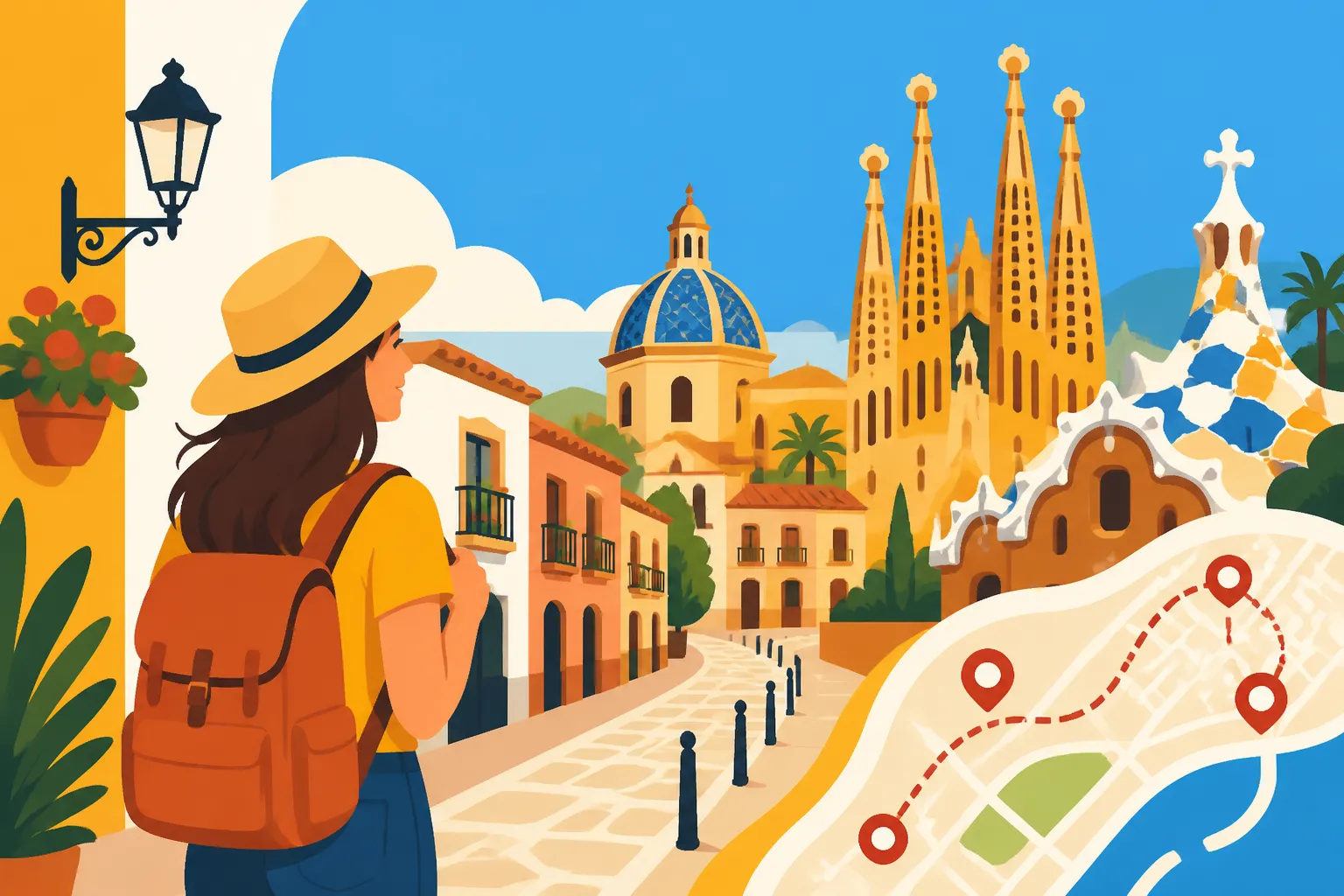
Exploring Spain’s Cities on Foot: Walking Route Ideas
You finally arrive in Spain, ready to soak in the history, but your GPS is spinning in circles among 500-year-old stone walls and your feet are screaming for mercy. I remember my first week in Madrid; I wore stylish but thin-soled boots and ended up with blisters so bad I had to cancel my visit to the Prado. This guide solves the "walking fatigue" and navigation nightmare by providing curated, realistic walking routes through Spain's most iconic urban landscapes.
Disclosure: This post may contain affiliate links. We may earn a commission at no extra cost to you if you make a purchase through these links. Read full disclosure.
Preparing for Urban Exploration: The Reality of Spanish Sidewalks
When you look at a map of a Spanish city, everything looks deceptively close. You think, "Oh, it's just a twenty-minute walk from the Royal Palace to the Retiro Park." On paper, that is true. In reality, you are dealing with significant elevation changes, narrow sidewalks that force you into single-file lines, and a sun that hits differently than it does in Northern Europe or North America. Walking in Spain is an endurance sport disguised as a leisure activity.
Choosing the Right Footwear for Cobblestones
The primary enemy of the expat or tourist is the cobblestone. Many of Spain’s historic centers—the Casco Antiguo—are paved with stones that have been smoothed by centuries of foot traffic. When it rains, they are as slick as ice. When it is dry, they are uneven and unforgiving on your arches. Countless newcomers try to navigate the hills of Toledo or the narrow Alcaicería in Granada in flip-flops, only to end up with a twisted ankle or bruised soles.
You need shoes with significant grip and cushioning. Do not worry about "looking like a tourist" by wearing sneakers. In the last decade, Spanish fashion has shifted significantly, and you will see locals in Madrid or Barcelona pairing high-end sneakers with suits or dresses. Look for brands that offer "city-hiking" styles. Your feet will thank you when you are four hours into a trek through the Madrid for First-Time Visitors: Neighborhoods and Highlights and realize you still have another two miles to go before dinner.
Decoding the Daily Rhythm for Walkers
Timing is everything. If you set out for a long walking route at 2:00 PM in July, you are not exploring; you are surviving. The Spanish "siesta" rhythm exists for a reason. Between 2:00 PM and 5:00 PM, the stone buildings soak up the heat and radiate it back onto the pavement. This is the time to be inside a museum or enjoying a long lunch. The best walking hours are the "Golden Hours"—early morning before the delivery trucks clog the narrow streets, or late evening when the lights flicker on and the temperature drops.
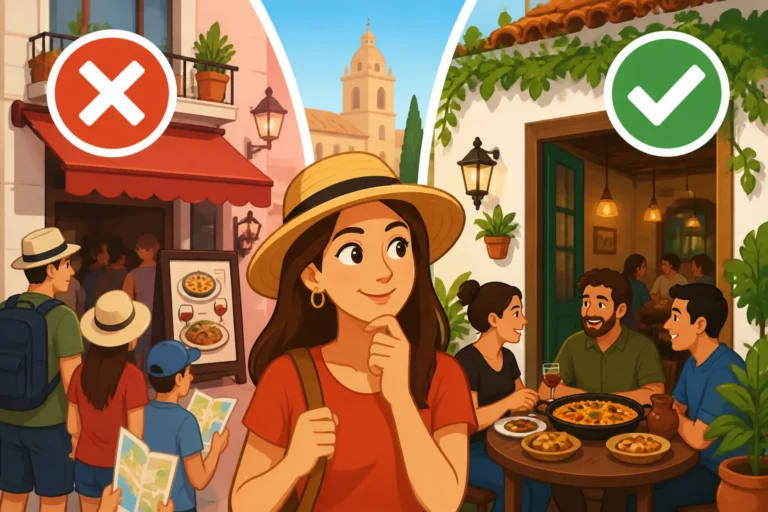
Furthermore, you must account for the crowd flow. If your route takes you through the Puerta del Sol in Madrid or Las Ramblas in Barcelona, expect to have your pace cut in half by the sheer volume of people. Learning to navigate the "side streets" that run parallel to the main tourist arteries is an essential expat skill. It allows you to maintain your momentum while discovering the small plazas and local "tabernas" that the guidebooks often skip.
Madrid: A Walk Through Imperial Grandeur and Hidden Barrios
Madrid is a city built on a series of hills, though it doesn't always look like it on a map. A walk from the Manzanares River up to the Royal Palace is a steep climb that can catch you off guard. The city is designed for walking, but it demands a strategic approach to avoid the most congested areas while still hitting the architectural high notes.
The Classic Hapsburg Route
The "Madrid de los Austrias" is the heart of the old city. Start your route at the Plaza de la Armería between the Royal Palace and the Almudena Cathedral. Instead of following the main road, Calle Mayor, dive into the side streets like Calle del Codo. This narrow alleyway feels like a film set from the 1600s. As you walk toward the Plaza de la Villa, notice the different styles of brickwork—this is the oldest part of the city, where the medieval and the imperial meet.
Continue toward the Mercado de San Miguel. While it is a bit of a tourist trap these days, the architecture is stunning. From there, head into the Plaza Mayor through one of its many arches. My personal tip: don't eat in the Plaza itself. Use it as a visual landmark, then exit through the Arco de Cuchilleros. This takes you down a steep set of stairs toward some of the oldest restaurants in the world. This route perfectly encapsulates the imperial history of Spain, but be prepared for a lot of stairs and uneven pavement.
Alternative Vibes in Malasaña and Chueca
For a different flavor of Madrid, head north of the Gran Vía. Malasaña and Chueca offer a much flatter walking experience, characterized by narrow streets filled with street art, boutique shops, and a vibrant local life. Start at the Tribunal Metro station and walk down Calle de Velarde. This is the epicenter of Madrid's vintage scene. The walking here is about the details—the balconies, the colorful tiles on the shopfronts, and the sudden appearance of a tiny plaza with three tables and a single tree.
As you cross into Chueca, the vibe shifts to a more polished but equally lively atmosphere. Walking here is less about "sights" and more about the "paseo." You are following in the footsteps of the Movida Madrileña, the counter-cultural movement that defined post-Franco Spain. For those planning their stay, using a site like Booking.com to find a hotel in these central barrios is a game-changer, as it allows you to start your walk the moment you step out the front door without needing a metro pass.
Barcelona: Gothic Shadows and Modernist Marvels
Barcelona is perhaps the most famous walking city in Spain, but it is also the most prone to "tourist fatigue." The transition from the cramped, humid alleys of the Gothic Quarter to the wide, airy boulevards of the Eixample is a shock to the system, both visually and physically.
Getting Lost in the Gothic Quarter
The Barri Gòtic is a labyrinth where your phone's GPS will likely fail you. The tall buildings and narrow streets interfere with satellite signals, which is actually a blessing. It forces you to look up. Start at the Cathedral of Barcelona and walk behind it toward the Plaça de Sant Felip Neri. This small plaza bears the scars of the Spanish Civil War and is one of the most hauntingly beautiful spots in the city.
When navigating this area, visitors should look for the "hidden" Roman walls. You can find sections of the ancient city fortifications integrated into medieval buildings. The key to enjoying the Gothic Quarter is to avoid the "main" streets like Portal de l'Àngel and instead zigzag through the Jewish Quarter (El Call). It is a masterclass in urban density. Make sure to consult Barcelona for First-Time Visitors: What to See and Skip to help you decide which landmarks are worth the entry fee and which are best viewed from the sidewalk.
The Grid of Eixample and Modernist Splendor
Once you cross the Plaça de Catalunya, the city opens up. This is the Eixample, designed by Ildefons Cerdà in the 19th century. The walking here is different; it’s about the "panots"—the beautiful floral-patterned tiles on the sidewalk—and the chamfered corners of the buildings that create wide, open intersections. Walk up the Passeig de Gràcia to see the Casa Batlló and the Casa Milà.
This is where you really see the wealth of the industrial revolution in Catalonia. The walking is flat and easy, but the distances are longer than they look because the blocks are huge. To save your energy for the uphill climb to Park Güell later in the day, you might consider booking a guided tour through GetYourGuide to learn the specific stories behind the Modernist facades, which often go unnoticed if you are just power-walking to the next destination.
Seville: The Art of the Evening Paseo
In Seville, walking is a social event. The city center is a dense thicket of white-washed buildings and orange trees, but the heat dictates the rules. In the summer, the city installs large fabric awnings (toldos) over the shopping streets like Calle Sierpes to provide shade, making it a unique "indoor-outdoor" walking experience.
The Santa Cruz Labyrinth
The old Jewish Quarter, Santa Cruz, is the stereotypical image of Spain: balconies overflowing with geraniums, hidden courtyards, and plazas so small they barely fit a single fountain. Start at the Giralda and head into the Plaza de la Alianza. From there, the goal is to get lost. The streets were designed to be narrow and winding to trap cool air and create shade.
One of my favorite routes is the "Calle del Agua," which runs alongside the walls of the Alcázar. It’s usually cooler here because of the stone and the greenery. Eventually, you’ll pop out at the Jardines de Murillo. This walk is essential for anyone wanting to understand the soul of Andalusia. If you are exploring the wider region, remember that Seville, Granada, and Córdoba: Andalusia's Great Cities are all best seen on foot, but Seville is the most rewarding for those who like to wander without a map.
Triana: Across the Bridge and Into the Soul
To escape the heavy tourist presence around the Cathedral, cross the Puente de Isabel II (the Triana Bridge). Triana is the cradle of flamenco and ceramics, and it has a fiercely independent identity. The walk along the Calle Betis offers the best views of the Seville skyline across the river.
Once inside Triana, the walking route should focus on the "patios" and the ceramic workshops. It is much more "neighborhood-y" than the center. You will see grandmothers sitting on chairs outside their doors and kids playing football in the plazas. While you are here, it’s the perfect time to practice Spanish Tapas Culture: How to Order and Where to Go, as Triana has some of the most authentic, non-pretentious tapas bars in the city.
Comparative City Walkability
To help you plan your journey, I’ve put together a comparison of what to expect in different Spanish cities when exploring on foot.
| City | Difficulty | Terrain | Best Feature | Walking Tip |
|---|---|---|---|---|
| Madrid | Moderate | Hilly | Varied Barrios | Avoid the Gran Vía sidewalks; they are too crowded. |
| Barcelona | Easy to Moderate | Flat to Steep | Modernist Architecture | Stay in the Eixample for the best "strolling" experience. |
| Seville | Easy | Very Flat | Orange-Scented Plazas | Walk late at night to see the monuments illuminated. |
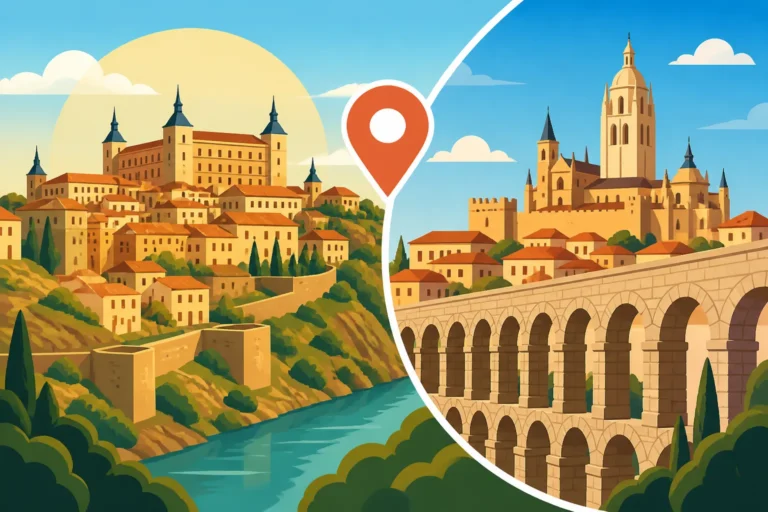
| Toledo | Hard | Very Steep | Medieval Atmosphere | Wear shoes with extreme grip for the tilted stones. |
| Valencia | Easy | Very Flat | Turia Riverbed Park | Walk the 9km park that circles the city center. |
| Bilbao | Moderate | River Valley | Guggenheim & Old Town | Use the glass elevators to move between city levels. |
Practical Logistics for the Urban Hiker
If you are planning to visit multiple cities on your trip, the transition between them is just as important as the walking itself. Spain's rail network is world-class, and using a service like Omio to compare train and bus prices can save you a lot of stress. Arriving at a central station like Madrid’s Atocha or Barcelona’s Sants means you can often walk straight to your accommodation if you’ve packed light.
Navigating Public Transport Between Cities
While this guide focuses on walking, you have to get to the city first. The AVE (high-speed train) is a miracle for walkers because it drops you in the city center, unlike airports which require long bus or taxi rides. Once you arrive, check if the city has a unified transit app. Most Spanish cities now offer contactless payment on buses and metros, so you don’t have to faff around with paper tickets. This is especially helpful in Valencia City Guide: Old Town, Beaches, and Science Park, where the walk from the futuristic City of Arts and Sciences back to the old town is a bit too long for most, and a quick bus ride is welcome.
Finding the Best Base and Local Guidance
Where you sleep determines how much you see. If you book a place on the outskirts to save money, you will spend your energy on the metro rather than the pavement. It is wise to use Booking.com to find "Apart-hotels" in the historic centers. Having a kitchen allows you to follow the local rhythm: walk in the morning, come home for a siesta and a homemade snack, and head out again for the evening "paseo."
For those who want a deeper dive, don't ignore the value of a specialized walking tour. I’ve lived here for years, and I still find that a "hidden secrets" tour on GetYourGuide can reveal a courtyard or a piece of history I’ve walked past a hundred times. These tours are also a great way to meet other expats and travelers, which is a key part of Making Friends in Spain as a Foreigner: Social Tips.
Safety and Etiquette on the Spanish Sidewalk
Spanish cities are generally very safe, but being a "walker" makes you a target for specific minor crimes. Pickpockets in areas like the Puerta del Sol or the Gothic Quarter are professionals. They look for the "tourist gaze"—the person looking up at the architecture with an open backpack. Keep your bag in front of you in crowded areas. For more detailed advice, read Staying Safe in Spain: Practical Safety Tips for New Residents.
Respecting the Local Flow
There is an unspoken etiquette to walking in Spain. If you are in a group, do not take up the entire width of the sidewalk. Spaniards walk with purpose, even during the "paseo," and blocking the path is considered rude. Also, be mindful of the noise. Many of these walking routes pass through residential areas where sound echoes off the stone walls. Keeping your voice down in the narrow alleys of Seville or Toledo is a sign of a respectful "vecino" (neighbor).
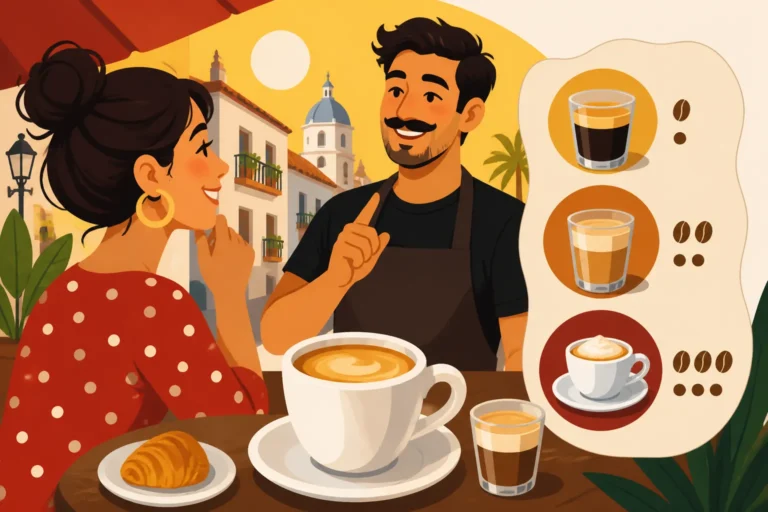
When you need a break, do it like a local. Stop at a corner cafe for a "café con leche." Learning Coffee Culture in Spain: How to Order Like a Local will make your rest stop much more enjoyable. Sit outside, watch the world go by, and give your feet twenty minutes of rest before tackling the next barrio. If you are feeling a bit run down from the travel, remember that Staying Healthy in Spain: Preventive Care, Vaccines, and Wellness is all about balance—don't push yourself to walk twenty miles on your first day.
The North: Bilbao and San Sebastián
The walking experience in Northern Spain is defined by the Cantabrian Sea and the lush, green mountains. The air is fresher, but the rain is a constant companion. A walking route here requires a good raincoat and a high tolerance for hills.
Bilbao’s Industrial Rebirth
Bilbao is a fascinating city to explore on foot because it shows the transition from a gritty industrial port to a cultural powerhouse. Start at the Guggenheim Museum and walk along the Ria de Bilbao. The promenade is wide, modern, and filled with public art. This is a flat, easy walk that eventually leads you to the Casco Viejo (the Seven Streets).
Inside the Seven Streets, the walking becomes more traditional—narrow, stone-paved, and centered around the Plaza Nueva. This is the place to try "pintxos." If you’re visiting the north, our guide on Bilbao and San Sebastián: The Basque City Pair goes into more detail about how to navigate these two very different urban styles. In Bilbao, the walking is about the contrast between the titanium curves of the Guggenheim and the dark stone of the medieval quarter.
San Sebastián: The Most Beautiful Bay Walk in the World
If there is one walking route you cannot miss in Spain, it is the walk around La Concha Bay in San Sebastián. It is approximately 6 kilometers from one end to the other, following a perfectly maintained seaside promenade. You start at the Peine del Viento sculptures and end at the Aquarium in the Old Town.
The terrain is flat, the views are world-class, and the sea breeze keeps you cool even in the summer. Once you reach the Parte Vieja (Old Town), the walking shifts to a high-density food tour. The streets here are a grid, making it much easier to navigate than the Gothic Quarter in Barcelona. It is the perfect city for someone who wants the beauty of a walking trail with the convenience of a city.
Conclusion: Embracing the "Paseo"
Walking in Spain is not just about getting from point A to point B; it is about the "paseo," the act of being present in the street. It is the most authentic way to experience the country. Whether you are dodging the crowds in Madrid, getting lost in the shadows of Barcelona, or smelling the orange blossoms in Seville, every step tells a story.
Prepare your feet, respect the sun, and don't be afraid to put your phone away. The best walking route ideas in Spain often start with a wrong turn that leads you to a plaza you’ll never find again, but will never forget. For those who are new to the lifestyle, take it slow. Your "vida laboral" might be busy, but in the streets of Spain, time belongs to the person on foot.
Disclaimer
This guide is for informational purposes only. Walking routes and city conditions can change due to construction, weather, or local regulations. Always wear appropriate footwear and stay hydrated. While Spain is generally safe, remain vigilant of your surroundings and personal belongings in crowded urban areas.