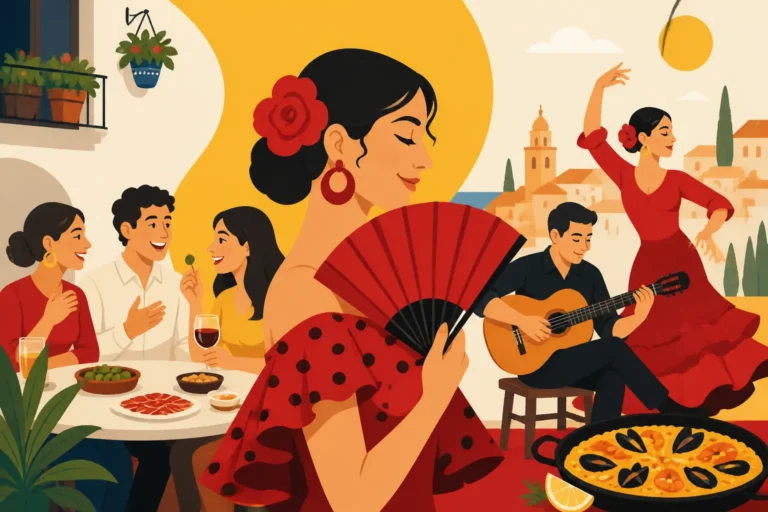
Making Friends in Spain as a Foreigner: Social Tips
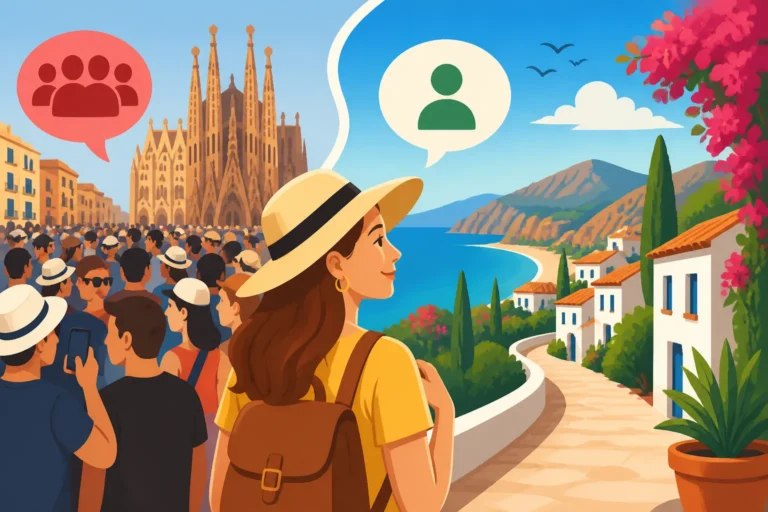
Moving to Spain often feels like a sun-drenched dream until the reality of social isolation sets in, leaving you feeling like an observer rather than a participant in the local life. I remember sitting at a crowded plaza in Valencia for three months, watching groups of friends share endless carafes of wine while I sat alone with my book, wondering why no one was talking to me. This guide solves the "invisible wall" problem by providing a realistic, battle-tested roadmap for building a genuine social circle in Spain.
Disclosure: This post may contain affiliate links. We may earn a commission at no extra cost to you if you make a purchase through these links. Read full disclosure.
Understanding the Spanish Social Landscape
The first thing you have to realize about making friends in Spain is that the concept of friendship here is fundamentally different from the "casual friend" culture in many English-speaking countries. In Spain, there is a clear distinction between a conocido (an acquaintance) and an amigo (a true friend). You might have dozens of people you chat with at the local bar every morning, but that doesn't mean you are invited to their Sunday lunch. Understanding this hierarchy is the first step toward managing your expectations and focusing your energy on the right interactions.
Locals in Spain often grow up with a tight-knit circle of friends from school, known as a pandilla. These groups are notoriously difficult to penetrate because they have decades of shared history. However, this doesn't mean Spaniards are unfriendly; on the contrary, they are some of the most social people on earth. The challenge is that their social needs are often already met by their family and their pandilla. To break in, you need to understand that social life happens almost entirely in public spaces. Private homes are reserved for the inner circle, so do not be offended if you aren't invited over for dinner in the first six months. Instead, focus on mastering Spanish Social Customs: Greetings, Kisses, and Personal Space to ensure you are presenting yourself in a way that feels familiar and respectful to locals.
The cultural phenomenon of "the street" is your greatest ally. Life in Spain is lived outdoors, and the neighborhood plaza is the living room of the community. If you want to meet people, you have to be visible. Consistency is more important than being outgoing. If you go to the same cafe at the same time every day, you become part of the furniture. Eventually, the "hola" turns into a comment about the weather, which turns into a conversation about the local football team. This slow-burn approach is how many deep-rooted Spanish friendships begin. It is also helpful to read up on Spain Culture Shock: What New Expats Commonly Misunderstand to avoid the frustration that comes when your neighbors don't immediately treat you like a best friend after one conversation.
The Importance of the Terrace Culture
In Spain, the terraza is the heart of all social interaction. Whether it is a Tuesday morning coffee or a Saturday night gin and tonic, the terrace is where business is done, hearts are broken, and friendships are forged. As a foreigner, you might feel self-conscious sitting alone, but in Spain, this is your prime "scouting" time. Pay attention to the groups around you. You will notice that the noise level is high and interruptions are common. Unlike in some cultures where it is considered rude to join a conversation at a neighboring table, in a high-energy Spanish bar, a well-timed comment about a shared experience—like a particularly good tapa or a televised match—is often welcomed.
If you are struggling with the initial approach, learning How to Join a Conversation With Locals in Spain can provide the specific phrases and social cues you need. The key is to match the energy of the environment. If the bar is loud and boisterous, don't approach with a formal, quiet greeting. A simple "Qué buena pinta tiene eso" (That looks great) regarding someone’s food is a classic, non-threatening icebreaker. Remember that the goal of these interactions isn't to walk away with a phone number immediately, but to establish yourself as a friendly, recurring character in their daily life.
Navigating the Language Barrier
You cannot truly integrate into a Spanish social circle without making a concerted effort to speak the language. While many young people in cities like Madrid or Barcelona speak English, the social "soul" of Spain is expressed in Spanish. When a group of Spaniards is together, they will almost always default to Spanish, and if you can't keep up, you will inevitably be sidelined. This isn't out of rudeness; it's because the pace of Spanish conversation is lightning-fast and filled with slang, jokes, and rapid-fire interruptions.
I spent my first year relying on my "expat bubble" because my Spanish was shaky, and while it was comfortable, I felt like I was living in a parallel version of Spain. It wasn't until I committed to a Learning Spanish for Work and Study: Fast‑Track Strategy that I started to catch the subtle nuances that lead to real connection. Even if your grammar is terrible, the effort you put into speaking the local tongue is viewed as a sign of respect. Spaniards are generally very patient with learners and will often go out of their way to help you find the right word if they see you are trying.
Practical Strategies for Meeting Locals and Expats
While waiting for a "slow-burn" friendship at the local bar is a great long-term strategy, you probably want to meet people sooner. This is where structured social environments come into play. One of the most effective ways to bridge the gap is through intercambios (language exchanges). These are usually held in bars and involve groups of people who want to practice their English or Spanish. It removes the awkwardness of the "first approach" because everyone is there for the express purpose of talking to strangers.
In major cities, you can find these events almost every night of the week. Places like "Beer Station" in Madrid or "The James Joyce" often host regular meetups. These events are fantastic because they attract a mix of locals who are curious about other cultures and expats who are in the same boat as you. When attending these, don't just stick to the other English speakers. Seek out the Spaniards who are struggling with their English; your mutual vulnerability creates an immediate bond. For more ideas on structured social settings, check out Making Friends in Spain: Clubs, Meetups, and Language Exchanges.
Joining Local Hobby Groups and Sports Clubs
Spaniards are passionate about their hobbies, and joining a club is a "fast-track" to finding a pandilla. Whether it's a hiking group (senderismo), a padel tennis league, or a local choir, shared activities provide a natural foundation for friendship. Padel, in particular, is a social goldmine in Spain. It is played in doubles, meaning you are forced to communicate with a partner, and it is almost mandatory to go for a beer (el tercer tiempo) after the match.
If you aren't athletic, consider taking a cooking class or an art workshop. Websites like GetYourGuide often list local workshops that are ostensibly for tourists but are frequently attended by residents looking to learn a new skill. The key is to choose an activity that requires regular attendance. A one-off event is a great way to spend an afternoon, but a weekly commitment is what builds the familiarity necessary for friendship. If you are into fitness, you should look for How to Find English‑Friendly Fitness Classes in Spain or consider Joining a Gym in Spain: Contract Terms to Watch to ensure you have a base for daily social interaction.
The Power of Online Communities
While "living on the street" is the traditional Spanish way, the modern expat uses technology to prime the pump. Facebook groups like "Expats in Madrid," "Girl Gone International," or city-specific groups are invaluable. However, don't just lurk. Be the person who organizes the meet-up. If you post, "I'm going to see a movie at the Cine Doré on Tuesday, anyone want to join?" you will almost always get a few takers.
For those who are working while abroad, the challenge is even greater because you lack the natural social environment of a local office. If this is your situation, you need to be even more proactive. There are specific strategies you can employ, such as those found in How to Make Friends in Spain If You Work Remotely. Using co-working spaces is a common tip, but the real secret is the communal lunch break. In Spain, lunch is a sacred hour (or two), and it is the best time to bond with your desk-mates.
| Social Setting | Best For | Level of Effort | Potential for Local Friends |
|---|---|---|---|
| Intercambio | Quick introductions | Low | Moderate |
| Padel Club | High-energy bonding | Medium | High |
| Local Bar | Long-term integration | High (Consistency) | Very High |
| Meetup.com | Specific interests | Medium | Moderate |
| Workshops | Creative connections | Medium | Moderate |
Navigating Social Etiquette and Cultural Nuances
You can do everything right—go to the bars, join the clubs, use the apps—and still fail to make friends if you don't respect the local social rhythm. One of the biggest mistakes foreigners make is being too "transactional" with their time. In many Northern European or North American cultures, social outings have a clear start and end time. In Spain, an invitation for a "quick coffee" can easily turn into a six-hour ordeal involving lunch, a walk, and evening drinks.
If you are constantly checking your watch or trying to schedule things with "To-the-minute" precision, you will come across as cold or uninterested. Spanish social life is fluid. This is particularly true during the sobremesa, the period after a meal when everyone stays at the table to talk. This is often the most important part of the social gathering. If you leave as soon as the bill is paid, you are missing out on the moment where the real bonding happens. Understanding Spanish Etiquette for Expats: Greetings, Invitations, and Daily Life will help you navigate these long, leisurely social marathons without feeling overwhelmed.
Dealing with Punctuality and Ghosting
One of the most frustrating aspects of making friends in Spain is the concept of mañana. It’s not just a cliché; it’s a lifestyle. If you agree to meet a group at 9:00 PM, do not expect anyone to be there until 9:20 PM at the earliest. If you arrive "on time" (meaning 9:00 PM sharp), you will likely be sitting alone. This can feel disrespectful to foreigners, but in Spain, it is simply the norm. The social pressure is lower, and the flexibility is higher.
Similarly, "social ghosting" is common during the planning phase. You might have a great conversation with someone and exchange numbers, only for them never to reply to your text about meeting up. Don't take this personally. Often, a Spaniard will say "we should get a drink sometime" as a way of being polite, much like an American says "How are you?" without expecting a medical report. To turn an acquaintance into a friend, you often have to be the "pursuer" for a while. It takes a few attempts before you are integrated into their mental map of "people I actually hang out with."
The Role of Food and Drink
Food is the "social glue" of Spain. Almost every social interaction involves eating or drinking, but the way it's done matters. In Spain, sharing is the default. If you go out for tapas, you don't order a plate just for yourself; you order several for the table. This communal eating style encourages conversation and a sense of shared experience. If you are unsure about the timing of these events, remember that everything happens later here. If you show up for dinner at 7:00 PM, you will be eating with the tourists. For a real social experience, you need to know What Time Do Spaniards Eat Lunch and Dinner? and adjust your internal clock accordingly.
If you are invited to a "botellón" (a street gathering with drinks) or a "comida" at a country house, always bring something. A bottle of wine or a specific sweet from a local bakery goes a long way. However, don't bring anything too fancy or expensive; it can make people feel uncomfortable. The goal is to contribute to the collective enjoyment, not to show off.
Deepening Connections: From Casual Meeting to True Friendship
Once you have a few acquaintances, the hardest part begins: moving from "someone I see at the bar" to "someone I can call when I'm having a bad day." In Spain, this transition often happens during a crisis or a shared adventure. Spaniards are incredibly loyal friends, but that loyalty is earned through time and shared experiences.
One effective way to solidify a new friendship is to suggest a short trip. Spain’s infrastructure makes this incredibly easy. You can use Omio to compare bus and train prices for a quick weekend getaway to a nearby pueblo or a coastal town. Traveling together forces you out of the "polite acquaintance" phase and into the "real life" phase. Whether it's navigating a delayed Renfe train or deciding where to eat in a new city, these shared stressors build bonds faster than twenty coffee dates. When booking accommodation for these trips, Booking.com is usually the most reliable tool in Spain, offering everything from boutique hotels to rural casas rurales that are perfect for groups.
The Transition to Home Visits
As mentioned earlier, the "home" is a sacred space in Spain. If someone invites you to their house for a meal, you have officially "made it." This is a significant milestone. When this happens, follow the local etiquette: bring a small gift (flowers or wine), and expect to stay for many hours. This is where you will likely meet their family, including the "abuelos," who are the pillars of Spanish social life.
If you want to initiate this but feel your apartment is too small, suggest a picnic in a local park. In Madrid, El Retiro is the go-to spot; in Barcelona, it's Ciutadella. This is a "mid-way" point between the public bar and the private home. It allows for a more intimate conversation without the pressure of hosting a formal dinner. For more tips on managing your daily interactions, consult Spanish Workplace Communication: Meetings, Feedback, and Tone as many of the same rules for rapport apply to social settings.
Traveling Together to Build Bonds
Don't underestimate the power of a shared "first" experience. Suggesting a day trip to a place none of you have been to is a great equalizer. Use Omio to find a cheap route to a town an hour away. If you are in Madrid, a trip to Segovia or Toledo is a classic. If you are in Andalusia, exploring the white villages of Cádiz is a must. These trips provide a "buffer" for conversation—there is always something new to look at, which takes the pressure off you to be constantly entertaining in your second language.
When you are out on these excursions, you will inevitably run into logistics issues. Having a handle on Travel Logistics in Spain: Money, Safety, and Connectivity will make you a more confident and helpful companion. Being the person who knows which app to use for the bus or how to find the "hidden gem" restaurant (often found through a quick search on GetYourGuide) makes you an asset to the group.
Overcoming the "Expat Bubble" Trap
It is incredibly easy to move to Spain and only make friends with other people from your home country. While this provides immediate comfort and helps you navigate Spain Culture Shock: What New Expats Commonly Misunderstand, it can eventually lead to a sense of "living in a museum"—you are looking at Spain, but you aren't in it.
To avoid this, set a "diversity rule" for your social life. For every expat event you attend, try to attend one local event. If you are living in a shared flat (piso compartido), try to find one with at least one Spaniard. This provides an immediate "in" to a local social circle. Most importantly, be patient. Building a life in a new country takes time. The first six months are often the loneliest, but if you keep showing up to that same terrace, keep struggling through your Spanish verbs, and keep saying "yes" to those late-night tapas invitations, you will eventually find that the "invisible wall" has vanished.
Disclaimer
This guide is intended for informational purposes only and reflects the personal experiences of the author. Social norms and cultural practices can vary significantly between different regions of Spain (e.g., Catalonia vs. Andalusia). Always respect local laws and customs when socialising in public spaces. This article does not constitute legal or professional advice regarding residency or immigration.