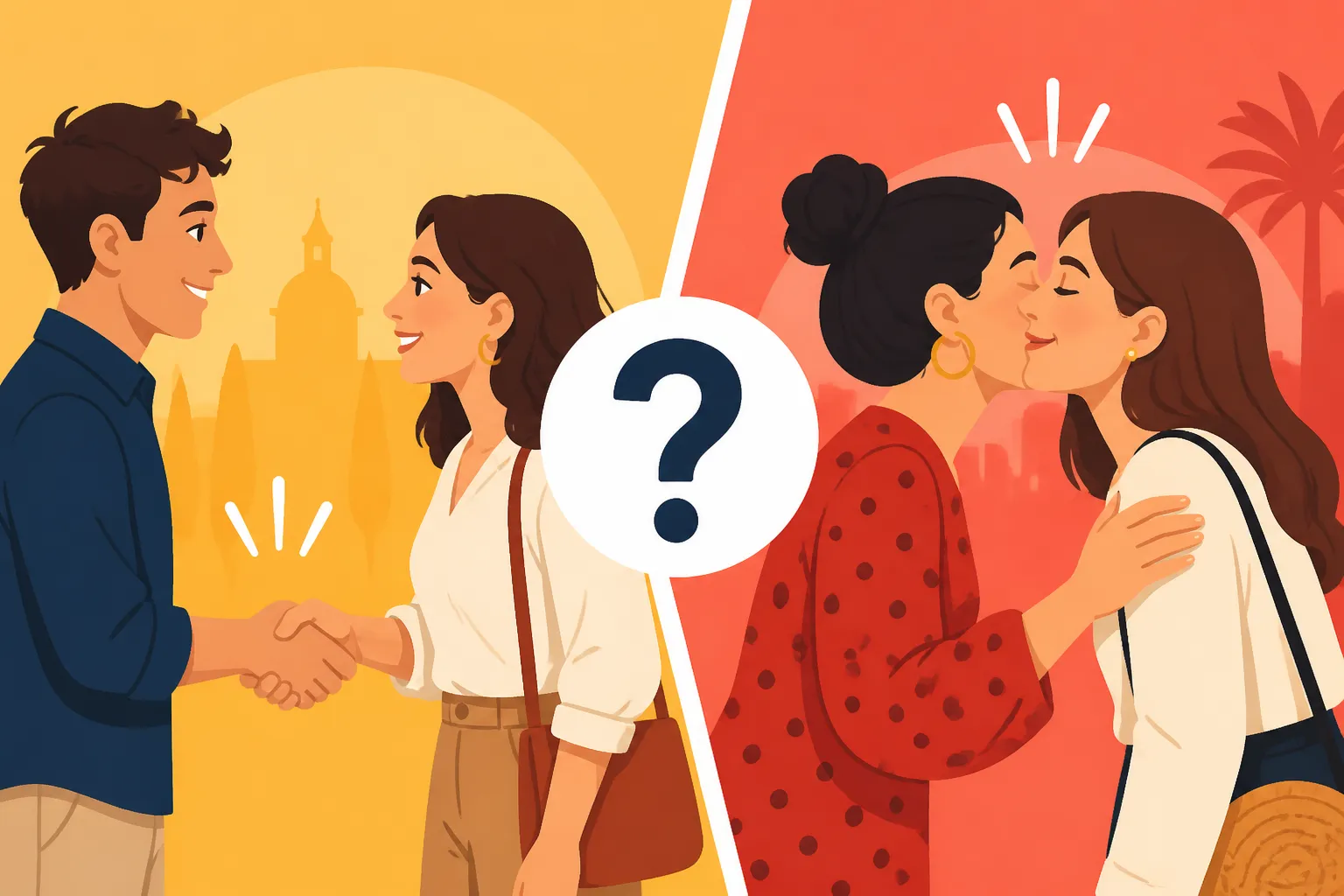
How to Greet People in Spain: Handshake or Kiss?
Ah, the Spanish greeting! It's one of those things that seems so simple on the surface, but for us foreigners, it can be a minefield of awkward pauses, missed cheeks, and unsure hand extensions. You arrive, full of good intentions, ready to embrace the culture, and then suddenly you're faced with a group of new acquaintances, unsure if you should lean in for a kiss or stick out a hand. This guide is here to untangle that very specific, very real expat dilemma, helping you navigate the delightful, yet sometimes bewildering, world of Spanish social graces without feeling like you've just committed a cultural faux pas.
Disclosure: This post may contain affiliate links. We may earn a commission at no extra cost to you if you make a purchase through these links. Read full disclosure.
The Nuances of Spanish Greetings: Beyond Just 'Hola'
Let's be honest, "Hola" is just the beginning. The real dance starts with what you do with your body next. Spain is a country rich in social interaction, and greetings are a fundamental part of that. It's less about a rigid rulebook and more about understanding the underlying currents of familiarity, respect, and context.
The Ubiquitous Two-Kiss Greeting: Dos Besos
For many, dos besos (two kisses) is the quintessential Spanish greeting, and it's something you'll encounter constantly, often more than you might expect. But it's not actually a kiss on the lips; it's an air kiss, usually initiated on the right cheek (your right, their left) and then moving to the left cheek. The sound is more of a light touch or a "muah" sound, not an actual smooch.
This greeting is incredibly common in informal and social settings. Imagine you're at a friend's birthday party, a casual gathering at someone's house, or even just meeting a friend of a friend for the first time. If you're a woman, you'll almost certainly give dos besos to other women and to men. If you're a man, you'll give dos besos to women, but generally not to other men unless they are very close family members or you haven't seen them in a long time. It's a warm, personal gesture that signals friendliness and acceptance. It can feel quite intimate at first, especially if you come from a culture where personal space is more guarded, but trust me, you'll quickly get used to it. The key is to lean in confidently, make light contact with the cheek, and remember the right-left sequence. Don't go straight for the left cheek first, or you might end up in a very awkward nose-to-nose situation!
When a Handshake is the Go-To in Spain
While dos besos reigns supreme in many social circles, the trusty handshake still holds its ground in Spain, especially in more formal or professional contexts, or when there's a clear power dynamic at play. It’s the standard for men greeting other men they don't know well, and it's almost always the default for initial introductions in business settings, job interviews, or official appointments.
Think about walking into an office for a meeting. Whether you're a man or a woman, a firm handshake with colleagues, clients, or your new boss is the expected protocol. You wouldn't typically lean in for dos besos with a new work contact, especially not on a first meeting. The same applies if you're visiting a doctor's office or dealing with any administrative staff. A handshake conveys respect and professionalism. For men, it's the default greeting when meeting other men, period, unless they've become very close friends. This clear distinction can sometimes be a relief for expats, as it offers a more familiar and less ambiguous option. If you're unsure, especially in a formal setting, a handshake is always a safe bet. You can always gauge the response; if the other person seems to lean in for a kiss, you can adjust, but starting with a handshake rarely causes offense.
For those planning to delve into the Spanish professional world, understanding Spanish Workplace Communication: Meetings, Feedback, and Tone and the subtle cues of respect will be invaluable. Similarly, when navigating formal appointments for official matters, knowing Spain Immigration Appointments & Paperwork: How to Avoid Delays will help you feel more at ease.
Understanding Context: Who, Where, and When to Kiss or Shake
The golden rule of Spanish greetings is context. It’s not just about what you do, but who you're with, where you are, and when the interaction is happening. Mastering this takes time and observation, but a few general guidelines can help you hit the ground running.
Gender Dynamics and Social Settings
Gender plays a significant role in dictating the form of greeting. As touched upon earlier, women typically exchange dos besos with everyone – other women, and men. This is the norm in nearly all social situations, from a casual coffee to a lively party. For men, the situation is a bit more layered. Men usually shake hands with other men, especially upon initial introduction or in more formal scenarios. It's rare to see two Spanish men give each other dos besos unless they are very close family (father/son, brothers) or lifelong friends who haven't seen each other in ages and are having a heartfelt reunion.
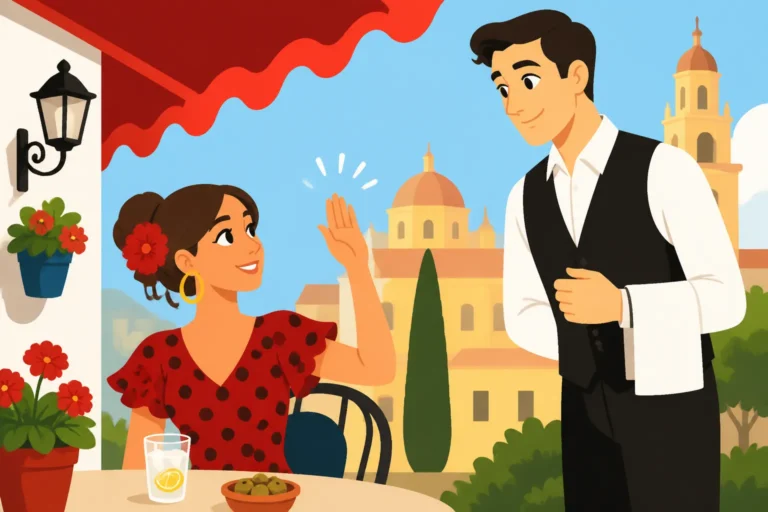
When a man greets a woman, dos besos is the standard. It's an automatic, polite gesture. However, there's a caveat for new introductions. If you're a man meeting a Spanish woman for the very first time in a somewhat formal or even semi-formal context (like a work dinner, or a friend-of-a-friend at a larger gathering), she might extend her hand first for a handshake. This is a subtle signal that she prefers a more distant greeting, perhaps because she doesn't know you, or simply as a matter of personal preference. Always follow her lead in this scenario.
Think about a social gathering organized through a platform like GetYourGuide for a local food tour; you'll likely be with a mix of people. Observing how locals greet each other when they first meet will be your best guide. You'll quickly notice the pattern of women embracing women and men, and men generally shaking hands with other men.
Regional Variations and Age Considerations
While the general rules apply across Spain, some subtle regional nuances can exist. For instance, in some parts of the south, particularly Andalusia, the dos besos might feel a little more pronounced or delivered with even greater warmth. In contrast, in more northern, historically reserved regions, the embrace might be slightly less effusive. However, these are often very subtle differences that even many Spaniards don't consciously register. As an expat, focusing on the broader pattern is usually sufficient. You don't need to stress over the micromovements of a greeting in Bilbao versus Seville.
Age also plays a role, though perhaps less overtly than gender. With older generations, especially outside of major metropolitan areas, there might be a slightly more formal approach. A younger person might be more inclined to offer dos besos readily, whereas an older person, particularly a man, might prefer a handshake, especially with a younger man. When greeting someone significantly older, it's always respectful to err on the side of a slightly more formal approach if you're unsure. A polite "¡Hola!" followed by a moment of observation is perfectly acceptable.
Consider if you're traveling across Spain, perhaps using Omio to book trains to different cities. You might notice these slight shifts in social interaction. For example, a village in rural Extremadura might have a different vibe for introductions than a bustling bar in Barcelona. But don't let this paralyze you; the core principles remain. If you're curious about different areas, exploring something like Spain's Regions and Where to Go: A Traveler's Overview can give you a deeper insight into the cultural fabric.
Navigating Awkward Moments and Common Expat Mistakes
Believe me, we've all been there. The dance of the Spanish greeting is a rite of passage for every expat. You'll have a few hilarious, and occasionally mortifying, missteps. But that's part of the journey, and Spaniards are generally very forgiving.
The "Accidental Cheek Bump" and Other Faux Pas
The dreaded "accidental cheek bump" or the "missed kiss" is almost a universal expat experience. You lean in, they lean in, and suddenly your noses collide, or you end up giving a kiss into thin air while they've gone for the other cheek. This usually happens because one person goes for the left cheek first instead of the right, or there's a slight hesitation. Another common mistake is going for a full-on hug, which is far too intimate for a standard greeting unless it's a very close friend or family member. Also, a firm, lingering kiss on the cheek, rather than a light air kiss, can be a bit much.
My advice? Laugh it off! Spaniards are very good-natured about these things. A quick "¡Ay, perdón!" (Oh, sorry!) or a chuckle is usually all that's needed to diffuse the tension. Don't dwell on it. Everyone has done it. It shows you're trying, and that effort is appreciated. Overthinking it will only make you more likely to stumble. Sometimes, the best way to handle an awkward situation is to acknowledge it with a smile.
It's also common for people from cultures where greetings are more hands-off to flinch or visibly recoil from the dos besos. Try to avoid this, as it can be perceived as cold or even rude. Even if it feels a little strange at first, try to meet the gesture with openness.
Practicing and Observing: Your Best Tools
There's no substitute for real-world experience. The best way to get comfortable with Spanish greetings is to simply observe and practice. When you arrive at a gathering, watch how others greet each other. Who kisses? Who shakes hands? What's the sequence? You'll quickly pick up on the cues. Don't be afraid to ask a Spanish friend for advice, either. They'll be happy to guide you and might even find your struggles endearing.
Start with people you feel comfortable with. If you're meeting a new group, hang back for a moment and let others initiate. When it's your turn, just go with the flow. The more you do it, the more natural it will feel. It's a bit like learning to drive – awkward at first, then second nature. Don't worry about perfection; focus on participation. Soon, you'll be giving dos besos like a seasoned local. And speaking of getting comfortable, practicing your Spanish Language and Everyday Communication for Visitors will help immensely in all social interactions.
Practical Tips for Stress-Free Spanish Greetings
Getting the greeting right can set the tone for any interaction, making you feel more connected and less like an outsider. Here are some actionable tips to help you embrace Spanish greetings with confidence.
Initiating and Receiving Greetings with Confidence
When you're initiating a greeting, whether it's dos besos or a handshake, do it with confidence. A hesitant greeting is often what leads to those awkward bumps.
- For dos besos: Lean in slightly, turning your head to the right (so your right cheek approaches their left). Make light contact or a soft "muah" sound. Then, smoothly shift to the other side, turning your head to the left for the second "kiss." Maintain eye contact if it feels natural, or a friendly smile. Always pair it with a verbal greeting like "¡Hola!" or "¡Qué tal?"
- For a handshake: Extend your hand firmly, but not aggressively. Make eye contact and offer a friendly smile. A simple "¡Hola!" or "¡Mucho gusto!" (Nice to meet you) is appropriate.
When receiving a greeting, mirror what the other person offers. If they lean in for kisses, do the same. If they extend a hand, shake it. The most important thing is to be open and receptive to their gesture. If you're traveling, perhaps you’ve booked some accommodation via Booking.com. When you check in, the initial greeting with staff will almost certainly be a professional handshake, while later on, with a host at a rural guesthouse, it might lean towards a warmer, more familiar dos besos.
Brands and Your Social Life
It's interesting how even the tools we use for daily life and travel can indirectly influence our social interactions in Spain. For instance, if you're booking an activity or tour through GetYourGuide, you'll find yourself meeting local guides and other travelers. These informal settings are perfect opportunities to practice your greetings in a relaxed environment. You'll observe how Spaniards greet each other in these contexts and can try to emulate them.
Similarly, if you're using Omio to plan your adventures across Spain, you might find yourself in different social settings in different cities. A train journey might lead you to a bustling city like Madrid where business handshakes are more prevalent during the day, or a coastal town where dos besos are freely exchanged among friends meeting for tapas. Being aware of these different social opportunities can make you more observant and ready to adapt. Even something as simple as booking an apartment on Booking.com can lead to a more personal interaction with a landlord where a warm greeting is appreciated.
Ultimately, Spanish greetings are about connection and expressing warmth. It might take a little getting used to, but once you embrace the dos besos or the confident handshake, you'll feel a lot more integrated into the vibrant social fabric of Spain. Don't shy away from it; lean in, literally and figuratively, and enjoy the experience!
| Context/Participants | Typical Greeting | Notes |
|---|---|---|
| Women greeting Women | Dos Besos (Right, then Left cheek) | Standard in almost all social situations, even first meetings. |
| Women greeting Men | Dos Besos (Right, then Left cheek) | Standard in almost all social situations, even first meetings. May offer handshake first in very formal or professional context. |
| Men greeting Men | Handshake | Standard for most introductions and formal/professional settings. Only dos besos for very close family/friends or long-awaited reunions. |
| Business/Formal Settings | Handshake | Default for initial introductions, meetings, job interviews, and administrative appointments, regardless of gender. |
| Casual Social Gatherings | Dos Besos (women-women, women-men), Handshake (men-men) | Most common. Observe local behavior upon arrival. |
| Greeting Older People | Handshake (if unsure, especially with men) | Can default to dos besos if they initiate or if it's a social/family context. Respectful observation is key. |
| Large Groups | Mix of both | Can be overwhelming; often a general "¡Hola a todos!" followed by individual greetings as you approach people. |
For more tips on navigating daily life, consider reading about Spanish Customs, Etiquette, and Social Life or even Spanish Meal Times and Dining Etiquette Explained to round out your social prowess. Learning about How to Find English-Speaking Doctors in Spain (Practical Guide) might not involve dos besos, but it's another essential piece of the expat puzzle!
Disclaimer
The information provided in this guide is for general informational purposes only and does not constitute professional advice. While we strive to keep the information up-to-date and correct, cultural norms can be fluid and vary by individual, region, and specific circumstances. Always exercise common sense and observe local customs.