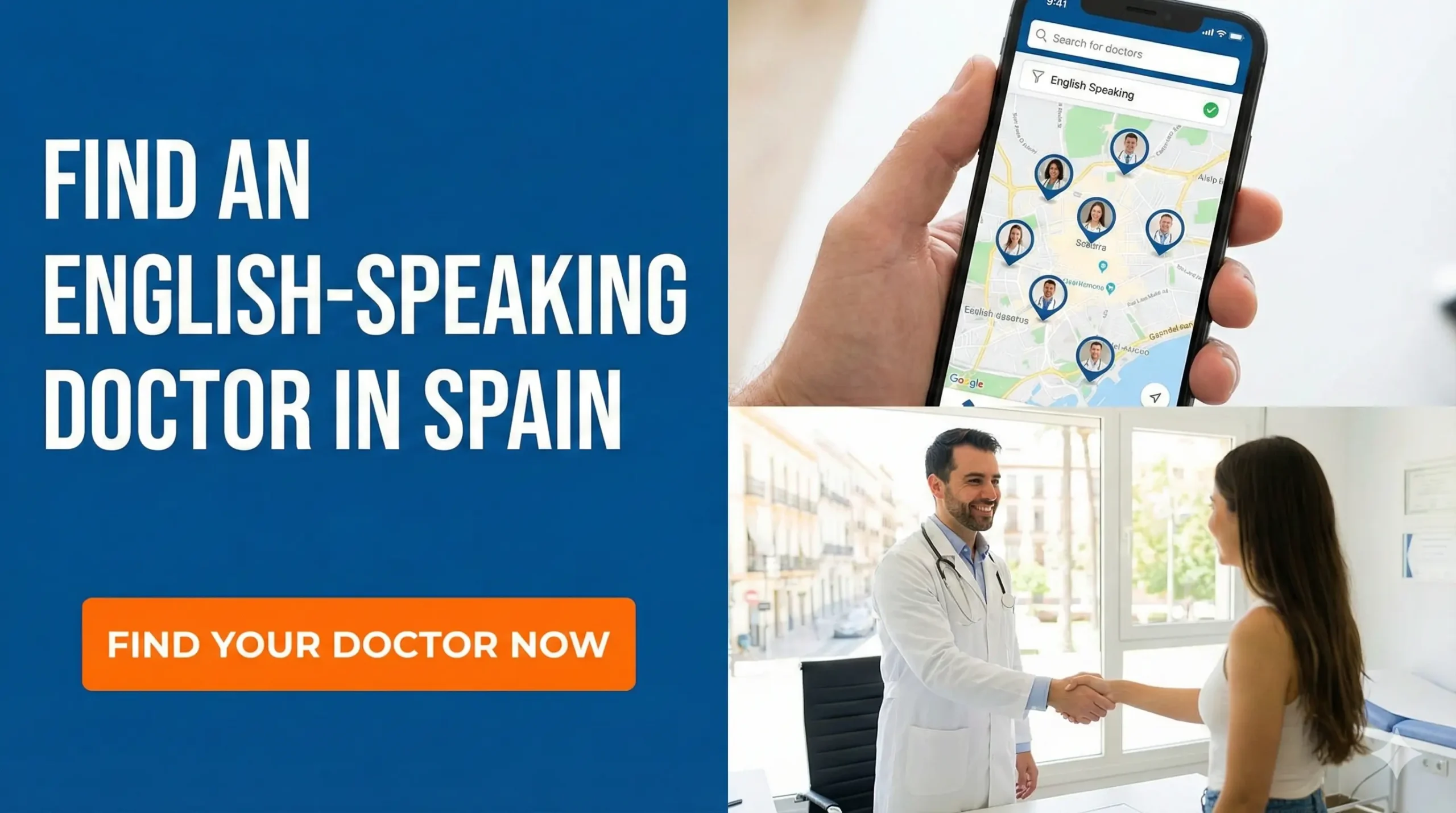
How to Find an English-Speaking Doctor in Spain A Practical Guide
Navigating a foreign medical system is daunting, especially with a language barrier. This comprehensive guide explains practical strategies to find an English-speaking doctor in Spain across both public and private healthcare sectors, ensuring you receive comfortable, clear medical care.
Disclosure: This post may contain affiliate links. We may earn a commission at no extra cost to you if you make a purchase through these links. Read full disclosure.
The Language Barrier in Spanish Healthcare
Before diving into the search strategies, it is important to understand the landscape of English proficiency within the Spanish medical community. Spain has a highly developed, dual-tier healthcare system consisting of the state-funded public sector and the independent private sector. The prevalence of English-speaking professionals varies significantly between these two ecosystems, as well as by geographic region.
In major metropolitan hubs like Madrid, Barcelona, and Valencia, or heavily expat-populated coastal regions such as the Costa del Sol and the Costa Blanca, finding an English-speaking doctor is relatively straightforward. Clinics in these areas actively recruit multilingual staff to cater to the international community. Conversely, if you choose to settle in the deep interior of the country or in smaller rural pueblos, securing medical care in English becomes a substantial challenge.
It is also worth noting that medical education in Spain is rigorous. Most Spanish doctors must read international medical journals and research papers published in English during their training. Therefore, many possess excellent reading comprehension in medical English. However, reading a clinical study is vastly different from holding a fluid, empathetic conversation with a stressed patient. Do not assume that a doctor’s ability to understand an English medical term equates to their ability to conduct a comprehensive consultation in English.
Navigating the Public Healthcare System
The Spanish public healthcare system is universally praised for its high-quality emergency care, excellent surgical outcomes, and comprehensive coverage. If you are legally residing and working in Spain, you contribute to the Social Security system and are entitled to these benefits. To learn how the broader infrastructure operates, you can review our guide on Spanish Public Healthcare System.
However, the public system is fundamentally designed for the local population. When you register at your neighborhood clinic, you are randomly assigned a primary care physician. You do not get to browse a list of doctors or filter them by language proficiency.
Requesting a Change of Doctor
If you register at your local clinic and discover that your assigned doctor does not speak English, you are not permanently stuck. The public system allows patients to request a change of doctor.
You can approach the administrative desk at your clinic and politely inquire if there is a primary care physician on staff who speaks English. If one is available, you can submit a formal request to transfer to their patient list. Keep in mind that this is subject to availability; if the English-speaking doctor’s patient roster is already full, your request may be denied. For a step-by-step look at how to initially register and receive your medical assignments, consult How to Get a Spanish Health Card Tarjeta Sanitaria.
The Role of Medical Interpreters
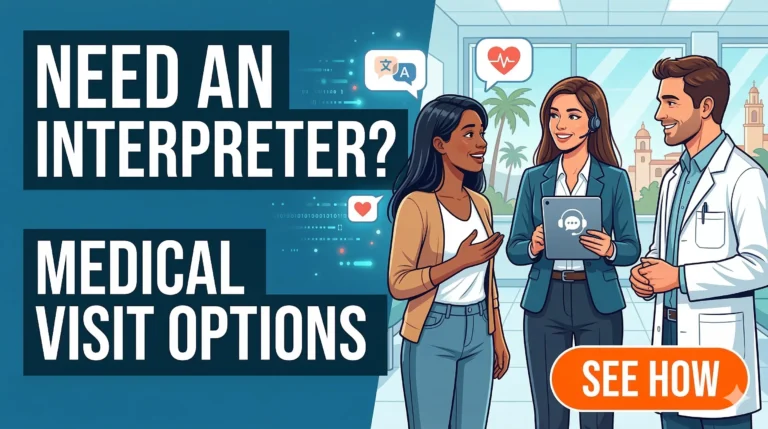
If you live in an area where changing to an English-speaking public doctor is impossible, you must bring a translator to your appointments. The public health system does not provide free medical interpreters for routine appointments.
You have a few options:
- Bring a Bilingual Friend: This is the most common and cost-effective solution, provided you are comfortable sharing your private medical details with them.
- Hire a Professional Medical Interpreter: Many regions with high expat populations have professional translation services dedicated to medical appointments. These professionals charge an hourly rate but offer the immense benefit of understanding complex medical vocabulary in both languages, ensuring nothing is lost in translation.
- Use Translation Apps with Caution: While apps like Google Translate have improved remarkably, they should only be used for very basic administrative tasks at the reception desk, not for discussing complex medical symptoms or treatment plans.
Utilizing Private Health Insurance to Find Specialists
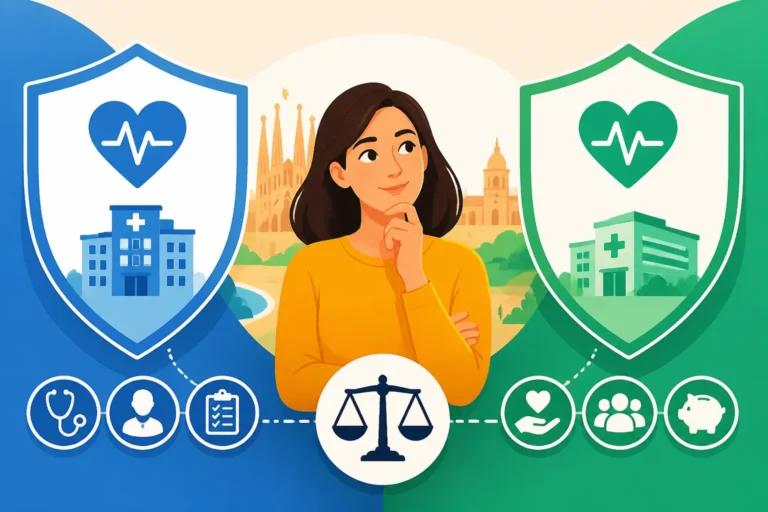
For the vast majority of expatriates seeking guaranteed English-language medical care, the private healthcare sector is the absolute best route. Private health insurance in Spain is highly affordable compared to systems in the United States and offers the invaluable benefit of complete freedom of choice.
When you purchase a private policy, you are not assigned to a single neighborhood clinic. Instead, you are given access to the insurer’s massive network of private hospitals, clinics, and independent specialists. This means you can proactively seek out doctors who advertise their English proficiency.
How to Use the Cuadro Medico
Every private insurance company provides its members with a medical directory, known as the cuadro médico. This is a digital database where you can search for doctors by specialty and location.
The top-tier insurance providers—such as Sanitas, Adeslas, DKV, and Asisa—have modernized their digital directories to cater to their growing international client base. When using their apps or online portals, you can often apply a “Language” filter to your search. Simply select your city, choose the specialty you need, and filter by “English.” The directory will generate a list of verified, in-network professionals who can conduct consultations in your native language.
If you are currently evaluating your coverage options to ensure you have this level of flexibility, we highly recommend reading our insights on Choosing the Right Private Health Insurance in Spain.
Top Online Directories and Medical Platforms
If you do not have private health insurance and wish to pay out-of-pocket for a private consultation, or if your insurance directory’s search function is lacking, there are powerful independent digital platforms designed to connect patients with doctors.
Doctoralia
Doctoralia is arguably the most popular and comprehensive medical booking platform in Spain. It operates similarly to a search engine specifically for healthcare professionals.
To find an English-speaking doctor using Doctoralia:
- Navigate to the homepage and enter the specialty you need (e.g., General Practitioner, Dermatologist, Cardiologist).
- Enter your city or specific zip code.
- Once the initial list of doctors populates, look for the “Idiomas” (Languages) filter on the sidebar.
- Select “Inglés.”
The platform will display profiles of doctors who speak English. A massive advantage of Doctoralia is the review system. You can read reviews left by other patients, which frequently highlight the doctor’s bedside manner and true language fluency. Furthermore, you can book your appointment directly through the platform, avoiding the need to make a phone call in Spanish.
TopDoctors
TopDoctors is another premium medical directory operating in Spain. It positions itself slightly higher up the market, strictly auditing the doctors allowed on its platform to ensure they meet rigorous professional standards. Like Doctoralia, TopDoctors features robust filtering options, allowing you to easily locate English-speaking specialists, read their detailed biographies, view their academic credentials, and book appointments online.
International Clinics
In coastal regions and major cities, you will frequently find entirely independent “International Clinics.” These medical centers are established specifically to serve the expatriate and tourist populations. The receptionists, nurses, and doctors are all fluent in English, and often in other languages such as German, Dutch, or Swedish. While these clinics are incredibly convenient and offer a comforting environment, they are almost exclusively private. You will either need an accepted private insurance policy or be prepared to pay the consultation fees out-of-pocket, which typically range from €80 to €150 for a standard visit.
Finding English Speaking Pediatricians and Gynecologists
Certain medical specialties require an even higher degree of clear, nuanced communication. Finding an English-speaking pediatrician or gynecologist is often a primary concern for expatriate families.
Pediatric Care
In the Spanish public system, children are assigned a dedicated pediatrician until they are 14 years old. Because communicating your child’s symptoms accurately is paramount, many expat parents opt for the private sector specifically for pediatric care. When using private directories like Doctoralia, you can filter for pediatricians who speak English. This ensures you can fully understand vaccination schedules, developmental milestones, and treatment plans. For a broader look at managing family medical needs, explore Women’s and Family Health in Spain: Maternity, Pediatrics, and Screening.
Women’s Health
Similarly, gynecological and obstetric care requires profound trust and clear communication. The nuances of reproductive health, prenatal care, and family planning are deeply personal. Expatriate women frequently utilize private health insurance to select an English-speaking OB/GYN, ensuring they feel completely comfortable and understood during routine screenings, pregnancy, and childbirth.
Expat Communities and Word of Mouth
While digital directories are incredibly useful, never underestimate the power of word-of-mouth recommendations from the local expatriate community.
Fellow expats have already navigated the trial and error of finding good medical care and are usually eager to share their experiences. Facebook groups dedicated to expats in specific Spanish cities (e.g., “Expats in Madrid,” “Barcelona Expats,” or “Costa del Sol Expat Community”) are goldmines for medical recommendations.
You can use the search bar within these groups to look for past posts regarding English-speaking doctors, or you can create a new post asking for a specific recommendation. People will readily share the names of doctors they trust, clinics with excellent bilingual receptionists, and professionals to avoid. This ground-level intelligence is often more reliable than a simple language tag on a corporate website.
Embassy and Consulate Medical Lists
If you are struggling to find a reputable English-speaking doctor, your home country’s embassy or consulate can be an invaluable, highly authoritative resource.
The United States Embassy, the British Embassy, and many other foreign missions in Spain maintain and regularly update lists of English-speaking medical practitioners and hospitals across the country. These lists are freely available to the public on their official websites.
While the embassies explicitly state that they do not endorse or guarantee the quality of the services provided by the doctors on the list, the professionals included have verified their credentials and their ability to consult in English. These lists often categorize doctors by specialty and region, making them an excellent starting point for new arrivals who have not yet built a local network.
The Rise of Telemedicine and Virtual Consultations
The global shift toward digital healthcare has firmly taken root in Spain, providing a highly convenient alternative for expats seeking English-language medical advice for non-emergency situations.
Most major Spanish private health insurance companies now include robust telemedicine features within their mobile applications. You can request a video consultation with a general practitioner in a matter of minutes. When requesting a digital appointment, you can often specify your preferred language.
Telemedicine is excellent for routine issues, such as getting a prescription refilled, discussing mild symptoms like a rash or a common cold, or receiving a referral to a specialist. It removes the stress of navigating public transport to a clinic and allows you to consult with an English-speaking doctor from the comfort of your home. However, it cannot replace physical examinations, so you must still establish a relationship with a local, in-person doctor for comprehensive care. Staying proactive about these check-ups is vital; learn more about managing your long-term wellness in Staying Healthy in Spain: Preventive Care, Vaccines, and Wellness.
Comparison of Methods for Finding a Doctor
To help you choose the best strategy for your specific situation, review the following comparison table detailing the most common methods for finding an English-speaking doctor in Spain.
| Search Method | Pros | Cons | Best For |
| Private Insurance Directory | Free with policy; guaranteed in-network. | Limited to the specific insurer’s roster of doctors. | Expats holding comprehensive private health insurance. |
| Doctoralia / TopDoctors | Massive selection; patient reviews; easy online booking. | Many doctors only accept private pay, not public. | Out-of-pocket patients and those seeking specialists. |
| Embassy Medical Lists | Vetted professionals; highly reliable starting point. | Lists can be outdated; limited to major cities. | New arrivals and emergency reference. |
| Public Health Clinic (CAP) | 100% free care; close to your home. | No guarantee of English speakers; cannot choose doctor. | Long-term residents integrated into the public system. |
| Expat Facebook Groups | Honest, real-world reviews from fellow foreigners. | Opinions are subjective and anecdotal. | Finding empathetic specialists like OB/GYNs or Pediatricians. |
Essential Spanish Medical Vocabulary
Even if you successfully locate an English-speaking doctor, you will likely still have to interact with Spanish-speaking receptionists, nurses, or pharmacists. While the doctor may speak fluent English, the administrative staff at the front desk frequently do not.
Learning a few basic medical phrases in Spanish will significantly reduce your stress and help you navigate the initial check-in process smoothly.
| English Phrase | Spanish Translation | Pronunciation Guide |
| I need to see a doctor. | Necesito ver a un médico. | Neh-seh-see-toh ver ah oon meh-dee-coh |
| Do you speak English? | ¿Habla inglés? | Ah-blah een-gles? |
| I have an appointment. | Tengo una cita. | Ten-go oo-nah see-tah |
| I have private insurance. | Tengo seguro privado. | Ten-go seh-goo-roh pree-vah-doh |
| It hurts here. | Me duele aquí. | Meh dweh-leh ah-kee |
| I need a prescription. | Necesito una receta. | Neh-seh-see-toh oo-nah reh-seh-tah |
| Emergency room | Urgencias | Oor-hen-see-ahs |
| Pharmacy | Farmacia | Far-mah-see-ah |
Conclusion
Finding an English-speaking doctor in Spain requires a proactive approach, but it is an entirely manageable task thanks to the country’s modernizing healthcare sector and robust digital tools.
If you rely on the public healthcare system, utilizing local translation services or politely requesting a doctor transfer can help bridge the linguistic divide. However, investing in a private health insurance policy provides the ultimate peace of mind, granting you the freedom to browse extensive medical directories, read patient reviews on platforms like Doctoralia, and handpick a specialist who speaks your native language perfectly. By leveraging embassy lists, consulting local expatriate communities, and familiarizing yourself with basic Spanish medical terminology, you can confidently navigate the medical landscape and ensure your health is always in safe, communicative hands.
References
Primary Sources Official
- Ministerio de Sanidad (Spanish Ministry of Health): https://www.sanidad.gob.es/
- Seguridad Social (Public Healthcare Information): https://www.seg-social.es/
Other Helpful Sources
- U.S. Embassy & Consulate in Spain (Medical Assistance List): https://es.usembassy.gov/u-s-citizen-services/local-resources-of-u-s-citizens/doctors/
- UK Government (Healthcare for UK nationals living in Spain): https://www.gov.uk/guidance/healthcare-in-spain-including-the-balearic-and-canary-islands
- Doctoralia Spain: https://www.doctoralia.es/
Disclaimer
The information provided in this article is for educational and informational purposes only and does not constitute formal medical or legal advice. Healthcare administration rules, private insurance network directories, and the availability of English-speaking professionals are subject to change. The mention of specific digital platforms, insurance companies, or embassy lists does not constitute an endorsement. We strongly recommend independently verifying the language proficiency and medical credentials of any healthcare provider before booking a consultation.