What’s the Best Time of Year for a City Break in Spain?
Choosing the wrong month for a Spanish city break can transform a dream vacation into a sweltering struggle against closed shop shutters or a literal washout under seasonal rains. This guide breaks down the nuances of Spain's climate and cultural calendar to help you identify the perfect window for your urban escape, ensuring you avoid the tourist traps and weather extremes.
Disclosure: This post may contain affiliate links. We may earn a commission at no extra cost to you if you make a purchase through these links. Read full disclosure.
Understanding Spains Seasonal Rhythms for Urban Exploration
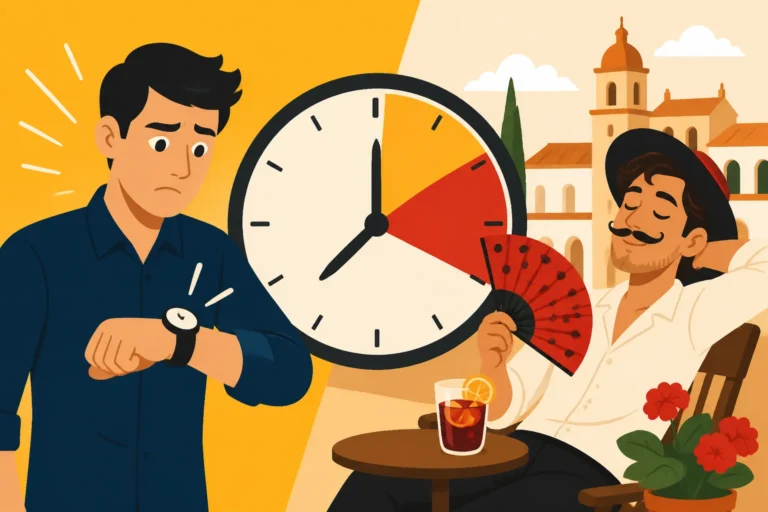
When I first moved to Spain, I made the classic rookie mistake of booking a trip to Madrid in mid-August. I expected a vibrant, bustling capital; instead, I found a ghost town where the only thing moving was the shimmering heat rising off the pavement. Most locals flee the cities for the coast in summer, leaving many independent shops and authentic tapas bars shuttered for the month. To truly experience the soul of a Spanish city, you have to time your visit with the local pulse.
The Sweet Spot of Spring
From late March through May, Spain is arguably at its most beautiful. This is when the orange blossoms—azahar—scent the streets of Seville and Valencia, and the temperatures are mild enough to walk ten miles a day without breaking a sweat. If you are planning a multi-city itinerary, using Omio is a great way to compare train and bus schedules during this peak travel window.
Spring is also the season of massive cultural spectacles. You might find yourself caught up in the fervor of Easter processions or the colorful chaos of a local feria. However, because this is the "goldilocks" zone for weather, you’ll need to book your accommodation early on Booking.com to avoid inflated last-minute prices. It’s also wise to check Public Holidays in Spain: How They Affect Travel and Opening Hours before you finalize your dates, as a random local holiday can result in closed museums and packed restaurants.
The Golden Hues of Autumn
September and October are my personal favorite months for a city break. The brutal heat of the summer has dissipated, but the Mediterranean remains warm enough for an afternoon dip if you’re visiting a coastal city like Barcelona or Malaga. The light in the evenings turns a deep, honey-gold, perfect for photography tours you can book via GetYourGuide.
Autumn is also the harvest season. If you are a foodie, this is when the Spanish Food and Drink: A Practical Culture Guide truly comes alive with mushrooms, chestnuts, and the first of the season’s game. The cities feel more lived-in during this time; the locals are back from their holidays, and the evening paseo (ritual stroll) is in full swing.
Winter The Underrated City Break
If you aren't afraid of a bit of a chill—rarely reaching the freezing levels of Northern Europe—winter is the best time for a budget-conscious traveler. Madrid and Granada can get quite cold due to their altitude, but they offer crisp, blue skies and much shorter queues for major landmarks.
Imagine visiting the Alhambra in Granada without the stifling heat and the three-hour wait. You can easily find skip-the-line tickets on GetYourGuide to ensure your entry. December also brings the magic of Spanish Christmas markets and the unique tradition of the Three Kings parade. It’s the ideal time to hunker down in a cozy café and learn What Time Do Spaniards Eat Lunch and Dinner? so you can time your meals with the locals and stay warm.
Regional Differences When to Visit Madrid vs Barcelona vs Seville
Spain is a diverse country with several distinct climate zones. What works for a weekend in the Basque Country might be a disaster for a trip to Andalusia. You have to tailor your timing to the specific geography of your destination.
The Southern Heat Seville Cordoba and Granada
If your heart is set on the south, timing is everything. From June to September, these cities are essentially an oven. Visitors to Seville in July can underestimate the 45°C (113°F) heat, and heat-related fainting is a real risk. For Seville, Granada, and Córdoba: Andalusia's Great Cities, the best months are April, May, October, and November.
If you must go in summer, do as the locals do: stay indoors between 2:00 PM and 8:00 PM. Use Omio to find air-conditioned high-speed trains that get you between cities during the hottest parts of the day. Evening is when the south truly wakes up, with lively terraces and outdoor flamenco shows.
The Mediterranean Hubs Barcelona and Valencia
Coastal cities are a bit more forgiving in the summer because of the sea breeze, but they suffer from high humidity and massive tourist crowds. August in Barcelona can feel like being in a giant, humid human soup. Instead, aim for June or September.
In these cities, knowing Barcelona for First-Time Visitors: What to See and Skip is essential for maximizing your time. You’ll want to use Booking.com to find a hotel with a rooftop pool—trust me, you’ll appreciate it after a morning of sightseeing. Also, keep an eye on your belongings in crowded areas; reading up on Staying Safe in Spain: Common-Sense Tips for Travelers is a must before you hit the Ramblas.
The Central Plateau Madrid and Salamanca
Madrid has a saying: nueve meses de invierno y tres de infierno (nine months of winter and three of hell). While an exaggeration, it points to the city’s extreme temperature swings. For Madrid for First-Time Visitors: Neighborhoods and Highlights, late spring and early autumn are unbeatable.
However, if you enjoy museums, Madrid is a fantastic winter destination. The "Big Three" art museums—the Prado, the Reina Sofia, and the Thyssen—are climate-controlled and less crowded in January. You can organize guided tours through GetYourGuide to get a deeper understanding of the masterpieces without fighting through a wall of selfie sticks.
Practical Planning Avoiding Crowds and Managing Your Budget
A successful city break isn't just about the weather; it's about the logistics. Spain's popularity means that the most famous sites can be booked out weeks in advance.
Booking Transport and Accommodation
The earlier you book, the more you save. For internal travel, Omio allows you to see the price differences between the state-run Renfe trains and newer low-cost competitors like Iryo and Ouigo. Sometimes, a bus is actually more convenient for certain routes, and Omio will show you those options side-by-side.
When it comes to where to stay, Booking.com offers a range of apartments that can be more cost-effective than hotels, especially if you want to save money by cooking a few meals with fresh ingredients from the local market. Just make sure the place has "climatización" (air conditioning) if you are visiting anywhere south of Madrid.
Managing the Daily Rhythm
One of the biggest shocks for new visitors is the Spanish Meal Times and Dining Etiquette Explained. If you try to eat dinner at 6:30 PM, you will likely find yourself in a tourist trap or a very empty restaurant. The best city breaks happen when you adapt to the local schedule: a light breakfast, a large lunch around 2:30 PM, a siesta, and a late dinner at 9:00 PM or 10:00 PM.
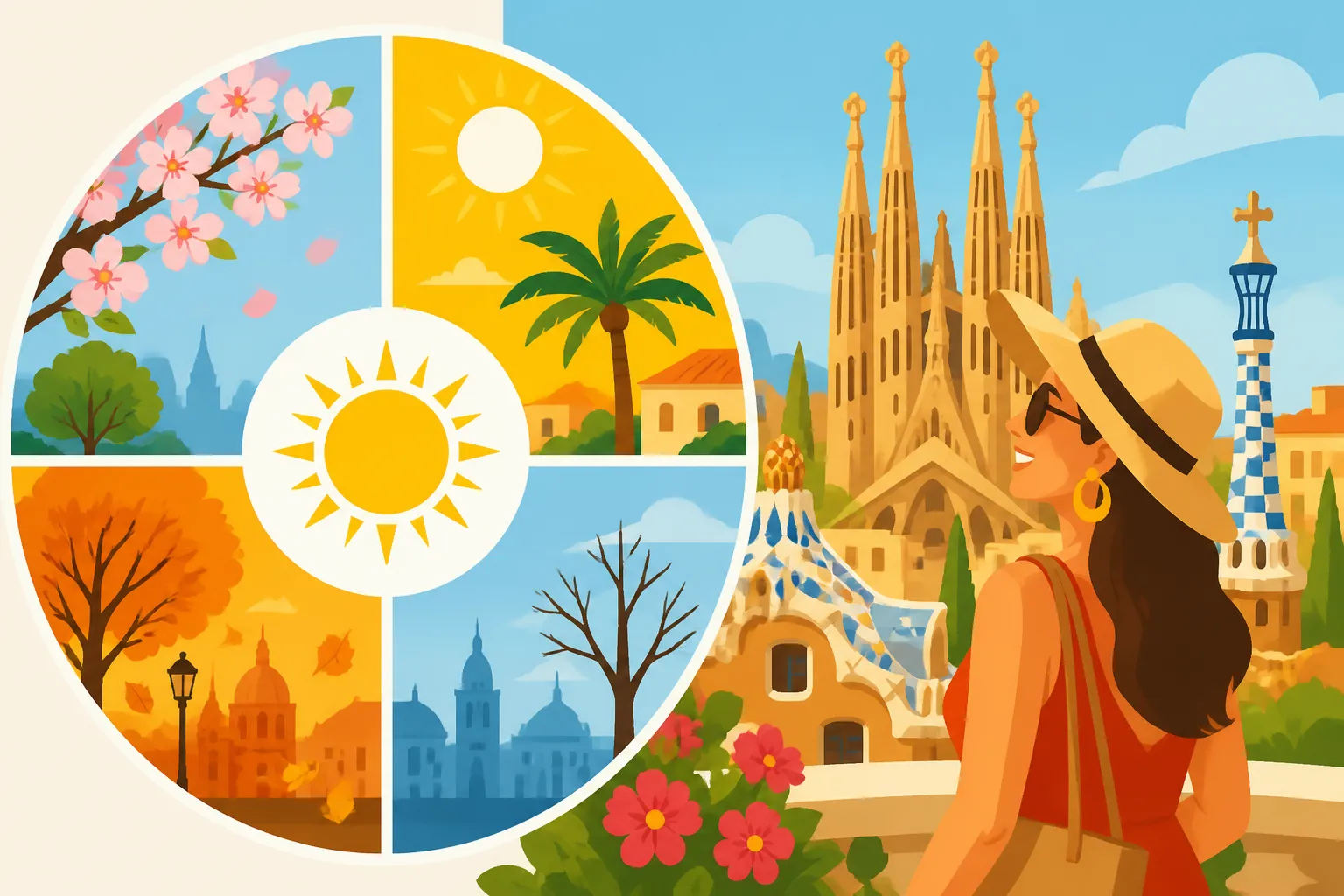
| Season | Weather Expectation | Crowd Levels | Best For… |
|---|---|---|---|
| Spring | Mild & Sunny | High | Festivals & Orange Blossoms |
| Summer | Very Hot & Dry | Peak (Coastal) | Beach-City Combos |
| Autumn | Warm & Golden | Medium | Foodies & Wine Lovers |
| Winter | Crisp & Cool | Low | Budget & Museum Lovers |
Festive Calendar Planning Around Major Events
Sometimes the best time to visit is dictated by a specific event you want to experience. Spain's calendar is packed with festivals that can make a city break unforgettable, though they require significantly more planning.
In March, Valencia hosts Las Fallas, a week of pyrotechnics and giant statues that are eventually burned to the ground. It is an incredible experience, but the city becomes incredibly crowded. You should secure your train tickets on Omio months in advance for this one.
In April or May, Seville’s Feria de Abril turns the city into a giant party of horses, flamenco dresses, and sherry. If you are looking for authentic experiences, GetYourGuide often has listings for "feria experiences" that help you navigate the private tents (casetas) which can be hard for tourists to access.
For those who prefer a quieter, more spiritual vibe, the Semana Santa (Holy Week) processions in cities like Valladolid or Malaga are breathtaking. Just be aware that prices on Booking.com will double or triple during these specific weeks, so your "best time" might be the week immediately following these big events when the cities settle back into a more relaxed rhythm.
Choosing Your Personal Best Time
Ultimately, the best time for your Spanish city break depends on your priorities. If you want the quintessential Spanish experience with sun and vibrant street life, go in May or September. If you are on a tight budget and want the museums to yourself, January and February are your best friends.
Avoid August unless you are heading to the northern coast (San Sebastian or Bilbao), where the temperatures remain pleasant. For everywhere else, the heat is simply too restrictive for a city-based holiday. Use the tools available to you—Omio for your transit, GetYourGuide for your experiences, and Booking.com for your home base—and you’ll be well on your way to an incredible Spanish adventure regardless of the season.
Disclaimer
The information provided in this guide is for informational purposes only. Travel conditions, weather patterns, and event schedules in Spain can change due to local regulations or unforeseen circumstances. Always check official government websites and local weather forecasts before your trip. The author and publisher are not responsible for any inconveniences or financial losses incurred while traveling.