How to Find LGBTQ+ Friendly Nightlife in Spain
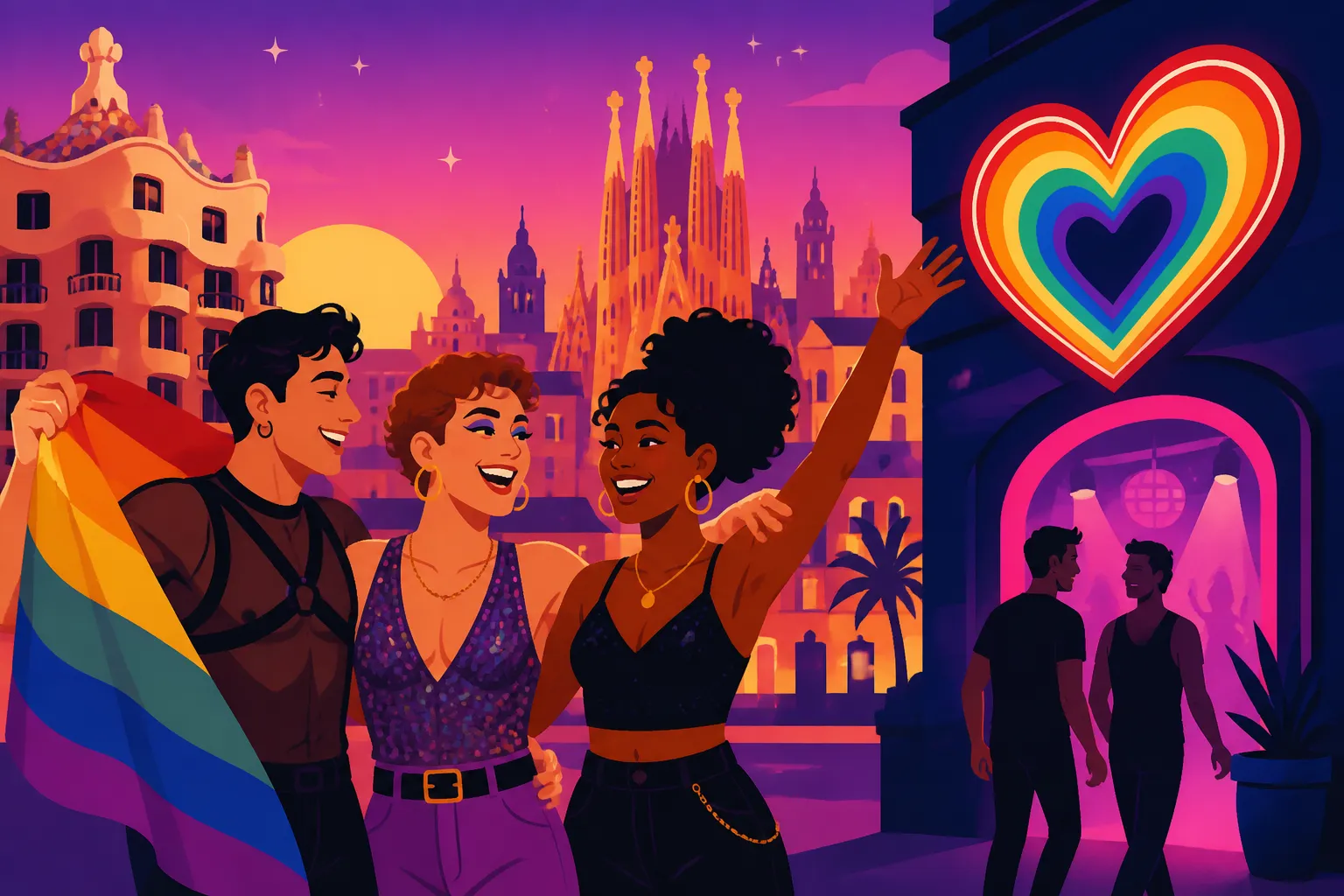
Arriving in a new country and wanting to celebrate your identity can be a mix of excitement and anxiety. While Spain is a world leader in queer rights, finding the specific tribe or vibe you crave isn't as simple as following a rainbow flag. This guide breaks down exactly how to navigate Spain’s LGBTQ+ nightlife to ensure your nights are safe, inclusive, and unforgettable.
Disclosure: This post may contain affiliate links. We may earn a commission at no extra cost to you if you make a purchase through these links. Read full disclosure.
The Best LGBTQ+ Districts in Spain
When you first land in Spain, you might assume that because the country is so progressive, every neighborhood is a queer haven. While Spain is generally very safe, the nightlife tends to cluster in specific "barrios" that have deep historical roots in the community. Understanding these hubs is the first step to moving beyond the tourist traps and finding where the locals actually hang out.
Madrid's Chueca District
If there is a beating heart of queer life in Southern Europe, it is Chueca. Located just north of the Gran Vía, this neighborhood was once a run-down area that the LGBTQ+ community transformed into one of the most vibrant districts in the world. When you walk out of the Chueca metro station, you are immediately greeted by rainbow-colored architecture and an atmosphere that feels perpetually festive.
For a veteran expat, the beauty of Chueca isn't just the massive clubs like Black & White or the circuit parties; it is the "caña and tapa" culture. You can start your evening at a small, unassuming bar on Calle Pelayo, where the bartender has probably seen thirty years of Pride history. If you are planning to visit Madrid for the famous MADO (Madrid Orgullo), it is wise to use Booking.com to secure a place within walking distance months in advance, as the city reaches total capacity. For those who want a deeper dive into the history of the area before the sun goes down, you can often find walking tours on GetYourGuide that highlight the neighborhood's transition from a marginalized zone to a global symbol of freedom.
Barcelona's Gaixample
In Barcelona, the scene is a bit more spread out, but the "Gaixample" (a play on the Eixample district) is where you will find the highest density of queer-owned businesses. Unlike the narrow, winding streets of Madrid’s Chueca, Gaixample features wide, elegant boulevards. This creates a different kind of nightlife experience—one that feels a bit more sophisticated and polished.
The area is roughly bounded by Carrer d'Aragó, Carrer de Balmes, Carrer de la Diputació, and Carrer de Comte d'Urgell. Here, you will find everything from "bear bars" to high-end cocktail lounges and feminist bookstores. Barcelona’s scene is deeply international, reflecting the city’s status as a global tech and tourism hub. If you are traveling between Madrid and Barcelona to compare the two scenes, using Omio to book a high-speed AVE train is the most efficient way to travel, often getting you city-to-city in under three hours. Once you arrive, you will notice that Barcelona’s queer nightlife is closely tied to its beach culture, especially during the summer months.
The Coastal Havens: Sitges and Torremolinos
Beyond the big two cities, Spain boasts two coastal towns that are legendary in the LGBTQ+ world. Sitges, located just a short train ride south of Barcelona, is a stunning Mediterranean town that has been a queer refuge since the 1960s. It is more than just a party town; it is a place where you can see same-sex couples of all ages holding hands along the promenade without a second thought.
Further south, in Andalusia, Torremolinos holds the title of the queer capital of the Costa del Sol. The epicenter here is "La Nogalera," a plaza packed with bars and clubs that stay open until the sun comes up. The vibe in Torremolinos is often more relaxed and affordable than in Barcelona or Madrid. Whether you are looking for a drag show or a quiet place to enjoy a tinto de verano, these coastal towns offer a different pace of life. You can easily find day trips or transport options to these coastal spots through GetYourGuide if you want to escape the city heat for a weekend.
Navigating the Cultural Landscape
Finding the right spot is only half the battle; the other half is understanding the "social clock" and etiquette that governs Spanish nights. Many newcomers make the mistake of showing up to a club at midnight only to find they are the only ones there. Nightlife in Spain: Cities That Stay Up Late is a concept you must embrace if you want to experience the true energy of the scene.
Timing Is Everything
The most common frustration for expats is the timing. In many countries, the "big night out" starts with drinks at 8 PM and ends at 2 AM. In Spain, if you go to a queer bar in Chueca or Gaixample at 9 PM, you might be the only person there. People generally meet for dinner around 10 PM. You should check out How Late Is Too Late for Dinner in Spain to understand why the pre-party doesn't even begin until well after midnight.
The "hora punta" (peak time) for bars is usually between 1 AM and 3 AM, while the serious clubs don't get moving until 3 AM and often stay packed until 6 or 7 AM. This can be a shock to the system, but it’s part of the charm. It allows for a slow build-up of energy, moving from a quiet vermouth to a lively dinner, and finally to the dance floor. This rhythm is a core part of Spain's Social Customs: Greetings, Kisses, and Personal Space, where socializing is a marathon, not a sprint.
Language and Labels
While most staff in the major LGBTQ+ hubs speak some English, knowing a few local terms will help you feel more at home. In Spain, the community is very inclusive, but you will still see specific bars catering to subcultures. You might see signs for "Osos" (Bears) or "Chicas" (specifically for women).
If you are looking for specific types of events, it helps to understand Spanish Slang and Everyday Expressions for Visitors. For example, a "fiesta" is a general party, but a "sesión" usually refers to a specific themed night at a club. Don't be afraid to ask locals for recommendations; the Spanish queer community is generally very welcoming to foreigners. If you are ever unsure about the vibe of a place, a quick look at the crowd outside will tell you everything you need to know.
| City | Primary Queer District | Vibe | Best For |
|---|---|---|---|
| Madrid | Chueca | High Energy, Traditional | Street parties, historical bars, massive clubs |
| Barcelona | Gaixample | Cosmopolitan, Chic | Stylish cocktail lounges, international crowds |
| Sitges | Town Center/Beaches | Relaxed, Mediterranean | Beach days, sunset cocktails, older crowds |
| Torremolinos | La Nogalera | Fun, Unpretentious | Drag shows, budget-friendly drinks, summer sun |
Safety and Practicalities for a Night Out
Spain is one of the safest countries in the world for LGBTQ+ individuals, consistently ranking high on the Rainbow Europe Map. However, "safe" doesn't mean "careless." Like any major nightlife destination, there are practicalities you need to manage to ensure your night doesn't end with a headache—or a missing phone.
Avoiding Common Scams and Theft
The biggest threat in Spanish nightlife isn't hate crime; it’s petty theft. Pickpockets in areas like Las Ramblas in Barcelona or the crowded streets of Chueca are professionals. They often target people who look like they’ve had a few too many drinks. You should read How to Avoid Pickpockets in Spain's Tourist Areas to learn the specific tactics they use, such as the "football move" where someone pretends to play with you while sliding their hand into your pocket.
Always keep your phone in a front pocket or a zipped bag worn across your chest. Never leave your bag on the back of a chair or on the floor at a bar. If you are out dancing, many clubs offer a "ropero" (cloakroom). Use it. It’s worth the 2 or 3 euros to know your jacket and valuables are secure while you’re on the dance floor. Staying Safe in Spain: Practical Safety Tips for New Residents provides a broader look at how to maintain awareness in crowded urban environments.
Transport and Getting Home
Getting home after a long night is usually quite easy in Spain's major cities. Madrid and Barcelona have excellent public transport, but the Metro does close for a few hours in the middle of the night (except on Saturdays in Barcelona when it runs all night). If the Metro is closed, look for the "Búho" (Owl) buses. These are night buses that run routes similar to the metro lines.
Taxis are also plentiful and relatively affordable compared to London or New York. Apps like FreeNow or Cabify are widely used and safer than hailing a random car if you are in an unfamiliar area. If you’ve spent the night in Sitges and need to get back to Barcelona, remember that the "Rodalies" trains stop running around midnight and don't start again until about 6 AM, though there are night buses (MonBus) that fill the gap. Using Omio can help you check schedules for these regional connections ahead of time so you aren't stranded on a beach at 4 AM—unless that was the plan! For more details on navigating these systems, see Getting Around Spanish Cities: Metro, Bus, Tram, and Bikes.
Planning for the Big Events
If you are coming to Spain specifically for an event like Circuit Festival in Barcelona or Winter Pride in Maspalomas, your planning needs to be meticulous. These events draw tens of thousands of people. This is where Spain's Biggest Festivals: A Year-Round Calendar becomes an essential resource.
For these massive gatherings, you’ll want to look at What to Wear and Bring to a Spanish Outdoor Festival. The Spanish sun is brutal, even during a parade, and dehydration is a common reason for hospital visits during Pride. Also, be aware that during these peak times, many bars will charge an entrance fee or "entrada" that usually includes one drink (consumición). It is always cheaper to book your accommodation through Booking.com as far in advance as possible to avoid the "Pride tax" that hotels apply when they see high demand.
Finally, remember that Spanish Bar and Café Etiquette for Newcomers still applies in queer spaces. Being polite to the "portero" (bouncer) and the bar staff goes a long way. Spain is a country built on social connections and mutual respect; a simple "Hola, buenas" when you enter a bar can set the tone for your entire night.
Traveling around the country to experience different regional vibes is highly recommended. Each city has its own flavor of queer life, influenced by local history and culture. Whether you are taking the bus, train, or a short flight, Traveling Around Spain: Trains, Buses, Flights, and Car Hire will give you the logistics you need to move seamlessly from the drag stages of Madrid to the nude beaches of Sitges.
Disclaimer
This guide is intended for informational purposes only. While Spain is generally a safe and welcoming country for LGBTQ+ travelers and residents, individual experiences can vary. Always remain aware of your surroundings, follow local laws, and consult official municipal websites for the most up-to-date information on safety, public transport schedules, and event permits. We do not guarantee the current status or safety of any specific venue mentioned.