What to Know Before Attending a Bullfight in Spain
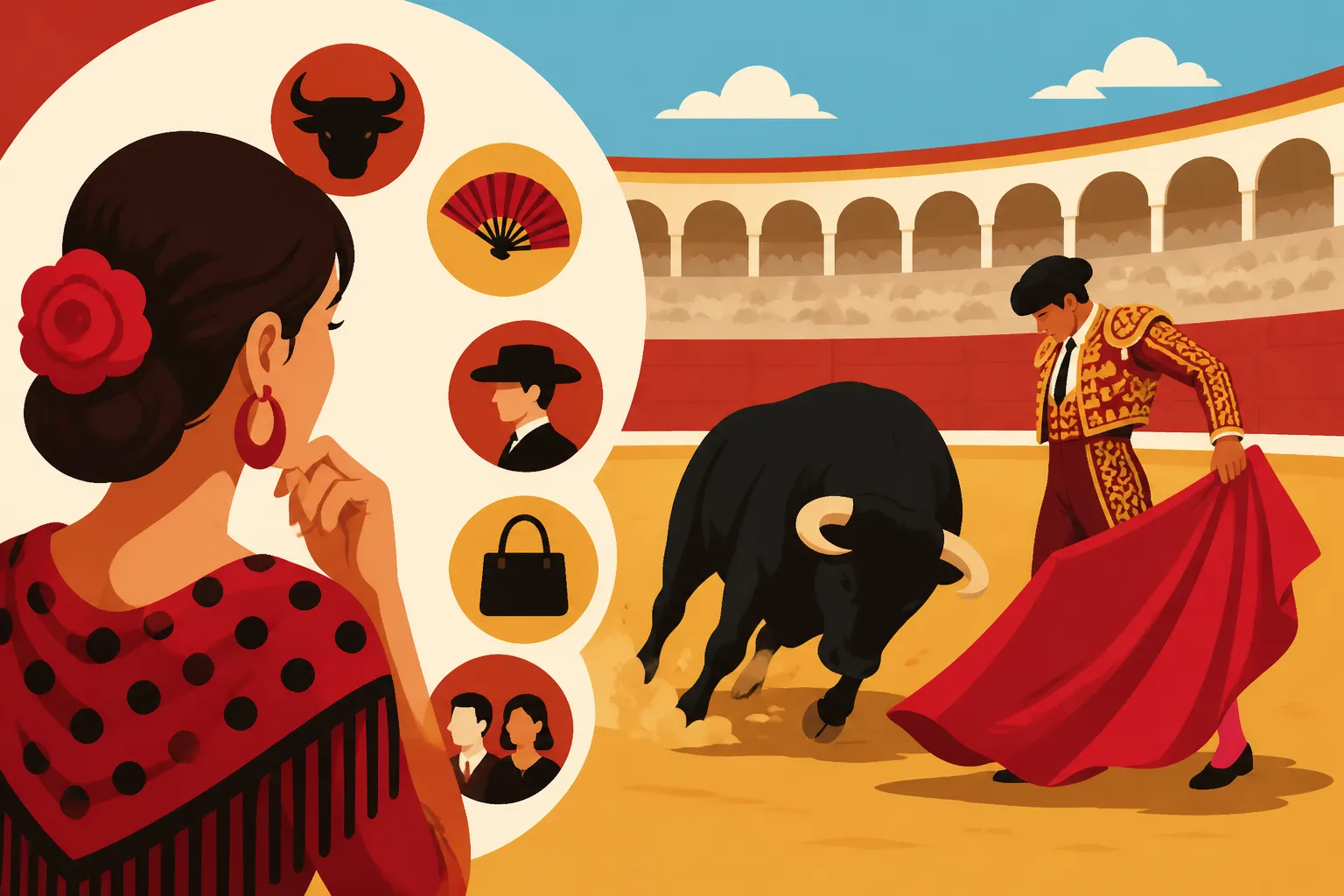
Most foreigners arrive in Spain and immediately see posters for the Feria featuring majestic bulls and colorful matadors. It is one of the most polarizing aspects of Spanish life, and deciding whether to attend can be a moral minefield. This guide provides a neutral, detailed breakdown of the rituals, the controversy, and the practicalities so you can navigate this cultural complexity informed and prepared.
Disclosure: This post may contain affiliate links. We may earn a commission at no extra cost to you if you make a purchase through these links. Read full disclosure.
Understanding the Cultural Weight and Regional Differences
If you have lived in Spain for any length of time, you quickly realize that the bullfight, or la corrida de toros, is not merely a "sport" or a tourist attraction; it is a deeply embedded, albeit declining, cultural institution. To the aficionados, it is an art form akin to ballet or opera. To a large and growing number of Spaniards, however, it is a relic of a past that they would rather see abolished. As an expat, navigating these conversations requires a bit of nuance. You will find that Spain's Regions and Where to Go: A Traveler's Overview often dictates how the event is perceived.
In regions like Catalonia or the Canary Islands, bullfighting has been banned or effectively ceased to exist for years. However, in the heartlands of Madrid, Andalusia, and Extremadura, the tradition remains robust. The Las Ventas bullring in Madrid is considered the world capital of bullfighting, and the Maestranza in Seville is its historical soul. If you are planning a trip to see one, you should be aware that the atmosphere varies wildly depending on the city and the specific festival. For instance, attending a fight during the San Isidro festival in Madrid is a far more formal and high-pressure event than a local town's novillada (a fight with younger bulls and trainee matadors).
When you are deciding where to base yourself for such a cultural immersion, using a platform like Booking.com can help you find accommodation near the historic bullrings, which are usually located in the city centers. Being within walking distance allows you to experience the pre-fight atmosphere in the surrounding bars, where fans gather to discuss the lineage of the bulls over glasses of sherry or vermouth.
Planning Your Visit Logistics, Tickets, and Seating
One of the most common mistakes newcomers make is assuming they can just show up and buy a ticket for the "best seat." The ticketing system for a bullring is unique and follows a logic based on the movement of the sun. Unlike a stadium where "front row" is always better, in a Spanish bullring, your physical comfort depends entirely on the temperature.
The Sol, Sombra, and Sol y Sombra Divide
The arena is divided into three main sections: Sol (Sun), Sombra (Shade), and Sol y Sombra (a mix of both). In the height of the Spanish summer, sitting in the Sol section can be physically punishing. The stone seats retain heat, and you will be staring directly into the glare for the duration of the event. These are the cheapest tickets. Conversely, the Sombra section is the most expensive and where the most serious aficionados sit. It provides a clearer view without the blinding light and keeps you cool. The Sol y Sombra section starts in the sun, but as the evening progresses, the shadow of the arena wall eventually covers you.
If you are traveling between cities like Madrid and Seville to catch different festivals, using Omio is a practical way to manage your train or bus connections. Many bullrings are conveniently located near major transport hubs, but you will still want to arrive in the city at least a few hours early. This gives you time to understand the local Spanish Customs, Etiquette, and Social Life before entering the arena.
Booking Tickets and Tours
While some local websites are notoriously difficult for foreigners to navigate due to language barriers, you can often find guided tours of the bullrings themselves on GetYourGuide. These tours are excellent for those who want to see the architecture and learn the history of the Plaza de Toros without necessarily committing to watching a live event. If you do want to attend a fight, tickets can be purchased at the taquilla (box office) or through official online resellers. Be wary of street "scalpers" outside the arena, as counterfeit tickets are a common issue for tourists.
The Anatomy of a Bullfight A Step-by-Step Breakdown
A standard corrida consists of six bulls and three matadors, each taking on two bulls. The event is structured into three distinct parts, known as tercios (thirds), each signaled by a trumpet blast. Understanding these stages is essential to following the narrative of the fight; otherwise, it can look like a chaotic series of events.
El Tercio de Varas (The Third of Lances)
The event begins with the paseíllo, a ceremonial parade where the matadors and their teams (the cuadrilla) enter the ring. Once the bull is released, the matador tests its temperament using a large gold and purple cape called a capote. Then, the picadores enter on horseback. Their role is to use a long lance to pierce the bull’s neck muscles. This is often the most difficult part for foreign spectators to watch, but it serves a technical purpose: it lowers the bull’s head so that the matador can later perform the final kill safely.
El Tercio de Banderillas (The Third of Banderillas)
In this stage, three members of the team, known as banderilleros, attempt to plant pairs of colorful, barbed sticks into the bull's shoulders while it is charging. This is a display of agility and bravery, as the men have no protection other than their own movement. The goal is to stimulate the bull without tiring it out too much. If you are unfamiliar with the terminology used during these stages, checking a guide on Spanish Slang and Everyday Expressions for Visitors can help you understand the shouts and cheers from the crowd.
El Tercio de Muerte (The Third of Death)
This is the climax of the event. The matador enters the ring alone, carrying a smaller red cloth called a muleta and a sword. This stage is a choreographed dance where the matador tries to get as close to the bull as possible, demonstrating mastery and "grace under pressure." The fight ends with the estocada, the final sword thrust. If performed correctly, the bull dies almost instantly. If the matador misses the mark, the crowd will often turn on him with whistles and boos. This is also the moment where the crowd might wave white handkerchiefs to demand that the president of the ring award the matador an "ear" of the bull as a trophy for an exceptional performance.
Essential Etiquette and the Sensory Reality
Attending a bullfight is a sensory overload. There is the smell of the sand and the livestock, the bright colors of the traje de luces (suit of lights), and the intense, often eerie silence of the crowd during the most dangerous moments. It is not like a football match where there is constant chanting. Silence is a sign of respect and concentration.
Crowds, Noise, and the Pañuelo System
You will notice the crowd using white handkerchiefs. This is a vital part of the communication between the fans and the officials. If a matador has been particularly brave or artistic, the crowd waves their handkerchiefs to pressure the Presidente to award a trophy. On very rare occasions, if a bull has shown incredible bravery, the crowd will plead for an indulto (pardon), and the bull will be sent back to the ranch to live out its days as a stud. Understanding Tipping in Spain: When, Where, and How Much won't help you here, but observing the locals will teach you when to stand, when to clap, and when to remain dead silent.
The Emotional and Ethical Toll
It is important to be realistic: you will see blood. The horses are padded and protected, but the bull is visibly wounded during the process. For many, this is too much to handle. If you feel uncomfortable, it is perfectly acceptable to leave between bulls (there is a short break after each one). However, do not try to leave in the middle of a tercio, as it is considered rude to the performers and distracting to other spectators. If you find the reality of the event too distressing, you might prefer focusing on other Festivals, Fiestas, and Public Holidays in Spain that offer cultural excitement without the blood sports.
Comparing the Different Types of Bullfighting Events
Not every event in a bullring is a traditional corrida de toros. Depending on when and where you go, you might encounter different formats that vary in intensity and skill level.
| Type of Event | Key Characteristics | Experience Level |
|---|---|---|
| Corrida de Toros | The "standard" fight with fully grown bulls and professional matadors. | High intensity, very formal. |
| Novillada | Fights with younger bulls (novillos) and apprentice matadors. | Less formal, tickets are cheaper. |
| Rejoneo | A bullfight performed entirely on horseback. | Focus on equestrian skill. |
| Goyesca | A traditional fight where participants wear 18th-century costumes. | Highly aesthetic and rare. |
| Recortes | A non-lethal event where "recortadores" dodge the bull with acrobatic leaps. | Great for those who dislike the kill. |
If you are unsure which one to choose, Booking.com often has listings for boutique hotels that provide local "experience" concierges who can explain what is playing at the local plaza during your stay.
Practical Advice for Foreign Residents and Tourists
If you decide to go, go prepared. The Spanish sun is unforgiving, and the stone benches are hard. Many locals bring a small cushion (almohadilla) or rent one at the entrance for a euro or two. It is the best investment you will make all day. Also, bring water, but be aware that glass bottles are often prohibited inside the arena for safety reasons.
Timing and Punctuality
Spain is often perceived as a place where things start late, but the bullfight is the one exception. A corrida starts exactly on time. If the poster says 18:00, the trumpets will sound at 18:00 sharp. If you arrive late, the ushers will not let you take your seat until the first bull is finished. To ensure you aren't rushing, use Omio to book your transport with plenty of buffer time, especially in busy cities where traffic near the bullring can be a nightmare.
Language and Interaction
While you don't need to be fluent, knowing a few terms will help you navigate the ushers and vendors. "La puerta," "el tendido" (your row), and "el asiento" (your seat) are essentials. If you are sitting in a crowded section, it is common to pass your cushion or drinks down the row. For more help on communicating during your trip, see our guide on Survival Spanish for Travelers: Key Phrases to Learn First.
Deciding to Go Ethical Considerations and Alternatives
Ultimately, the choice to attend a bullfight is a personal one. Many expats live in Spain for decades and never go, viewing it as an unnecessary cruelty. Others attend once to see the "spectacle" and never return. A few become genuine students of the art. If you are on the fence, consider that your tourism dollars do support the industry.
If you decide that a live fight isn't for you, but you are still fascinated by the history and the art, you can book a tour of the stables and the museum at Las Ventas through GetYourGuide. This allows you to see the magnificent architecture, the ornate costumes, and the historical context without witnessing the violence of the event itself. It is a way to respect the Staying Safe in Spain: Practical Safety Tips for New Residents advice by avoiding emotionally charged or potentially dangerous crowd situations if you are sensitive to the subject matter.
Disclaimer
This guide is for informational purposes only. Bullfighting involves the injury and death of animals, which many find distressing or unethical. Readers should research the nature of the event thoroughly before choosing to attend. Laws regarding bullfighting vary by region in Spain and are subject to change.