Spain’s Biggest Festivals: A Year-Round Calendar
Arriving in a Spanish city only to find the shutters down and the streets blocked by a massive parade can be a shock if you haven't checked the calendar. I once spent an entire morning looking for an open pharmacy in Seville, completely oblivious to the fact that the local Feria had basically paused reality. This guide ensures you're never caught off guard by Spain's vibrant, sometimes chaotic, festival schedule.
Disclosure: This post may contain affiliate links. We may earn a commission at no extra cost to you if you make a purchase through these links. Read full disclosure.
Spring Festivals: The Season of Renewal and Color
Spring in Spain is not a quiet transition; it is an explosion of culture that begins almost the moment the winter chill fades. If you are exploring Spain's Regions and Where to Go: A Traveler's Overview, you will notice that the south and the east coast lead the charge with events that define the national identity. This season is characterized by a mix of religious solemnity and pagan-rooted fire festivals, often overlapping in a way that can be confusing for newcomers.
Las Fallas in Valencia: A Fiery Spectacle
Las Fallas is perhaps the most sensory-overloading experience you can have in Spain. Every March, Valencia transforms into an open-air art gallery filled with "ninots"—massive, intricate satirical sculptures made of wood and papier-mâché. For a week, the city is a cacophony of "mascletàs" (coordinated firecracker displays that vibrate your very bones) and flower offerings. I learned the hard way that you should never leave your windows open during the mascletà unless you want your living room to smell like gunpowder for a month.
The climax occurs on the night of March 19th, known as "La Cremà," when all these sculptures—some costing hundreds of thousands of euros—are set ablaze. It is a poignant reminder of the Spanish philosophy of living in the moment. Navigating the city during this time is a challenge, as many streets are closed to traffic. Using tools like Omio can help you book regional buses or trains into the city, but you should aim to arrive at least two days before the final night to truly soak in the atmosphere.
Semana Santa: Solemnity and Tradition Nationwide
Semana Santa (Holy Week) is observed throughout the country, but the experience varies wildly depending on where you are. In the north, the processions are often silent and austere. However, in Andalusia, particularly in Seville and Málaga, it is a grand, emotive display of devotion. Members of local "cofradías" (brotherhoods) carry enormous "pasos" (floats) depicting religious scenes, accompanied by the haunting sound of trumpets and drums.
As an expat, the first time you see the conical "nazareno" robes, it can be visually jarring due to historical associations elsewhere, but here they represent penitence and humility. If you plan on seeing the famous "La Macarena" procession in Seville, you need to be prepared for standing in one spot for hours. It’s essential to check Public Holidays in Spain: How They Affect Travel and Opening Hours because, during this week, grocery stores and banks will have erratic schedules, and the "Madrugá" (the night of Maundy Thursday) means the city won't sleep at all.
Feria de Abril: Seville’s Iconic Spring Fair
Two weeks after the somber tones of Semana Santa, Seville flips the script with the Feria de Abril. The fairground, known as the "Real de la Feria," becomes a temporary city of "casetas" (tents). Most of these tents are private, owned by families or clubs, which can be frustrating for tourists. However, there are always public casetas where you can enjoy "rebujito" (manzanilla sherry mixed with lime soda) and watch the locals perform the "Sevillanas" dance.
The fashion here is incredible; women wear the "traje de gitana" (flamenco dress), and men often arrive on horseback or in horse-drawn carriages. If you want to experience this, I recommend checking Booking.com for hotels months in advance, as prices triple during this window. It is a high-energy, high-fashion event that requires a bit of stamina and a willingness to embrace the "mañana" attitude when it comes to any formal errands you might have planned.
Summer Celebrations: Sun, Water, and Adrenaline
Summer festivals in Spain are often designed to beat the heat or lean into it with high-adrenaline activities. This is the peak season for Festivals, Fiestas, and Public Holidays in Spain, and you will find that almost every small village has its own "Fiesta Mayor" during July or August. The energy shifts from the formal traditions of spring to more communal, often messy, outdoor celebrations.
San Fermín: The Running of the Bulls in Pamplona
The "Encierro" or Running of the Bulls in Pamplona is world-famous, largely thanks to Ernest Hemingway. Every morning from July 7th to the 14th, six bulls are released into the cobblestone streets to run toward the bullring. While the run lasts only a few minutes, the party lasts 24 hours a day. White clothes with red scarves are the mandatory "uniform" here.
From a veteran expat’s perspective, the actual run is only for the brave (or the foolhardy), but the surrounding street parties, the "gigantes" (giant puppets) parades, and the evening fireworks are accessible to everyone. If you’re coming from afar, How to Use the Renfe App to Plan Train Travel in Spain is a vital skill, as Pamplona becomes a fortress of pedestrians, and parking a car is nearly impossible. Many people book balcony spots via GetYourGuide to watch the run safely from above, which I highly recommend if you want the view without the risk.
La Tomatina: The World’s Biggest Food Fight
Held on the last Wednesday of August in the small town of Buñol, La Tomatina is exactly what it sounds like: thousands of people throwing overripe tomatoes at each other. It started as a local spat in the 1940s and grew into a global phenomenon. It is messy, acidic, and surprisingly exhausting. You’ll want to wear old clothes you intend to throw away and, crucially, goggles to protect your eyes from the tomato acid.
Because Buñol is small, most people stay in Valencia and take a shuttle. You must buy a ticket in advance, as the town now limits capacity to around 20,000 people to keep it manageable. For detailed logistics, you should read How to Get Tickets and Spots for La Tomatina to ensure you don't show up to a sold-out event. After the fight, the town fire trucks hose everyone down, and surprisingly, the streets end up cleaner than before because the acidity of the tomatoes acts as a disinfectant.
Noche de San Juan: Beach Bonfires and Magic
On the night of June 23rd, Spain celebrates the summer solstice with the Noche de San Juan. This is a personal favorite because it’s celebrated on almost every beach in the country. People build huge bonfires, grill sardines, and, at midnight, walk backward into the sea to wash away bad luck. In places like Alicante and A Coruña, this is a massive municipal event with organized fireworks and concerts.
It is one of those nights where Spanish Customs, Etiquette, and Social Life really shine; you’ll see three generations of a family sitting around a fire until 4:00 AM. If you are new to Spain, this is the perfect time to meet neighbors. Just be aware that the beaches can get incredibly crowded, and the next morning usually involves a massive cleanup operation by local authorities.
Autumn and Winter Traditions: Harvests and Local Lore
As the temperature drops, the festivals often move toward harvest celebrations and the buildup to the Christmas season. These events tend to be slightly more localized and less dominated by international tourism, offering a deeper look into regional pride and folklore.
La Merce: Barcelona’s Grand Patron Saint Festival
September in Barcelona belongs to La Merce. This festival honors the city’s co-patron saint and is a fantastic showcase of Catalan culture. You will see "Castellers" (human towers) in the Plaça de Sant Jaume, where teams build structures up to ten levels high. Watching a small child climb to the very top is a heart-stopping experience.
The "Correfoc" (fire run) is another highlight, where people dressed as devils spray sparks and fireworks into the crowd. If you plan to attend a Correfoc, you must wear long sleeves and a hat to protect yourself from stray sparks. This festival is huge, and navigating the Gothic Quarter can be a maze. I usually use Omio to check for extra metro services or night buses that are added specifically for these dates.
Carnival in Cádiz and Santa Cruz de Tenerife
While the rest of Europe is shivering in February, Spain is celebrating Carnival. The two heavyweights are Cádiz (famous for its satirical singing groups called "chirigotas") and Santa Cruz de Tenerife (famous for its glitzy, Rio-style parades and Queen elections). Cádiz is all about wit and humor; even if your Spanish isn't perfect, the energy of the crowds is infectious.
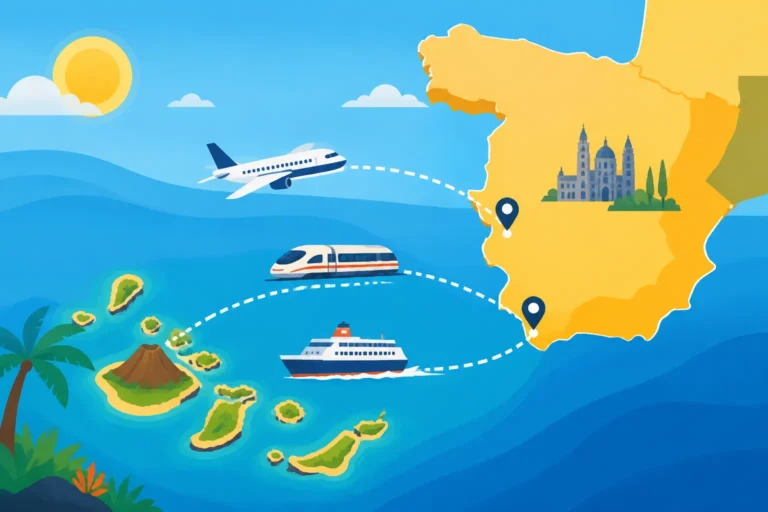
Tenerife, on the other hand, is a visual masterpiece. It is considered the second most popular Carnival in the world after Rio de Janeiro. For both cities, you must use Booking.com to secure a spot at least six months ahead. If you’re coming from the mainland, look for flights early, as the Canary Islands become the hub of the Spanish travel world during this fortnight.
Logistics and Planning for Spanish Festivals
Traveling during a major festival requires a different level of preparation than a standard holiday. The "normal" rules of Spanish life often go out the window. Many shops will close, public transport routes will change, and the cost of living—at least temporarily—will spike.
| Festival | Location | Month | Vibe |
|---|---|---|---|
| Las Fallas | Valencia | March | High Energy, Fire, Loud |
| Semana Santa | Seville/Málaga | April (Variable) | Solemn, Traditional, Crowded |
| Feria de Abril | Seville | April/May | Elegant, Social, Party |
| San Fermín | Pamplona | July | Adrenaline, Non-stop, Chaotic |
| La Tomatina | Buñol | August | Messy, Fun, Short-lived |
| La Merce | Barcelona | September | Cultural, Artistic, Multi-day |
| Carnival | Cádiz/Tenerife | February | Humorous, Vibrant, Costumed |
| Los Reyes Magos | Nationwide | January 5th | Family-oriented, Sweet, Magical |
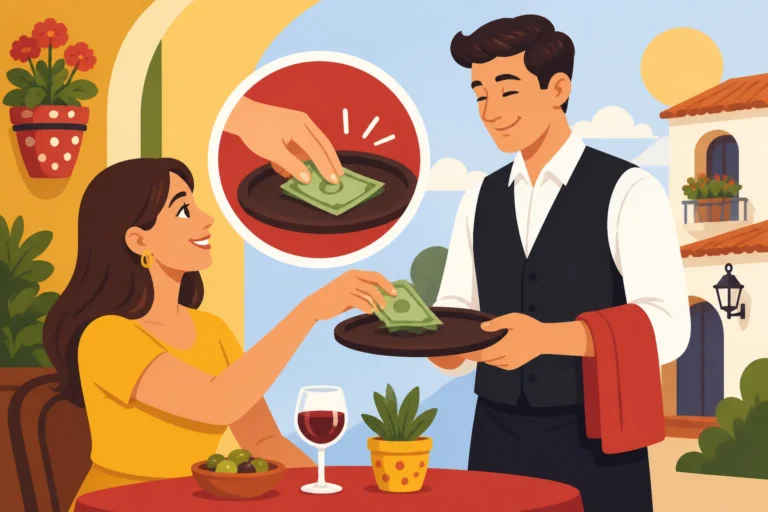
When planning, keep in mind that Money for Travel in Spain: Cards, Cash, and ATMs becomes a factor; while cards are widely accepted, small stalls at ferias often prefer cash. Always carry a small amount of "efectivo" for those quick drink or snack purchases. Also, be mindful of Staying Safe in Spain: Practical Safety Tips for New Residents, especially in crowded festival environments where pickpockets may look for distracted tourists.
Understanding the Spanish "Fiesta" Mentality
To truly enjoy these festivals, you have to let go of rigid schedules. In Spain, a festival isn't something you "watch"; it's something you inhabit. If a parade is two hours late, no one complains; they just order another round of tapas. This flexibility is core to the culture.
Navigating Closures and "Puentes"
One thing that still trips me up after years here is the "Puente" or bridge. If a festival falls on a Thursday, many Spaniards will take the Friday off to create a four-day weekend. During these times, you’ll find that What Closes During Spanish Holidays and Long Weekends applies to everything from your local hardware store to the city's administrative offices. If you have an urgent residency appointment or a plumbing issue, don't expect it to be solved during a major fiesta.
Tips for Expats and Tourists
- Water and Sunscreen: Most of these festivals involve standing outside for hours. Even in March, the Mediterranean sun is stronger than you think.
- Comfortable Shoes: You will walk miles. Forget fashion for a moment—cobblestones are unforgiving.
- Local Apps: Many cities release specific apps for their festivals (like a Fallas map or a Semana Santa schedule). Download them to stay updated on real-time changes.
- Transport Hierarchy: Trains are usually better than buses during festivals because they aren't affected by street closures. Check Traveling Around Spain: Trains, Buses, Flights, and Car Hire for a breakdown of your best options.
The beauty of Spain’s festival calendar is that there is always something happening somewhere. Whether it's the giant bonfire of San Juan or the satirical songs of Cádiz, these events are the heartbeat of the country. They provide a window into the history and soul of each region that you simply cannot get from a museum.
Disclaimer
The information provided in this guide is for general informational purposes only. Festival dates, local regulations, and event details in Spain can change due to municipal decisions or unforeseen circumstances. Always verify specific dates and ticket requirements with official local tourism boards or event organizers before making travel arrangements. While we strive to keep information up to date, we recommend checking current health and safety guidelines for large public gatherings.