Where Can You Ski in Spain and When?
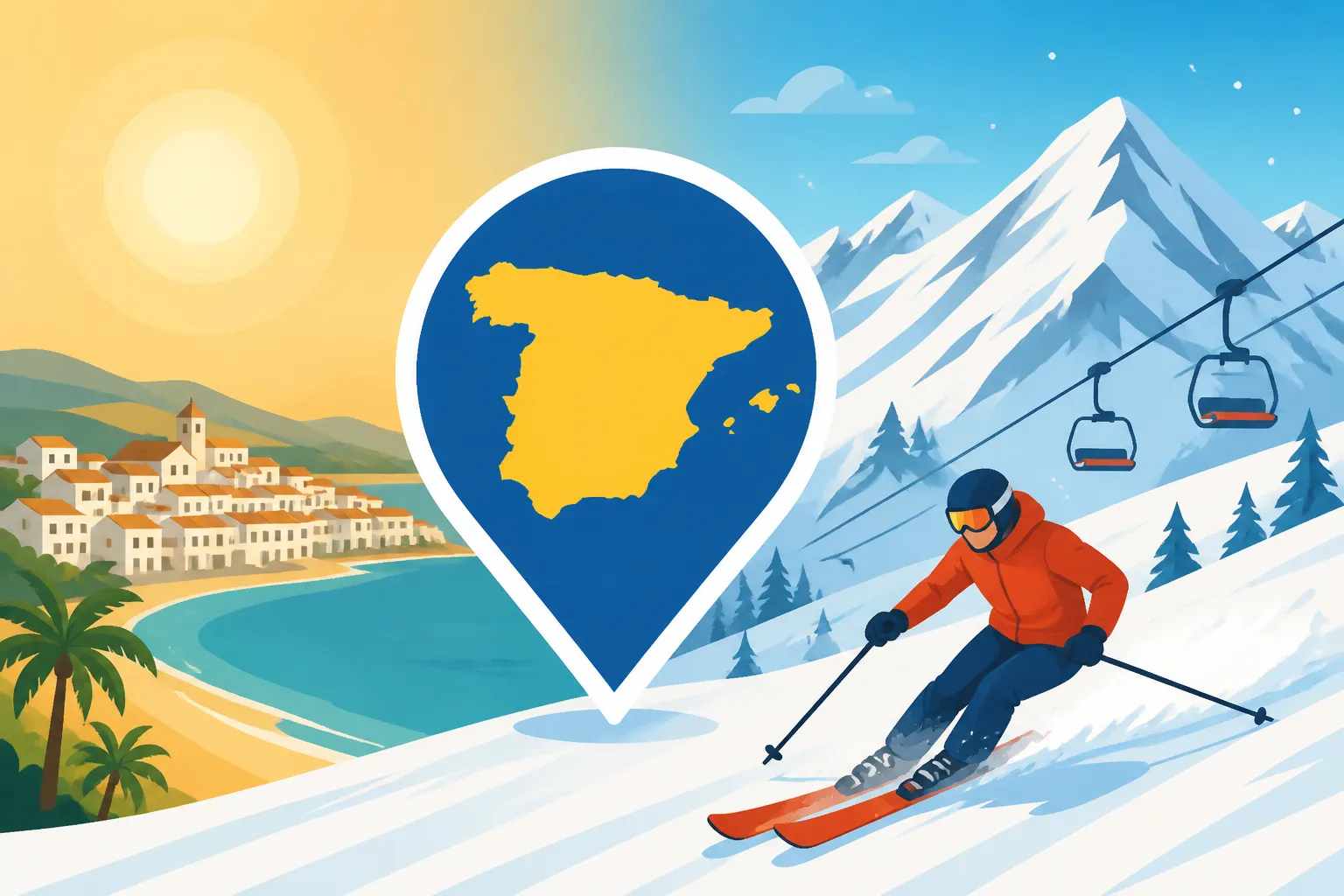
When you think of Spain, your mind probably jumps straight to sunny beaches, flamenco, and plates piled high with paella, right? Well, let me tell you a secret: this country is a true chameleon, and tucked away in its majestic mountains, you'll find some absolutely incredible ski slopes. If you're an expat or a visitor curious about swapping your swimsuit for ski boots, this guide will walk you through exactly where you can hit the powder in Spain and when to plan your snowy escape.
Disclosure: This post may contain affiliate links. We may earn a commission at no extra cost to you if you make a purchase through these links. Read full disclosure.
The Unexpected Slopes of Spain: A Winter Wonderland Awaits
It’s often a surprise to newcomers, but Spain boasts some seriously impressive mountain ranges, and with them, a fantastic array of ski resorts. Forget the idea that it’s all sun and siestas; come winter, these peaks transform into bustling hubs for skiers and snowboarders from all over Europe.
Why Spain for Skiing? Beyond the Beaches
The beauty of skiing in Spain lies in its diversity and often, its affordability compared to the more famous Alpine destinations. You get fewer crowds, plenty of sunshine even on the slopes, and a unique cultural experience that mixes snowy adventures with the warmth of Spanish hospitality. Imagine a day carving down a mountain followed by delicious tapas and a glass of Rioja – it’s a combo you won’t find just anywhere. Plus, many resorts are easily accessible, making weekend trips a real possibility.
Key Ski Regions: A Quick Overview
Spain is home to several distinct mountain ranges, each offering a different flavor of ski experience. The big players are:
- The Pyrenees: Stretching along the border with France, this is Spain's largest and most famous ski region, divided into the Aragonese Pyrenees and the Catalan Pyrenees. You'll find a wide variety of resorts here, from massive complexes to charming, smaller family-friendly spots.
- Sierra Nevada: This is truly unique – Europe’s southernmost ski resort, allowing you to ski with views of the Mediterranean! It's a huge draw for its guaranteed sunshine and long season.
- Cantabrian System: Up in the green north, these mountains offer some lovely, albeit smaller, resorts, often with more challenging terrains and stunning natural beauty.
- Central System (Sistema Central): Closer to Madrid, these resorts are popular for day trips or weekend getaways for city dwellers.
Top Ski Resorts in Spain: Where to Hit the Powder
Let's dive into some of the most popular and best-loved ski destinations across Spain. Each has its own charm and offers something a little different, whether you're a seasoned pro or strapping on skis for the very first time.
Sierra Nevada: Sun, Slopes, and Southern Charm
If you’re looking for sunshine, Sierra Nevada is your absolute best bet. Located in Andalusia, just an hour's drive from Granada, it's the highest point on the Iberian Peninsula, reaching altitudes of over 3,400 meters. This means a long ski season and often pristine conditions, even into late spring.
The resort itself is large and well-equipped, boasting over 110 kilometers of slopes spread across 131 runs, catering to all levels from absolute beginners to expert thrill-seekers. What truly sets it apart is the unique experience of skiing in the morning and potentially being on a Mediterranean beach in the afternoon, or exploring the historic Alhambra in Granada. It's a fantastic place for families, with a dedicated "Mirlo Blanco" recreational area offering activities beyond skiing, like an ice-skating rink and a toboggan run. The village of Pradollano at the base of the slopes has a lively atmosphere with plenty of restaurants, bars, and accommodation options, making it a vibrant place to spend your evenings.
The Pyrenees: A Northern Gem (Aragonese & Catalan Pyrenees)
The Spanish Pyrenees are a vast and stunning mountain range, home to numerous world-class resorts. They generally offer more snowfall than the Sierra Nevada and a very different, more traditional mountain village vibe.
Aragonese Pyrenees
This region, in the autonomous community of Aragón, is famous for its large, interconnected resorts and dramatic landscapes.
- Formigal-Panticosa: This is one of Spain’s biggest and most modern ski areas, offering 182 kilometers of slopes. It’s spread across several valleys and boasts excellent facilities, including a dedicated children's zone, terrain parks, and lively après-ski options. The runs are varied, appealing to intermediates and advanced skiers, but there are also plenty of gentle slopes for beginners. Its sheer size means you can explore different areas each day without getting bored.
- Candanchú and Astún: These two resorts are right next to each other and even share a combined pass option. Candanchú is one of Spain's oldest ski resorts and is known for its challenging terrain, making it a favorite among advanced skiers and snowboarders. Astún, on the other hand, is a bit more beginner-friendly and great for families, with wide, open pistes. They both offer stunning views and a more traditional, less commercialized feel than some of the larger resorts.
Catalan Pyrenees
Over in Catalonia, you’ll find resorts that combine excellent skiing with distinct Catalan culture.
- Baqueira Beret: Often considered the most prestigious resort in Spain, Baqueira Beret is a favorite among the Spanish royal family and celebrities. Located in the Val d'Aran, it offers over 170 kilometers of pistes across three main areas (Baqueira, Beret, and Bonaigua). The terrain is incredibly varied, from open bowls and tree-lined runs to challenging off-piste opportunities. The resort also offers a more upscale experience, with gourmet restaurants and boutique shops. It's known for consistent snow quality, thanks to its Atlantic influence.
- Boí Taüll: This resort holds the distinction of being the highest ski resort in the Pyrenees, with its base at 2,020 meters. The high altitude means excellent snow conditions and spectacular views of the surrounding Aigüestortes i Estany de Sant Maurici National Park. It’s a bit smaller than Baqueira but offers a great mix of runs, with a particular appeal to those looking for a quieter, more natural skiing experience, away from the biggest crowds.
Cantabrian and Central Systems: Hidden Gems
While perhaps not as globally renowned as the Pyrenees or Sierra Nevada, these regions offer charm and convenience, especially if you're based in northern or central Spain.
Cantabrian System
These resorts are nestled in the mountains of Asturias, Cantabria, and León.
- Alto Campoo (Cantabria): This is the main resort in Cantabria, offering around 28 kilometers of slopes. It's popular with locals and known for its beautiful, green surroundings when snow isn't falling, and its proximity to the Cantabrian coast. It’s a great option for a day trip if you’re living in or visiting Santander.
- San Isidro (León): Located in the province of León, San Isidro is one of the largest resorts in the Cantabrian Mountains, with roughly 30 kilometers of pistes. It offers a good range of runs for different abilities and is known for being family-friendly and having a relaxed atmosphere.
Central System (Sistema Central)
Accessible from Madrid, these resorts are perfect for a quick winter fix.
- Navacerrada and Valdesquí (Madrid): These are the closest ski resorts to Madrid. Navacerrada is smaller and very popular with locals, offering some steep runs but can suffer from inconsistent snow. Valdesquí, a bit further out, is larger and generally has better snow conditions, making it a great spot for a day trip from the capital. They are ideal if you want to experience snow without a long journey and are perfect for beginners or those just looking for a few hours on the slopes. However, be aware they can get extremely busy, especially on weekends and public holidays.
When to Ski in Spain: Season by Season Guide
Timing is everything when it comes to planning a ski trip. While Spain is known for its sun, the quality and quantity of snow can vary throughout the winter.
Peak Season: December to March
The heart of the ski season in Spain generally runs from mid-December to late March. This is when you can expect the most reliable snow conditions, the coldest temperatures, and often, the most sunshine.
- December: Early December can be a bit hit-or-miss for natural snowfall, but many resorts will have their snow cannons working hard. The weeks leading up to Christmas and New Year's are popular, so expect higher prices and more crowds. Post-Christmas, conditions usually improve significantly.
- January: Often considered the best month for snow quality. Temperatures are usually at their lowest, and resorts like Baqueira Beret and Sierra Nevada often have excellent powder. It's a great time to visit if you prioritize good snow and don't mind the colder air.
- February: Another prime month for skiing. Many Spanish families take their winter holidays in February, especially around Carnaval, so resorts can be busy. The days are getting longer, and the weather is often crisp and clear, offering fantastic conditions.
- March: A wonderful month for spring skiing. The sun is stronger, the days are longer, and the snow can still be excellent, particularly at higher altitudes in the Pyrenees and Sierra Nevada. It's a great time for those who enjoy warmer temperatures and a more relaxed atmosphere. You might even find opportunities for a "t-shirt ski" day!
Shoulder Seasons: Early December & Late March/April
If you're looking to avoid the crowds or snag a better deal, the shoulder seasons can be a fantastic option, though with a few caveats.
- Early December: Before the Christmas rush, you might find some good deals and quieter slopes. However, check the snow reports diligently, as natural snowfall isn't always guaranteed at lower altitudes this early. Higher resorts like Baqueira Beret and Sierra Nevada tend to open earlier and have more reliable early-season snow thanks to their altitude and snow-making capabilities.
- Late March/April: As winter fades, many resorts remain open, especially the higher ones. Sierra Nevada, in particular, often boasts one of the longest seasons in Europe, frequently staying open until early May. Spring skiing can be glorious, with soft, forgiving snow in the afternoons and pleasant temperatures. However, beware of slushy conditions at lower elevations later in the day, and always check opening dates and conditions, as they are very weather-dependent.
Factors Affecting the Ski Season
Always remember that Mother Nature calls the shots! While resorts aim for consistent seasons, several factors can influence snow conditions:
- Natural Snowfall: This is the primary driver. The Pyrenees generally receive more natural snow due to their geographical location and proximity to Atlantic weather systems, while Sierra Nevada relies heavily on its high altitude and powerful snow-making facilities.
- Altitude: Higher resorts almost always have longer and more reliable seasons.
- Snow-Making Capabilities: Modern resorts invest heavily in snow cannons, which can keep pistes open even during lean snowfall periods, especially at the start and end of the season.
- Public Holidays: Expect resorts to be significantly busier and potentially more expensive around Spanish national holidays like Puente de la Constitución (early December), Christmas, New Year's, and Semana Santa (Easter). Planning your trip around these dates can help you avoid some of the peak crowds and prices. For instance, knowing the dates for Spanish Holidays and Public Closures: Planning Errands in 2026 can really help.
Practical Tips for Skiing in Spain: Getting There, Gear, and More
Getting ready for your Spanish ski adventure involves a bit of planning, just like any other trip. Here are some pointers to help you navigate the logistics.
Transport and Accommodation
Reaching Spain's ski resorts is usually quite straightforward, though some mountain roads can be a bit winding!
- By Car: Many resorts are best accessed by car, especially if you're traveling with gear. Ensure your rental car has winter tires or snow chains if you plan on driving up to the resort during heavy snowfall, as these are often mandatory. Driving in Spain generally is a pleasant experience, but mountain conditions require extra care.
- By Bus: For major resorts, there are often direct bus services from nearby cities. For example, from Granada, you can easily catch a bus directly to Sierra Nevada. For other regions, a combination of train and bus travel might be necessary. You can check schedules and book tickets on platforms like Omio, which often includes both bus and train options.
- By Plane: If you're coming from further afield, fly into a regional airport. For Sierra Nevada, Granada Airport (GRX) or Málaga Airport (AGP) are good options. For the Aragonese Pyrenees, Zaragoza Airport (ZAZ) or Lourdes Airport (LDE) in France might work, while for the Catalan Pyrenees, Barcelona Airport (BCN) is the main hub. From there, you can rent a car or take a bus.
- Accommodation: Booking.com is a great resource for finding accommodation, whether you're looking for hotels, apartments, or hostels right in the ski village or in a nearby town for a potentially cheaper stay. For a full experience, staying right at the base of the slopes, like in Pradollano (Sierra Nevada) or the villages around Formigal, offers convenience but comes at a higher price. Alternatively, consider staying in a charming town a short drive away for a more authentic local feel and often better value.
Equipment Rental and Lessons
Don't fret about bringing your own skis or boards unless you're a serious enthusiast.
- Rental Shops: Every major ski resort in Spain has numerous rental shops right on-site or in the base village. You can rent everything from skis, boots, and poles to snowboards, helmets, and even clothing. Prices are generally reasonable, and it's much more convenient than hauling your own gear. Many shops offer online booking in advance, which can save you time and sometimes money.
- Ski Schools: If you're a beginner or want to brush up on your skills, all resorts offer ski and snowboard lessons. You can opt for group lessons, which are more economical, or private instruction for a more personalized approach. Many instructors speak English, especially in the larger, more international resorts. For experiences and tours, including ski lessons or guided snowshoeing, GetYourGuide often has options.
Lift Passes and Budgeting
Lift passes are often the biggest expense after accommodation, so it's good to plan.
- Pricing: Lift pass prices vary significantly between resorts and depending on the time of year and duration. Expect to pay more during peak season and school holidays. Day passes can range from €40-€70, with multi-day passes offering better value.
- Buying Passes: You can usually buy passes directly at the resort ticket office, but many resorts offer online booking, often with a small discount. Some may have specific packages that include rentals or lessons.
- Budgeting: Beyond passes and accommodation, factor in costs for food, drinks, equipment rental, and any lessons. While Spain can be affordable, resort towns can be pricey. Bringing some snacks and drinks with you from a local supermarket can help keep costs down. Understanding Health Costs in Spain: Typical Co-Pays and Out-of-Pocket Fees can also help in preparing for any unforeseen medical needs, though hopefully, your trip will be injury-free!
Quick Overview of Spanish Ski Resorts
To help you visualize your options, here's a handy table of some of Spain's top ski resorts.
| Resort Name | Mountain Range | Key Features | Typical Season (approx.) | Closest Major City/Airport |
|---|---|---|---|---|
| Sierra Nevada | Penibético (Andalusia) | Sunniest, Europe's southernmost, Mediterranean views, vibrant après-ski, family-friendly | Dec – Early May | Granada (GRX), Málaga (AGP) |
| Baqueira Beret | Catalan Pyrenees | Most prestigious, consistent snow, diverse terrain, upscale, royalty favorite | Dec – Mid-April | Lleida (ILD), Barcelona (BCN) |
| Formigal-Panticosa | Aragonese Pyrenees | Largest combined area, modern, varied runs, good for all levels | Dec – Mid-April | Zaragoza (ZAZ), Lourdes (LDE) |
| Astún | Aragonese Pyrenees | Family-friendly, good for beginners, shared pass with Candanchú | Dec – Early April | Zaragoza (ZAZ), Jaca |
| Candanchú | Aragonese Pyrenees | Older, challenging terrain, expert favorite, shared pass with Astún | Dec – Early April | Zaragoza (ZAZ), Jaca |
| Boí Taüll | Catalan Pyrenees | Highest resort, excellent snow, natural feel, quiet | Dec – Mid-April | Lleida (ILD), Barcelona (BCN) |
| Valdesquí | Central System (Madrid) | Closest to Madrid, popular for day trips, good for beginners/intermediates | Dec – March | Madrid (MAD) |
| Alto Campoo | Cantabrian Mountains | Scenic, local favorite, near Cantabrian coast | Dec – March | Santander (SDR) |
Disclaimer
The information provided in this guide is intended for general informational purposes only and may not be applicable to every individual's situation. Ski resort opening and closing dates, snow conditions, prices, and regulations can change frequently due to weather, local events, or policy updates. Always verify the most current information directly with the ski resorts or relevant local authorities before making travel plans. While we strive to provide accurate and up-to-date content, we recommend consulting official sources for the latest details.