Fincas and Villas in Spain: Pool, Access, and Deposit Terms to Verify
Ah, the Spanish finca or villa! Just the words conjure images of sun-drenched days, lazy afternoons by a shimmering pool, and evenings under a canopy of stars with the scent of jasmine in the air. For many of us expats and long-term visitors, the dream of renting or even owning one of these quintessential Spanish properties is incredibly strong. But let me tell you, as someone who’s navigated the rural lanes and rental contracts more times than I care to count, the reality often comes with a few more bumps in the road than the picture-perfect brochures suggest. This guide is here to walk you through the nitty-gritty details, from ensuring that gorgeous pool isn't just a seasonal mirage to understanding the fine print on those tricky deposit terms. We'll make sure your dream doesn't turn into a pesadilla (nightmare).
Disclosure: This post may contain affiliate links. We may earn a commission at no extra cost to you if you make a purchase through these links. Read full disclosure.
Understanding Fincas and Villas – More Than Just a Holiday Home
When you start looking for a rental in Spain, especially outside the bustling city centers, you’ll quickly come across terms like finca, villa, casa rural, and cortijo. While they all generally refer to detached properties, usually with some land, there are nuances that are incredibly important to grasp before you commit. The distinction isn't just semantic; it dictates the kind of experience you'll have, the accessibility, and even the rental terms.
What Exactly is a Finca or a Villa in Spain?
Let's break these down, because while they're often used interchangeably, they carry different implications in Spain.
A finca (pronounced "FEEN-kah") literally means "estate" or "property" in Spanish, but in common usage, especially for rentals, it refers to a rural property. Think charming, rustic, often older homes set on a plot of land, sometimes with olive groves, vineyards, or fruit trees. Fincas tend to be nestled in the countryside, offering true seclusion and a taste of traditional Spanish life. They might have been working farms or agricultural holdings in the past, converted into beautiful residences. The appeal here is the authenticity, the peace and quiet, and the often sprawling grounds. You're usually looking at stone walls, wooden beams, and a real sense of history. Because they're rural, they can sometimes be a bit trickier to access, and amenities might not be right on your doorstep. If you're envisioning a place where you can truly get away from it all, a finca is probably what you're imagining.
A villa, on the other hand, often implies a more modern, luxurious, and sometimes purpose-built holiday home. While it can still be private and spacious, a villa is more likely to be found in residential areas, often closer to coastal towns, golf courses, or established urbanizations. These properties tend to have contemporary designs, sleek interiors, and often boast amenities like infinity pools, manicured gardens, and state-of-the-art kitchens. They might be part of a small complex or stand alone, but generally, their location offers easier access to shops, restaurants, and beaches than a typical finca. If your ideal getaway involves comfort, convenience, and perhaps a touch of glamour without being too far from the action, a villa is likely your match.
Then you have casas rurales and cortijos. Casas rurales are essentially rural houses, often operating as bed and breakfasts or holiday rentals, frequently restored and decorated in a traditional style. A cortijo is specific to Andalusia, a type of traditional farmhouse or estate, often quite grand, historically linked to agricultural work. These are essentially specific types of fincas, each with their own regional character.
The reason expats and tourists seek these properties is often for the privacy they offer, the ability to spread out, and the chance to experience a different side of Spain than the standard hotel circuit. Whether it's a family reunion, a long-term remote work setup, or simply a desire for tranquility, these detached homes promise a unique slice of Spanish life. But remember, with great space comes great responsibility to check the details! Reputable platforms like Booking.com are an excellent place to start your search, as they often categorize properties clearly and provide plenty of photos and descriptions.
The Allure of Privacy and Space
Let's be honest, one of the biggest draws of a finca or a villa is the promise of genuine privacy and ample space. After years of crowded city apartments or bustling tourist resorts, the idea of having your own slice of Spanish paradise is incredibly appealing. Imagine waking up to the sound of birds, not traffic, enjoying breakfast on a private terrace, and letting the kids (or even the adults!) run wild in a secure, expansive garden.
For families, the space is a game-changer. No more tiptoeing around sleeping babies in a cramped hotel room. Kids can play freely, splash in the pool without disturbing neighbors, and simply be themselves. This also makes them ideal for multi-generational trips, where grandparents, parents, and children can all enjoy their own rhythm while sharing common spaces for meals and relaxation.
For those considering a longer stay, perhaps as a base for remote work, the privacy and peace become even more critical. You're not just looking for a holiday spot; you're creating a temporary home. A dedicated workspace, quiet corners for concentration, and the ability to step away from your screen and into your own garden can significantly enhance your experience. Just be sure to verify the internet situation, which we'll get to later!
The variety across Spain is astounding. You could find a rustic finca nestled in the rolling hills of Andalucía, surrounded by olive groves and with breathtaking views of the pueblos blancos. Or perhaps a sleek, modern villa perched on a cliff overlooking the Mediterranean in Catalonia, complete with minimalist design and panoramic sea views. Maybe a traditional stone house in Galicia, shrouded in lush greenery, offering respite from the summer heat. Each region offers its own unique architectural style and natural beauty, ensuring there’s a finca or villa to match every taste and every dream. The key is to know what you’re looking for and to ask the right questions, especially when relying on online listings. This is where platforms like Booking.com can be invaluable, offering extensive search filters to narrow down properties that truly meet your specific desires for space and style.
Diving Deep into Pool Particulars
The pool. Oh, the glorious pool! For many, it's the absolute centerpiece of the finca or villa experience. It’s where memories are made, where the kids spend hours, and where you finally cool off after a long, hot Spanish day. But, my friends, don't let those shimmering blue waters blind you to the essential details you need to verify before you book. A pool is a fantastic amenity, but it comes with its own set of practicalities that can make or break your stay.
Seasonal Availability and Maintenance Realities
This is probably the most common disappointment for unsuspecting renters. You envision endless dips, only to arrive and find the pool is either empty, covered, or far too cold to enjoy. In Spain, especially in regions further north or at higher altitudes, many private pools are seasonal. It’s simply not practical or cost-effective for owners to keep them open and maintained year-round.
- Opening and Closing Dates: Always, always confirm the exact dates the pool will be open during your stay. Don't assume. If you're booking in April or October, there’s a good chance the pool might be closed, or only just opening/closing. Owners usually specify this in their listings, but if not, ask directly. Many families have arrived with swimsuits packed, only to find the pool off-limits until mid-May.
- Weather Dependency: Even if a pool is technically "open" in the shoulder seasons, remember that Spain can have cooler periods. An unheated outdoor pool in March or November, even in the south, might be too chilly for comfortable swimming for most.
- Maintenance Schedules: A well-maintained pool is a safe and pleasant pool. Ask about the maintenance schedule. Who cleans it? How often? While it’s usually not a big deal, you want to know if someone will be accessing the property (the pool cleaner) at specific times. This is usually very discreet and quick, but if you’re looking for absolute uninterrupted privacy, it’s worth being aware of. Make sure to confirm that the costs of regular pool maintenance are included in your rental price, which they almost always are, but it's good to be clear.
Safety, Depth, and Features to Verify
Beyond just being open, the pool needs to be safe and suit your group's needs. Especially if you’re traveling with children or individuals with mobility challenges, these details are paramount.
- Pool Fencing and Alarms: Unlike some other countries, pool fencing isn't a universal requirement for private properties in Spain. If you have young children, this is a non-negotiable question. Does the pool area have a fence, gate, or other safety barrier to prevent unsupervised access? Are there any alarms? If not, you need to factor in constant vigilance or consider if the property is suitable. This is a huge safety point.
- Depth and Entry: Is the pool shallow enough for children or non-swimmers to stand comfortably? Is there a gradual entry, steps, or a ladder? Some pools are deep throughout, which isn't ideal for everyone. Pictures can sometimes be deceiving, so a direct question about depth is important.
- Heating Options: If you're traveling outside peak summer (June-September) and a warm swim is crucial, inquire about pool heating. Many pools are unheated, relying solely on the Spanish sun. Heated pools are a premium feature and often come with an additional charge. Don't assume; verify!
- Saltwater vs. Chlorine: This might seem like a minor detail, but for those with sensitivities, it's important. Most pools are chlorine, but some high-end villas might use saltwater systems, which some find gentler on the skin and eyes.
- Lighting and Night Use: Does the pool have adequate lighting for evening swims? Many do, adding to the magical ambiance of a Spanish night.
- Furniture and Amenities: Are there sun loungers, umbrellas, and towels provided for the pool area? These small details enhance the experience significantly.
Booking your villa through a platform like Booking.com can help immensely with these checks. Many listings detail pool features, and the review sections often provide candid feedback on pool conditions, maintenance, and whether it matched expectations. Don’t be afraid to use the messaging system to ask the host direct questions about pool availability and safety – a good host will be happy to provide the information you need for peace of mind. Remember, understanding these details ensures your pool experience is as refreshing as you imagine, not a source of frustration. For general safety information when in Spain, you might also want to read up on articles like Staying Safe in Spain: Practical Safety Tips for New Residents.
Navigating Access and Location Logistics
The charm of a finca often lies in its secluded, off-the-beaten-path location. That's fantastic for peace and quiet, but it can present significant logistical challenges if you're not prepared. Access isn't just about getting to the property; it's about getting around once you're there, connecting with the outside world, and reaching essential services. Some expats struggle with their rental car on a treacherous dirt track, cursing Google Maps!
Rural Roads and Vehicle Requirements
Many of Spain's most enchanting fincas are found deep in the countryside, often accessed by roads that are, shall we say, "characterful."
- Unpaved Roads (Pistas/Caminos): Be prepared for gravel roads, dirt tracks (pistas or caminos), and narrow, winding paths that might not even be on Google Street View. These can be steep, rocky, and challenging, especially after rain. If the description mentions "rural access" or "unpaved road," take it seriously.
- Vehicle Suitability: Consider the type of car you'll be driving. A small city car might struggle or even get damaged on rough tracks. While a full 4×4 isn't always necessary, something with higher clearance is often preferable. Crucially, if you’re renting a car, check your rental agreement regarding driving on unpaved roads. Some insurance policies might be void if you venture off tarmac. You might want to read Renting a Car in Spain: Requirements, Insurance, and Driving Tips for more details.
- Parking at the Property: Once you arrive, is there ample, secure parking? Is it on a slope? Is it easy to maneuver in and out? Sometimes, the parking area itself can be a tight squeeze, especially for larger vehicles.
A few questions to ask the host or check in reviews: "Is the road paved all the way to the property?" "How long is the unpaved section?" "Would a standard rental car be sufficient, or is a specific type of vehicle recommended?" Don't hesitate to ask for a video of the access road if you're concerned.
Connectivity, Public Transport, and Local Amenities
Being secluded is wonderful, until you realize you can't check your emails, call for help, or grab a pint of milk without a major expedition.
- Internet Quality and Speed: This is non-negotiable for many, especially remote workers. Rural internet in Spain can be patchy. Don't assume "Wi-Fi included" means high-speed fiber. Ask for specifics: "What's the typical download/upload speed?" "Is it reliable for video calls?" "Is there a data cap?" Some properties use satellite internet, which can be slower and more expensive per GB. If you’re planning on working remotely, this could be a deal-breaker. For more on internet options, check out Internet in Spain: Choosing Fiber, Mobile, and Bundles.
- Mobile Phone Signal: Even if there’s Wi-Fi, what about your mobile signal? Some deep rural areas have very limited or no mobile coverage. This isn't just inconvenient; it can be a safety concern in an emergency.
- Distance to Nearest Town and Services: "Close to a village" can mean anything from a 5-minute stroll to a 20-minute drive down a winding road. Confirm the actual driving distance (and approximate time) to the nearest:
- Supermarket/Grocery Store: How far for your daily bread and essentials?
- Pharmacy (Farmacia): Essential for any minor ailments or prescriptions. Learn more at Pharmacies in Spain: Prescriptions, Over-the-Counter Meds, and Practical Tips.
- Medical Center (Centro de Salud): In case of an emergency or urgent care need. Knowing your closest one is critical. Articles like What Is a ‘Centro de Salud’ in Spain and How Do You Register? or Emergency Healthcare in Spain: 112, Urgent Care, and What to Expect might be helpful.
- Restaurants/Bars: If you plan on eating out, how accessible are they?
- Public Transport: For most fincas and many villas, public transport simply isn't an option. Assume you will need a car for the entire duration of your stay. If you’re not planning to drive, a remote property is probably not for you.
- Accessibility for Mobility Issues: If anyone in your party has limited mobility, access isn't just about the road. Ask about steps, uneven paths, narrow doorways, and the layout of the house. Many older fincas, while charming, were not built with accessibility in mind.
All these details are crucial for a smooth and enjoyable stay. Platforms like Booking.com often include distance information to local points of interest, which can be a good starting point. However, always cross-reference with satellite maps and direct questions to the host to get the full picture, especially if you have specific needs. Checking reviews can also give you invaluable insights into previous guests' experiences with access and connectivity.
Demystifying Deposit Terms and Conditions
Ah, the security deposit. This is one of those necessary evils in any rental agreement, a crucial safeguard for property owners but often a source of anxiety and frustration for renters. In Spain, like anywhere else, understanding the nuances of how deposits work for fincas and villas is key to a smooth departure and ensuring you get your money back. Don't gloss over this section – it could save you a significant amount of money and stress!
Understanding the Security Deposit (Fianza)
The security deposit, known as fianza in Spanish, is typically collected to cover potential damages, excessive cleaning needs, or other breaches of the rental agreement that might occur during your stay.
- Typical Amounts: The amount can vary widely depending on the size, value, and duration of the rental. For a short-term holiday villa, it might be a few hundred euros, while for a long-term rental or a particularly luxurious property, it could easily be a thousand euros or more. Always clarify the exact amount before booking.
- How It's Held: This is a crucial point. Sometimes, the deposit is held directly by the property owner or their managing agent. Other times, especially when booking through large platforms, it might be managed by the platform itself, offering an extra layer of security and mediation. When you book a villa or finca through Booking.com, they facilitate a secure payment process, and often handle the deposit collection and refund process, which adds a layer of trust. This means the funds aren't just sitting directly with a private individual but are typically managed with clearer guidelines.
- Purpose of the Deposit: It’s not just for broken items. Common deductions can include:
- Damages: Anything from a cracked tile to a broken appliance.
- Excessive Cleaning: If the property is left in an unreasonably dirty state beyond normal wear and tear.
- Lost Keys: Replacing locks can be surprisingly expensive in Spain.
- Breach of Rules: Such as unauthorized pets, smoking indoors if prohibited, or exceeding the agreed number of guests.
- Unpaid Utilities: For longer stays, if utility costs are separate and not settled.
- Timeline for Return: This is often a point of contention. In Spain, legally, landlords for long-term rentals have up to one month to return the deposit (or explain deductions). For short-term holiday rentals, it’s often quicker, but don't expect it back the moment you hand over the keys. Many owners or platforms specify a return within 7-14 days after departure, allowing time for inspection and professional cleaning. Always confirm the expected refund timeline in the rental agreement.
For a deeper dive into general rental deposits in Spain, you might find our guide on Renting in Spain: Contracts, Deposits, and Tenant Rights helpful, although holiday rentals have slightly different rules than long-term leases.
Protecting Your Deposit and Avoiding Disputes
No one wants to lose their deposit, and with a few proactive steps, you can significantly reduce the chances of a dispute.
- Document Everything on Arrival: This is your golden rule! As soon as you arrive at the finca or villa, before you even unpack, take comprehensive photos and videos of every single room, the kitchen appliances, bathrooms, garden, pool area, and especially any existing damages, however minor. Pay attention to walls, floors, furniture, and anything that looks worn or slightly broken. Timestamp these photos if possible. This visual record is your best defense against claims for pre-existing damage.
- Review the Inventory: Many properties come with an inventory list. Go through it meticulously. If something is missing or damaged that isn't noted, report it immediately to the owner or agent.
- Communicate, Communicate, Communicate: If something breaks or is damaged during your stay, inform the owner/agent immediately. Don't hide it. Open and honest communication is always better. They might be able to fix it quickly, or at least understand it was an accident.
- Leave the Property Clean and Tidy: While you’ve paid for professional cleaning, leaving the place in a reasonable condition is part of good etiquette and can prevent "excessive cleaning" deductions. Empty bins, wash dishes, and generally tidy up.
- Return Keys Safely: Ensure all keys are returned as instructed. Lost keys are a common reason for deposit deductions.
- Understand the House Rules: Read the property's house rules carefully. Are there restrictions on noise, visitors, or specific areas? Adhering to these prevents issues.
- Keep a Paper Trail: Retain all correspondence, receipts, and the rental agreement. If a dispute arises, having a clear record is vital.
Using a platform like Booking.com can provide an added layer of protection. They have established dispute resolution processes, and their involvement can often help mediate any disagreements between guests and hosts, especially when it comes to deposits. Their system ensures that funds are handled transparently, making it easier to track and resolve issues should they arise. While the goal is always to avoid disputes, knowing you have a reputable third party in your corner can offer significant peace of mind.
Booking Your Dream Finca or Villa with Confidence
So, you’ve dreamt of that perfect Spanish escape, a private haven where you can relax, explore, and truly immerse yourself in the culture. Now that you're armed with all the practical knowledge about pools, access, and deposits, it's time to turn that dream into a reality. The good news is, with careful planning and the right tools, finding and booking your ideal finca or villa can be a straightforward and enjoyable process.
Why Use a Reputable Platform for Villas
In today's digital age, there are countless ways to book accommodations, but when it comes to something as significant as a private villa or finca, opting for a well-established and reputable platform is paramount. This is where services like Booking.com truly shine, offering several distinct advantages that private, direct bookings often lack.
- Vast Selection and Filtering: Booking.com boasts an incredible array of properties across Spain, from rustic casas rurales in remote villages to sleek, modern villas on the Costa del Sol. Their extensive filtering options allow you to narrow down your search based on specific needs – think "private pool," "pet-friendly," "Wi-Fi access," "accessibility features," or even "distance from the beach." This makes it much easier to find properties that align with all the specific details we've discussed. You can specify the number of bedrooms, bathrooms, and even amenities like air conditioning or a barbecue, tailoring your search precisely.
- Verified Listings and Guest Reviews: This is perhaps the biggest peace of mind factor. Properties on Booking.com typically have verified listings with multiple high-quality photos, detailed descriptions, and transparent pricing. Crucially, they feature genuine guest reviews. These reviews are gold dust! They offer unbiased insights into the property's true condition, the accuracy of the listing, the quality of the pool (and its availability!), the ease of access, and the responsiveness of the host. You can often glean critical information about things like rural road quality, internet speed, or how deposit issues were handled, which a mere property description might not cover.
- Secure Payment and Booking Process: Booking through a trusted platform means your payment is handled securely. You're not transferring money directly to an unknown individual, which significantly reduces the risk of scams. Your personal and financial information is protected.
- Dispute Resolution Support: Should an issue arise – perhaps a disagreement over the deposit, or a major discrepancy between the listing and reality – Booking.com offers customer support and a defined dispute resolution process. This acts as an impartial third party, which is invaluable if you ever find yourself in a tricky situation with a host. As we discussed earlier, having this mediation can be a lifesaver when dealing with unexpected problems.
- Clear Cancellation Policies: Reputable platforms usually clearly state the cancellation policy upfront. This transparency allows you to book with confidence, knowing what your options are if your plans unexpectedly change. Many properties offer free cancellation up to a certain point, providing flexibility.
While booking direct with an owner can sometimes save a few euros, the security, breadth of choice, and support offered by platforms like Booking.com are often well worth it, especially for high-value bookings like a villa or finca.
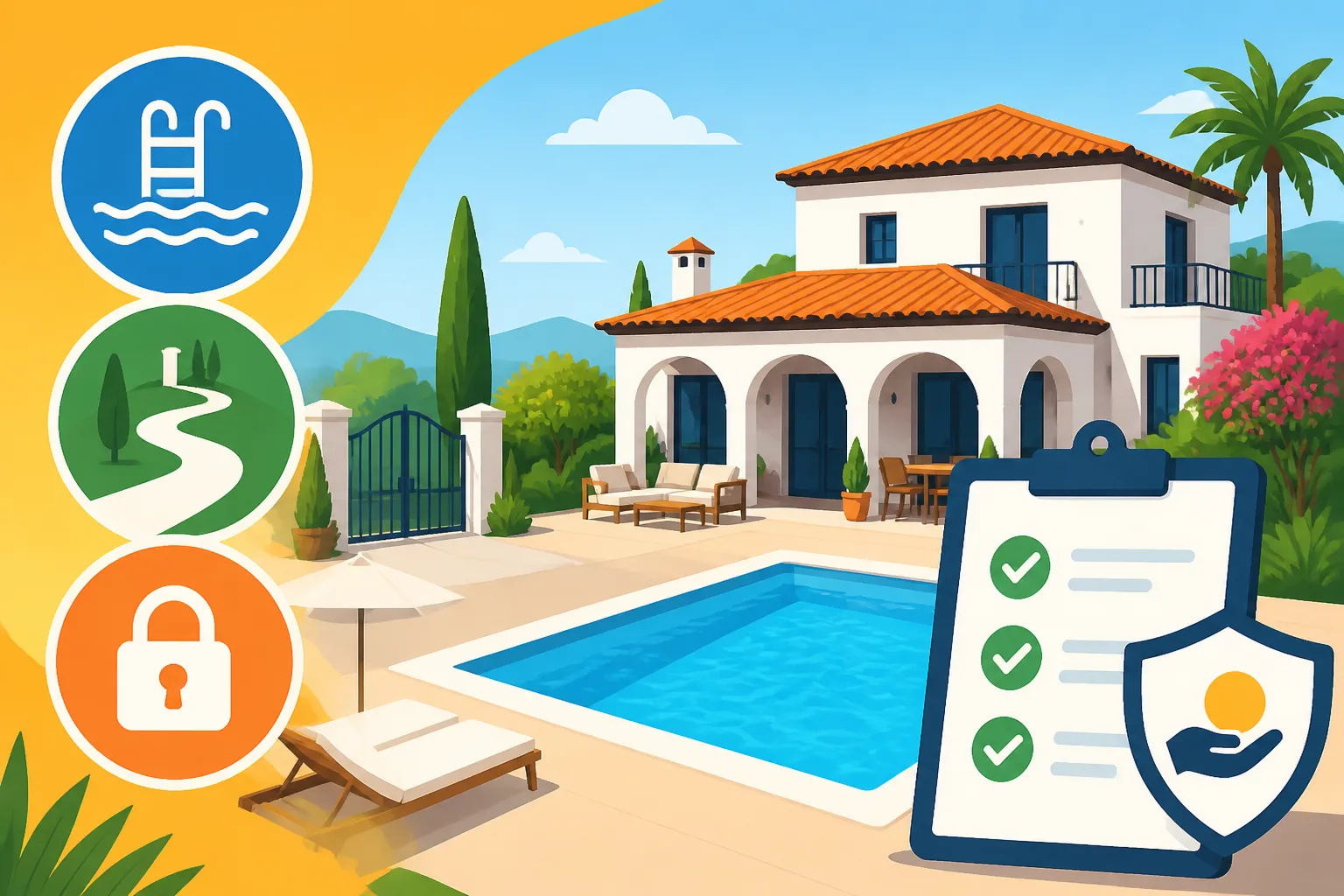
Checklist Before You Book
Before you click that "Book Now" button on Booking.com (or any other site!), take a deep breath and run through this final checklist. It encapsulates everything we’ve talked about, ensuring you've covered all your bases:
- Property Type and Location:
- Is it truly a finca (rural charm, seclusion) or a villa (modern comfort, potentially closer to amenities)?
- Have you researched the exact location on a map (Google Satellite View is your friend!)? What's the immediate vicinity like?
- What are the actual driving distances to the nearest town, supermarket, pharmacy, and medical center?
- Pool Particulars:
- Confirm exact pool opening/closing dates. Will it be open and swimmable during your stay?
- Is the pool heated, and if so, is there an extra charge?
- Is there a safety fence or gate around the pool, especially if traveling with children? Ask for photos if not explicitly shown.
- What are the depths of the pool and its entry method (steps, ladder)?
- Are sun loungers, umbrellas, and towels provided?
- Access and Transport:
- What are the access roads like? Paved or unpaved? How long is any unpaved section?
- Is a specific type of vehicle (e.g., 4×4, high clearance) recommended? Check your rental car insurance policy regarding unpaved roads.
- Is there secure and easy-to-use parking at the property?
- Is public transport available, or will you absolutely need a car for the duration? (Most fincas require a car, remember Driving in Spain: Road Rules, Fines, and What Surprises Expats is a good read if you plan to drive).
- Is the property accessible for individuals with mobility issues (e.g., no steps, wide doorways)?
- Connectivity:
- What is the Wi-Fi speed and reliability like? Is it sufficient for your needs (e.g., remote work, streaming)?
- Is there good mobile phone signal at the property?
- Deposit Terms:
- What is the exact security deposit (fianza) amount?
- How is it held, and what is the typical timeline for its return after departure?
- What are common reasons for deductions (damages, excessive cleaning, lost keys)?
- Read the house rules and rental agreement thoroughly.
- Ask Direct Questions: Don't be shy! Use the messaging system on Booking.com to ask the host any specific questions not covered in the listing or reviews. A responsive and transparent host is always a good sign.
- Read Recent Reviews: Pay close attention to recent reviews, especially those mentioning concerns about access, amenities, or communication.
By diligently going through this checklist, you're not just booking a property; you're securing a wonderful, stress-free experience in Spain. The magic of a private finca or villa truly comes alive when you're fully prepared and have chosen a property that perfectly aligns with your expectations. Happy travels, and enjoy your amazing Spanish adventure!
Disclaimer
This article is for general informational purposes only and does not constitute professional advice. Laws, prices and regulations vary by location and change over time. Consult a qualified professional for guidance on your specific situation.