How to Find the Best Paella in Valencia (and Avoid Bad Ones)
Navigating the culinary landscape of a new city can be a minefield, especially when you're on the hunt for something as iconic as paella in its birthplace, Valencia. It’s a common expat lament to dream of that perfect, saffron-infused rice dish, only to end up with a sad, brightly colored impostor. Believe me, I've been there, navigating the tempting but often misleading menus, feeling utterly bamboozled. This guide is here to equip you with the insider knowledge to find that truly authentic, soul-satisfying paella in Valencia, and steer clear of the disappointments.
Disclosure: This post may contain affiliate links. We may earn a commission at no extra cost to you if you make a purchase through these links. Read full disclosure.
Understanding Authentic Valencian Paella
Let's get one thing straight from the start: not all paellas are created equal, especially when you're in Valencia. The dish here is a matter of profound cultural pride and tradition, with a very specific identity. For many, calling any rice dish with random ingredients a "paella" is akin to culinary sacrilege.
What Makes a Paella "Authentic"?
True Paella Valenciana isn't just about throwing rice and whatever you have into a pan. It's a precise art, born from humble beginnings in the Albufera region just south of Valencia. The base, naturally, is short-grain rice, typically Bomba or Senia, known for absorbing a lot of liquid without becoming mushy. This rice isn't just cooked; it's carefully nurtured. The color comes from saffron and sometimes a touch of paprika, never artificial food coloring that gives it that shocking yellow hue you often see in tourist traps.
The ingredients are strictly defined: chicken, rabbit, ferraura (flat green beans), garrofó (large white beans), and often snails (though this is sometimes omitted for broader appeal). A good paella is cooked over an open fire, traditionally orange wood, which imparts a unique smoky flavor. The most coveted part? The socarrat – that slightly crispy, caramelized layer of rice at the very bottom of the pan. It's not burnt, it's a testament to skill and patience, and locals will often fight over it! If your paella doesn't have a socarrat, it's missing a crucial element of authenticity.
The Different Types of Paella
While "paella" might be a blanket term elsewhere, in Valencia, when you say "paella," you mean Paella Valenciana. This is the classic, the original, the one with chicken and rabbit. However, the region does offer other fantastic rice dishes, often cooked in similar pans, which are sometimes colloquially referred to as "paella" by visitors. It’s important to know the difference so you can order exactly what you're craving.
Beyond the traditional Paella Valenciana, you'll find:
- Paella de Marisco (Seafood Paella): This is probably what most people outside of Spain picture. It typically includes prawns, mussels, squid, and sometimes clams. While delicious, it's not the original Valencian paella.
- Paella Mixta (Mixed Paella): The infamous "mixed" paella, often a blend of seafood and meat, is almost always a tourist invention and generally a sign of a low-quality restaurant. Authentic Valencian cooks typically stick to one main protein.
- Arroz a Banda: Meaning "rice apart," this is another local favorite. It involves cooking fish and seafood to create a flavorful broth, which is then used to cook the rice. The fish and seafood are served as a separate course first, hence "apart," before the rice itself. It’s an experience worth trying!
- Arroz Negro (Black Rice): This visually striking dish gets its dark color from squid ink and is packed with seafood flavor. It’s served with a dollop of alioli (garlic mayonnaise).
If your goal is to try the authentic Valencian paella, stick to Paella Valenciana on the menu. Don't be shy about asking if it’s cooked with the traditional ingredients. For a deeper dive into Spain's culinary scene, check out our Spanish Food and Drink: A Practical Culture Guide.
Where to Find the Best Paella in Valencia
Finding the real deal isn't about stumbling upon it; it's about knowing where to look and what questions to ask. Valencia has some exceptional spots, but they aren't always in the most obvious places.
Key Neighborhoods and Areas to Explore
To truly savor authentic paella, you often need to venture slightly outside the immediate city center tourist zones.
- El Palmar (The Albufera Natural Park): This is arguably the spiritual home of paella. Located within the Albufera Natural Park, a short drive or bus ride south of Valencia city, El Palmar is a small village surrounded by rice paddies. The restaurants here are legendary for their traditional paellas, often cooked outdoors over wood fires. This is where the dish originated, and the quality is typically superb. Many restaurants in El Palmar even offer boat trips on the lake before your meal. If you're planning a trip there, consider using a service like Omio to check bus schedules or even book a car. It makes for a fantastic Day Trips and Weekend Getaways Across Spain experience.
- Malvarrosa Beachfront: While some beachfront restaurants can be touristy, there are a few venerable institutions along Malvarrosa and Las Arenas beaches that have been serving excellent paella for decades. Look for places with a long history and a strong local clientele, especially on weekends. These often specialize in seafood paella as well, given their proximity to the sea.
- City Center (with caution): Finding great paella in the heart of Valencia is trickier, but not impossible. You need to be far more discerning. Avoid places with glossy, multilingual menus featuring photos of every dish. Instead, seek out smaller, unassuming restaurants tucked away on side streets, especially those that look busy with local families during lunchtime.
Identifying a Good Paella Restaurant
Spotting the signs of a quality paella establishment is key. It's a bit like detective work, but once you know what to look for, it becomes much easier.
Green Flags:
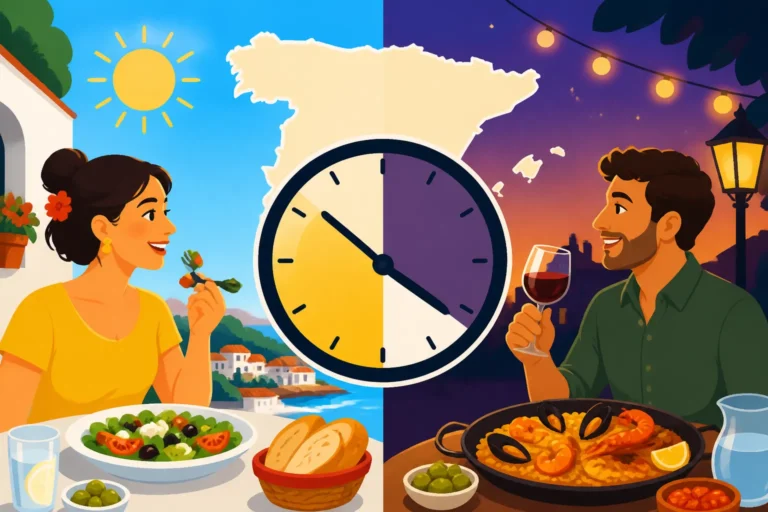
- Lunch-Only Paella: This is a huge indicator! Authentic paella is a lunchtime dish, typically served between 1:30 PM and 4:00 PM. If a restaurant offers paella for dinner, it's a massive red flag that it's probably not freshly made. This ties into understanding Spanish Meal Times and Dining Etiquette Explained.
- Minimum of Two People: Paella is a communal dish, cooked in a large, flat pan. It's almost always ordered for a minimum of two people, if not more. If a restaurant offers "individual portions" of paella, especially if they’re served quickly, run. That almost certainly means it's been pre-cooked, frozen, or made in a tiny, suboptimal pan.
- Order Ahead (Sometimes): The very best, most traditional restaurants, particularly those in El Palmar, might even require you to order your paella a few hours or even a day in advance. This is because a truly good paella takes time to prepare from scratch.
- Locals, Locals, Locals: This might seem obvious, but it's the most reliable indicator. If a place is packed with Valencian families enjoying their Sunday lunch, you're likely onto a winner.
- Simple Menu: Often, places that excel at paella will have a relatively short menu, focusing on a few rice dishes and perhaps some traditional starters. They put their energy into what they do best.
Red Flags:
- Paella for Dinner: As mentioned, a big no-no.
- Paella in Under 20 Minutes: A proper paella takes at least 40-50 minutes to cook from scratch, often longer if they’re cooking over wood. If it arrives quickly, it’s not fresh.
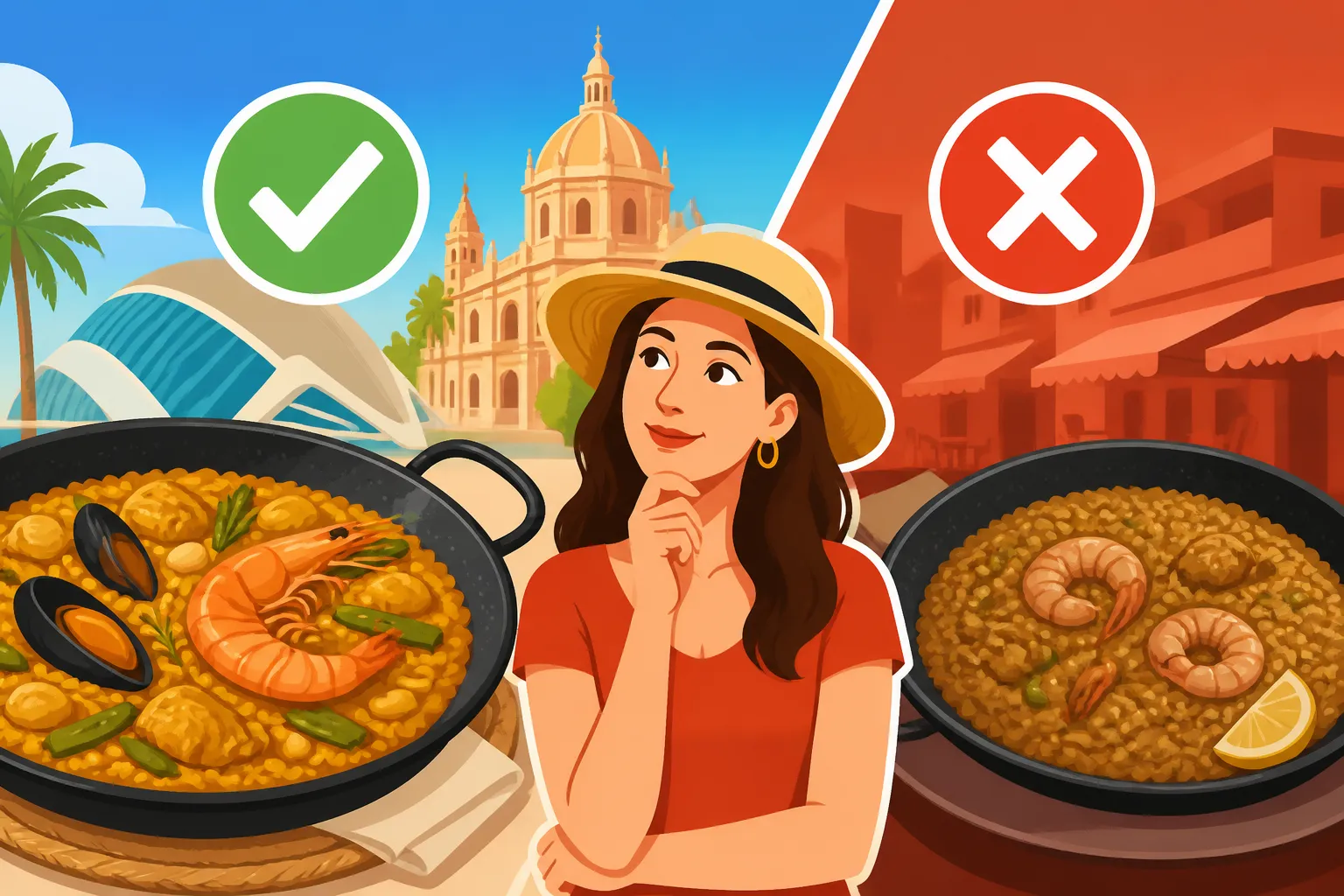
- Bright Yellow Rice: This usually signifies artificial food coloring (a.k.a. colorante) instead of real saffron, which imparts a more subtle golden hue.
- Mixed Paella (Paella Mixta): While some places might offer it, it’s not a Valencian tradition. Stick to Paella Valenciana or de Marisco if you see these.
- Prominent Tourist Pricing/Marketing: If the menu is in five languages with glaring "Paella!" signs and touts outside, it's probably best to avoid. For more general advice on this, see How to Find Authentic Restaurants in Spain (Not Tourist Traps).
The Importance of Advance Booking
For the truly renowned paella spots, especially on weekends, booking in advance is absolutely essential. Many of the best restaurants, particularly outside the immediate city center, are immensely popular with locals. Showing up without a reservation, particularly if you want a specific paella cooked for your party, will likely lead to disappointment. A quick phone call, or asking your hotel reception to call on your behalf, can save you a lot of hassle.
Avoiding Tourist Traps and Bad Paella
The disappointment of a bad paella in Valencia can really sting, especially when you've built up such high expectations. Let's make sure that doesn't happen to you.
Common Red Flags
Beyond the general tips, there are specific details that scream "tourist trap" when it comes to paella.
- Individual Servings and Small Pans: As a communal dish, paella is meant to be shared from the large paellera it was cooked in. If a restaurant serves you a small, individual portion in a tiny pan or, even worse, on a plate from a larger batch, you're probably not getting the authentic experience. The flavors simply don't develop the same way in smaller quantities, nor do you get that prized socarrat evenly distributed.
- Overly Abundant Ingredients: A traditional Paella Valenciana is not loaded with mountains of vegetables or huge chunks of meat. It's about balance, with the rice being the star, perfectly flavored by the broth and accompanying ingredients. If your paella looks like a stew with rice, it's a bad sign.
- Frozen or Pre-Cooked: This is the harsh reality behind quick paella service. Many high-volume tourist restaurants will prepare large batches, freeze them, and then quickly reheat individual portions. The result is a bland, often mushy rice lacking the fresh texture and depth of flavor that comes from a paella made to order.
- Lack of Socarrat: As we discussed, the socarrat is non-negotiable for an authentic paella lover. If the bottom of your pan is clean, without that crispy, slightly browned layer, it means the paella was either cooked too quickly, at too low a heat, or perhaps even transferred from another cooking vessel.
The Timing of Paella
We've touched on this, but it bears repeating: paella is a lunchtime dish. This isn't just a quirky local custom; it's deeply ingrained in the culture and the cooking process itself. Paella is a hearty, filling meal, and traditionally, Spaniards eat their main meal at lunchtime. Trying to find authentic paella for dinner is almost impossible because it simply isn't done.
Restaurants offering paella in the evening are catering exclusively to tourists and are almost guaranteed to be serving inferior, likely reheated, versions. Plan your paella hunt for a leisurely lunch, allowing ample time for the cooking and enjoyment. It's part of the whole cultural experience when you're Living in Spain as a Foreigner: Complete Housing & Daily Life Guide.
Online Reviews and Local Insight
While online reviews can be a useful starting point, approach them with a critical eye, especially for something as culturally specific as paella.
- Filter by Language: Look for reviews written in Spanish by locals. These are more likely to offer genuine insights into authenticity and quality. Foreigner reviews might praise a "paella" that doesn't meet local standards simply because they don't know the difference.
- Check the Photos: Do the user-uploaded photos show a proper paellera shared by several people? Is the rice a natural golden color, not bright yellow? Does the socarrat seem present?
- Ask a Local: The absolute best way to find a great paella is to ask a Valencian. Your hotel receptionist, a friendly shop owner, or an expat friend can point you to their favorite local haunts. They know the hidden gems far better than any review site.
- Reputable Guides: Look for recommendations in local food blogs or established culinary guides focusing on Valencia, rather than generic travel sites.
Practical Tips for Your Paella Hunt
Your quest for the perfect paella can be an adventure in itself. Here are a few more tips to make it a successful one.
Language Barrier and Ordering
While many restaurants in tourist areas will have English-speaking staff, venturing off the beaten path for the best paella often means you'll encounter less English. Don't let this deter you! Learning a few key phrases can go a long way.
- "¿Podemos pedir una Paella Valenciana para X personas?" (Can we order a Paella Valenciana for X people?)
- "¿Cuánto tiempo tarda?" (How long does it take?) – This is your subtle way of checking if it's cooked fresh!
- "¿Está hecha con leña?" (Is it cooked with wood?) – A bonus question for extra authenticity points!
- "¿Tienen socarrat?" (Do you have socarrat?) – A question that will impress any true paella chef.
More generally, How to Learn Enough Spanish for a Two-Week Trip can equip you with conversational basics.
Beyond Paella: Other Valencian Rice Dishes
While Paella Valenciana is legendary, don't limit your rice experiences. The region of Valencia is famous for its arroces (rice dishes), and many of them are equally delicious and authentic.
- Arroz al Horno (Baked Rice): A hearty, baked rice dish usually made with pork ribs, morcilla (blood sausage), chickpeas, and potatoes, often cooked in a clay pot.
- Arroz con Costra: Particularly popular in the south of Valencia, this baked rice dish features a crust of beaten egg on top, often with different meats.
These alternatives can be fantastic if you're looking for something different, or if you want a rice dish that can sometimes be served in individual portions (like arroz al horno).
Making it an Experience
Eating paella in Valencia isn't just about the food; it's about the experience.
- Combine with a Day Trip: As mentioned, a trip to El Palmar is an experience in itself. You can enjoy a peaceful boat ride on the Albufera Lake, take in the serene rice paddies, and then settle down for a traditional paella. You could even explore the area's natural beauty by checking out options on GetYourGuide for guided tours or activities.
- Consider a Cooking Class: If you truly want to understand the soul of paella, why not learn to cook it yourself? Many places in Valencia offer paella cooking classes where you can learn the traditional techniques and secret ingredients. This is a fantastic way to immerse yourself in the local culture and gain a deeper appreciation for the dish.
- Enjoy the Setting: Whether it's a rustic restaurant in El Palmar or a bustling beachfront eatery, take your time. Paella is meant to be a slow, social meal. Savor the flavors, enjoy the company, and soak in the atmosphere. Remember that Spanish Bar and Café Etiquette for Newcomers will also apply to restaurants.
To put all this knowledge into practice, here's a quick comparison of what to look for and what to avoid:
| Feature | Authentic Paella (Green Flags) | Tourist Trap Paella (Red Flags) |
|---|---|---|
| Availability | Lunch only (1:30 PM – 4:00 PM) | Lunch & Dinner |
| Cooking Time | 40-60+ minutes (from scratch) | 15-20 minutes |
| Portion Size | Served in a large paellera for 2+ people | Individual portions in small pans/plates |
| Rice Color | Subtle golden hue (saffron, paprika) | Bright, artificial yellow |
| Ingredients | Specific (chicken, rabbit, beans for Valenciana) | Mixed seafood & meat, random veggies, chorizo |
| Socarrat | Always present and cherished | Often non-existent or burnt |
| Restaurant Type | Busy with locals, simple menu, often outside city | Multilingual menus, photos, touts, tourist zone |
| Booking | Often required, especially on weekends | Rarely needed |
Finding accommodation near some of these renowned paella areas could be a good idea. Websites like Booking.com can help you search for hotels or apartments in neighborhoods like El Palmar or near Malvarrosa beach, making it convenient for your culinary adventures and also for exploring the wider Valencia City Guide: Old Town, Beaches, and Science Park.
Now, go forth, my fellow expats and travelers, and enjoy the glorious, authentic paella that Valencia so proudly offers! Your taste buds (and your Instagram feed) will thank you.
Disclaimer
The information provided in this guide is for general informational purposes only and is based on typical experiences and current common practices in Spain. Culinary traditions and restaurant offerings can vary, and it is always advisable to verify details with specific establishments. While every effort has been made to ensure accuracy, the author is not responsible for any issues or disappointments arising from restaurant choices or changes in local customs.