How to Find the Best Local Market in a Spanish City
One of the absolute joys of living in Spain, or even just visiting, is diving headfirst into the local markets. But let's be real, when you first arrive, it can feel like everyone's flocking to the big, famous ones, which, while beautiful, often cater more to Instagrammers than actual locals doing their weekly shop. This guide is here to cut through that noise and show you how to truly unearth those hidden gems – the bustling, authentic mercados where the heart and soul of a Spanish city genuinely beat. You’re looking for where the grandmas haggle over artichokes and the fishmongers know their regulars by name, and trust me, they're out there.
Disclosure: This post may contain affiliate links. We may earn a commission at no extra cost to you if you make a purchase through these links. Read full disclosure.
The Soul of a Spanish City: Why Local Markets Matter
For many of us expats, the local market isn't just a place to buy groceries; it's a vital connection to the culture we've embraced. It's where you hear the rhythm of daily life, where the aromas of fresh produce, cured meats, and freshly baked bread mingle, and where you can witness the art of Spanish social interaction firsthand. Stepping into a neighborhood mercado is like walking into a living, breathing museum, except you get to taste the exhibits.
More Than Just Groceries: The Cultural Tapestry
Think about it: before supermarkets became ubiquitous, the mercado was the community's pantry, pharmacy, and gossip hub all rolled into one. Even today, despite the convenience of larger stores, many Spaniards, especially older generations, prefer to do their daily or weekly shop at their local market. It's a ritual, a social event. You'll see friends catching up over a coffee at the market bar, vendors sharing recipes, and families teaching their children the names of various fruits and vegetables. It's an immersive experience that no chain store can replicate. This deep connection to food and community is a cornerstone of Spanish Customs, Etiquette, and Social Life, and the market is a perfect microcosm of it.
You’re not just buying a tomato; you're often getting advice on how to cook it, where it came from, and perhaps even a joke or two. This is where you can truly understand the value Spaniards place on fresh, seasonal ingredients and the joy of preparing food. It ties directly into the broader Spanish Food and Drink: A Practical Culture Guide and helps you appreciate the origins of those incredible meals you'll enjoy. It’s where you start to understand why Spanish cuisine is so revered – it all begins with quality, fresh ingredients, handled with care and respect.
Avoiding the Tourist Traps: Spotting Authenticity
Now, here’s the crucial part: not all markets are created equal, especially when you’re looking for that authentic, local vibe. Cities like Barcelona, with its iconic Mercado de la Boqueria, or Valencia, with its stunning Mercado Central, certainly have impressive markets. They are architectural marvels and sensory overload in the best possible way. However, many of these, particularly the most famous ones, have evolved to cater heavily to tourists. You'll find more souvenir stalls, pre-packaged "gourmet" items at inflated prices, and fewer actual locals doing their grocery run.
To spot a truly local market, look for queues of older Spaniards, especially around the fish and meat counters. Notice the ratio of fresh produce stalls to tapas bars or souvenir shops. If the market is predominantly selling items aimed at quick consumption by visitors rather than raw ingredients for home cooking, it’s likely leaning more towards a tourist experience. That's not to say they aren't worth a visit – they absolutely are, even just for the spectacle – but if your goal is immersion, you need to dig a little deeper. Think about whether the goods on offer are primarily aimed at someone cooking a family meal or someone looking for a quick bite and a trinket.
Your Treasure Map: How to Discover Authentic Markets
Finding these authentic markets requires a bit of detective work, but it’s a rewarding journey. It’s about looking beyond the obvious and embracing local habits.
Ask the Locals (¡Pregunta a la gente!)
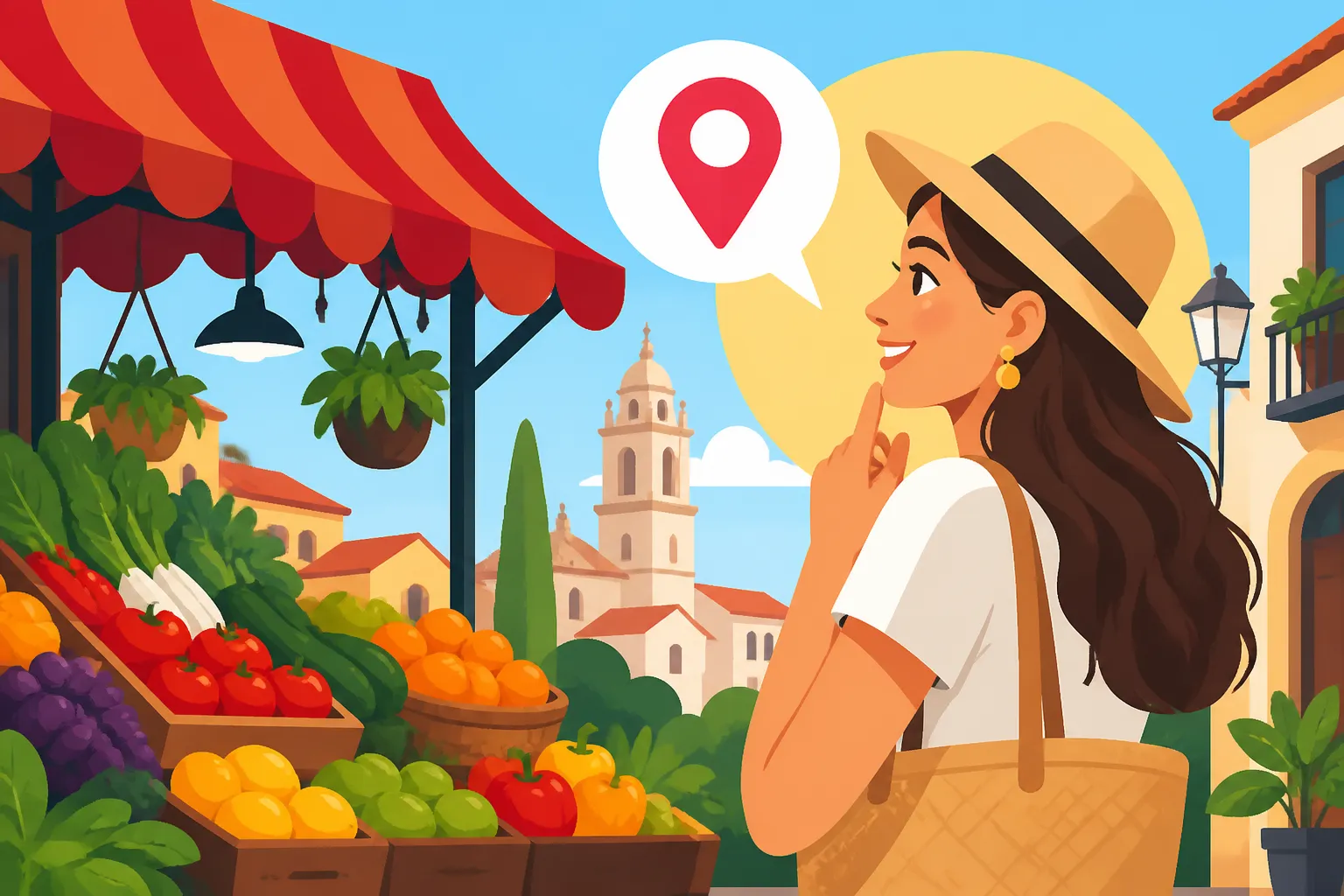
This is, hands down, your best tool. Spaniards are generally incredibly friendly and proud of their local haunts. Don't be shy! If you're sitting in a small, non-touristy bar or café, or even if you strike up a conversation with someone at a bus stop, ask them: "¿Dónde está el mercado local, el de verdad, donde compra la gente de aquí?" (Where is the local market, the real one, where people from here shop?). You might get a surprised but delighted smile, and then a wealth of information. They’ll usually point you towards the Mercado Municipal de [your neighborhood name], or a specific, smaller mercado that only locals know.
If your Spanish isn't quite up to snuff for a full conversation, even a simple "¿Mercado local bueno?" with a questioning look can often get you a pointing finger in the right direction. It's a fantastic way to practice your How to Learn Enough Spanish for a Two-Week Trip phrases and connect with the community. You’ll be amazed at how eager people are to share their favorite spots once you show genuine interest. This personal recommendation is almost always more reliable than any online search for truly local experiences.
Explore Beyond the Main Square: Regional Market Days
Many smaller towns and even distinct neighborhoods within larger cities will have specific "market days" (usually once or twice a week) where outdoor street markets, known as mercadillos, pop up. These are fantastic for finding everything from fresh produce, clothes, shoes, and household goods, often at incredibly reasonable prices. These aren't your permanent, enclosed food markets, but temporary, vibrant gatherings that are very much a part of local life.
To find these, check with your local Ayuntamiento (city council) website, usually under "Cultura," "Comercio," or "Eventos." They often list weekly mercadillos. Failing that, ask around in local shops or cafes. These mercadillos are also great for experiencing the hustle and bustle of a different kind of Spanish shopping, which can be quite a change from the typical supermarket experience, as detailed in Spanish Shopping: Supermarkets, Markets, and Budget Strategies. While in some cases they are fixed, others move around, so it is important to check for the correct location.
For example, in Málaga, while the Mercado de Atarazanas is popular (and still quite local, though increasingly touristy), exploring the smaller barrios (neighborhoods) like Huelin or El Palo on their designated market days will give you a different, more grassroots feel. These smaller markets are less about grand architecture and more about the simple, authentic exchange between vendor and customer. If you're travelling between different regions to discover various types of markets, you might find platforms like Omio helpful for planning your train and bus journeys.
Harnessing Technology: Apps and Websites
While asking locals is prime, technology can certainly assist, especially for larger, permanent indoor markets. Most major cities in Spain now have their markets listed on Google Maps, complete with opening hours and reviews. Pay attention to the photos and reviews – do they show mostly tourists, or do you see a lot of local shoppers and produce? Look for comments in Spanish that mention specific stalls or specialty items, rather than just "great tapas."
Some cities even have dedicated websites for their municipal markets, providing lists, contact information, and sometimes even a history of each market. For instance, a quick search for "mercados municipales [city name]" will often yield official city pages. These are goldmines of information. Furthermore, to truly immerse yourself in the culinary scene, you might consider booking a food tour that includes a market visit. Platforms like GetYourGuide offer various guided tours, some of which specifically focus on local markets, providing an expert's perspective and helping you discover unique stalls and authentic flavors.
Here’s a practical example of how you might search online:
- Initial Search: "Mercados en Sevilla" (Markets in Seville)
- Refinement: Look for terms like "mercado de barrio," "mercado de abastos" (supply market), or names of specific neighborhoods (e.g., "Mercado de Triana," "Mercado de la Encarnación" – though the latter, "Las Setas," has become a more modern, mixed-use space, Triana still retains a strong local food market component).
- Check Hours: Be aware of Spanish Meal Times and Dining Etiquette Explained and market opening hours. Many traditional markets close in the mid-afternoon, especially for a long lunch break, and don't reopen until the next morning.
What to Expect and How to Shop Like a Local
Once you've found your target market, the real fun begins. It's a sensory explosion and a masterclass in local customs.
Navigating the Stalls: A Sensory Experience
Expect noise, vibrant colours, and an intoxicating mix of aromas. The fish stalls, or pescaderías, are often the most impressive, showcasing an incredible variety of fresh seafood caught that morning. The meat counters, carnicerías, will have everything from various cuts of pork (Spain is, after all, a pork paradise!) to beef, chicken, and sometimes more exotic game. Then there are the fruit and vegetable stalls, fruterías, piled high with seasonal delights – bright red tomatoes, juicy oranges, plump peppers, and local specialties.
Don't be afraid to wander, to take it all in. Look closely at the produce; much of it will be locally sourced and incredibly fresh. The quality is often superior to what you find in supermarkets, and the prices can be surprisingly competitive. You might even find some Regional Spanish Dishes Every Visitor Should Try ingredients that are harder to source elsewhere. Some markets, like the Mercado Central in Alicante or the Mercado del Carmen in Huelva, are renowned for their incredible selection and vibrant atmosphere.
Essential Phrases and Etiquette
While many vendors, especially in larger cities, might speak a little English, it’s always appreciated if you try a few basic Spanish phrases. It shows respect and can often lead to a friendlier interaction and perhaps even a bonus piece of fruit!
Here are some phrases that will serve you well:
- "¡Hola!" – Hello!
- "Quiero medio kilo de manzanas, por favor." – I would like half a kilo of apples, please. (You can substitute "manzanas" with other items, and "medio kilo" with "un kilo" for one kilo, or "cien gramos" for 100 grams.)
- "¿Cuánto cuesta?" – How much does it cost?
- "Gracias." – Thank you.
- "Hasta luego." – See you later.
It’s generally good etiquette to wait your turn, especially at busy stalls. Sometimes, there's a numbering system, but often it's just about paying attention to who arrived before you. When you’re at the counter, make eye contact, be polite, and don’t touch the produce unless invited to do so by the vendor; they will usually select the best items for you. This simple act of politeness, as with all aspects of Spanish Social Customs: Greetings, Invitations, and Daily Life, goes a long way.
Beyond Fresh Produce: Artisanal Goods and Hidden Gems
While fresh food is the main draw, many markets offer so much more. You'll often find specialty cheese shops (queserías), cured meat vendors (charcuterías) with incredible jamón and chorizo, bakeries with traditional breads and pastries, and sometimes even small hardware stores or florists. Keep an eye out for artisanal products – local honey, olive oil from nearby groves, handcrafted soaps, or unique regional spices.
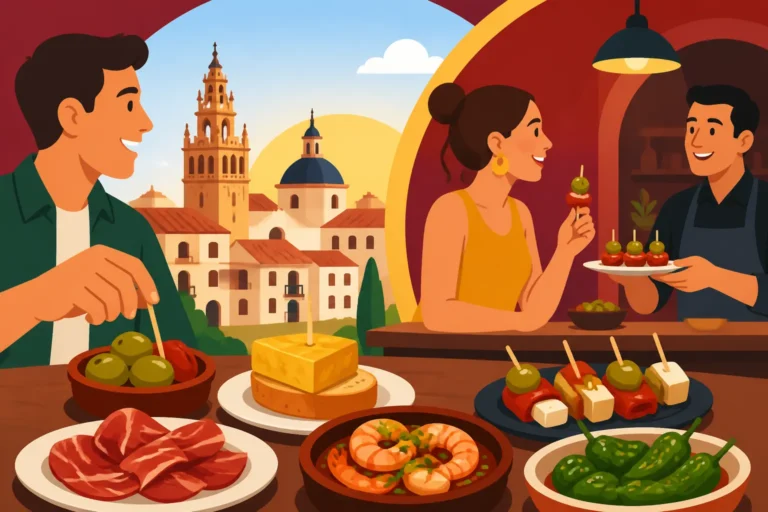
Many markets also house small, unassuming bars or tapas stalls. These are often where the vendors themselves grab a quick breakfast or lunch. They are fantastic spots to try authentic, no-frills Spanish food, often at incredible prices. You might even find a market that has its own version of a What Is a 'Menú del Día' and How Does It Work? on offer. Trying a simple coffee with tostada (toast) or a small plate of boquerones fritos (fried anchovies) while surrounded by the sounds and smells of the market is an unforgettable experience. These market bars can be truly wonderful for finding How to Find Authentic Restaurants in Spain (Not Tourist Traps).
Here’s a quick overview of what you might find at different types of markets in Spain:
| Market Type | Primary Offerings | Typical Days & Hours | Vibe & Recommendations |
|---|---|---|---|
| Mercado de Abastos / Central (Indoor Food Market) | Fresh produce, meat, fish, cheese, bread, some tapas bars | Mon-Sat, roughly 8 AM – 2/3 PM | Bustling, sensory experience. Best for daily groceries. Ask locals! |
| Mercadillo / Rastro (Outdoor Street Market) | Clothes, shoes, household goods, some fresh produce, artisanal crafts | Weekly (e.g., Tuesday, Saturday), morning till early afternoon | Lively, great for bargains. Check local Ayuntamiento for specific days and locations. |
| Mercado Artesanal (Craft Market) | Handcrafted items, unique gifts, sometimes gourmet food products | Often weekend-specific, tourist areas, or special events | Focused on unique, often higher-priced, artisanal goods. Check event listings. |
| Mercado de Segunda Mano (Flea Market) | Antiques, vintage items, second-hand goods, collectibles | Usually Sunday mornings (e.g., El Rastro in Madrid) | Hunt for treasures! Prepare to haggle a little, bring cash. |
Visiting a local market is a quintessential Spanish experience, offering a window into the country's rich culture, culinary traditions, and daily life. It's a place where you can not only fill your fridge but also your soul. So, next time you're in a Spanish city, step away from the polished main streets and seek out the true heart of the community – you won't regret it.
Disclaimer
Please note that while this guide provides general advice and information, specifics regarding market opening hours, vendor availability, and local regulations can change. Always check local sources or confirm with residents for the most up-to-date information. While we strive to provide accurate details, we cannot be held responsible for any discrepancies.