What Is Churros con Chocolate and Where to Get It
Oh, the glorious dilemma of churros con chocolate! When you first arrive in Spain, you're bound to encounter this delightful treat, and if you're like me, you'll probably wonder: Is it breakfast? Is it dessert? Can I eat it at midnight? The answer, my friends, is a resounding yes to all of the above, but there's an art to truly appreciating it. This guide is going to peel back the layers of this beloved Spanish staple, from what it actually is to where you can find the most authentic (and utterly delicious) versions.
Disclosure: This post may contain affiliate links. We may earn a commission at no extra cost to you if you make a purchase through these links. Read full disclosure.
Understanding the Magic of Churros con Chocolate
Let's be honest, for many of us, the first thought of "churros" conjures images of amusement park snacks or lighter, cinnamon-sugar-dusted varieties. But Spain's churros con chocolate is an entirely different beast – a far more sophisticated, comforting, and utterly indispensable part of the culinary landscape. It's a fundamental element of the Spanish experience, much like the afternoon siesta or the late-night dinner.
What Exactly is a Churro?
At its heart, a churro is a simple fried dough pastry, but the Spanish version stands out. Unlike the often thin, ridged, and sometimes hollow churros found in other countries, traditional Spanish churros come in a couple of distinct forms. The most common you'll encounter are often thicker, with a star-shaped cross-section, and are quite dense and chewy on the inside, with a perfectly crisp exterior. These are typically cut into long pieces after frying. Then there are porras, which are similar but thicker and often lighter and fluffier inside, made with a slightly different dough and cooking process. They're usually bigger in circumference, leading to a softer bite.
The key to a good churro is freshness. It should be made to order, or at least very recently, ensuring that beautiful contrast of crunch and chew. They're not overly sweet on their own; their job is to be the perfect vehicle for the glorious chocolate. Forget sprinkles or powdered sugar here; the magic truly lies in the dip.
The Essential Companion: Rich, Thick Chocolate
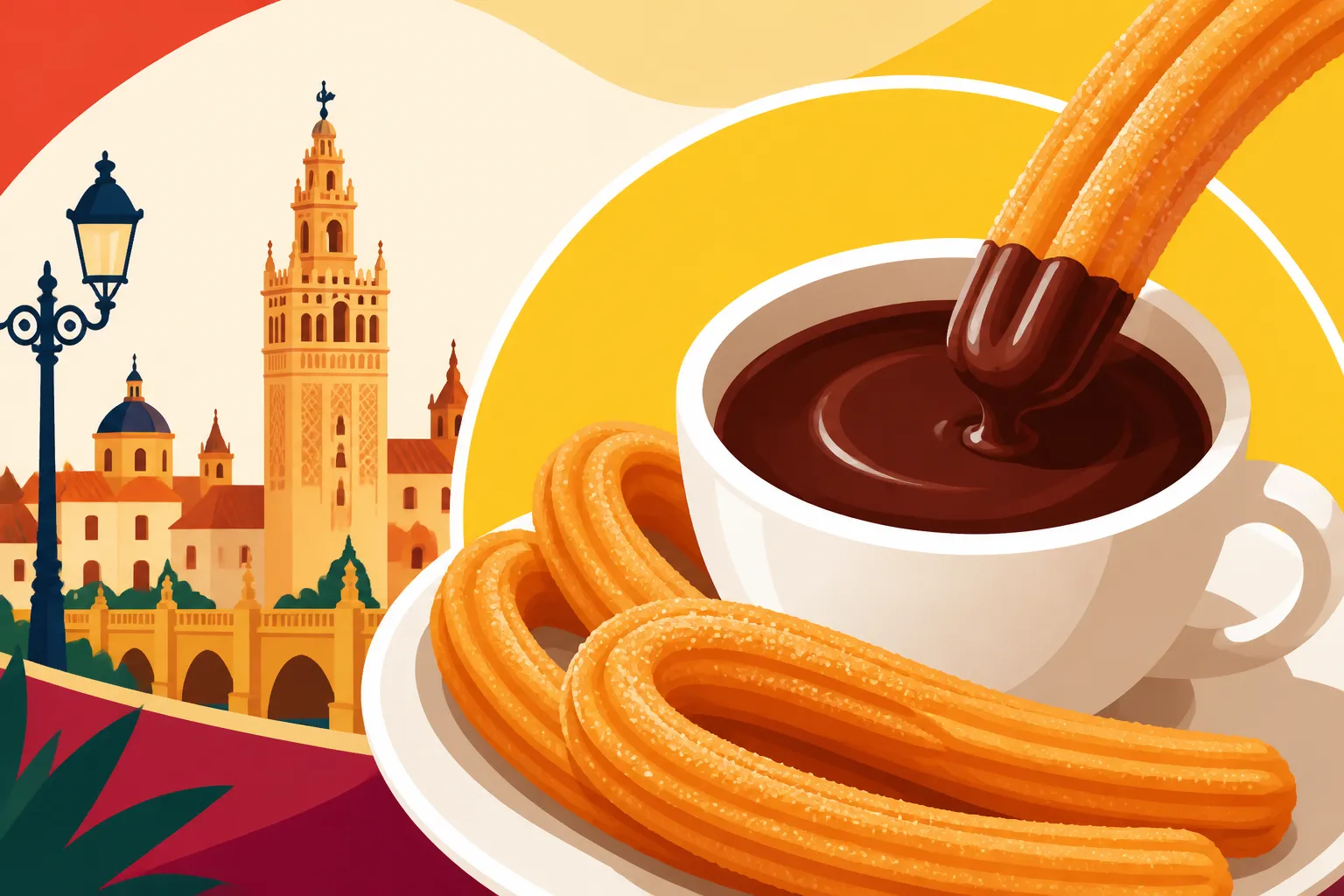
Now, let's talk about the chocolate. This isn't your average hot chocolate, nor is it melted candy bar chocolate. This is chocolate a la taza – drinking chocolate so thick and velvety that it’s less a beverage and more a molten, intensely flavorful sauce. It’s made with real chocolate, not just cocoa powder, often thickened with a touch of cornstarch to achieve that luxurious consistency. The best versions are dark, bittersweet, and rich enough to coat a spoon, providing a perfect counterpoint to the fried dough.
This chocolate is served warm, often in a ceramic mug, and its sole purpose is dipping. You don't sip it (unless you're really desperate and there's a little left over after all the churros are gone!). You break off a piece of churro, plunge it into the warm, luscious chocolate, and then revel in the simple, profound joy of the combination. It’s a moment of pure, unadulterated comfort.
More Than Just a Dish: A Cultural Ritual
For many expats, fitting into the local rhythm can be a real challenge, and understanding Spanish meal times is often a big hurdle. Churros con chocolate perfectly illustrates this cultural nuance. It’s not just food; it’s an experience woven into the fabric of daily life. While it's often considered a classic Spanish breakfast, especially on a chilly morning or after a long night out, it also shines as a quintessential merienda (afternoon snack) during the late afternoon.
You'll see families gather for it on a Sunday morning, friends catching up over a shared plate, and even people ducking into a churrería in the wee hours of the morning after a night of dancing. It's particularly popular during festive periods like Christmas and New Year's Day, when long queues form outside popular spots as people seek warmth and tradition. Understanding this flexibility in timing helps you truly embrace the Spanish way of life and lets you enjoy this treat whenever the craving strikes!
Navigating the Churrerías: Where to Find Your Fix
Finding churros con chocolate in Spain isn't hard; they're everywhere! But finding good churros con chocolate? That requires a little local insight. Just like with any beloved food, quality can vary wildly, from soggy, cold disappointments to crispy, golden perfection with divine chocolate.
Traditional Churrerías: The Authentic Experience
If you're truly seeking the quintessential churros con chocolate experience, you must visit a dedicated churrería. These establishments often specialize solely in churros, porras, and their accompanying chocolate, sometimes offering coffee or other simple pastries. They usually have a charmingly no-frills atmosphere, often with tiled walls and a bustling energy.
In Madrid, the legendary Chocolatería San Ginés is practically a pilgrimage site. Open 24 hours a day (yes, 24 hours!), it's famous for its vibrant atmosphere and reliably excellent churros and chocolate. It’s nestled in a small alley near the Plaza Mayor, making it a perfect stop at any time. For those visiting Barcelona, Granja Viader offers a more historic, cozy setting, serving churros alongside traditional Catalan suís (hot chocolate with whipped cream) since 1870. Each city and even smaller town will have its own beloved local churrería that locals swear by. Don't be afraid to ask around for recommendations!
Cafeterías and Panaderías: Everyday Indulgences
While specialist churrerías are the gold standard, you can also find churros con chocolate in many local cafeterías (cafes) and panaderías (bakeries) across Spain. These spots are excellent for a casual breakfast or merienda if you're not specifically seeking out a dedicated churrería. The quality here can be a bit more hit-or-miss. Some panaderías might get fresh churros delivered daily from a local producer, while others might have them pre-made and simply reheat them.
When exploring different neighborhoods, don't hesitate to pop into a seemingly unassuming cafe, especially if you see locals enjoying churros at the tables. It's often a sign of a decent local spot. This is also where you might find your everyday, affordable fix that becomes part of your routine. Remember, these places are also fantastic for grabbing a quick coffee or a pastry, and they are integral to the local community. For more on daily Spanish life, check out our guide on Spanish Shopping: Supermarkets, Markets, and Budget Strategies.
Street Vendors and Fairs: Seasonal Delights
Beyond the permanent establishments, churros have a magical way of appearing at local festivals, street markets, and ferias (fairs) throughout Spain. When you attend a local celebration, you'll often spot large carts or temporary stalls where churros are fried right before your eyes. The smell of hot oil and sweet dough is absolutely intoxicating and draws crowds. These churros are often served in a large spiral or cut into hefty portions, sometimes wrapped in paper cones, making them perfect for eating on the go.
The experience of buying churros from a street vendor, especially during a vibrant fiesta, adds an extra layer of charm. The churros tend to be simple and rustic, but the atmosphere makes them unforgettable. If you happen to be in Spain during a local festivity, make sure to seek out these temporary churro stands – they’re a treat for the senses!
Tips for the Perfect Churros con Chocolate Experience
So you've found your spot, you're ready to dive in, but how do you navigate the ordering process and ensure you get the best experience possible? A little local knowledge goes a long way.
Ordering Like a Local: Navigating the Menu
When you sit down at a churrería, you'll typically order a "ración de churros" (a portion of churros) or "ración de porras." Don't be shy about asking for whichever type you prefer. If you're with a group, it's common to order a couple of portions to share, as well as individual mugs of chocolate.
The chocolate is usually ordered separately as "chocolate a la taza." Sometimes, especially in more modern cafes, you might be asked if you want "chocolate negro" (dark chocolate) or "chocolate con leche" (milk chocolate), though the traditional accompanying chocolate is usually a rich dark blend. If you're unsure, just ask for "chocolate para churros." Learning a few basic phrases in Spanish can be a huge help here; our guide to Spanish Language and Everyday Communication for Visitors might come in handy.
Timing is Everything: When to Go
While many churrerías are open for extended hours, the best time to enjoy churros con chocolate is usually in the morning, between 8 AM and 11 AM, when everything is fresh and the atmosphere is buzzing with breakfast-goers. Another popular time is for merienda, around 5 PM to 7 PM, when people take a break from their day. If you go too late at night, the churros might not be as fresh, unless you're at a 24-hour spot like San Ginés.
Going during off-peak hours might mean fewer crowds, but also less of that lively atmosphere that makes the experience so authentically Spanish. On Sundays and public holidays, expect places to be packed, especially in the late morning, as families indulge in this beloved tradition.
Cost Expectations: Budgeting for Your Sweet Treat
One of the best things about churros con chocolate is that it's a relatively affordable treat, especially considering the satisfaction it brings. A "ración" of churros (usually 4-6 pieces) typically costs around €2.50 to €4.00, and a mug of chocolate is generally in the same price range, from €2.50 to €4.50. So, for a delicious individual treat, you're looking at around €5 to €8.
Prices can vary slightly depending on the city and the establishment. A very famous, central spot in a major city like Madrid might be a bit pricier than a local neighborhood churrería. For a family or group, a shared plate of churros and a few chocolates is still a very economical way to enjoy a delightful meal or snack. If you're mindful of your expenses, our comprehensive guide on the Cost of Living in Spain: Realistic Budgets and Savings Tips offers more insights into managing your daily expenditures.
Beyond the Classic: Variations and Alternatives
While the classic churros con chocolate is a perfect experience in itself, Spain offers a few interesting variations and related fried dough treats that are worth exploring.
Porras, Tejeringos, and Other Fried Delights
We touched on porras already – these are the thicker, often fluffier cousins to churros, and they are equally popular for dipping in chocolate. They offer a different texture, sometimes described as a lighter, more airy bite compared to the denser churro.
In some regions, particularly Andalusia, you might encounter tejeringos. These are a local specialty, particularly in Málaga, and are essentially very thin, ring-shaped churros that are delightfully crispy. They're often sold in individual portions, already formed into a loop. Each region takes its fried dough seriously, and exploring these variations is a delicious way to experience local culinary pride.
Here's a quick comparison of the main types you'll find:
| Feature | Churro | Porra | Tejeringo (Andalusia) |
|---|---|---|---|
| Shape/Size | Star-shaped cross-section, long and thin | Thicker, smoother, often larger diameter | Very thin, spiral/loop shape, very crispy |
| Texture | Crispy exterior, dense/chewy interior | Crispy exterior, fluffier/lighter interior | Uniformly very crispy and light |
| Dough | Basic flour, water, salt | Flour, water, salt, sometimes baking soda | Specific dough, often extruded in a spiral |
| Preparation | Extruded through a star nozzle | Extruded through a wider nozzle, often in a coil | Extruded in a very thin coil/spiral |
| Common Use | Dipping in chocolate, breakfast, merienda | Dipping in chocolate, breakfast | Dipping in chocolate, breakfast |
Churros Rellenos and Modern Twists
While purists might stick to the original, some modern churrerías and cafes are starting to experiment with churros. You might find churros rellenos (filled churros), often with dulce de leche, crema, or even chocolate inside, offering an extra burst of sweetness. These are usually thicker and shorter, designed for an indulgent bite without the dip.
Some contemporary spots also offer different dipping sauces beyond the classic chocolate, like white chocolate or fruit coulis, appealing to a broader palate. While these modern twists can be fun to try, it is best to start with the traditional churros con chocolate. It’s a timeless classic for a reason, and it’s the heart of the Spanish experience. After all, when in Spain, doing as the Spanish do is half the fun!
Disclaimer
The information provided in this guide is for general informational purposes only and is based on typical experiences in Spain. While we strive to offer accurate and up-to-date advice, regulations, prices, and availability of services can change. We recommend verifying specific details, such as opening hours or current prices, directly with establishments or official sources. This content does not constitute professional advice.