How to Get to Ibiza Without Flying
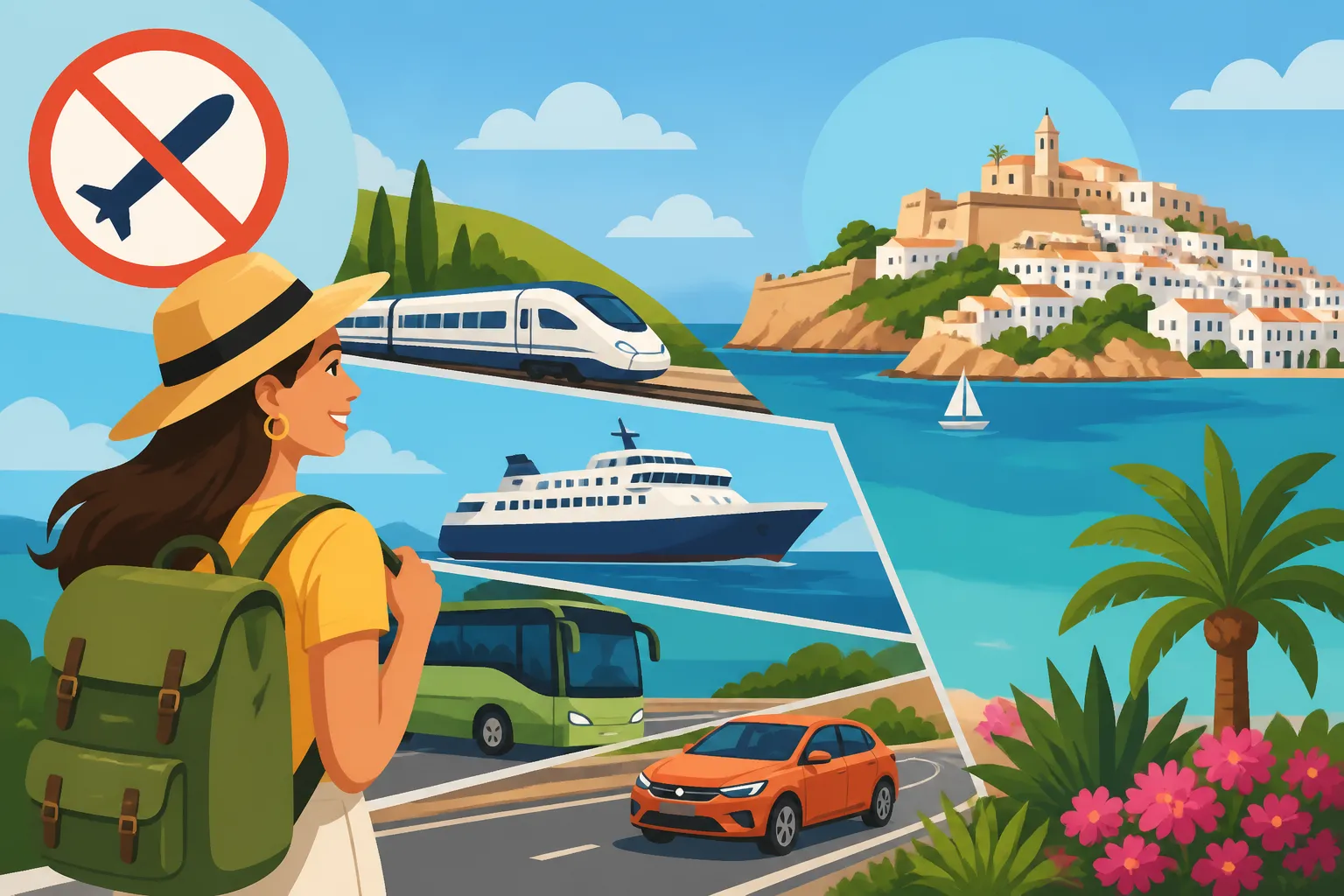
Ah, Ibiza! The mere mention of the island conjures images of sun-drenched beaches, vibrant nightlife, and serene hidden coves. But for many of us who call Spain home, or who are simply looking for a more mindful way to travel, the thought of yet another airport shuffle can be less than appealing. If you've ever dreamt of reaching this Balearic gem without stepping foot on a plane, perhaps due to a fear of flying, environmental concerns, or simply a desire for a different kind of adventure, you're in the right place. This guide will walk you through everything you need to know about getting to Ibiza the flight-free way, proving that the journey can be just as enriching as the destination.
Disclosure: This post may contain affiliate links. We may earn a commission at no extra cost to you if you make a purchase through these links. Read full disclosure.
Why Ditch the Wings? The Appeal of a Flight-Free Journey to Ibiza
I get it. The convenience of a short flight is undeniable, especially when you're itching to feel that Mediterranean sun on your skin. But for some of us, the traditional air travel route comes with its own set of anxieties and drawbacks. You're not alone if you've found yourself wishing for an alternative.
More Than Just a Destination: The Journey Itself
For many, the decision to avoid flying is deeply personal. Perhaps you're acutely aware of your carbon footprint and want to make more sustainable travel choices. Spain's commitment to improving its public transport infrastructure, including high-speed trains, makes it easier than ever to explore the mainland with a clear conscience. Choosing a ferry over a flight allows you to literally glide over the waves, offering a sense of connection to the sea that a cramped airplane cabin simply can't provide. It transforms a quick hop into a genuine part of your travel story, allowing you to slow down and truly soak in the diverse landscapes as you move across the country and then across the sea.
There's also a certain romance to sea travel, isn't there? Watching the coastline disappear as you head out into the Mediterranean, feeling the sea breeze, and anticipating the first glimpse of Ibiza on the horizon. It's an experience far removed from the sterile airport lounges and crowded security checks. It’s an opportunity to truly disconnect and transition into holiday mode before you even arrive.
Practical Benefits Beyond the View
Beyond the philosophical reasons, there are some very tangible benefits to choosing ground and sea travel. For starters, if you have a genuine Fear of Flying or Discomfort, opting for a train and ferry eliminates that stress entirely. No more claustrophobia, no more turbulence worries, just open space and sea air.
Then there's the luggage. Oh, the luggage! Airports are notoriously strict about weight and size, often hitting you with exorbitant fees for anything beyond a small carry-on. With ferries, especially if you're traveling by car, the rules are far more relaxed. This means you can pack more freely – perhaps that extra pair of sandals, a larger bottle of sunscreen, or even a paddleboard if you're feeling adventurous. If you're planning a longer stay or bringing specific gear for activities like diving or cycling, the ferry becomes an incredibly practical choice. You won't have to worry about the hassle of checking oversized bags or the stress of them getting lost in transit.
The Mainland Connection: Reaching Spain's Ferry Ports by Land
So, you've committed to the flight-free adventure. Excellent! Your first major step is to reach one of Spain's bustling port cities that offer direct ferry services to Ibiza. The most common departure points are Valencia and Denia, with some services also running from Barcelona. The good news is that Spain boasts an excellent and extensive public transport network, making these ports easily accessible from almost anywhere on the peninsula.
Navigating Spain's Rail Network
Spain's train system, primarily operated by Renfe, is a fantastic way to traverse the country. For speed and comfort, the AVE high-speed trains are hard to beat, connecting major cities like Madrid to Valencia in under two hours. If you're traveling from further afield, you can easily connect through one of these hubs. How to Buy AVE Train Tickets in Spain and Save Money will be a lifesaver here. Once you arrive in a city like Valencia, the port is usually a short taxi or public transport ride away. Remember that Renfe tickets can be booked well in advance, and using platforms like Omio can help you compare routes, times, and prices across different train types and even bus companies, ensuring you get the best deal and a seamless journey.
When booking your train travel, consider the arrival time at your chosen port city. You'll want to leave ample time to get from the train station to the ferry terminal, especially if it's your first time navigating the city. A comfortable buffer prevents any last-minute dash that could add unnecessary stress to your adventure.
The Budget-Friendly Bus Alternative
If you're on a tighter budget or prefer the convenience of direct routes from smaller towns, intercity buses are an excellent choice. Companies like ALSA operate comprehensive networks across Spain, connecting nearly every town and city to the major port hubs. While a bus journey might take longer than an AVE train, it's often significantly cheaper, especially if you book in advance. Plus, some bus stations are located closer to ferry terminals than train stations, which can be a small but welcome convenience. You can compare bus routes and book tickets directly through operator websites or again via platforms like Omio, which aggregates various transport options, making it easier to plan your entire mainland leg. Intercity Buses in Spain: Networks, Booking, and Tips offers more insights into this option.
Think about the comfort level for longer bus journeys. Many modern Spanish buses are surprisingly comfortable with reclining seats, air conditioning, and even Wi-Fi. However, for overnight trips, you might prefer a train or to break up your journey with an overnight stay in a port city.
Taking Your Own Wheels
For those who love the freedom of the open road, driving your own car to the ferry port is a superb option. This is particularly appealing if you're planning to explore Ibiza more extensively or want to bring a lot of gear. Spain has a well-maintained network of motorways, and reaching Valencia or Denia by car is generally straightforward. Both cities have ample parking near the ferry terminals, though it's always wise to book a spot in advance, especially during peak season. Driving allows you to create your own itinerary, stopping off at charming towns or scenic viewpoints along the way, transforming the transit into part of your vacation.
If you're thinking of Renting a Car in Spain: Requirements, Insurance, and Driving Tips, ensure your rental agreement allows for ferry travel and driving on the islands. While most do, it's always best to confirm beforehand to avoid any unwelcome surprises. The added flexibility of having your car on the island can be a game-changer for exploring beyond the main tourist areas and discovering Ibiza's more serene side.
Sailing to the White Isle: Your Ferry Guide to Ibiza
Once you've arrived at your chosen mainland port, the next exciting phase begins: the sea voyage to Ibiza! This is where the real flight-free magic happens, as you swap tarmac for turquoise waters.
Key Departure Ports and Ferry Operators
The main ferry routes to Ibiza depart from three key ports:
- Denia: This is often the quickest mainland route to Ibiza, with fast ferries taking approximately 2 to 3.5 hours. Denia is a smaller, charming port town, making arrival and departure less hectic. Balearia is the primary operator from Denia, offering both conventional and high-speed ferries.
- Valencia: A larger city, Valencia offers more connections from across Spain and typically has more frequent departures. The journey time from Valencia is usually between 5 to 7 hours, making it ideal for an overnight sailing or if you prefer a longer, more relaxed cruise. Both Balearia and Trasmed are major operators from Valencia.
- Barcelona: The longest route, ferry crossings from Barcelona to Ibiza can take 8 to 9 hours, often overnight. This is a great option if you're combining your Ibiza trip with a visit to Catalonia's vibrant capital. Trasmed and Balearia both service this route.
Each operator offers different classes of service, from basic seating to private cabins, allowing you to tailor your journey to your budget and comfort preferences.
What to Expect on Your Sea Voyage
Ferry travel in Spain is generally very comfortable and well-organized. Modern ferries are equipped with a range of amenities designed to make your journey enjoyable. You'll typically find cafes, restaurants, shops, and sometimes even cinemas or children's play areas. For longer overnight trips, booking a private cabin is highly recommended. It offers a comfortable bed, a private bathroom, and a quiet space to rest, ensuring you arrive in Ibiza feeling refreshed and ready to explore. Even without a cabin, reclining seats are usually available, and finding a quiet spot to read, work, or simply watch the sea is easy.
The experience is quite different from flying. There's no pressure to stay seated, you can walk around, breathe in the fresh sea air on deck, and truly enjoy the open horizon. It’s a moment to pause, reflect, and anticipate the adventure ahead. The arrival into Ibiza, especially as the sun rises or sets, is truly spectacular, offering unique views of the island that you wouldn't get from above.
Booking Your Passage and Important Considerations
Booking your ferry tickets in advance is crucial, particularly during the high season (June to September) and on weekends. You can book directly through the ferry operators' websites (Balearia, Trasmed) or use comparison sites like Omio to check schedules and prices across different companies. When booking, make sure to specify if you're traveling with a vehicle, as this will affect the price and availability.
Here’s a quick comparison of the main ferry routes:
| Route | Operator(s) | Estimated Travel Time | Typical Amenities | Ideal For |
|---|---|---|---|---|
| Denia – Ibiza | Balearia | 2 – 3.5 hours | Cafeteria, outdoor decks, basic seating, Wi-Fi | Quickest route, day trips, those prone to seasickness |
| Valencia – Ibiza | Balearia, Trasmed | 5 – 7 hours | Restaurants, shops, cabins, lounges, pet areas | Overnight travel, bringing a car, more comfort |
| Barcelona – Ibiza | Balearia, Trasmed | 8 – 9 hours | Full range of amenities, cabins, entertainment | Combining with a Barcelona trip, extended comfort |
Always double-check current schedules and services as they can vary by season and demand.
Remember to arrive at the ferry terminal well before departure, especially if you're traveling with a vehicle. Check the operator's specific recommendations, but generally, 60-90 minutes before sailing for vehicles and 30-45 minutes for foot passengers is a good rule of thumb. Have your tickets and identification ready.
Planning Your Flight-Free Ibiza Adventure: Practicalities
So you've chosen the scenic route! That's fantastic. Now let's iron out a few more practicalities to ensure your flight-free journey to Ibiza is as smooth and enjoyable as possible.
Packing Smart for Multi-Modal Travel
When you're combining train, bus, and ferry travel, efficient packing becomes your best friend. While ferries are more lenient with luggage, you'll still be handling your bags through various stations and terminals. Opt for luggage that's easy to maneuver – think suitcases with good wheels or comfortable backpacks. Pack layers of clothing, as temperatures can vary significantly between an air-conditioned train, an open ferry deck, and the Ibizan sun. Don't forget essentials like a good book or downloaded entertainment for the longer stretches, snacks, a reusable water bottle, and any necessary medications. Traveling With Medication in Spain: Practical Carry-On Tips is always a good read for expats.
Consider bringing a smaller day bag for essentials you'll want access to during your transit legs, keeping your main luggage stowed. This could include your travel documents, a power bank for your devices, and personal hygiene items. The goal is to minimize hassle and maximize comfort across all stages of your journey.
Accommodation and Logistics
Once you arrive in Ibiza, you'll need a place to lay your head! Booking.com is a fantastic resource for finding everything from cozy boutique hotels to self-catering apartments across the island, catering to all budgets and preferences. Whether you're after the vibrant energy of Playa d'en Bossa, the bohemian charm of Santa Eulalia, or the tranquility of the north, you'll find plenty of options. If you're looking for unique experiences or tours once you arrive, sites like GetYourGuide offer a plethora of options, from boat trips to historical tours, ensuring you make the most of your time on the White Isle.
Think about how you'll get from the ferry port in Ibiza (usually Eivissa or San Antonio) to your accommodation. Taxis are readily available, and local buses connect the main towns and resorts. If you brought your car, you're all set! If not, consider renting a car or scooter on the island for maximum flexibility, particularly if you plan to explore the island’s more secluded beaches and villages.
Integrating Your Trip with Spanish Explorations
One of the great advantages of a flight-free journey to Ibiza is the opportunity to truly experience more of mainland Spain along the way. Instead of just passing through a port city, why not turn it into a mini-adventure?
- Valencia: Spend a day or two exploring the futuristic City of Arts and Sciences, wandering through the historic Carmen neighborhood, or indulging in some authentic paella. Valencia City Guide: Old Town, Beaches, and Science Park offers a great starting point.
- Barcelona: If you're coming from further north, Barcelona is a feast for the senses. Visit Gaudí's masterpieces, stroll along Las Ramblas, or enjoy the Gothic Quarter before your overnight ferry. There's a reason it's one of Spain's Great Cities: Explorer's Guide.
- Denia: This smaller town is known for its castle, beautiful beaches, and fantastic gastronomy. It’s a lovely place for a relaxed stopover before your shorter ferry journey.
By taking the time to journey across Spain, you're not just getting to Ibiza; you're crafting a multi-layered travel experience that deepens your connection with this incredible country. It might take a little more planning, but the rewards—less stress, more comfort, and a genuinely memorable journey—are absolutely worth it.
Disclaimer
Please note that travel information, including ferry schedules, prices, and visa requirements, can change. Always verify the latest details with official sources, ferry operators, and relevant government agencies before making your travel arrangements. This guide is for informational purposes only and does not constitute official advice.