What’s the Weather Like in Spain in Winter?
Most people picture Spain as a land of eternal sunshine and sangria-filled summers, but many travelers arrive in January with only a light denim jacket and a look of absolute betrayal. This guide deconstructs the surprising regional variations of Spanish winters, helping you pack correctly and choose the right destination so you aren't shivering through your sightseeing holiday.
Disclosure: This post may contain affiliate links. We may earn a commission at no extra cost to you if you make a purchase through these links. Read full disclosure.
The Great Regional Divide North vs South vs Central
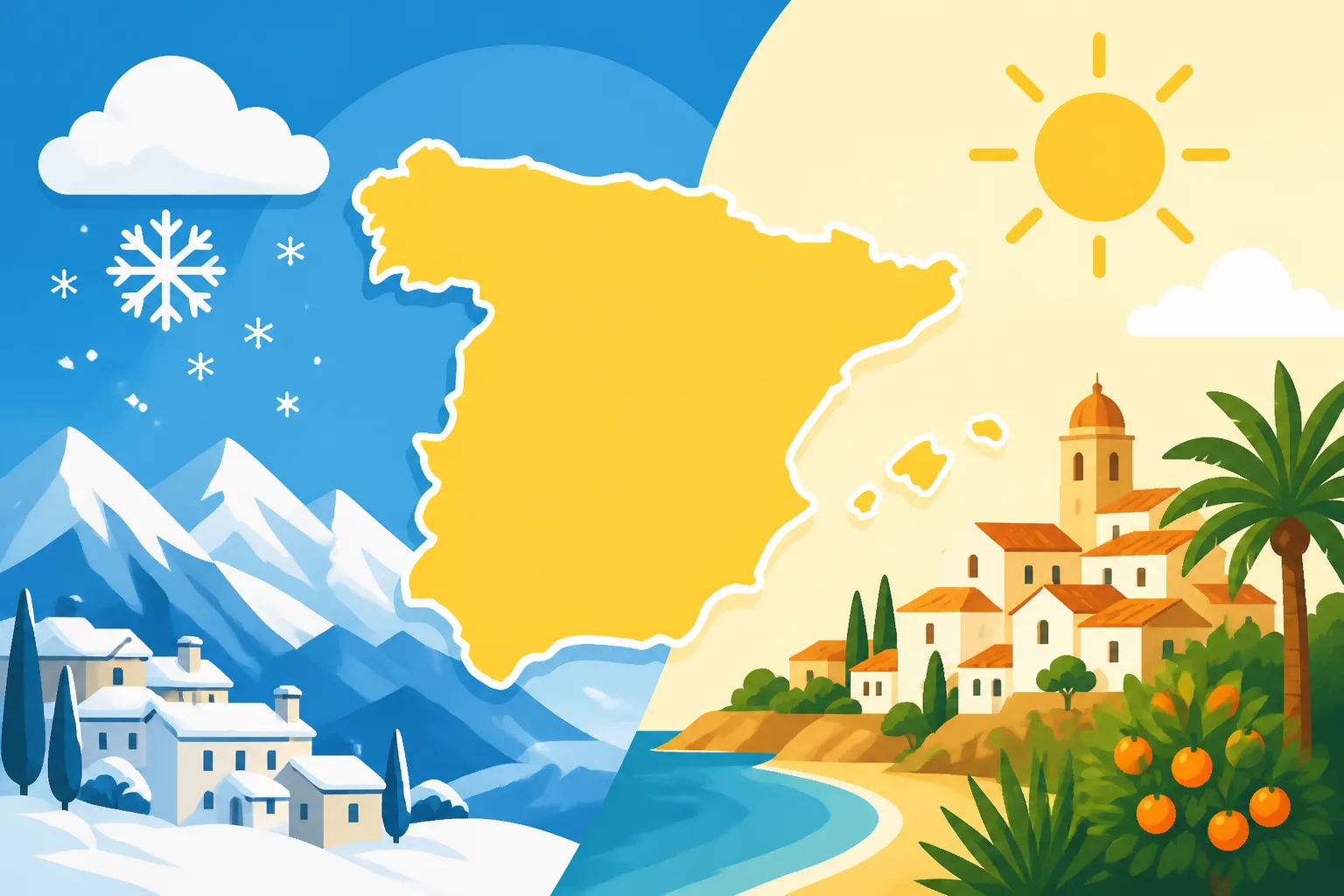
When you live in Spain as an expat, you quickly learn that the weather is not a single, unified experience. The geography of the Iberian Peninsula is incredibly varied, dominated by high plateaus, jagged mountain ranges, and three different coastlines. This creates a "micro-climate" effect where you can be skiing in the morning and sitting in a sunny plaza with a t-shirt in the afternoon.
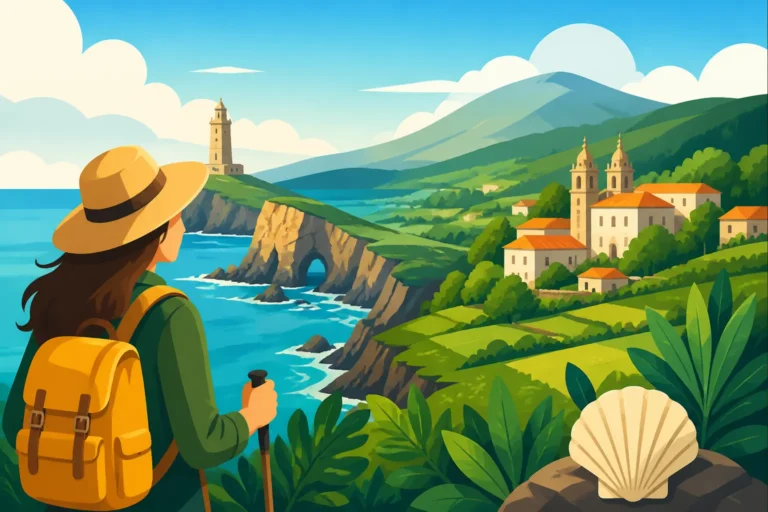
The North, often referred to as Green Spain, includes regions like Galicia, Asturias, and the Basque Country. In winter, this area is defined by the Atlantic influence. Expect frequent rain, mist, and temperatures that hover between 8°C and 14°C. It is rarely freezing at sea level, but it is damp. That dampness has a way of seeping into your bones if you aren't prepared with a proper waterproof layer. If you are planning a trip to these lush regions, understanding When to Visit Each Spanish Region for the Best Weather will help you realize that winter here is for lovers of cozy taverns, rugged cliffs, and hearty stews rather than sunbathing.
Central Spain, including the capital, is an entirely different beast. Madrid sits on a high plateau known as the Meseta. The saying here is "nine months of winter and three months of hell." While that’s an exaggeration, Madrid winters are crisp, dry, and biting. You will see incredibly blue, cloudless skies, but the wind coming off the Guadarrama Mountains is sharp. Daytime temperatures might reach 10°C, but as soon as the sun dips behind the buildings, it plummets toward zero. If you are exploring the city's landmarks, check out Madrid for First-Time Visitors: Neighborhoods and Highlights to plan your indoor stops when the afternoon chill sets in.
Monthly Breakdown What to Expect from December to February
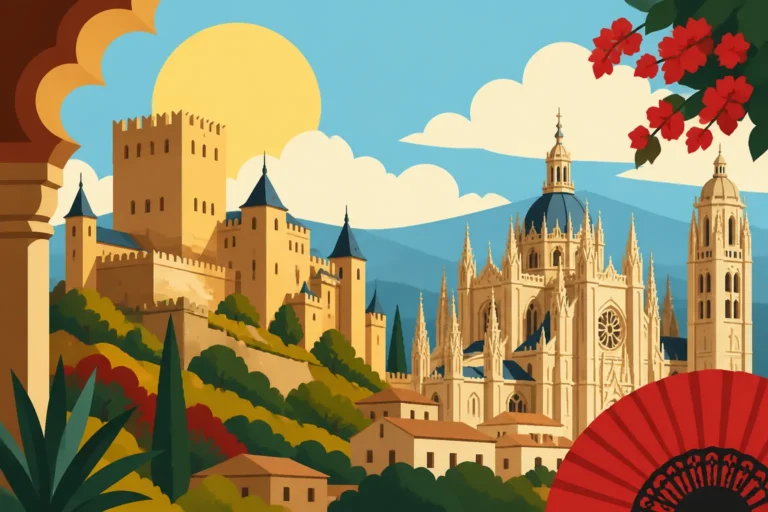
December is a magical time in Spain, not because of the heat, but because of the light. The sun is lower in the sky, casting a golden hue over the cathedrals and plazas. In the south, December is surprisingly pleasant. Cities like Seville and Malaga often see temperatures in the high teens. However, you must be careful about the "shade trap." Walking on the sunny side of the street feels like spring; crossing to the shady side feels like mid-winter. This is the month of street-roasting chestnuts and the buildup to the holidays. To navigate the festive logistics, it’s worth reading up on Christmas and Three Kings in Spain: Traditions Explained.
January is consistently the coldest month across the mainland. This is when the "polar fronts" occasionally dip down, bringing rare snowfall to places like Madrid or the hills of Andalusia. For the budget-conscious traveler, January is a golden opportunity. Because it is the off-season, you can find incredible deals on accommodation through Booking.com, often staying in luxury hotels for a fraction of their summer price. It is also the best time for museum-hopping. If you want to see the Prado or the Alhambra without the suffocating crowds, booking your entry via GetYourGuide ensures you skip the lines and stay out of the wind.
February starts to show the first signs of the coming spring, especially in the south where the almond blossoms begin to bloom. In the Mediterranean regions like Valencia, the "winter" is effectively ending by late February. However, the North remains stubbornly rainy. The key to February travel is flexibility. Using Omio to check train and bus schedules allows you to pivot your plans if a sudden rainstorm hits the coast, moving inland toward the sunny, dry interior instead.
Winter Survival and the Cold House Phenomenon
One of the biggest shocks for new residents and winter tourists is the indoor temperature. Most Spanish homes and older apartments were built to keep heat out during the blistering summers. This means they have thick stone walls, marble or tile floors, and, quite often, no central heating. Many expats spend their first winter huddled around a "brasero" (a heater placed under a table covered with a heavy cloth) or relying on expensive electric radiators.
If you are visiting, do not assume your rental will be toasty. Always check the heating situation on your listing. Layering is your best friend indoors and out. A pair of thick wool socks is perhaps the most important item you can pack for a Spanish winter. When you are out and about, the culture shifts toward long, slow lunches to stay warm. Understanding the nuances of Spanish Food and Drink: A Practical Culture Guide will help you identify the best winter dishes, like Cocido Madrileño or Fabada Asturiana, which are designed to fuel you through a cold afternoon.
Public transport remains excellent during the winter months, and it is often the warmest place to be. The high-speed AVE trains are climate-controlled and very comfortable. You can easily book these through Omio to ensure you get a seat on the popular routes between Madrid and Seville. If you are trying to save money, Intercity Buses in Spain: Networks, Booking, and Tips offers a comprehensive look at the coach system, which is often much cheaper and just as reliable, even in snowy conditions in the mountains.
Where to Find the Sun the Canary Islands and Andalusia
If you absolutely cannot stand the cold, you have two main options. The first is the Canary Islands. Located off the coast of Africa, islands like Tenerife, Gran Canaria, and Lanzarote offer "Eternal Spring." Temperatures here peak at daytime highs that rarely drop below 18°C and frequently hit 24°C in the middle of January. It is one of the few places in Europe where a beach holiday is genuinely possible in winter.
The second option is the coast of Andalusia. While not "hot," the Costa del Sol lives up to its name with over 300 days of sunshine a year. You might not be swimming in the sea, but you will definitely be eating lunch outside. For a deeper dive into the climate of the south, check What's the Best Month to Visit Andalusia? to see how the winter months compare to the intense heat of July.
| Region | Avg High (Jan) | Avg Low (Jan) | Rainfall Level | Vibe |
|---|---|---|---|---|
| Madrid (Central) | 10°C | 0°C | Low | Crisp, sunny, biting wind |
| Seville (South) | 16°C | 6°C | Moderate | Mild, orange-scented, bright |
| Bilbao (North) | 13°C | 5°C | High | Misty, green, atmospheric |
| Barcelona (East) | 14°C | 5°C | Low | Breezy, coastal, mild |
| Tenerife (Islands) | 21°C | 15°C | Very Low | Tropical, sunny, beachy |
Why Winter is Secretly the Best Time to Visit
Despite the chill, veteran travelers often prefer the Spanish winter. The primary reason is the lack of "over-tourism." In July, the narrow streets of Toledo or the Albaicín in Granada are packed shoulder-to-shoulder with sweating tourists. In December or January, these places regain their soul. You can walk through the Jewish Quarter of Córdoba and hear nothing but your own footsteps.
Cultural activities also peak in the winter. The theater, opera, and flamenco seasons are in full swing. Because the heat isn't draining your energy, you can walk for miles. If you find yourself getting cold, the solution is simple: find the nearest "churrería." Ordering a thick, pudding-like chocolate and fried dough is a winter rite of passage. You can learn more about this delicious tradition in What Is Churros con Chocolate and Where to Get It.
Additionally, the winter light is a photographer's dream. The "Golden Hour" lasts longer, and the air is much clearer than in the hazy summer months. To make the most of these shorter days, it is wise to plan your itinerary around the daylight hours. Most shops still follow the traditional schedule, so knowing Spanish Holidays and Public Closures: Planning Errands in 2026 will prevent you from showing up to a closed museum or market in the middle of a cold afternoon.
Maximizing Your Winter Itinerary with Culture and Food
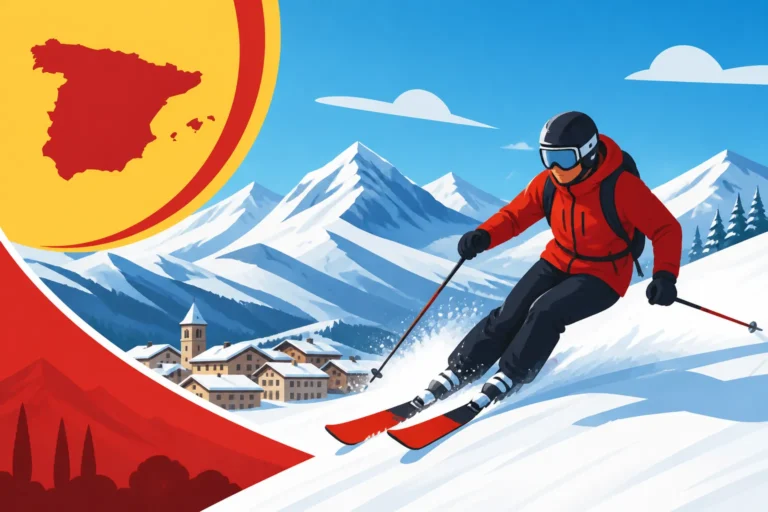
If you are a fan of winter sports, Spain is actually the second most mountainous country in Europe. You can take a train from Madrid and be in the ski resorts of the Sierra Norte in less than two hours. Alternatively, the Sierra Nevada resort in Granada allows you to ski while looking at the Mediterranean Sea. It is a surreal experience that many tourists completely miss because they only associate Spain with beaches.
For those who prefer a more sedentary pace, winter is the time for "Café Culture." Spaniards spend a lot of time in bars and cafés, but in winter, the focus shifts from the terrace to the cozy interior. Learning Coffee Culture in Spain: How to Order Like a Local will help you blend in as you nurse a "café con leche" for an hour while reading a book and escaping a rain shower.
When planning your movements, remember that winter is the best time to book popular tours that are usually sold out. Using GetYourGuide to find a local expert for a tapas tour or a historical walk is much more pleasant when you aren't fighting for space under a parasol. And because you’ve used Booking.com to find a hotel with good heating and a central location, you’ll have a warm sanctuary to return to after a day of crisp, Spanish air.
Disclaimer
The information provided in this guide is for informational purposes only. Weather patterns can vary significantly from year to year, and travelers are encouraged to check real-time local forecasts and official government travel advice before their trip. Any services mentioned are based on general expat experience and do not constitute a legal guarantee of service quality.