Skiing in Spain: Resorts and Season Basics
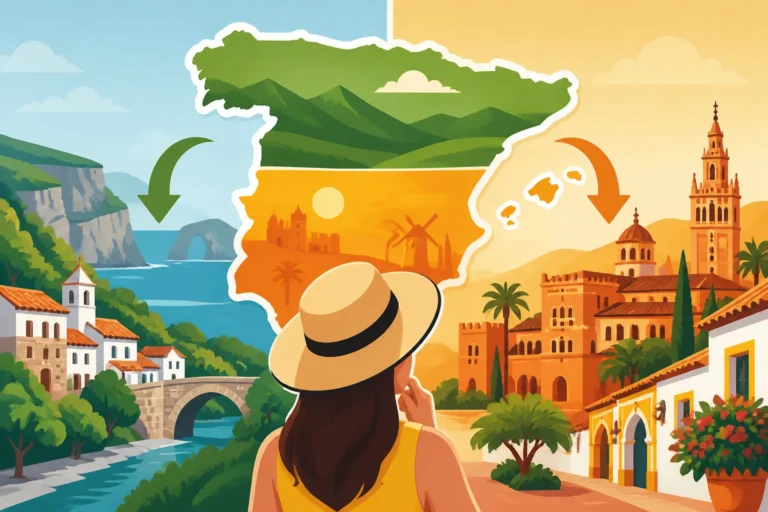
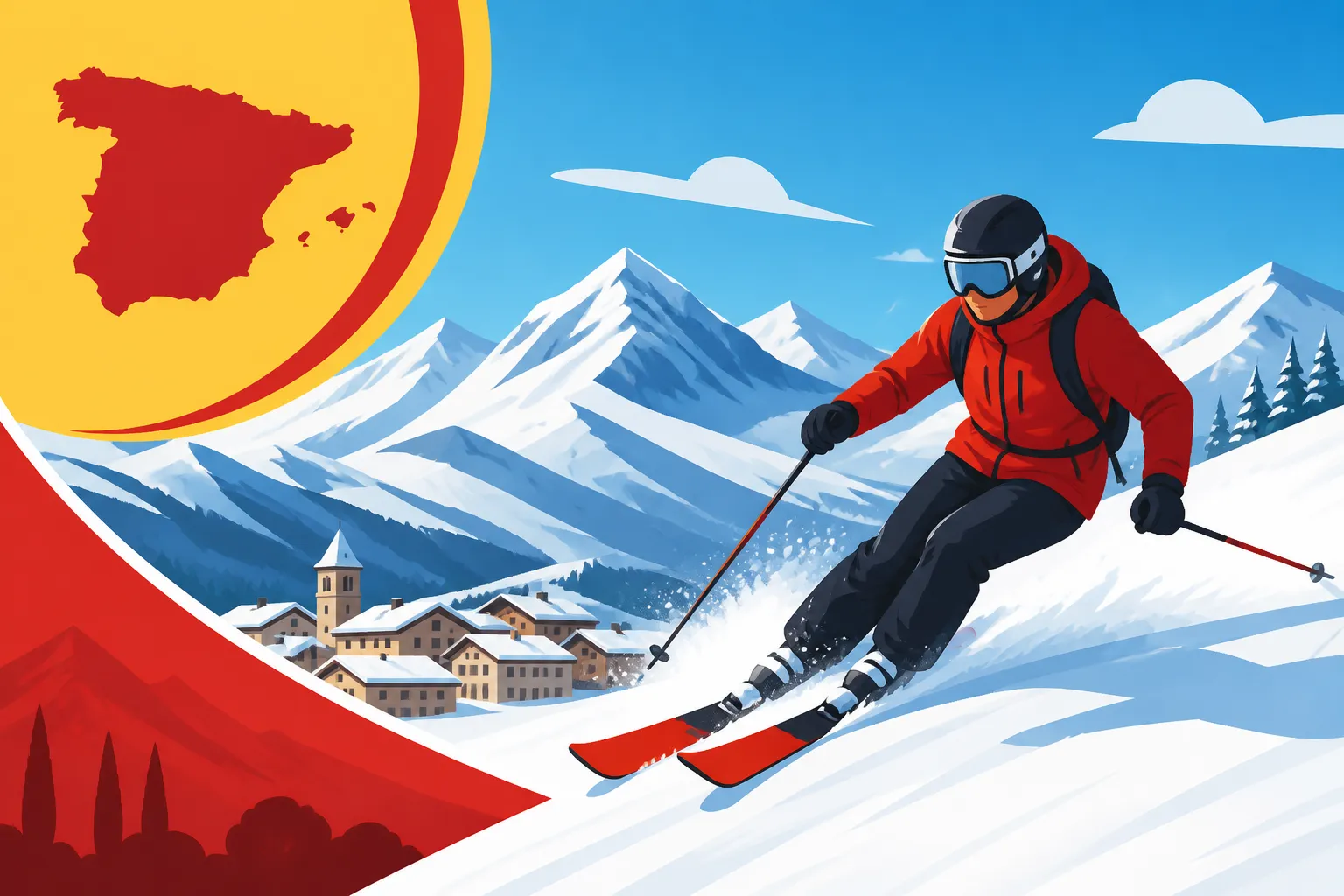
Most travelers imagine Spain as a sun-drenched paradise of olive groves and Mediterranean beaches, often feeling completely blindsided when they realize we have some of the highest peaks in Europe. I remember my first winter in Granada, looking up at the snow-capped Sierra Nevada while wearing a light jacket in the city center. This guide solves the confusion around where, when, and how to hit the slopes in Spain, covering everything from resort selection to local mountain etiquette.
Disclosure: This post may contain affiliate links. We may earn a commission at no extra cost to you if you make a purchase through these links. Read full disclosure.
Understanding the Spanish Ski Season and Climate
If you are coming from the Alps or the Rockies, the first thing you need to adjust is your expectation of the calendar. In Spain, the ski season is dictated by a mix of Atlantic weather fronts and Mediterranean sunshine. While some resorts try to open for the late November "bridge" holidays, the real season rarely gets into full swing until mid-December. I have spent many a disappointed early December waiting for the first major dump of snow, only to be rewarded with a massive blizzard right before Christmas.
The Core Winter Months
January and February are traditionally the most reliable months for snow quality and depth. In the Pyrenees, this is when you get those crisp, cold days where the powder stays light. However, you need to be aware of Spanish Holidays and Public Closures: Planning Errands in 2026 because the mountains become absolutely swamped during the Three Kings holiday in early January. If you can time your visit for mid-week in late January, you will often find you have the runs to yourself, which is a rare luxury in a country that loves its outdoor sports.
February brings the most consistent snow but also the coldest winds. If you are heading to the higher altitudes of the Aragonese Pyrenees, you will want high-quality thermal layers. Unlike the damp cold of Northern Europe, the cold here is very dry, which makes it easier to bear, but the sun is incredibly intense. There are often more "goggle tan" disasters in February than at any other time of year.
Spring Skiing and Late Season Closures
Spain is arguably one of the best places in Europe for spring skiing. The Sierra Nevada resort in the south often stays open until the first week of May. There is something surreal about skiing in a t-shirt at 3,000 meters and then driving 90 minutes down to the coast for a sunset drink on the beach. During March and April, the snow turns to "spring corn"—firm in the morning and slushy by 2:00 PM.
The Pyrenean resorts usually start winding down in early April, depending on the Easter holidays (Semana Santa). If Easter falls early, the resorts stay vibrant; if it is late, many of the smaller stations like Panticosa or Valdelinares may struggle with snow melt. Always check the webcam feeds before you commit to a long drive in late March, as the lower-elevation runs can disappear quickly under the Spanish sun.
Weather Factors and Snow Quality
While Spain has invested heavily in snow-making technology, we are still at the mercy of the "Poniente" and "Levante" winds. A warm wind from the south can strip a mountain of its cover in 48 hours. Conversely, a cold front from the Atlantic can drop a meter of snow in a single night. Because of this volatility, the resorts here are experts at grooming. You will find that even when natural snowfall is low, the main runs are kept in remarkably good condition through artificial means.
The Pyrenees: Spain’s Premier Alpine Destination
The Pyrenees form the natural border between Spain and France, stretching for over 400 kilometers. For serious skiers, this is the heart of the Spanish scene. It is divided primarily into the Aragonese Pyrenees (Huesca province) and the Catalan Pyrenees (Lleida and Girona provinces). Each has a very distinct "vibe," from the rugged, traditional stone villages of Huesca to the glitz and glamour of the Val d'Aran in Catalonia.
The Aragonese Pyrenees: Formigal and Cerler
Formigal-Panticosa is the giant of the region. It is sprawling, modern, and very popular with people from Madrid. If you are looking for extensive mileage and a lively après-ski scene (the famous Marchica bar at the base of Formigal is legendary), this is your spot. The terrain is varied enough that a family of mixed abilities can all find something to do, but it can feel a bit "industrial" during peak weekends.
For a more authentic experience, Cerler is often suggested for a more authentic experience. Tucked away in the Benasque Valley, it is surrounded by the highest peaks in the Pyrenees, including Aneto. Because it is a bit further from the major cities, it tends to be less crowded. The village of Benasque is one of the most beautiful in Spain, full of mountain shops and cozy restaurants serving chuletón (massive steaks). Cerler also boasts one of the largest vertical drops in the country, making it a favorite for those who actually like to ski rather than just pose in the bar.
The Catalan Pyrenees: Baqueira-Beret and La Molina
Baqueira-Beret is widely considered the best ski resort in Spain. It is the playground of the Spanish elite, including the Royal Family. What makes Baqueira special isn't just the status; it is the unique Atlantic climate of the Val d'Aran which ensures better snow quality than almost anywhere else in the country. The resort is divided into three areas—Baqueira, Beret, and Bonaigua—offering everything from wide-open cruisers to steep, technical couloirs.
Further east, closer to Barcelona, you find La Molina and Masella (together known as Alp 2500). These are the most accessible resorts if you are staying in the city. You can even take a "Ski Tren" (ski train) from Barcelona directly to the slopes. While they lack the high-alpine drama of Baqueira, they are fantastic for a quick getaway. You can explore Catalonia Beyond Barcelona: What to See to see how these mountains fit into the broader regional landscape.
Smaller Hidden Gems: Astún and Candanchú
Located right on the French border near Jaca, these two resorts are favorites for purists. Candanchú is the oldest ski resort in Spain and is famous for its "The Wall" (El Tubo de la Zapatilla), a steep chute that should only be attempted by experts. Astún is right next door and offers a more sun-exposed, bowl-style skiing experience. You can often buy a joint lift pass for both, giving you a huge amount of variety in a very small geographic area. The nearby town of Jaca is a vibrant base with a stunning cathedral and some of the best tapas bars in the north.
Sierra Nevada: High Altitude and Southern Sun
Sierra Nevada is a geographical anomaly. It is the southernmost ski resort in Europe and features the highest peaks on the Iberian Peninsula. Located just outside Granada, it offers a skiing experience unlike any other. On a clear day, standing at the top of the Veleta peak, you can see the Rif Mountains of Morocco across the Mediterranean. It is a bucket-list experience that every expat in Spain should try at least once.
Terrain and Village Life
The resort is essentially a huge bowl. Most of the skiing is above the tree line, which means it is wide open but also very susceptible to wind closures. The village of Pradollano is built into the side of the mountain and is tiered; you will spend a lot of time walking up and down stairs if you don't pick your hotel carefully. I recommend using Booking.com to find accommodation near the "Plaza de Andalucía" to avoid the dreaded uphill hike at the end of the day.
The terrain ranges from the gentle slopes of Borreguiles, perfect for beginners, to the steep, world-cup-standard runs in the Loma de Dílar area. Because the resort is so high (reaching 3,300 meters), the sun is brutal. I cannot emphasize this enough: use high-SPF sunblock even if it feels cold. The combination of high altitude and snow reflection will burn you in minutes. If you want to explore the culture of the surrounding region after your ski trip, check out our guide on Andalusia for Travelers: Cities, Coast, and Culture.
The Logistics of the Granada Day Trip
Many people choose to stay in the city of Granada and drive up to the slopes. While this gives you access to the incredible nightlife and history of the city, the commute can be a nightmare. The road (A-395) is well-maintained, but on weekends, it can become a parking lot. If you go this route, you must leave Granada by 7:30 AM to secure a spot in the underground parking at Pradollano.
Alternatively, there is a dedicated bus service from the Granada bus station that runs multiple times a day. This is a great way to save money and avoid the stress of mountain driving. Once you are in the village, everything is walkable or accessible via the internal chairlifts that act as a "shuttle" for the different levels of the village.
Spring Events and "Tropical" Skiing
Sierra Nevada is famous for its end-of-season parties. In late April, they often hold a "swimwear ski" day where hundreds of people descend the mountain in bikinis and swim trunks to mark the transition to summer. The atmosphere is electric, and the bars in the village stay packed until the early hours. It is the ultimate expression of the Spanish "work hard, play harder" mountain philosophy.
Logistics: Getting to the Slopes and Gear Rental
Planning a ski trip in Spain requires a bit more foresight than a beach holiday, especially regarding transport and equipment. The infrastructure is excellent, but because many resorts are in remote valleys, you need to know your options. Whether you are flying in or taking the train, the final leg usually involves a mountain road.
Transport and Getting to the Slopes
For the Pyrenees, the most common gateways are Barcelona, Zaragoza, or Huesca. If you aren't keen on driving, you can use Omio to compare bus and train routes from Madrid or Barcelona to the mountain hubs. The train to Huesca is particularly efficient for reaching the Aragonese resorts. From Huesca, several bus companies run "bus-blanca" services directly to the base of the stations.
If you prefer freedom, Renting a Car in Spain: Requirements, Insurance, and Driving Tips is essential reading. Most rental cars in Spain come with summer tires. If you are heading to the mountains, you must request snow chains (cadenas) or check if they offer winter tires (rare in Spain). The police (Guardia Civil) will frequently block mountain roads during storms and only allow vehicles with chains to pass. Many tourists are turned back because they forgot this simple detail.
Equipment Rental and Lessons
Unless you are a professional, I generally advise against bringing your own gear if you are flying. The rental shops (alquiler de esquí) in Spain are top-tier. Most resorts have a central rental hub, but you can usually find cheaper prices and shorter lines in the villages just below the resort. For example, renting in Escarrilla instead of at the Formigal base can save you 20% and 30 minutes of queuing.
If you are a beginner, booking lessons is a must. The Escuela Española de Esquí has branches in every resort. While many instructors speak English, it is not always guaranteed, especially in the smaller Aragonese resorts. When booking, specifically ask for an English-speaking instructor. For fun off-slope activities like snowshoeing or husky sledding, checking GetYourGuide for local mountain tours can add a nice variety to your trip.
Where to Stay: Mountain Refuges vs. Luxury Hotels
Accommodation varies wildly. You have the "Paradores"—state-run luxury hotels—like the one in Vielha, which offers incredible views and historic charm. Then you have the refugios, which are more basic and aimed at hikers and backcountry skiers. For families, the best value is usually found in "Aparthotels," which give you a small kitchen. This is a lifesaver because, as we will discuss, eating out in Spain follows a very specific schedule that might not align with a tired child's hunger.
Costs and Budgeting for Your Trip
Skiing is never a "cheap" hobby, but Spain is significantly more affordable than Switzerland or the French Alps. Lift passes, known locally as a forfait, generally range from €45 to €65 per day. If you buy a multi-day pass or a season-long bono, the daily rate drops significantly.
Typical Expense Breakdown
| Item | Estimated Cost (Daily/Unit) | Budget Tip |
|---|---|---|
| Adult Lift Pass (Forfait) | €48 – €62 | Buy online in advance for discounts. |
| Full Equipment Rental | €25 – €40 | Rent in the valley, not at the base. |
| Group Lessons (3 hours) | €35 – €50 | Book mid-week for smaller groups. |
| Mountain Lunch (Menu) | €15 – €25 | Look for the "Bocadillo + Drink" deals. |
| Après-Ski Beer | €3.50 – €6 | Avoid the bars directly on the snow. |
| Parking | €15 – €20 | Look for free "outer" lots with shuttles. |
To get a better sense of how these prices fit into a general resident budget, see our Cost of Living in Spain: Monthly Budget Guide for Expats. You will find that while the lift pass is a fixed cost, your "daily spend" on food and drink can be managed easily by avoiding the most touristy spots.
Saving Money on the Forfait
Many Spanish banks and supermarkets offer "ski packs." For example, if you have a certain Spanish bank account, you might get 20% off at Sierra Nevada. Additionally, the "Carnet Joven" (Youth Card) offers massive discounts for those under 30. If you are a resident, it is worth checking if your local Ayuntamiento (Town Hall) organizes weekend ski trips, which are often heavily subsidized and include transport and passes.
Hidden Costs: Insurance and Parking
Never skip the ski insurance. When you buy your lift pass, the clerk will ask if you want seguro. It usually costs about €3 or €4 per day. Buy it. If you need a rescue sled or a helicopter off the mountain, the public health system might not cover the cost of the mountain rescue itself. For more on how the general health system works, see our guide on Spain Healthcare System for Expats: Public vs Private. Regarding parking, many resorts now use a dynamic pricing system. If you don't book your parking space online in advance for places like Sierra Nevada, you might find yourself paying a premium or being forced to park 5 kilometers away.
Culture and Etiquette on the Slopes
Spanish ski culture is distinct. It is less about the "dawn patrol" and more about the social experience. Don't be surprised if the slopes are empty at 9:00 AM but completely packed at 1:00 PM. The Spanish rhythm is alive and well in the mountains, and embracing it will make your trip much more enjoyable.
The Spanish Dining Schedule
This is the biggest shock for foreigners. In most European resorts, you grab a quick sandwich at 12:00 PM and keep skiing. In Spain, the comida is a sacred event. Around 2:00 PM, the slopes empty out as everyone heads to the mountain restaurants for a full three-course meal, often accompanied by wine or beer. If you want to maximize your ski time, this is the best hour to be on the lifts.
However, if you want to join in, you need to understand Spanish Meal Times and Dining Etiquette Explained. Dinner in the mountain villages rarely starts before 8:30 PM. If you show up at a restaurant in Benasque or Vielha at 7:00 PM, the doors will likely be locked. The après-ski usually happens between 4:30 PM and 7:30 PM, filling the gap between the last run and dinner.
Safety and On-Slope Behavior
Spanish skiers are generally very skilled, but the "fiesta" atmosphere can sometimes lead to over-exuberance on the runs. Be particularly careful on the "home runs"—the trails that lead back to the base at the end of the day. They can become very crowded and icy. It is always a good idea to refresh yourself on Staying Safe in Spain: Practical Safety Tips for New Residents because the rules of the road (and the mountain) have their own local flavor.
If an accident does happen, the emergency number is the same as elsewhere in the country. You should memorize Emergency Numbers in Spain: 112 and When to Use It just in case. On the slopes, the ski patrol (pistas) are the authority. If you see a blue flashing light on a snowmobile, give them wide berth; they are likely transporting an injured skier.
The Language of the Mountain
While you can get by with English in Baqueira or Sierra Nevada, knowing a few terms in Spanish will help you navigate the rental shops and restaurants.
- Remonte: Ski lift
- Telecabina: Gondola
- Percha: T-bar lift
- Pista pisada: Groomed run
- Hielo: Ice
- Crema solar: Sunscreen (essential!)
If you are using Public Transport in Spain: Cards, Discounts, and Etiquette to get to the resorts, knowing how to ask for the "porta-esquís" (ski rack) on the bus will also be very helpful.
Summary of the Big Three Resorts
To help you decide where to go, here is a quick comparison of the heavy hitters.
| Resort | Best For | Pros | Cons |
|---|---|---|---|
| Baqueira-Beret | Luxury & Variety | Best snow, huge terrain, elite dining. | Most expensive, far from major airports. |
| Formigal | Socializing & Miles | Massive area, great après-ski, easy access. | Can be wind-blown, very crowded weekends. |
| Sierra Nevada | Sunshine & Nightlife | Long season, unique views, vibrant village. | High altitude winds, brutal sun, tricky parking. |
Important Health and Safety Disclaimer
This guide is for informational purposes only. Skiing and snowboarding are inherently risky activities that can result in serious injury or death. Always ski within your ability levels, follow the International Ski Federation (FIS) rules of conduct, and pay attention to local weather and avalanche warnings provided by the resort authorities. Ensure you have appropriate medical and rescue insurance before hitting the slopes. Neither the author nor this publication assumes liability for accidents or injuries sustained while following the advice in this guide.