What Should You Not Do in Spain as a Visitor?
Oh, Spain! It’s a place that absolutely captures your heart with its vibrant culture, incredible food, and dazzling sunshine. But let’s be real, as an expat who’s navigated this beautiful chaos for years, I can tell you there are a few unspoken rules and cultural quirks that, if ignored, can turn your dream trip into a bit of a head-scratcher. This guide is all about helping you avoid those common visitor blunders, ensuring you embrace Spain like a seasoned local, not a bewildered tourist.
Disclosure: This post may contain affiliate links. We may earn a commission at no extra cost to you if you make a purchase through these links. Read full disclosure.
Don't Mess Up the Social and Cultural Norms (It's More Than Just Late Dinners!)
When you first arrive in Spain, everything feels exciting and new. The lively atmosphere, the late nights, the passionate conversations – it’s all part of the charm. But there are definitely some nuances that can catch visitors off guard, leading to awkward moments or even unintentional offense. Trust me, I’ve seen it all, and I’ve certainly made a few of these mistakes myself in my early days.
Don't Underestimate the Power of Greetings and Politeness
One of the quickest ways to stand out (and not in a good way) is to dive into a conversation or a shop without acknowledging those around you. Spaniards are generally very polite, and a simple "Hola" or "Buenos días/tardes" goes a long, long way.
When you meet someone new, or even people you know but haven't seen in a while, the two-kiss greeting – dos besos – is incredibly common. It’s two light pecks, one on each cheek, usually starting with the right. Women typically kiss women and men; men usually shake hands with other men, but will kiss women. Don't be surprised if you're pulled in for a beso – just go with the flow! However, be mindful of the context. In a formal business setting, or when meeting a large group for the first time, a firm handshake is often the safer bet, especially among men. Also, don't walk into a small shop and immediately start asking for what you need without a "Hola" to the shopkeeper. It might seem small, but it truly makes a difference in how you're perceived.
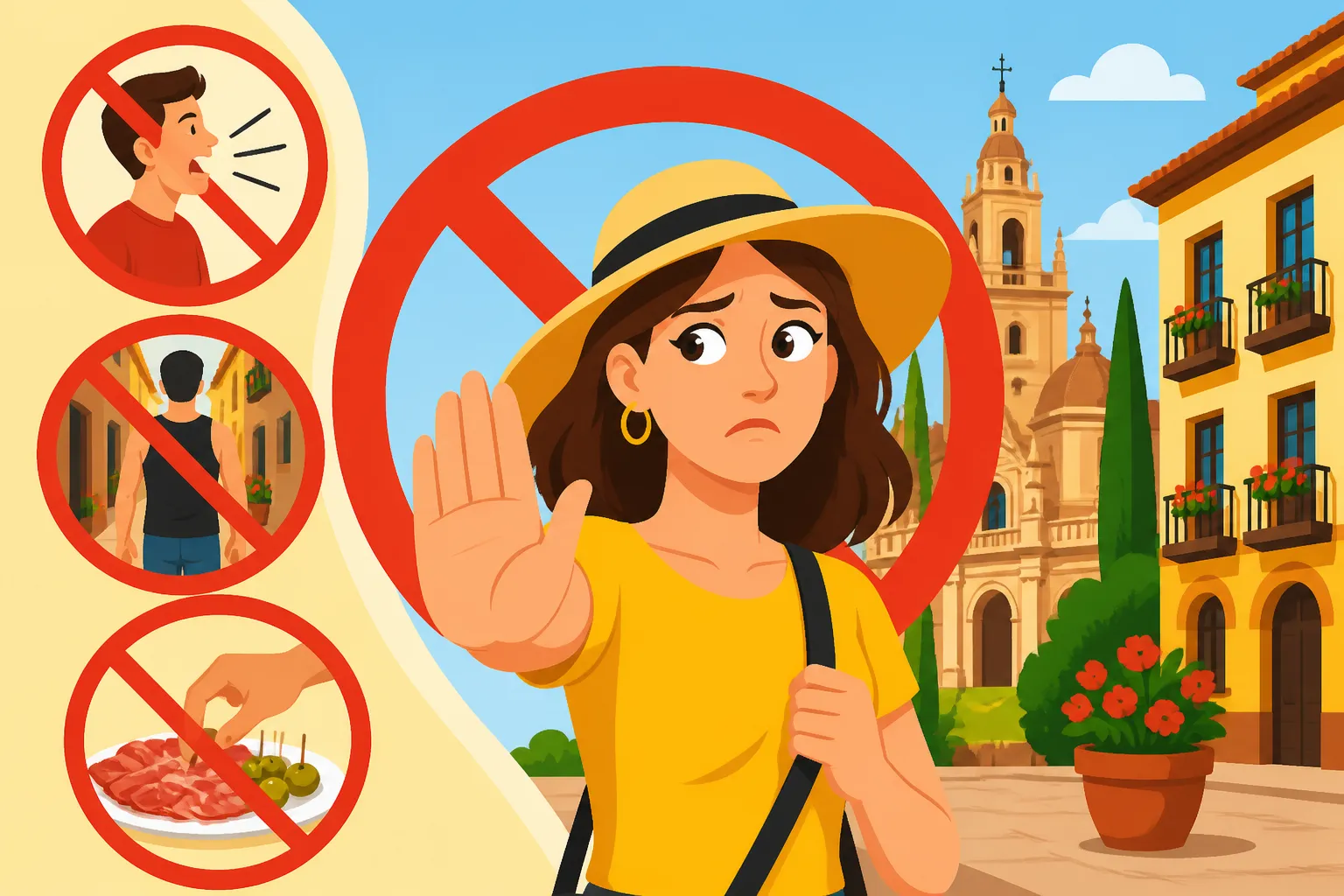
Another thing to remember is the volume of your voice. While Spaniards can be boisterous and lively, especially in a bar or a family gathering, they generally speak at a moderate level in public indoor spaces. Being overly loud on public transport, in museums, or in quieter restaurants can be considered impolite. It's about blending in and showing respect for shared spaces. Think of it as a low hum of conversation, rather than a shout across the room.
Don't Expect Early Birds or Rush Hour Service
If you're coming from a country where dinner is at 6 PM and shops close late, prepare for a complete cultural shift. Spain operates on its own unique clock, and trying to force your schedule onto it will only lead to frustration and hunger pangs.
Lunch, the main meal of the day, typically kicks off around 2 PM and can stretch until 4 PM. Dinner? Forget about eating before 9 PM, and often it’s closer to 10 PM. Most restaurants simply won't be open for dinner service before then, and if they are, they're likely catering specifically to tourists. So, if your stomach starts rumbling at 7 PM, grab some tapas or a snack to tide you over. Trying to eat "early" often means settling for less authentic (and often more expensive) options designed for visitors. You can find more details on this in our guide to Spanish Meal Times and Dining Etiquette Explained.
The concept of "siesta," while not a full-on nap for everyone these days, still influences business hours, especially in smaller towns. Many shops, particularly independent ones, will close for a few hours in the early afternoon, reopening later in the evening. Don't plan all your errands for the middle of the day, thinking you'll beat the crowds – you might just find everything locked up! This also extends to service; don't expect things to move at lightning speed. Whether you're waiting for your coffee, a bill, or help in a shop, patience is a virtue here. The pace of life is generally slower, and rushing things won't get you anywhere faster.
Don't Forget About Dress Codes and Public Appearances
Spain is generally quite relaxed, but there are certain times and places where dressing appropriately is expected. You might be on holiday, but looking like you just rolled off the beach isn't always the best approach.
When visiting churches, cathedrals, or other religious sites, remember to dress modestly. This usually means covering your shoulders and knees. While no one will likely stop you at the door for wearing shorts, it's a sign of respect, and you'll feel more comfortable and less conspicuous if you're appropriately covered. In the evenings, especially if you're heading out for a nice dinner or a show, Spaniards tend to dress up a bit. You don't need black tie, but swapping your shorts and flip-flops for something a little smarter will help you blend in and feel more comfortable.
And speaking of swimwear: it’s strictly for the beach, pool, or designated aquatic areas. Don't stroll through the city streets in your bikini or swim trunks, even if you’re just a block from the sand. This is considered highly inappropriate and can even lead to a fine in some cities. For example, Barcelona has specific ordinances against this. So, throw on a cover-up or some proper clothes when you leave the immediate beach area.
Don't Fall Into Tourist Traps and Money Pitfalls
Spain offers incredible value and experiences, but like any popular destination, it has its share of tourist traps designed to lighten your wallet without delivering an authentic experience. Navigating these can be tricky, but with a little foresight, you can save money and enjoy more genuine Spanish moments.
Don't Just Stick to the Main Tourist Areas for Food
This is probably one of the biggest mistakes visitors make, and it’s completely understandable when you’re new to a city. Those picturesque plazas right next to major landmarks are super convenient, but often, the restaurants there are charging premium prices for mediocre food.
How do you spot a tourist trap? Look for menus with glossy, laminated photos of every dish, often translated into five different languages. If a waiter is practically pulling you off the street to look at their menu, that's another red flag. Instead, venture just a block or two off the main squares. Look for places packed with locals, especially during those late Spanish lunch hours. Seek out restaurants offering a "Menú del Día" – a fixed-price, multi-course lunch that's usually excellent value and provides a real taste of local cuisine. Sites like Booking.com sometimes feature smaller, locally-run accommodations where the hosts are fantastic sources of authentic restaurant recommendations, often pointing you to hidden gems that aren't plastered on tourist maps. Similarly, platforms like GetYourGuide offer specialized food tours that can take you off the beaten path and introduce you to genuinely local eateries.
Don't Over-Tip or Under-Estimate Hidden Costs
Tipping in Spain is very different from North America, for instance. Don't over-tip thinking you're being generous; you might actually confuse or even slightly offend. In most casual restaurants and bars, leaving a few coins (a euro or two for a round of drinks, or 5-10% for a good meal) is perfectly acceptable. It's not mandatory, and good service is generally expected as part of the job. For exceptional service in a nicer restaurant, you might round up or leave a bit more, but certainly not 15-20%. Our guide on Tipping in Spain: When, Where, and How Much offers a deeper dive into this.
Also, don't be surprised by a small charge for bread (el pan) or sometimes a cubierto (cover charge) at the beginning of a meal. This isn't a scam; it's a common practice. These small charges will usually be listed on the menu. Also, remember that in Spain, prices displayed generally include IVA (VAT), so what you see is what you pay. No nasty surprises added at the end, unlike in some other countries where tax is added post-calculation.
Don't Rely Solely on Cards or Exchange Money at Airports
While Spain is becoming increasingly cashless, especially in big cities, it’s still smart to carry some euros with you. Smaller shops, local markets, and some cafes might prefer cash, or have a minimum card spend. Plus, it's handy for those small tips or a quick coffee.
A major pitfall is exchanging money at airport kiosks. Their exchange rates are notoriously bad. Instead, use your debit card at an ATM attached to a reputable Spanish bank (like CaixaBank, Santander, BBVA). However, be wary of Dynamic Currency Conversion (DCC). When an ATM or card machine asks if you want to be charged in EUR or your home currency, always choose EUR. If you choose your home currency, the ATM provider will apply its own, often unfavorable, exchange rate. It’s a common trick to get more out of tourists. Look for banks that don't charge excessive fees for foreign withdrawals; research your bank's international fees before you travel.
Don't Make Transportation and Safety Blunders
Spain boasts an excellent public transport system and generally safe cities, but visitors can still stumble when it comes to getting around and protecting their belongings. A little awareness goes a long way.
Don't Assume Driving is Always the Best Option
While the idea of a picturesque road trip through Spain is alluring, renting a car isn't always the most practical choice, especially if your itinerary focuses on major cities. Spanish cities, particularly the historic centers, are often a maze of narrow, one-way streets. Parking can be a nightmare – expensive, hard to find, and restricted in "Zonas de Bajas Emisiones" (Low Emission Zones) like those in Madrid and Barcelona. Plus, Spanish drivers can be a bit… enthusiastic.
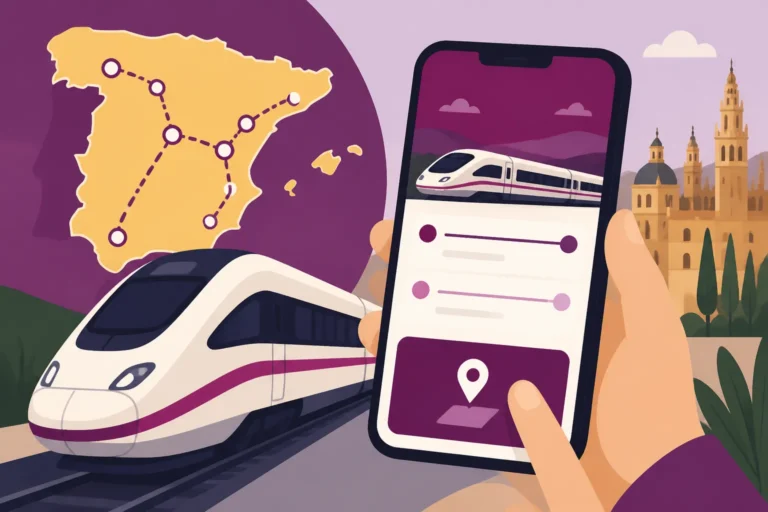
Spain has a fantastic public transportation network. High-speed trains, like the AVE, connect major cities quickly and comfortably. You can book these easily through platforms like Omio, which allows you to compare and book tickets for trains, buses, and flights across different providers. For shorter distances and smaller towns, buses are extensive and reliable. Within cities, metros, trams, and local buses are efficient and affordable. Check out our guides on Public Transport in Spain: Cards, Discounts, and Etiquette and How to Buy AVE Train Tickets in Spain and Save Money.
If you do decide to drive, ensure you understand the rules. For example, if you're from outside the EU, you'll likely need an International Driving Permit (IDP) alongside your national license. Always research local traffic laws and parking regulations, including any ZBEs, to avoid hefty fines. Our post on Renting a Car in Spain: Requirements, Insurance, and Driving Tips offers crucial details.
Don't Be Careless with Personal Belongings
Spain is a safe country overall, but pickpocketing is a common issue in crowded tourist areas, especially in big cities like Barcelona and Madrid. Don't be complacent. Common hotspots include Las Ramblas, Plaza Mayor, the Sagrada Familia area, and crowded metro lines.
Always keep an eye on your bags, especially in crowded spaces, cafes, and restaurants. Don't leave your phone or wallet unattended on a table. Consider using a cross-body bag that sits in front of you, or a money belt under your clothes. Be especially vigilant when distracted, such as looking at a map or taking photos. While it's important to be aware, don't let paranoia ruin your trip. Just use common sense and take basic precautions, and you'll be fine. For more detailed advice, read our article on How to Avoid Pickpockets in Spain's Tourist Areas.
Don't Disregard the Sun or Hydration
Especially during the scorching summer months (June to September), the Spanish sun is no joke. Don't underestimate its power, particularly in southern regions like Andalusia. Heatstroke and dehydration are real risks.
Always wear high SPF sunscreen, even on cloudy days. Wear a hat, sunglasses, and seek shade during the peak heat of the day, typically between 1 PM and 5 PM. Plan your outdoor activities for the cooler mornings and evenings. Carry a reusable water bottle and stay hydrated – water is readily available and generally safe to drink from the tap in most cities, though bottled water is also inexpensive. Don't rely solely on sugary drinks or alcohol for hydration. Cities like Seville and Cordoba can reach extreme temperatures, so knowing Heatwave Safety in Spain: Practical Tips for Expats is vital.
Don't Overlook Language and Communication Nuances
While Spain is a major tourist destination, especially in popular coastal areas and big cities, assuming everyone speaks English can lead to missed connections and some frustrating moments. Making an effort, even a small one, is truly appreciated.
Don't Expect Everyone to Speak English
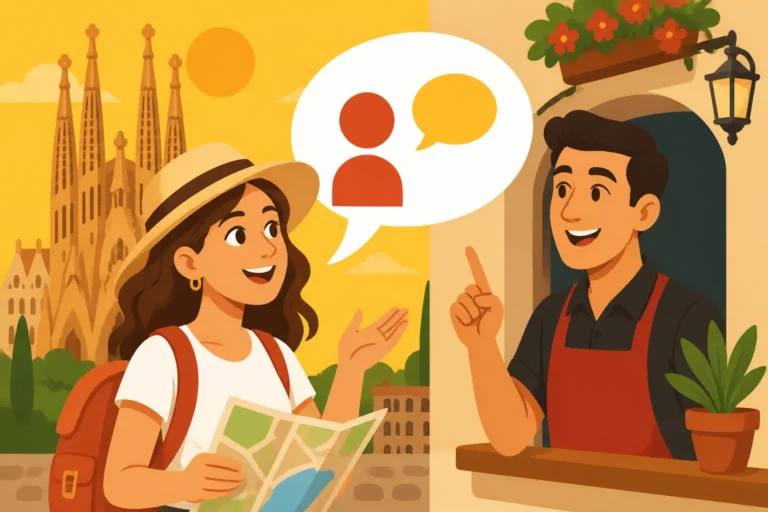
It’s a common misconception that in major tourist hubs, everyone will be fluent in English. While you'll certainly find English speakers in hotels, major attractions, and some tourist-focused restaurants, many everyday interactions – in local shops, smaller cafes, or public offices – will require a bit of Spanish.
Don't let this deter you! Instead, embrace it as part of the adventure. Learning a few basic Spanish phrases can make a world of difference. "Hola" (hello), "Gracias" (thank you), "Por favor" (please), "¿Cuánto cuesta?" (How much does it cost?), "La cuenta, por favor" (The bill, please), and "Habla inglés?" (Do you speak English?) are excellent starters. Spaniards genuinely appreciate the effort, even if your pronunciation isn't perfect. It shows respect for their culture. Keep a translation app handy, but try to use your Spanish first. Our guide to Survival Spanish for Travelers: Key Phrases to Learn First is an invaluable resource.
Don't Confuse Regional Languages with Spanish
Spain is a country rich in linguistic diversity. While Castilian Spanish is the official language nationwide, several autonomous communities have their own co-official languages.
For example, in Catalonia (Barcelona), you’ll hear and see Catalan. In the Basque Country (Bilbao, San Sebastián), Euskera is spoken. And in Galicia, it’s Galician. Don't dismiss these languages as "just a dialect" of Spanish; they are distinct languages with their own proud histories and speakers. While Spanish will be understood in these regions, hearing and seeing the local language is a fundamental part of their cultural identity. Respecting this diversity is important. You might notice signs in both Spanish and the regional language; this is normal and part of daily life there.
Here's a quick cheat sheet of common Dos and Don'ts:
| Category | What NOT to Do | What TO Do Instead |
|---|---|---|
| Dining | Try to eat dinner before 9 PM | Embrace late meal times; snack with tapas earlier. |
| Only eat in major tourist plazas | Explore side streets for local menú del día deals. | |
| Over-tip like in North America | Leave a few coins for good service (5-10% is generous). | |
| Social | Be overly loud in quiet indoor spaces | Keep your voice moderate; match local volume. |
| Ignore greetings or politeness | Always start with "Hola" and use "Por favor" and "Gracias". | |
| Stroll through town in swimwear | Save swimwear for the beach/pool; cover up in public. | |
| Money | Exchange currency at the airport | Use bank ATMs and always choose to be charged in EUR. |
| Rely solely on credit/debit cards | Carry some cash for small purchases and local markets. | |
| Travel | Assume driving is always the easiest option | Utilize Spain's excellent train (e.g., AVE via Omio) and bus network. |
| Leave belongings unattended | Be vigilant for pickpockets in crowded areas; use secure bags. | |
| Disregard the strong sun or heat | Wear sunscreen, hats, stay hydrated, seek shade during peak heat. | |
| Language | Expect everyone to speak English | Learn basic Spanish phrases; use a translation app as backup. |
| Dismiss regional languages | Respect and acknowledge local languages like Catalan or Basque. |
Hopefully, this veteran expat's insight helps you have an absolutely incredible, smooth, and genuinely immersive visit to Spain. It's a country full of warmth and incredible experiences, and avoiding these common pitfalls will allow you to soak it all in like a true local. Enjoy!
Disclaimer
Please remember that this guide provides general advice and cultural observations based on personal experience and widely accepted norms. Practices and rules can vary by region, and situations may change. Always exercise common sense and verify information with local authorities or updated resources if you have specific concerns.