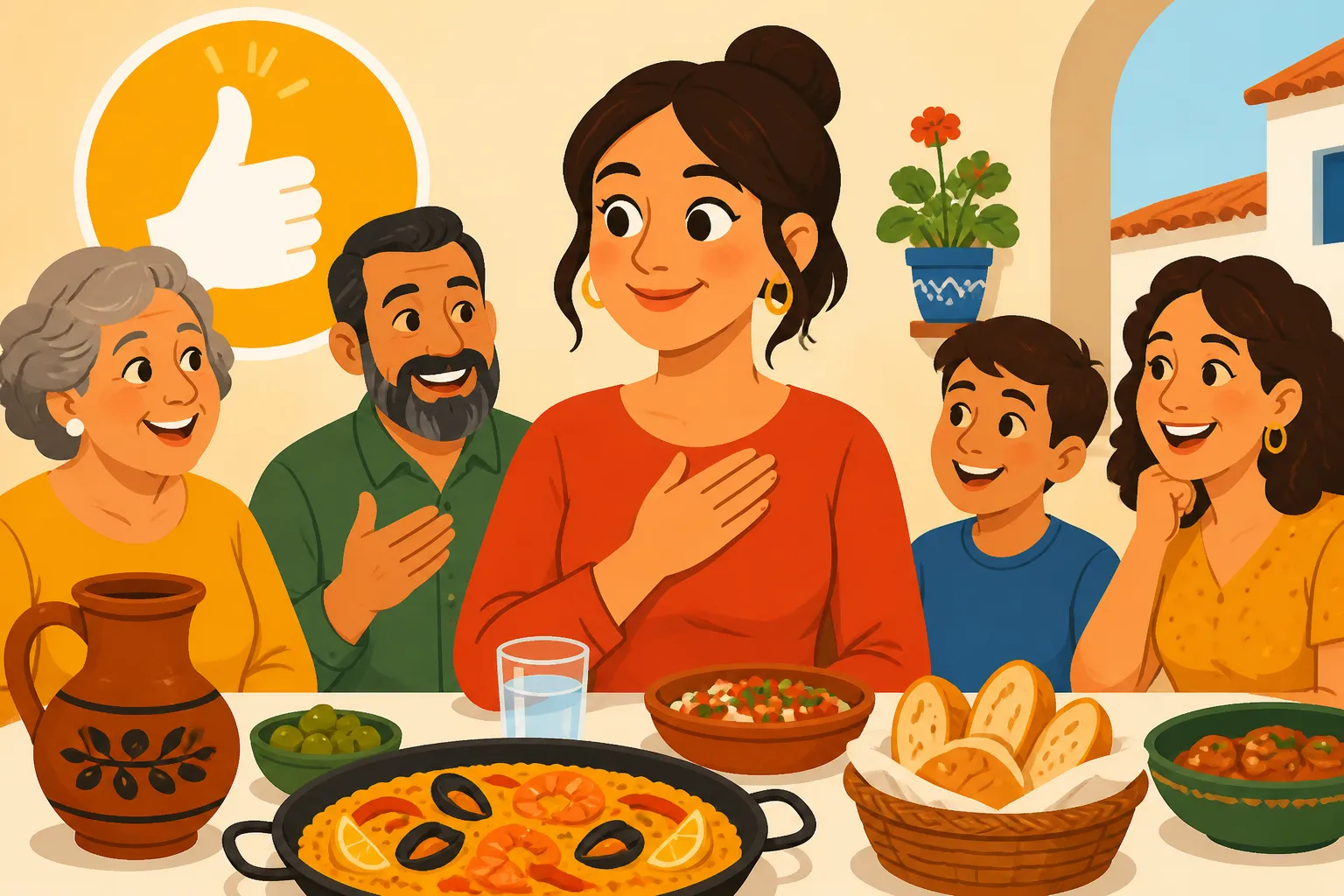
How to Behave at a Spanish Family Meal
Being invited to a Spanish family meal is one of the most heartwarming, yet potentially anxiety-inducing, experiences for any expat or visitor. It’s a true immersion into the heart of Spanish culture, but it comes with its own set of unwritten rules, rhythms, and expectations that can feel a bit like navigating a lively, loving minefield. This guide will walk you through everything you need to know to not only survive but truly savor a Spanish family meal, ensuring you leave a fantastic impression and perhaps even score another invitation.
Disclosure: This post may contain affiliate links. We may earn a commission at no extra cost to you if you make a purchase through these links. Read full disclosure.
The Invitation and Arrival: First Impressions Count
The moment that invitation lands – whether it’s a casual "come over Sunday" or a more formal request – a little flutter of excitement mixed with nerves is completely normal. Understanding the initial steps is key to setting the right tone.
RSVP and Punctuality: Don't Be Demasiado Early!
In Spain, social time often operates on a different clock than what many foreigners are accustomed to. While you might be tempted to show up precisely on time, or even a few minutes early as a sign of respect, for a Spanish family meal, that can actually be a bit demasiado (too much). Spaniards generally arrive a little late for social gatherings, usually anywhere from 10 to 30 minutes past the stated time. This isn't out of disrespect; it's simply the cultural norm that allows the hosts a bit more breathing room for last-minute preparations.
My advice? Aim to arrive about 15 minutes after the requested time. This allows the hosts to finish setting the table, get the appetizers ready, and generally collect themselves without feeling rushed by your early arrival. Always, always confirm your attendance, even if it’s a verbal invitation. A quick message a day or two before, just to say you're looking forward to it, is a polite gesture that shows you value the invitation.
What to Bring (or Not): The Art of the Detalle
Bringing a small gift, a detalle, is always a thoughtful gesture, but knowing what to bring is an art form. You don't want to show up empty-handed, but you also don't want to bring something so extravagant that it makes your hosts uncomfortable or implies they aren't capable of hosting properly. The goal is a token of appreciation, not a grand offering.
A nice bottle of wine is almost always a safe bet, especially if you know the family enjoys it. If they’re not big drinkers, a good quality dessert from a local pastelería (bakery) – something like a box of pasteles variados or a nice cake – is usually very well received. Flowers for the hostess are also a lovely touch, but be mindful of the type; certain flowers are associated with funerals in Spain, so if in doubt, stick to a classic bouquet from a reputable florist. Avoid bringing dishes you’ve cooked yourself unless specifically asked to, as the hosts will likely have everything meticulously planned. If you have any dietary restrictions or allergies, it's best to discreetly mention them when you RSVP, rather than springing them on your hosts at the table. They will almost certainly accommodate you with grace and often with an impressive array of alternative options.
At the Table: Navigating the Spanish Dining Experience
Once you've navigated the arrival, the main event begins: the meal itself. This is where Spanish warmth truly shines, but also where some of the biggest cultural differences become apparent.
Seating Arrangements and Initial Greetings
When you walk in, you’ll usually be greeted with hugs and the customary two kisses (dos besos) – one on the right, then one on the left – for everyone, often even the children. It can feel a little overwhelming if there are many people, but embrace it! It’s a sign of welcome. After the initial flurry of greetings, wait to be told where to sit. Seating at Spanish family meals, especially larger ones, can sometimes be fluid, but it’s polite to let the hosts direct you. They might have a specific spot in mind for guests of honor or to facilitate conversation.
Before the actual eating begins, there will often be a period of aperitivos or picoteo – a casual spread of olives, cured meats, cheese, chips, or other small bites. This is a time for lively conversation, catching up, and enjoying a drink. Don't fill up too much, though, because the main meal is still to come, and it will be substantial! If you're struggling with the language, try to learn a few basic Spanish phrases to help with initial small talk. Even a simple "¡Qué casa tan bonita!" (What a beautiful home!) or "¡Qué alegría estar aquí!" (What a joy to be here!) can go a long way. You might find our guide on Spanish Social Customs: Greetings, Kisses, and Personal Space helpful for these initial interactions.
The Rhythm of the Meal: Courses and Conversation
A Spanish family meal is rarely a quick affair. It's an marathon, not a sprint, often stretching for hours, sometimes well into the late afternoon or evening. Expect multiple courses. It usually starts with those aperitivos, followed by a primer plato (first course, often a salad, soup, or pasta dish), then the star of the show, the segundo plato (main course, typically meat or fish). And don't forget the bread, which will be plentiful and served in baskets, meant to be torn, not sliced, and used to soak up delicious sauces.
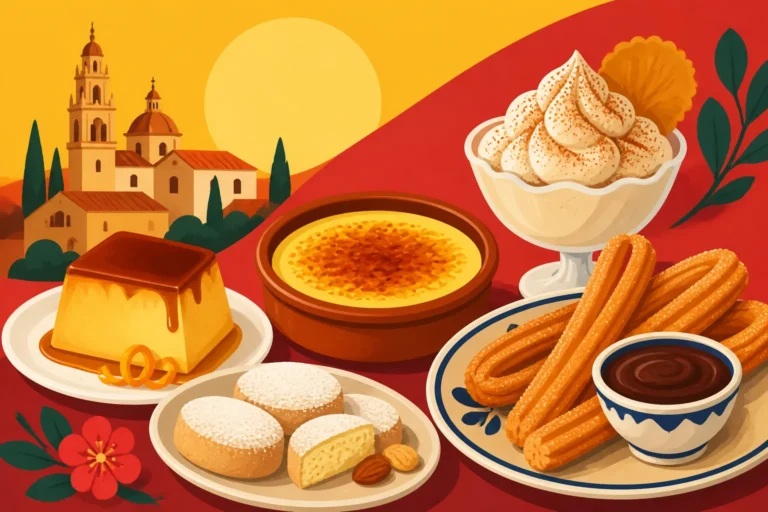
After the main course comes postre (dessert), which could be anything from fresh fruit to a rich cake, followed by café (coffee) and often a copa (an alcoholic digestif like licor de hierbas or brandy). The beauty of it all is the conversation that flows throughout. It’s loud, it’s passionate, everyone talks over each other, and that’s perfectly normal! Participate actively, ask questions (but avoid overly controversial topics, especially politics or religion, unless your hosts initiate), and enjoy the banter. Don't rush through your food; savor it, and appreciate the company. It's a key part of Spanish Meal Times and Dining Etiquette Explained.
Eating Habits and Etiquette: Don't Be Afraid to Dive In!
When it comes to the actual eating, there are a few things to keep in mind. Bread, as mentioned, is a staple. It's usually placed directly on the tablecloth next to your plate, not on a separate bread plate. Don't be shy about using it to scoop up sauces; it's encouraged! Most dishes will be eaten with cutlery, but some appetizers, like olives or small pieces of cured ham, are perfectly fine to pick up with your fingers. Observe what others are doing if you're unsure.
Spaniards are generally generous hosts and will encourage you to eat plenty. It's polite to accept at least a small portion of everything offered and to praise the food ("¡Está riquísimo!" or "¡Qué bueno!"). If you really can't eat any more, a polite "No, gracias, estoy lleno/a, pero muchísimas gracias, ¡estaba todo delicioso!" (No, thank you, I'm full, but thank you very much, everything was delicious!) is usually sufficient. Leaving a tiny bit of food on your plate at the end of a course is sometimes seen as a sign that you are truly full and not still hungry, though it's not a hard-and-fast rule. The most important thing is to show enjoyment and appreciation for the effort your hosts have put in.
Drinks and Toasts: Salud!
Wine and water are almost always on the table, and often beer or soft drinks are also available. Don't hesitate to help yourself to water, but for wine or beer, it's polite to wait for someone to offer to pour for you, or ask if you can help yourself. If you're offered more to drink and don't want it, simply placing your hand over the top of your glass as a gentle refusal is understood.
Toasts are a frequent occurrence, especially at celebratory meals. The most common toast is "¡Salud!" (To your health!), often accompanied by eye contact with everyone at the table as you clink glasses (or pretend to). Make sure your glass isn't empty when a toast is proposed, if possible. If you find yourself enjoying the array of beverages, remember to pace yourself; Spanish meals are long, and you want to remain present and engaged throughout.
After the Meal: Winding Down and Departure
The end of the meal isn't really the end of the gathering. In fact, for many Spaniards, the post-meal period, known as the sobremesa, is just as important, if not more so, than the meal itself.
The Sobremesa: The Best Part!
The sobremesa is the sacred time spent lingering at the table after the food has been cleared (or often, while the plates are still there), drinking coffee, perhaps a digestif, and simply talking. This can last for another hour or two, or even longer! It's a time for deep conversations, laughter, storytelling, and strengthening bonds. It’s not uncommon for guests to move to the living room or another comfortable area for this part, but sometimes everyone just stays put. This is arguably the most cherished part of the family meal, a true testament to the Spanish love of conviviality and connection.
Don't be the first to jump up and leave. It can be seen as abrupt or that you didn't enjoy the company. Wait for subtle cues from the hosts or other guests that the gathering is winding down. When it feels like a natural break, or if other guests start to depart, that's your cue. If you need to travel back home, perhaps using an app like Omio to check the last train or bus times, keep that in mind subtly but don't let it dictate your departure too strictly unless absolutely necessary.
Expressing Gratitude: More Than Just "Thank You"
When it's time to leave, offer profuse thanks. A simple "¡Muchas gracias por todo! ¡La comida estaba riquísima y la compañía fantástica!" (Thank you for everything! The food was delicious and the company fantastic!) is a good start. As you say goodbye, you’ll likely go through the dos besos ritual again with everyone.
You might feel compelled to offer to help clear the table or wash dishes. It’s polite to offer, but don’t be surprised if your offer is politely but firmly refused. Spanish hosts often insist on doing everything themselves, considering you a guest who should relax. A genuine offer, however, is appreciated. A follow-up text message the next day reiterating your thanks is also a very nice touch. If you're staying overnight in the area, maybe you used Booking.com to find a place, and sending a thank you message from your temporary lodging will be a lovely gesture.
Common Pitfalls and How to Recover
Even with the best intentions, you might encounter situations that feel a bit awkward. Here’s how to navigate them with grace.
Language Barriers: Making the Effort
One of the biggest anxieties for many expats is the language barrier. Don't worry too much! Spanish families are typically incredibly welcoming and patient with non-Spanish speakers. They will appreciate any effort you make to speak their language, no matter how broken. Learning a few key phrases like "Por favor" (Please), "Gracias" (Thank you), "Lo siento" (I'm sorry), "No entiendo" (I don't understand), and "Un poco de español" (A little Spanish) will go a long way.
Don't be afraid to use gestures or even a translation app on your phone, but use it discreetly and sparingly. The goal is connection, not burying your head in your phone. Often, younger family members might speak English and can help translate, but try not to rely solely on them. Show genuine interest in the conversation, even if you only catch snippets. Your efforts will be noticed and appreciated, proving that you want to be part of the family dynamic.
Overeating and Over-Drinking: Pace Yourself!
Spanish hospitality often equates to abundant food and drink. Your plate will likely be refilled, and your glass topped up without you even asking. It's easy to get carried away and feel uncomfortably full. The key here is pacing. Take smaller portions initially, even if urged to take more. Eat slowly and savor each bite.
If you genuinely can't eat another morsel, a polite refusal is always okay. "Estoy lleno/a, gracias, pero no puedo más" (I'm full, thank you, but I can't anymore) accompanied by a gesture to your stomach is usually understood. For drinks, as mentioned, a hand over the glass is a good signal. Remember, they want you to enjoy yourself, and feeling ill from overindulgence won't achieve that. It's about enjoying the generosity, not consuming everything in sight.
| Meal Course | Typical Timing | Description |
|---|---|---|
| Aperitivos | 2:00 PM – 3:00 PM (Lunch) | Small bites, olives, chips, cured meats, cheese. Pre-meal socializing. |
| Primer Plato | 3:00 PM – 3:45 PM (Lunch) | First course: usually lighter, like a salad, soup, or vegetable dish. |
| Segundo Plato | 3:45 PM – 4:45 PM (Lunch) | Main course: meat or fish, often served with potatoes or vegetables. |
| Postre | 4:45 PM – 5:30 PM (Lunch) | Dessert: fruit, cake, custard. |
| Café y Copa | 5:30 PM onwards (Lunch) | Coffee, often a digestif (spirit), marks the start of sobremesa. |
| Cena | 9:00 PM – 10:30 PM (Dinner) | Spanish dinners are lighter and later. Family meals often focus on lunch, but dinner follows a similar structure if it's a special occasion. |
A Spanish family meal is a truly special experience. It’s a chance to see beyond the tourist façade and witness the incredible warmth, generosity, and passion that defines Spanish culture. Relax, be yourself, make an effort, and most importantly, enjoy every delicious moment and lively conversation. You'll be part of the family in no time. If you're looking for more insights into the culinary landscape, don't miss our comprehensive guide to Spanish Food and Drink: A Practical Culture Guide. And if this experience inspires you to explore more of Spain's vibrant customs, consider looking into Festivals, Fiestas, and Public Holidays in Spain for future adventures.
Disclaimer
The information provided in this guide is for general informational purposes only and does not constitute professional advice. Cultural norms can vary slightly by region and individual families within Spain. Always use your best judgment and be respectful of your hosts and their specific traditions.