Weekend Trips for Residents: Booking Domestic Spanish Travel Cheaply
Oh, the dream of a spontaneous weekend getaway in Spain! You picture yourself zipping off to a new city, tasting regional delights, or exploring ancient ruins, all without breaking the bank. But then reality hits: the clunky websites, the language hurdles, the feeling that you're somehow missing out on the "local" tricks for cheap travel. It's a common frustration for us expats, trust me. This guide is here to cut through that noise and show you exactly how to book domestic Spanish travel cheaply and efficiently, with a little help from a brilliant tool that’s become my go-to.
Disclosure: This post may contain affiliate links. We may earn a commission at no extra cost to you if you make a purchase through these links. Read full disclosure.
The Lure of the Spanish Weekend Getaway (and Why It's Often Hard for Expats)
There’s truly nothing quite like waking up on a Friday morning, knowing that by lunchtime you could be miles away, immersed in a completely different corner of Spain. This country is an absolute treasure trove of diverse landscapes, rich cultures, and gastronomic delights, all within a relatively short distance. From the sun-drenched beaches of Andalusia to the dramatic mountains of the Basque Country, or the bustling art scenes of Madrid and Barcelona, there's always something new to discover.
Why Weekend Trips in Spain Are So Appealing
For those of us living here, weekend trips aren't just a luxury; they're a vital part of the expat experience. They offer a much-needed escape from the routine, a chance to truly delve deeper into the Spanish way of life beyond your immediate neighborhood. You get to sample different regional cuisines, like the paella in Valencia, the pintxos in San Sebastián, or the fried fish in Málaga. You can wander through historic centers that feel straight out of a storybook, stumble upon local fiestas, or simply enjoy a different pace of life for a couple of days. The accessibility of so many incredible destinations by various modes of transport means you don't need a huge budget or a lot of time off work to satisfy that wanderlust. It’s about leveraging Spain’s compact size and fantastic infrastructure to your advantage, turning ordinary weekends into extraordinary adventures. If you’re anything like me, you’re always looking for Weekend Getaways in Northern Spain or Weekend Getaways in Southern Spain to keep things fresh!
Common Frustrations When Booking Domestic Travel
But let's be honest, the romantic idea of spontaneous travel can quickly crash into the brick wall of reality when you actually try to book something. As expats, we often face a unique set of challenges. Firstly, the sheer number of transport providers can be overwhelming. You've got Renfe for trains, various budget airlines like Vueling and Ryanair, and a whole host of bus companies like Alsa, each with their own website, booking system, and often, varying levels of English support. Trying to compare prices, schedules, and routes across all these different platforms can feel like a full-time job.
Then there's the language barrier, which, even if you're quite fluent, can throw a wrench into things when dealing with specific terms, cancellation policies, or customer service queries. You might spend ages trying to figure out if that "tarifa promo" really is the best deal or if there's a hidden cost lurking in the fine print. And don't even get me started on the frustration of trying to navigate multiple apps or websites, each demanding your personal details and payment information over and over again. It can lead to paralysis by analysis, where you spend so long researching that the weekend is half over, or you just give up and stay home. You might feel you need to find How to Learn Enough Spanish for a Two-Week Trip just to book a simple train ticket! We want to travel, not become travel agents, right?
Unlocking Affordable Travel: Strategies for Residents
The good news is that you absolutely can enjoy cheap weekend trips across Spain as a resident. It just takes a bit of strategy and, crucially, knowing which tools to put in your arsenal. Once you get the hang of it, you’ll be planning your next escape with the ease of a seasoned local.
Timing Your Bookings for the Best Deals
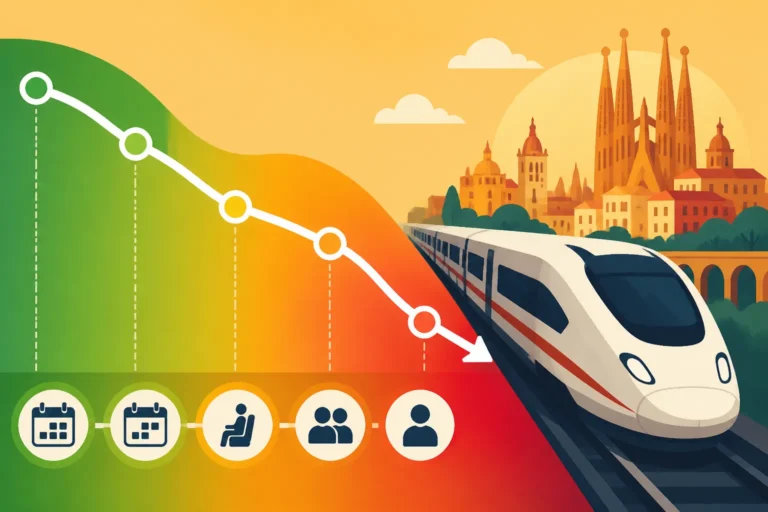
When it comes to domestic travel in Spain, timing truly is everything, especially for popular routes and peak seasons. For high-speed trains (AVE, Avlo, Ouigo, Iryo), booking well in advance – think several weeks or even a couple of months – can yield significant savings. Renfe, for example, often releases its tickets in batches, and the cheapest "Promo" or "Elige Estándar" fares sell out fast. If you wait until the last minute, you'll almost certainly be paying top euro, sometimes double or triple the price. The same logic applies to budget airlines; securing your flights early is paramount.
However, sometimes you can snag a last-minute deal on buses, especially if you're flexible with your departure times. Mid-week travel (Tuesday, Wednesday, Thursday) is almost always cheaper than Friday evenings or Sunday afternoons. Consider traveling during the shoulder seasons (spring and autumn) when the weather is still lovely, but the hordes of summer tourists haven't arrived, and prices for both transport and accommodation are generally lower. If your plans are a bit flexible, being able to adjust your departure day by even a single day can sometimes slash your travel costs significantly. And keep an eye on national and regional public holidays – travel prices will surge around these times, so either book super early or avoid them altogether. Believe me, knowing the Spanish Holidays and Public Closures: Planning Errands in 2026 is essential for any expat!
Choosing the Right Mode of Transport for Your Trip
Spain boasts an excellent and diverse transport network, and the "best" option really depends on your destination, budget, and how much time you have.
- High-Speed Trains (AVE, Avlo, Ouigo, Iryo): For longer distances between major cities (e.g., Madrid to Seville, Barcelona to Valencia), the high-speed trains are a fantastic option. They're incredibly efficient, comfortable, and usually drop you right in the city center. However, they can be pricey if not booked in advance. Ouigo and Iryo are newer, lower-cost alternatives to Renfe's AVE, often offering competitive prices, especially if you're flexible.
- Buses (Alsa, etc.): Buses are generally the most economical choice, especially for shorter to medium distances, or if you're traveling to smaller towns not served by trains. The journey can be longer, but modern buses are comfortable, often with Wi-Fi and charging points. Companies like Alsa have an extensive network.
- Budget Airlines (Vueling, Ryanair, Iberia Express): For very long distances (e.g., mainland to the Canary Islands, or opposite ends of the peninsula), or when train prices are prohibitive, budget airlines can offer great value. Just remember to factor in baggage fees and airport transfer costs, which can quickly add up and negate any savings.
To truly make an informed decision, you need a way to compare all these options side-by-side, quickly and easily. And that’s where a good travel platform becomes indispensable.
Here's a quick comparison of common domestic transport options:
| Transport Type | Average Speed | Typical Cost Range (booked in advance) | Comfort Level | Best For | Considerations |
|---|---|---|---|---|---|
| High-Speed Train | Very Fast | €30-€80+ | High | Major cities, time-sensitive travel | Book early for best prices; city-center stations |
| Regional Train | Medium | €15-€40 | Medium | Shorter inter-city, scenic routes | Slower, less frequent than high-speed; good for local exploration |
| Bus | Medium-Slow | €10-€50 | Medium | Smaller towns, budget travel, flexibility | Longer journey times, especially for long distances; extensive network |
| Budget Airline | Fast (flight only) | €20-€70+ (base fare) | Medium | Very long distances, specific island routes | Factor in baggage, airport transfers, security wait times; airports often outside city |
Leveraging Platforms to Compare and Save
This is where your secret weapon comes in: Omio. Seriously, it's a game-changer for anyone trying to navigate Spanish transport, especially us expats who aren't fluent in every regional transport system. Omio is a platform that aggregates all these different transport options – trains, buses, and flights – into one easy-to-use search. Instead of opening 10 different tabs for Renfe, Alsa, Vueling, Ouigo, and Iryo, you just go to Omio, punch in your starting point and destination, your dates, and bam! – all the available options are laid out in front of you.
What makes Omio so invaluable is its ability to present real-time prices and schedules from multiple carriers side-by-side. You can instantly see if taking a bus saves you €20 compared to the train, or if a budget flight at an awkward hour is worth the hassle. It helps you compare not just the cost, but also the journey duration and the number of changes, allowing you to weigh up time versus money. Plus, the platform is available in multiple languages, including perfect English, which eliminates a huge chunk of the usual expat booking stress. You can book directly through Omio, manage your tickets in one place, and often receive digital tickets straight to your phone. It truly streamlines the entire process, making it much easier to secure those cheap fares. For exploring options like High-Speed Trains in Spain AVE Routes Booking and Savings or even Intercity Buses in Spain Networks Booking and Tips, Omio simplifies the research phase drastically.
Step-by-Step with Omio: Your Go-To for Cheap Weekend Escapes
Alright, let's get down to brass tacks. You're ready to book that budget-friendly weekend trip, and you're going to use Omio to make it happen. It's surprisingly straightforward once you get the hang of it, and it will save you so much time and potential headaches.
Navigating the Omio Platform
First things first, head over to the Omio website or download their app (which I highly recommend for on-the-go planning). The interface is incredibly clean and user-friendly.
- Input Your Route: You'll see fields for "From" and "To". Start typing your origin city (e.g., "Madrid") and your destination (e.g., "Valencia"). Omio's autofill suggestions are usually spot on.
- Select Your Dates: Pick your departure date and, if it's a round trip, your return date. If you're flexible and just want to see prices for various days around your desired weekend, you can initially select just the departure date to get a broader overview.
- Specify Passengers: Indicate the number of adults, children, or seniors traveling. This is important as some carriers offer specific discounts.
- Hit Search!: Click the big search button. Omio will then get to work, pulling data from all its partner transport providers across Spain. This can take a few seconds, but it's much faster than doing it manually.
Once the results load, you'll be presented with a comprehensive list of all available train, bus, and flight options for your chosen route and dates. You'll see the departure and arrival times, the duration of the journey, and, crucially, the price for each option. The platform allows you to filter and sort results by price, duration, or departure time, and even by transport type (trains only, buses only, etc.), making it incredibly easy to find what suits your budget and schedule best. For example, if you're looking to compare How to Buy AVE Train Tickets in Spain and Save Money with bus options, Omio lays it all out visually.
Booking Your Tickets (and What to Expect)
Once you've found the perfect combination of price and convenience, the booking process on Omio is designed to be as seamless as possible.
- Select Your Tickets: Click on the specific train, bus, or flight option that works for you. Omio will often show you different fare types available for that particular journey (e.g., basic, flexible, promo fares). Choose the one that best fits your needs, keeping in mind that cheaper fares often come with stricter cancellation or change policies.
- Passenger Details: You'll be prompted to enter passenger names, contact information, and sometimes identification details like your passport or NIE number, depending on the carrier and the type of ticket. Make sure everything is entered accurately to avoid any issues later on.
- Payment: Omio accepts a wide range of payment methods, including major credit and debit cards. The payment gateway is secure, and once confirmed, you'll receive an instant confirmation email.
- Digital Tickets: Most domestic tickets in Spain are now digital. Omio will usually provide you with a mobile ticket that you can access directly from their app or a PDF that you can print or keep on your phone. This means no more fumbling with physical tickets or worrying about losing them! They make getting around easy, whether it’s finding How to Get From Madrid Airport to the City Center or just buying a bus ticket.
The beauty of using Omio is that it simplifies this entire process, centralizing your travel plans and documentation. It's especially helpful if you're mixing and matching transport types or booking tickets for multiple people.
Post-Booking Tips and Travel Day Advice
You've booked your tickets through Omio – ¡fantástico! Now, a few tips to ensure your weekend trip goes off without a hitch.
- Check Your Confirmation: Always double-check your Omio confirmation email. It will contain all the essential details: departure times, platform/gate numbers, booking references, and a link to your e-ticket.
- Access Your Tickets: Download your e-tickets to your phone or print them out as a backup. Many Spanish train stations and bus depots have QR code scanners, so having them readily accessible on your device is usually sufficient.
- Arrive Early: This is Spain, so while things might run a bit more relaxed than some other countries, it's always wise to arrive at train stations or bus depots at least 20-30 minutes before departure. For flights, stick to standard airport arrival times (usually 1.5-2 hours for domestic flights, depending on the airport and whether you have checked baggage). This gives you ample time to find your platform, grab a coffee, and avoid any last-minute stress.
- Stay Updated: Omio often sends helpful reminders about your upcoming journey and can sometimes even notify you of delays or platform changes. Keep an eye on the app or your email.
- ID Ready: Always carry the ID you used to book your ticket (usually your passport or TIE/NIE card), as you might be asked to show it when boarding, particularly for trains and flights.
- Enjoy the Ride: Once you're on board, sit back, relax, and enjoy the Spanish scenery flashing by. You’ve earned this stress-free journey, all thanks to smart planning with Omio!
Real-World Scenarios and Money-Saving Hacks
Let's walk through a couple of common weekend trip scenarios to show how Omio really shines, and then I’ll share some extra hacks to keep more euros in your pocket.
Example 1: Barcelona to Valencia on a Budget
Imagine you're in Barcelona and fancy a weekend enjoying the beach and the futuristic architecture of Valencia. It's a popular route, so prices can fluctuate wildly.
Without Omio: You'd open Renfe's website, then maybe Ouigo, then Alsa's bus site, and finally Vueling for flights. You'd manually compare prices, departure times, and travel durations. You might find a direct train that costs €70, a bus for €35 (but takes twice as long), or a flight for €40 (plus baggage and airport transfers). The effort alone is exhausting.
With Omio: You open the Omio app, type "Barcelona" to "Valencia," and your desired dates. Instantly, you see:
- High-speed trains (Renfe, Ouigo, Iryo) from ~€25-€80, taking about 3 hours.
- Buses (Alsa) from ~€20-€40, taking 4-5 hours.
- Flights (Vueling, Ryanair) from ~€30-€60 (base fare), taking about an hour flight time, plus airport faff.
Omio presents all these options clearly, allowing you to quickly sort by price to find the cheapest train, bus, or even flight that fits your budget. You could see an early morning Ouigo train for €28, a mid-day Alsa bus for €22, or a late-night Vueling flight for €35. You can then make an informed decision based on your priorities – perhaps the bus is the winner for cost, or the early Ouigo train is worth the extra few euros for the saved time. This unified view, available through Omio, is invaluable for snagging those deals. For a deeper dive into the city, you might also want to consult a Valencia City Guide Old Town Beaches and Science Park.
Example 2: Madrid to Seville for a Cultural Weekend
Seville is an absolute must-visit, and the high-speed AVE train from Madrid is the most common way to get there. It’s incredibly fast, connecting the two cities in about 2.5 hours.
The Challenge: AVE tickets can be notoriously expensive if booked last minute, easily soaring over €100 for a one-way trip. Expats often assume that's just the price.
Omio to the Rescue: By using Omio well in advance (say, 4-6 weeks out), you can often find Renfe's Promo or Elige Estándar fares for the AVE train from Madrid to Seville for as low as €35-€50. Omio clearly displays these cheaper options alongside the more expensive flexible fares. You'll see the direct AVE trains are significantly faster than any bus or connecting train, and often, the early-bird AVE price through Omio can be comparable to, or even cheaper than, a longer bus journey. You're getting the best of both worlds: speed and affordability. This is where Omio truly shines by showing you options from different train companies like Renfe, Ouigo, and Iryo when they serve the same route, giving you more competitive options. Exploring Seville Granada and Córdoba Andalusia's Great Cities is a perfect weekend adventure!
General Hacks for Saving More
Beyond using Omio, there are a few other tricks that we seasoned expats use to keep our travel costs down:
- Be Flexible with Dates and Times: If your schedule allows, traveling on a Tuesday or Wednesday instead of a Friday, or taking an early morning/late night service, will almost always be cheaper. Omio's search function can quickly show you prices across different days, making this flexibility easy to leverage.
- Consider Overnight Buses: For very long distances, an overnight bus can save you the cost of one night's accommodation. While not everyone's cup of tea, it's a solid budget option.
- Pack Light: If you opt for budget airlines, remember that checked baggage fees can quickly add up. Master the art of packing a carry-on for a weekend trip to avoid these extra costs.
- Walk or Use Public Transport at Your Destination: Once you arrive, embrace walking or use the local public transport system. Many cities offer multi-day passes that can save you money compared to single tickets. For example, knowing How to Use the Madrid Metro as a First-Time Visitor or How to Use the Barcelona Metro as a First-Time Visitor will make your on-the-ground exploration much cheaper.
- Eat Like a Local: Ditch the tourist traps and seek out menú del día deals (set lunch menus) in local eateries, or grab inexpensive tapas and drinks. This isn't just cheaper; it's a more authentic culinary experience! If you're looking for more tips on Spanish Food and Drink A Practical Culture Guide, you'll find plenty to satisfy your taste buds without emptying your wallet.
By combining these savvy travel habits with the power of Omio, you'll be able to explore much more of Spain without that lingering fear of overspending. Happy travels!
Disclaimer
Please remember that travel information, including prices, schedules, and visa requirements, can change. Always check the latest details with the respective transport providers and official government sources before making any travel plans or purchases. This guide is based on general information and expat experiences and should be used for informational purposes only.