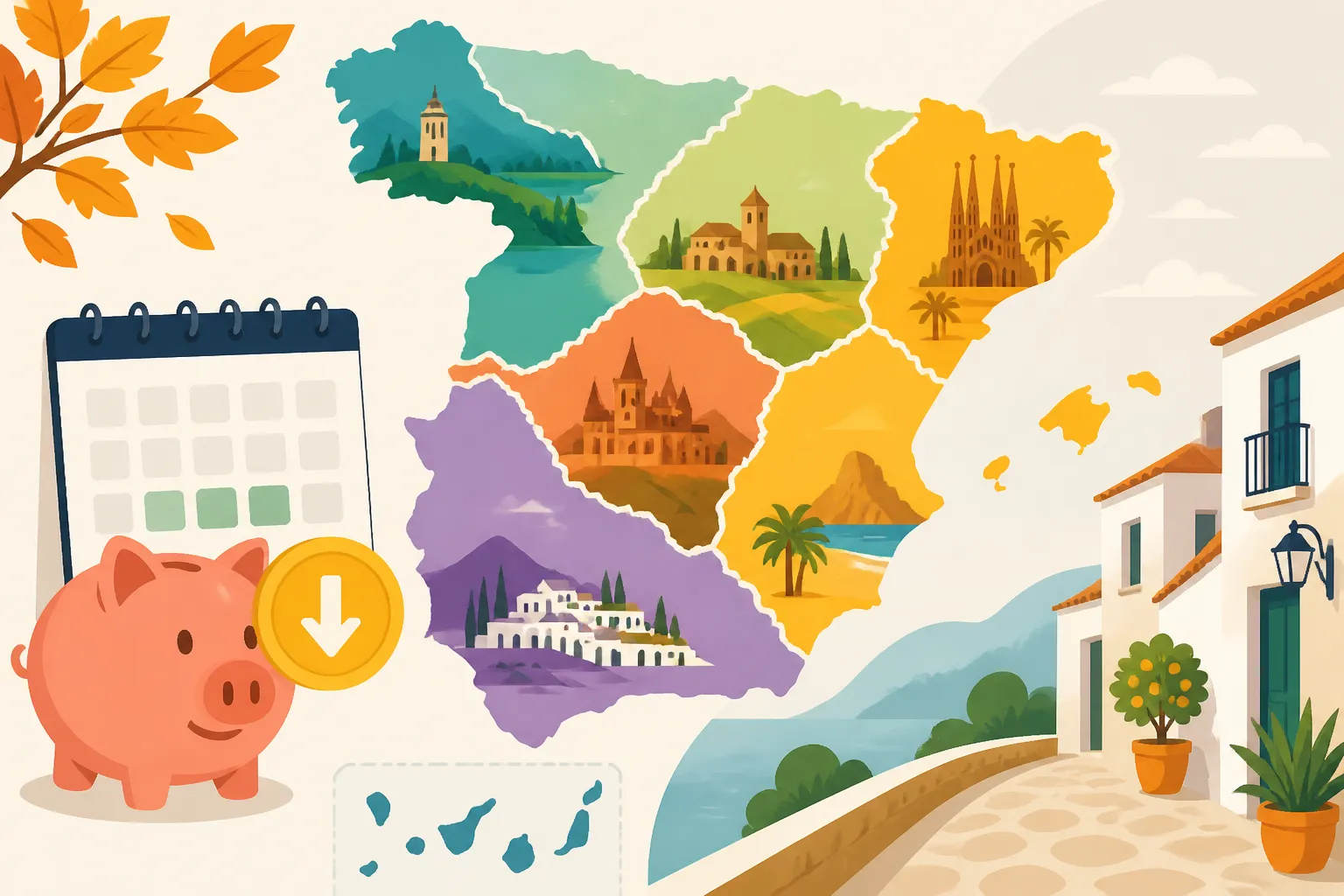
Off-Season Spain: The Cheapest Weeks to Book by Region
Oh, the dream of Spain! Sun-drenched plazas, vibrant fiestas, delicious tapas… but then reality hits when you look at accommodation prices during peak season. Trust me, I've been there, staring at flight and hotel costs that could fund a small army, feeling like a truly authentic Spanish experience was out of reach. But what if I told you there's a secret to unlocking Spain's magic without breaking the bank? This guide is your ultimate playbook for discovering the cheapest weeks to visit Spain, region by glorious region, proving that incredible adventures don't have to come with a hefty price tag.
Disclosure: This post may contain affiliate links. We may earn a commission at no extra cost to you if you make a purchase through these links. Read full disclosure.
Why Off-Season Travel in Spain is a Game Changer for Your Wallet and Your Soul
Forget the sweltering heat and shoulder-to-shoulder crowds of July and August. The "off-season" in Spain isn't some barren wasteland; it's a golden window of opportunity for savvier travelers and residents looking for a different, often more authentic, experience. The administrative hurdles and general costs of life here can be a real headache for foreigners, so saving money on travel means more funds for those unexpected gestor fees or that extra caña at your local bar.
Beyond Just Saving Euros: The True Value of Quieter Months
While the obvious perk of off-season travel is the significant price reduction on flights, accommodation, and even some activities, the benefits run much deeper. Imagine wandering through a historic quarter, not just seeing it. This is what you get when the masses have gone home.
- Authentic Encounters: When tourist numbers dwindle, locals are often more relaxed and open to interaction. You'll find it easier to strike up conversations, practice your Spanish, and get a true feel for daily life without the constant rush. This is when you discover those hidden gems not listed in guidebooks.
- Comfortable Exploration: Many of Spain's most iconic cities, like Seville and Madrid, can be scorching in summer. Visiting in the cooler months means you can explore ancient ruins, climb bell towers, and stroll through sprawling parks without feeling like you're melting. The milder weather makes everything from sightseeing to enjoying an outdoor terraza much more pleasant.
- Better Service & Less Stress: From restaurants to museums, the staff are less harried, leading to a more personalized and enjoyable experience. Queues virtually disappear, and you don't have to battle for a spot to view that famous painting or snap a photo of a breathtaking vista. This reduced stress level is invaluable for a truly relaxing getaway.
- Sustainable Travel: By spreading tourism throughout the year, you help support local economies during their quieter periods, contributing to a more sustainable and less impactful travel industry. It's a win-win for everyone, especially the communities that depend on tourism year-round.
The Trade-Offs: What to Expect in the Quieter Times
Of course, off-season travel isn't without its quirks. It's important to set realistic expectations to fully appreciate the experience.
- Weather Variability: While generally milder, some regions, particularly in the north, will be colder and wetter. The dazzling sunshine of the Costa del Sol might still be plentiful in November, but expect cooler evenings and a greater chance of rain. Always check local forecasts and pack layers!
- Reduced Hours & Closures: Some seasonal attractions, particularly on the coasts or in smaller towns, might have reduced opening hours or even be closed entirely. This is less common in major cities, but it's always wise to check websites in advance.
- Fewer Direct Flights/Services: Depending on your origin, there might be fewer direct flight routes or public transport options to certain destinations in the dead of winter. However, major hubs like Madrid and Barcelona remain well-connected year-round. It's a good idea to consider booking your transport well in advance, and for accommodation, it is worth browsing on platforms like Booking.com, where you can often secure incredible deals even with shorter notice.
- Local Holidays: Spain is famous for its fiestas. While these are incredible cultural experiences, they can mean that banks, shops, and government offices are closed, potentially impacting your plans for things like "Spanish Shopping: Supermarkets, Markets, and Budget Strategies" or "Public Holidays in Spain: How They Affect Travel and Opening Hours". Be sure to check the regional calendar when planning.
Unpacking Spain's Climate and Tourist Seasons
To truly master off-season travel, you need to understand Spain's diverse geography and how it dictates weather patterns and tourist flows. It's not a one-size-fits-all country when it comes to "off-season." What's peak for skiing might be a bargain for beach resorts!
The Four Seasons of Spanish Tourism
Spain broadly experiences distinct tourist seasons, each with its own rhythm and price points:
- Peak Season (July-August): This is when Spain truly comes alive (and overheats). European school holidays, Spanish summer vacations, and long, sunny days drive prices for everything sky-high, especially in coastal areas, the islands, and major cities like Barcelona and Seville.
- Shoulder Seasons (April-June & September-October): These are often considered the sweet spot for many travelers. The weather is generally pleasant, crowds are manageable, and prices are more reasonable than peak season. Spring sees vibrant festivals like Semana Santa and Feria de Abril, while autumn offers comfortable temperatures for hiking and city exploration.
- Low Season (November-March): This is where the real bargains are found. With the exception of Christmas, New Year's, and ski season in the Pyrenees or Sierra Nevada, tourist numbers plummet. Many regions experience cooler temperatures, but often still plenty of sunshine, particularly in the south.
Regional Climate Variations: Key to Off-Season Planning
Spain's climate is incredibly varied. Understanding these differences is crucial for picking the right time and region for your budget adventure.
- The North (Galicia, Asturias, Cantabria, Basque Country): This region is often called "Green Spain" for a reason. It has an Atlantic climate, meaning milder summers, wetter winters, and more frequent rainfall throughout the year compared to the rest of the country. Their peak season is often July and August, when the weather is most reliably warm and dry.
- The Interior (Madrid, Castile-La Mancha, Castile and León, Extremadura): Characterized by a continental climate, this means hot, dry summers and cold winters. Madrid, for example, can see scorching temperatures in summer and quite chilly conditions with occasional snow in winter.
- The Mediterranean Coast (Catalonia, Valencia, Murcia, Andalusia): This vast area enjoys a classic Mediterranean climate: hot, dry summers and mild, somewhat wet winters. The southern parts of Andalusia are particularly renowned for their exceptionally mild winter temperatures.
- The Islands (Balearics & Canaries): The Balearic Islands (Mallorca, Menorca, Ibiza) share the Mediterranean climate. The Canary Islands, however, have a subtropical climate, making them a year-round destination with consistently pleasant temperatures, though they also experience distinct peak and off-peak periods.
For detailed seasonal tips, you might want to check out "When to Visit Each Spanish Region for the Best Weather".
Northern Spain: Unlocking Value in the Cooler Months
Northern Spain, with its lush landscapes, dramatic coastlines, and incredible culinary scene, is often overlooked by sun-seekers. But for those in the know, the off-season here offers unique charm and unbeatable prices.
Galicia, Asturias, and Cantabria: November to March
This "Green Spain" truly shines when the summer crowds have dispersed. While you'll need to pack a rain jacket and warm layers, the misty landscapes, crashing waves, and hearty cuisine take on an almost magical quality.
- Why it's cheap: The reliable summer sun that draws Spanish holidaymakers north is gone, leading to a dramatic drop in demand. Many rural guesthouses and hotels offer incredibly low rates to attract visitors during these quieter months. Searching on Booking.com for charming casas rurales (rural houses) during this period can yield fantastic results.
- What to expect: Expect crisp, cool weather, more clouds, and a higher chance of rain. However, you'll also find plenty of clear, sunny days perfect for coastal walks or exploring charming fishing villages. Cities like Santiago de Compostela in Galicia are still bustling with pilgrims completing their journey, albeit fewer of them. In Asturias, the cider houses remain lively, and in Cantabria, the prehistoric caves of Altamira are more peaceful.
- The Experience: Imagine tucking into a steaming cocido montañés in a cozy Cantabrian village, or sipping a glass of Albariño wine in a quiet Galician seafood restaurant, watching the Atlantic waves. This is a time for immersive cultural experiences, long walks, and enjoying regional gastronomy without feeling rushed. It's the perfect time to explore the ancient sites and natural parks, like the Picos de Europa, without the summer's vehicle restrictions or crowds.
- Best weeks to book: Mid-November to mid-December, and mid-January to late March. Avoid any regional holidays or long weekends.
Basque Country and Navarre: January to March
The vibrant cities of the Basque Country, like Bilbao and San Sebastián, maintain a certain buzz year-round, but come winter, the accommodation prices soften considerably, especially after the festive period. Navarre, with its Pyrenean foothills, becomes a wonderland for winter sports enthusiasts, but city breaks are much cheaper.
- Why it's cheap: Post-Christmas slump and pre-spring break means lower demand for city hotels. While the world-renowned gastronomic scene remains top-tier, the prices for rooms drop significantly. This is your chance to experience Michelin-starred dining or pintxos crawls in San Sebastián without blowing your entire budget on a place to sleep.
- What to expect: Cool temperatures, occasional rain, and potentially some frost in January and February. However, these cities are well-equipped for all weather, with fantastic museums (hello, Guggenheim Bilbao!) and enclosed markets. The coastal towns will be quiet, offering dramatic sea views and invigorating walks.
- The Experience: Picture yourself strolling along San Sebastián's La Concha beach bundled up, then warming up with exquisite pintxos in the old town. In Bilbao, the Guggenheim is far less crowded, allowing for a more reflective artistic experience. In Navarre, cities like Pamplona are calm, ready for a cozy exploration of its historic streets. This is an ideal time to delve into the unique Basque culture and perhaps even catch some local festivals that aren't geared towards mass tourism.
- Best weeks to book: Early January through February. Remember that the ski season in the nearby Pyrenees can affect accommodation prices in towns closer to the mountains. When planning, we recommend looking for competitive rates on Booking.com for the best selection, from boutique hotels to apartment rentals.
Central Spain: Madrid and Castile's Hidden Bargain Windows
Central Spain, particularly around Madrid and the vast regions of Castile, offers a completely different off-season experience. Here, the challenge is the cold, but the rewards are rich cultural immersion and fantastic value.
Madrid and Castile: November, Early December, and January-February
Madrid is a city that never truly sleeps, but its pulse definitely slows down, and prices become far more appealing outside of the major holiday spikes. The surrounding Castilian plains and historic cities like Toledo and Segovia become wonderfully atmospheric.
- Why it's cheap: Madrid can be quite chilly in winter, deterring many who prefer warmer climes. This dip in demand, particularly after the Christmas rush, means that you can often find fantastic deals on hotels, even in prime locations. The same applies to day trips to the Castilian heartland, where tourist services become very budget-friendly.
- What to expect: Cold, dry weather with bright, crisp days. Madrid can occasionally see light snow, especially in January. Indoor activities abound, from world-class museums like the Prado and Reina Sofía to cozy cafes and lively tapas bars. The historic cities in Castile, while chilly, offer a unique, uncrowded perspective on their medieval architecture.
- The Experience: Imagine admiring Goya's masterpieces at the Prado without having to elbow your way through crowds, or enjoying a leisurely churro con chocolate in a quiet churrería. Evening strolls through the Plaza Mayor, lit up for winter, feel intimate and special. Day trips to "Toledo and Segovia: Historic Cities Near Madrid" are particularly rewarding, as you can explore their impressive cathedrals and Roman aqueducts in relative solitude. This is when Madrid's vibrant nightlife still thrives, but you'll feel more like a local than a tourist. For great hotel rates and a wide range of choices during these times, check out Booking.com.
- Best weeks to book: The second half of November, the first week of December (before the Puente de la Constitución holiday), and from mid-January to the end of February.
Extremadura and Castile-La Mancha: November to March
These less-visited regions of central and western Spain offer some of the most profound cultural experiences and incredible natural beauty, and in the off-season, they are exceptionally good value.
- Why it's cheap: These regions are generally off the main tourist circuit, and in winter, even fewer international visitors venture here. This translates to wonderfully low prices for accommodation and a truly local experience.
- What to expect: Similar to Madrid, expect cold but often sunny days, especially in Extremadura which can be a bit milder. The cities like Mérida (with its incredible Roman ruins) and Cáceres (a UNESCO World Heritage site) in Extremadura, or Cuenca (the hanging houses) and Almagro (the charming main square) in Castile-La Mancha, are perfect for leisurely exploration.
- The Experience: Picture yourself exploring the vast Roman theatre of Mérida almost entirely by yourself, or savoring the rich flavors of jamón ibérico in a traditional Extremaduran tavern. The birdwatching opportunities in Extremadura are exceptional in winter, as many migratory species arrive. This is a time for quiet reflection, deep history, and enjoying the unvarnished authenticity of rural Spain. Finding a charming guesthouse or a family-run hotel on Booking.com will give you a taste of true Spanish hospitality at a fraction of the summer price.
- Best weeks to book: Throughout November, and from January through March, avoiding local fiestas that might bring regional visitors.
Southern Spain & Islands: Finding Deals in the Winter Sun
Southern Spain and the Canary Islands are famous for their winter sunshine, which means their "off-season" is slightly different. While prices are still lower than summer, you'll be competing with other sun-seekers escaping colder European winters.
Andalusia: November, January, and February
Andalusia is breathtaking, but its summer heat can be intense. The cooler months offer glorious sunshine and comfortable temperatures, making it a perfect winter escape at more affordable prices.
- Why it's cheap: While still popular with northern Europeans escaping winter, the crowds are significantly smaller than in summer or the shoulder seasons of spring and autumn. This opens up opportunities for better deals on hotels and flights, especially if you avoid the Christmas and New Year's week.
- What to expect: Mild, often sunny days with average temperatures hovering around 15-20°C (59-68°F), though evenings can be chilly. You'll still see plenty of blue skies. Seville, Granada, and Cordoba are magnificent to explore without the oppressive heat, and the coast, especially the Costa del Sol, remains pleasant.
- The Experience: Imagine strolling through the Alhambra in Granada, the intricate details of the Nasrid Palaces illuminated by soft winter light, or wandering the orange tree-lined patios of Cordoba. In Seville, you can enjoy a "Spanish Tapas Culture: How to Order and Where to Go" crawl, or even catch an authentic flamenco show without feeling packed in like sardines. Many golf courses remain open, and hiking in the Sierra Nevada foothills is superb. For finding that perfect sunny spot for less, searching on Booking.com is your best bet to compare options from Malaga to Cadiz.
- Best weeks to book: The second half of November, and mid-January through February. Be mindful of Semana Santa (Holy Week), which can fall in late March or early April and drives prices up dramatically.
Balearic Islands: November, January to March
These Mediterranean gems, including Mallorca, Menorca, and Ibiza, transform dramatically in the off-season. While the party vibe of summer dies down, a quieter, more authentic island life emerges, and prices plummet.
- Why it's cheap: The main draw of the Balearics is their beaches and nightlife, which are largely dormant in winter. This means hotels, especially those that cater to summer tourism, offer rock-bottom prices or close entirely.
- What to expect: Mild, sunny days but with cooler temperatures than Andalusia, and a higher chance of rain. Many smaller restaurants and shops in coastal resorts will be closed, but the island capitals like Palma (Mallorca) and Mahón (Menorca) remain active.
- The Experience: This is the time for hiking and cycling through Mallorca's stunning Serra de Tramuntana mountains, exploring ancient ruins in Menorca, or discovering Ibiza's bohemian charm without the crowds. The islands' natural beauty is on full display, and you can enjoy a tranquil, scenic escape. It's an excellent opportunity to rent a car and discover hidden coves and charming inland villages. For the best value on accommodation during this peaceful period, looking on Booking.com will give you a clear overview of what's open and what deals are available.
- Best weeks to book: Mid-November to mid-December, and late January through March.
Canary Islands: The End of Peak Season (Mid-December) and Early January
The Canary Islands are a unique case. Their "winter sun" attracts a steady stream of tourists from colder climates, meaning they don't have a true "off-season" in the same way. However, there are still strategic windows to find better deals.
- Why it's "cheaper": While never truly dirt cheap, prices dip slightly between the peak European winter holiday periods. The week or two immediately following the December peak, or the lull right after New Year's before the next wave of sun-seekers arrives, can offer modest savings. Similarly, the end of the main winter season (late March/early April) before Easter can see a dip.
- What to expect: Consistently mild, spring-like weather year-round, with temperatures rarely dropping below 18-20°C (64-68°F). All attractions, national parks, and most restaurants remain open.
- The Experience: Hiking up Mount Teide in Tenerife, exploring the volcanic landscapes of Lanzarote, or relaxing on the golden beaches of Fuerteventura are all fantastic in these periods. You'll still enjoy the famous Canary Island climate without the absolute highest prices of Christmas or February half-term. To snag those relative bargains, using a comparison site like Booking.com is essential, as prices fluctuate rapidly based on demand and specific dates.
- Best weeks to book: Mid-December (the week leading up to Christmas, before the full festive rush), and the second week of January after Epiphany. Also, late March/early April, outside of Easter.
Practical Tips for Booking Your Off-Season Spain Trip
Now that you know when and where to look, let's talk about the how. A little strategy goes a long way when you're hunting for those off-season deals.
Be Flexible with Your Dates
This is the golden rule of budget travel. If you can shift your travel dates by just a few days, you might find significantly cheaper flights and accommodation. Weekday travel is almost always cheaper than weekends.
- Using flight aggregators: When searching for flights, use the "flexible dates" or "whole month" options to see price trends. This quickly highlights the cheapest days to fly into major Spanish airports like Madrid-Barajas (MAD) or Barcelona-El Prat (BCN).
- Accommodation platforms: On platforms like Booking.com, you can often see a calendar view of prices, helping you pinpoint the cheapest nights for your stay. Don't be afraid to play around with your arrival and departure days.
Book in Advance (But Not Too Far!)
While off-season is less frantic, booking your major components (flights, first few nights of accommodation) a few months ahead can still secure better rates. However, for a truly spontaneous trip, you can often find fantastic last-minute deals on Booking.com for hotels that need to fill rooms.
- Flights: Aim to book 2-4 months out for the best balance of price and availability.
- Accommodation: For specific or highly-rated places, booking 1-2 months out is a good idea. However, if you're flexible, you might find flash sales or last-minute discounts on Booking.com a week or two before your trip. Keep an eye on flexible cancellation policies when booking through Booking.com, especially if you're planning far in advance, as your plans might shift.
- Trains: For high-speed trains (AVE), booking "How to Buy AVE Train Tickets in Spain and Save Money" 60-90 days in advance can get you the best "Promo" or "Promo+" fares.
Consider Alternative Accommodation Options
Hotels aren't your only choice! Especially in the off-season, other types of lodging can offer great value and a more local experience.
- Apartment Rentals: Websites like Booking.com also feature a vast selection of apartments. These can be particularly cost-effective for longer stays or if you're traveling as a family or group, as you'll have kitchen facilities to save on meal costs.
- Guesthouses (Casas Rurales, Hostales, Pensiones): These smaller, often family-run establishments are prevalent throughout Spain and offer incredible charm and value. Many list their best off-season rates exclusively on platforms like Booking.com to fill rooms during quieter periods. They're often where you'll get the most authentic local interaction.
- Hostels: Not just for backpackers! Many hostels now offer private rooms with en-suite bathrooms, providing a budget-friendly option with social amenities.
Embrace Public Transport or Car Rentals
Getting around Spain is generally efficient and affordable, especially in the off-season.
- Trains and Buses: Spain has an excellent network of trains (Renfe) and buses (Alsa is a major provider). These are often cheaper than flying for inter-city travel and offer scenic routes. Consider exploring "Traveling Around Spain: Trains, Buses, Flights, and Car Hire" for more details.
- Car Rental: In regions like Green Spain, Extremadura, or the Balearics, renting a car gives you maximum flexibility to explore off-the-beaten-path areas. Off-season car rental rates are significantly lower. Make sure you understand "Renting a Car in Spain: Requirements, Insurance, and Driving Tips" before you go.
Eat Like a Local
One of the biggest expenses for any trip can be food. In Spain, this is easily mitigated by adopting local eating habits.
- Menú del Día: This fixed-price lunch menu is a lifesaver. Typically offered on weekdays, it includes 2-3 courses, bread, a drink, and sometimes coffee, all for an incredibly reasonable price. "Spanish Meal Times and Dining Etiquette Explained" will help you understand when to catch these deals.
- Tapas and Pintxos: Graze your way through meals! Instead of one large expensive meal, enjoy smaller, more frequent tapas at various bars. In some regions, a free tapa comes with your drink.
- Markets and Supermarkets: Pick up fresh produce, local cheeses, and cured meats from local markets or supermarkets for delicious, budget-friendly picnics or apartment meals.
- Look for Deals on Booking.com: Many properties listed on Booking.com also offer breakfast included or special package deals in the off-season, further adding to your savings.
Regional Off-Season Booking Table
To give you a quick overview, here's a general guide to the cheapest weeks by major region in Spain. Remember these are general trends; always check specific dates and locations!
| Region | Generally Cheapest Weeks | Key Characteristics & Benefits |
|---|---|---|
| Northern Spain | Mid-Nov to Mid-Dec, Mid-Jan to Late Mar | Green landscapes, dramatic coast, hearty food. Fewer crowds, great for cultural immersion and hiking (with layers!). |
| Central Spain | Mid-Nov, Early Dec, Mid-Jan to End Feb | Rich history, world-class museums, vibrant cities. Cold but crisp, fewer queues, authentic city life. |
| Andalusia | Mid-Nov to Mid-Dec, Mid-Jan to End Feb (avoid Semana Santa) | Mild winter sun, iconic historical sites. Comfortable sightseeing, pleasant coast, good for golf and hiking. |
| Balearic Islands | Mid-Nov to Mid-Dec, Late Jan to Mar | Quiet, serene island escape, beautiful nature. Ideal for cycling, hiking, and exploring charming towns without the summer crowds. |
| Canary Islands | Mid-Dec (pre-Xmas), Early Jan (post-Reyes), Late Mar (pre-Easter) | Mild, spring-like weather year-round. Still relatively busy but slightly lower prices between peak winter periods. |
Ultimately, off-season travel in Spain is more than just about saving money; it’s about experiencing the true heart of this incredible country without the distractions of mass tourism. It’s about quiet moments, genuine connections, and uncovering the layers of culture that truly make Spain special. So, pack your bags, be flexible with your dates, and let Booking.com help you find your perfect, affordable Spanish adventure. ¡Buen viaje!
Disclaimer
This article is for general informational purposes only and does not constitute professional advice. Laws, prices and regulations vary by location and change over time. Consult a qualified professional for guidance on your specific situation.