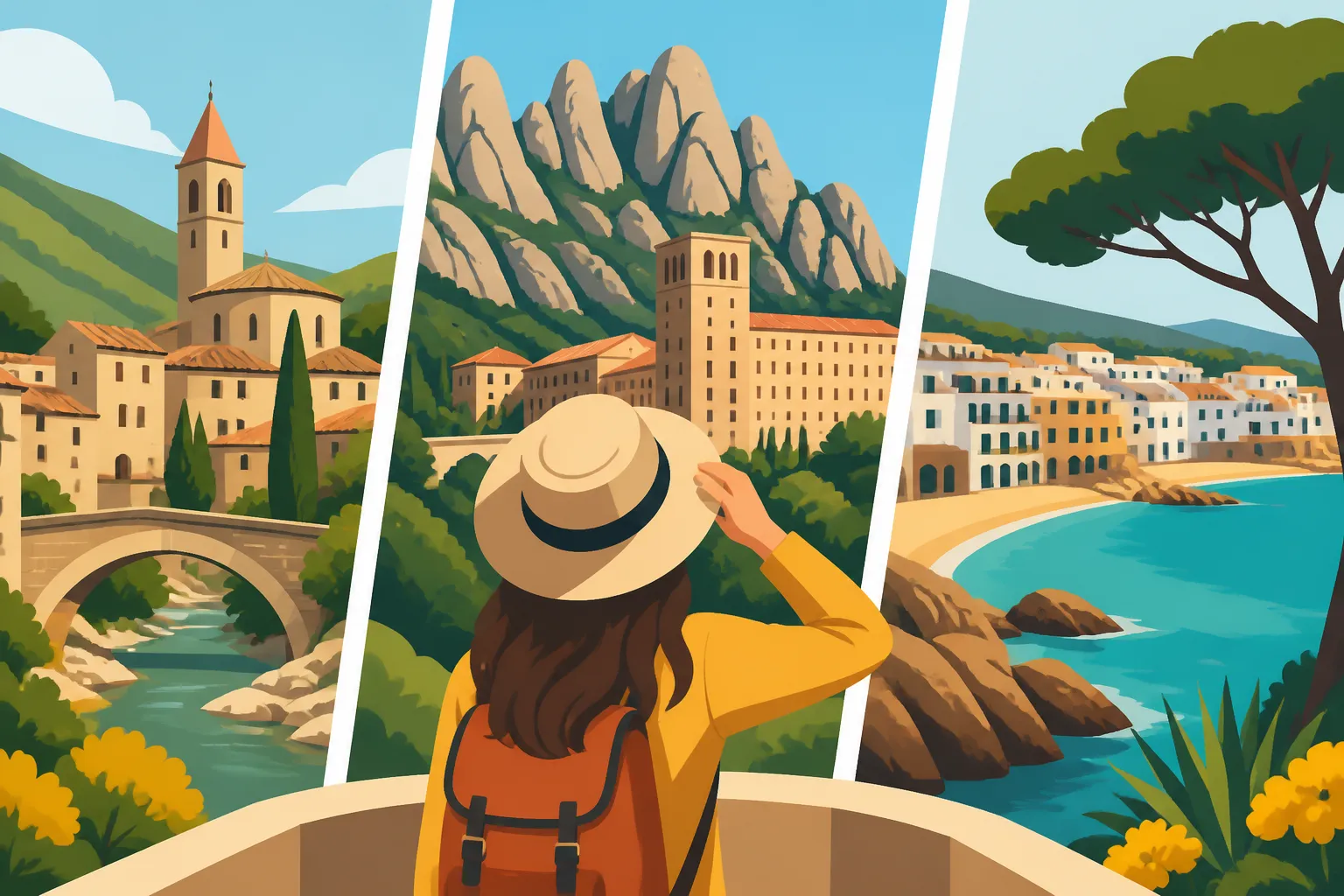
How to See Catalonia Beyond Barcelona in Three Days
So, you've landed in Barcelona, felt the city's pulse, marveled at Gaudí's masterpieces, and maybe even got a little lost in the Gothic Quarter. It's fantastic, truly. But if you're like most of us expats or curious travelers, you quickly realize there's so much more to Catalonia than just its vibrant capital, and figuring out how to squeeze it all into a tight schedule can feel overwhelming. Don't worry, I've been there, staring at maps and train schedules, wondering how to make the most of limited time. This guide is all about helping you effortlessly explore the incredible diversity of Catalonia beyond Barcelona in just three days, revealing hidden gems and rich cultural experiences that often get overlooked.
Disclosure: This post may contain affiliate links. We may earn a commission at no extra cost to you if you make a purchase through these links. Read full disclosure.
Why Venture Beyond Barcelona? The Allure of Catalonia's Diverse Landscapes
Barcelona is undeniably a jewel, but Catalonia itself is a treasure chest overflowing with diverse landscapes, ancient history, and unique cultural traditions just waiting to be discovered. Stepping outside the city limits offers a profound sense of immersion and a chance to truly understand the spirit of this incredible region.
Escaping the City Bustle: A Breath of Fresh Air
After the constant buzz of Barcelona's bustling streets and popular tourist attractions, venturing out into the wider region provides a much-needed change of pace. Imagine swapping the sounds of traffic for the gentle lapping of waves on a hidden cove, or the clamor of a crowded plaza for the hushed quiet of a medieval village square. These experiences offer a fresh perspective and a chance to truly relax and soak in authentic Catalan life. You'll find fewer crowds, more local interactions, and often, more budget-friendly options for food and accommodation. It's about finding those moments of genuine connection, whether it's with a local shopkeeper in a tiny town or simply with the stunning natural beauty surrounding you. It’s where you truly feel like you’re living Spain, not just visiting it.
The Rich Tapestry of Catalan Culture and History
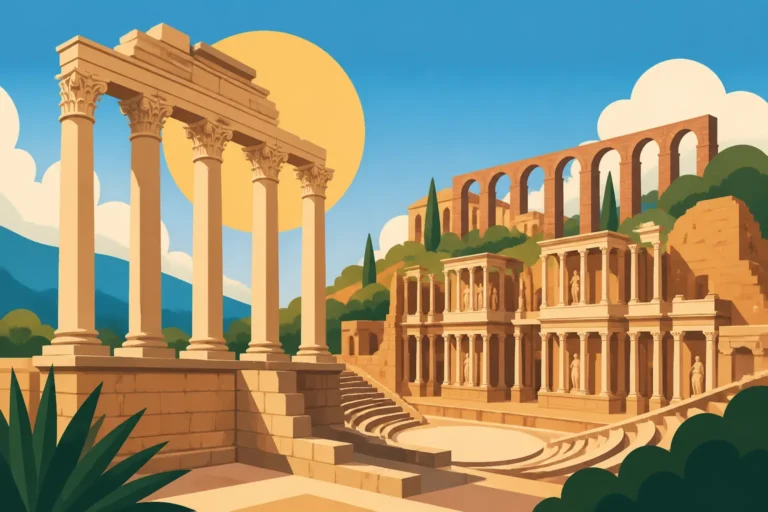
Catalonia boasts a history that stretches back millennia, leaving an indelible mark on its towns, traditions, and even its language. Beyond Barcelona, you can wander through well-preserved Roman ruins in Tarragona, feel the echoes of medieval Jewish communities in Girona, or delve into the surreal world of Salvador Dalí in Figueres and Cadaqués. This region has been a crossroads of cultures – Roman, Visigothic, Moorish, and Christian – each contributing layers to its unique identity. From ancient fortifications and grand cathedrals to quirky museums and traditional markets, every corner tells a story. You might even stumble upon a local "fiesta" or festival, offering a glimpse into vibrant folk dances and customs that are centuries old. Exploring these historical and cultural layers enriches your understanding of Spain far beyond what a single city can offer. You can even learn about Festivals, Fiestas, and Public Holidays in Spain before you go, to time your visit with local celebrations.
Crafting Your Three-Day Catalan Itinerary: Key Considerations
Three days isn't a huge amount of time, so careful planning is your best friend. The key is to avoid trying to see everything and instead focus on a specific theme or region to truly savor the experience.
Choosing Your Focus: Coast, Mountains, or Culture?
Before you even think about booking transport or accommodation, decide what kind of adventure speaks to you most. Catalonia is incredibly diverse, offering something for everyone.
- Coastal Charms (Costa Brava): If sun, sea, and picturesque fishing villages are calling your name, the Costa Brava is an excellent choice. This rugged coastline stretches from Blanes up to the French border and is famous for its stunning coves, crystal-clear waters, and charming towns like Cadaqués, Calella de Palafrugell, and Tossa de Mar. You could spend your days hopping between beaches, enjoying fresh seafood, and exploring coastal paths. This option is perfect for those seeking relaxation with a side of breathtaking scenery.
- Mountain Majesty (Pyrenees): For nature lovers and active adventurers, the Catalan Pyrenees offer dramatic landscapes, hiking trails, and quaint mountain villages. Areas like the Val d'Aran or the Aigüestortes i Estany de Sant Maurici National Park provide opportunities for hiking, wildlife spotting, and experiencing a different, cooler side of Catalonia. This might be a bit ambitious for just three days unless your primary goal is intensive hiking and you pick one specific area.
- Cultural & Historical Immersion: If you're fascinated by history, art, and charming old towns, focusing on cities like Girona and Tarragona, or the "Dalí Triangle," would be ideal. Girona offers a stunning medieval old town and a rich Jewish heritage, while Tarragona boasts impressive Roman ruins. The Dalí Triangle (Figueres, Cadaqués, Port Lligat) offers an unparalleled journey into the mind of the surrealist master. This focus allows for a mix of walking, sightseeing, and delving deep into local stories.
For a three-day trip, combining a taste of the coast with a historical city (like Girona and a Costa Brava town) or an art focus (Dalí Triangle) with a city (Figueres and Girona) often works best, giving you a good blend without feeling rushed.
Logistics and Transportation: Getting Around Catalonia
Navigating Catalonia without a car is absolutely doable, thanks to an excellent public transport network. However, having a car can offer more flexibility, especially if you're keen to explore smaller, less accessible villages or numerous coastal spots. You can find more comprehensive details on Traveling Around Spain: Trains, Buses, Flights, and Car Hire.
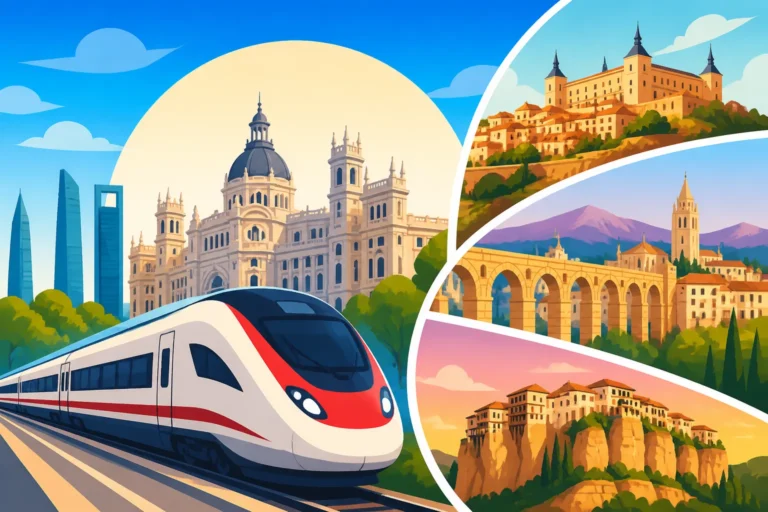
- Trains: Spain's train network, primarily operated by Renfe, is efficient and comfortable. High-speed (AVE) and regional trains connect Barcelona to major cities like Girona, Tarragona, and Figueres. For example, a high-speed train can get you to Girona in under 40 minutes, making it an incredibly convenient hub. For some smaller towns, you might need to combine a train ride with a local bus. You can check schedules and book tickets directly through Renfe or use platforms like Omio, which can simplify booking by showing you all available train and bus options in one place.
- Buses: Buses are often your best friend for reaching smaller towns, coastal villages on the Costa Brava, or mountain areas not directly served by train. Companies like Sagalés and Sarfa operate extensive routes throughout Catalonia. They might take a bit longer than trains for inter-city travel, but they're typically more economical and offer direct connections to many destinations. Again, Omio is a great resource for comparing and booking bus tickets, making planning seamless. You can learn more about Intercity Buses in Spain: Networks, Booking, and Tips.
- Car Rental: Renting a car gives you ultimate freedom, especially if your itinerary involves multiple stops off the main train lines, like exploring several Costa Brava coves or venturing into the Pyrenees. Major rental companies have offices at Barcelona Airport (El Prat) and in the city center. Be prepared for narrow, winding roads in some older towns and consider parking availability, which can sometimes be challenging and costly. Remember to familiarize yourself with Renting a Car in Spain: Requirements, Insurance, and Driving Tips beforehand.
Table: Transportation Options for Exploring Catalonia
| Mode of Transport | Pros | Cons | Best For |
|---|---|---|---|
| Train | Fast, comfortable, efficient, good for major cities. | Less flexible for small towns/off-the-beaten-path spots. | Inter-city travel (e.g., Barcelona to Girona, Tarragona, Figueres). |
| Bus | Economical, extensive network, reaches smaller towns. | Slower than trains, can be less frequent on some routes. | Coastal towns, villages without train stations, budget-conscious travelers. |
| Car Rental | Maximum flexibility, access to remote areas, scenic drives. | Can be expensive, parking challenges, navigating unfamiliar roads. | Coastal road trips, mountain exploration, multi-stop itineraries. |
Accommodation Choices: Where to Base Yourself
For a three-day trip, I highly recommend choosing one or two strategic bases rather than moving every night. This saves precious time checking in and out, allowing for more actual exploring.
- Girona: An excellent choice for a base, especially if you're focusing on history and art. It's well-connected by train to Barcelona, Figueres (for Dalí), and even some Costa Brava towns via bus. Girona itself is charming enough to spend a full day exploring, and its evening atmosphere is delightful. You'll find a range of hotels, guesthouses, and apartments.
- Tarragona: If Roman history is your main draw, Tarragona makes a fantastic base. It’s easily accessible from Barcelona by train and has plenty to see and do within walking distance.
- A Costa Brava Town: For a beach-focused trip, consider basing yourself in a larger Costa Brava town like Lloret de Mar (more lively), Tossa de Mar (historic castle, more family-friendly), or Palafrugell (a bit inland but with great access to stunning beaches like Calella and Llafranc). From here, you can take local buses or a rented car to explore nearby coves and villages.
When choosing, think about your preferred mode of transport and what amenities you prioritize. Booking.com is a reliable platform for finding accommodation that fits your budget and style, whether you prefer a boutique hotel, a cozy guesthouse, or a self-catering apartment. For more tips, check out Accommodation in Spain: Hotels, Hostels, and Rentals.
Sample Itinerary: Three Days Exploring Coastal Gems and Historic Towns
This itinerary is designed to give you a rich taste of Catalonia’s diversity, blending history, art, and stunning coastal scenery, assuming you’re relying mostly on public transport but could also be done with a car for added flexibility.
Day 1: Girona's Medieval Charm and Jewish Quarter
Morning: Travel to Girona and Explore the Old Town
Kick off your three-day adventure by taking a high-speed train from Barcelona Sants to Girona. It's a quick, comfortable journey, whisking you away from the city in about 38 minutes. Once you arrive, drop your bags at your accommodation and head straight for the Onyar River, famous for its colorful houses that line the riverbanks – a perfect photo opportunity! Cross one of the bridges, perhaps the Pont de les Peixateries Velles (designed by Gustave Eiffel, yes, that Eiffel), and you'll find yourself stepping back in time into Girona's Barri Vell (Old Quarter).
Start by exploring the majestic Girona Cathedral, a stunning example of Gothic architecture. Don't just admire it from the outside; climb the grand staircase (the "Escalinata") and venture inside to witness its vast nave, one of the widest in the world. Afterwards, take a walk along the ancient city walls, the "Muralles de Girona," which offer panoramic views of the city rooftops, the surrounding countryside, and even the Pyrenees on a clear day. This gives you a fantastic orientation and a sense of the city's scale.
Afternoon: Delving into the Jewish Quarter (Call Jueu)
Descend from the walls and lose yourself in the labyrinthine streets of the Call Jueu, Girona's beautifully preserved Jewish Quarter. This area is a fascinating network of narrow alleyways, hidden courtyards, and stone arches. It's one of the best-preserved Jewish quarters in Europe, and you can almost feel the history emanating from the ancient stones. Visit the Museum of Jewish History, which provides insightful context into the lives of the Jewish community that thrived here for centuries. Take your time wandering, perhaps stopping for a leisurely lunch at one of the many charming restaurants tucked away in this historic area, savoring traditional Catalan cuisine.
Evening: Riverside Stroll and Girona Gastronomy
As evening approaches, enjoy a relaxed stroll back along the Onyar River, watching the city lights begin to twinkle. Girona comes alive in a different way at night, with its illuminated monuments and lively plazas. Treat yourself to dinner at one of Girona's renowned restaurants. The city is a culinary hotspot, even home to El Celler de Can Roca, one of the world's top restaurants (though you'd need reservations far in advance for that!). You can find countless excellent eateries offering delicious local dishes, from botifarra amb mongetes (sausage with white beans) to fresh seafood. After dinner, perhaps enjoy a copa (drink) at a cozy bar, soaking in the city's peaceful yet vibrant atmosphere. This day is a perfect example of why Day Trips and Weekend Getaways Across Spain are so rewarding.
Day 2: The Dalí Triangle and Costa Brava Beauty
Today, you embark on a journey into the surreal mind of Salvador Dalí and then unwind in a quintessential Costa Brava village. This is where a car would be most convenient, but public transport combinations are possible.
Morning: Figueres and the Dalí Theatre-Museum
From Girona, take a short train ride (around 20 minutes) to Figueres. This town is home to the unparalleled Dalí Theatre-Museum, an absolute must-see for art lovers and curious minds alike. Dalí himself designed and curated this museum, which is built on the ruins of the old municipal theatre where he held his first public exhibition. It's a surreal, interactive masterpiece in itself, housing the single largest and most concentrated collection of Dalí's works. Give yourself at least 2-3 hours to explore, taking in everything from his early works to the iconic Rainy Taxi and the Mae West Room. The sheer scale and inventiveness are breathtaking. You could even consider a guided tour booked via GetYourGuide to truly understand the context of his works, as it can be quite overwhelming.
Afternoon: Port Lligat and Cadaqués
After immersing yourself in Dalí's world, it's time for some Costa Brava magic. From Figueres, you'll need to take a bus (operated by Sarfa) to Cadaqués, which is roughly a 1-hour journey through winding, picturesque roads. Cadaqués is perhaps the most iconic and charming fishing village on the Costa Brava. Its whitewashed houses, narrow cobbled streets, and stunning bay have attracted artists and intellectuals for centuries.
Once in Cadaqués, take a leisurely stroll through the village, browse the artisan shops, and enjoy a seaside lunch. The fresh seafood here is incomparable! Just a short, scenic walk (about 20-30 minutes) along the coast from Cadaqués brings you to Port Lligat, a tiny, secluded cove where Salvador Dalí lived and worked for most of his life. His unique house, now the Dalí House-Museum, is a quirky and intimate look into his personal world. Booking tickets for the Dalí House-Museum well in advance is essential, as entry is strictly timed and limited. Experience the tranquil beauty of Port Lligat, allowing Dalí's artistic inspiration to seep into your soul. Later, take the bus back to Figueres, and then the train back to Girona for another lovely evening. This day seamlessly combines art history with the allure of Beaches, Islands, and Coastal Escapes in Spain.
Day 3: Tarragona's Roman Grandeur or Montserrat's Spiritual Heights
For your final day, you have a choice: delve deeper into ancient history in Tarragona or ascend to a spiritual mountain retreat at Montserrat. Both are excellent options and offer very different experiences.
Option A: Tarragona's Roman Grandeur
Take a direct train from Girona to Tarragona (you might need to connect in Barcelona for the fastest route, but direct regional trains also exist, taking around 1.5-2 hours). Tarragona, a UNESCO World Heritage site, was once the Roman capital of Hispania Citerior. Its archaeological ensemble is magnificent and incredibly well-preserved.
- Morning: Start your exploration at the Roman Amphitheatre, dramatically perched overlooking the Mediterranean Sea. Imagine gladiatorial contests and public spectacles taking place here! Nearby, you'll find the Roman Circus, largely hidden beneath later buildings but still impressive, and the Provincial Forum. Wander through the old town (Part Alta), which is built within the ancient Roman walls.
- Afternoon: Visit the National Archaeological Museum of Tarragona to see an impressive collection of Roman artifacts. Walk along a section of the Roman walls, or head to the "Devil's Bridge" (Pont del Diable), a monumental Roman aqueduct just outside the city, easily reachable by local bus or taxi. Enjoy a final Catalan lunch in one of Tarragona's charming plazas, perhaps trying romesco sauce, a local specialty.
Option B: Montserrat's Spiritual Heights
If mountains and spiritual retreats are more your speed, head to Montserrat. From Barcelona (which is a short train ride from Girona), you can take a regional train to Monistrol de Montserrat, then either the scenic rack railway (cremallera) or the aeri (cable car) up to the monastery.
- Morning: Arrive at Montserrat and be immediately awestruck by the unique, serrated peaks. Visit the Benedictine Monastery of Santa Maria de Montserrat, home to the revered Black Madonna (La Moreneta). You can join the queue to see her and touch her globe, a moment of reflection for many pilgrims and visitors. If you're lucky, you might catch the Escolania de Montserrat, one of Europe's oldest boys' choirs, performing at 13:00.
- Afternoon: Montserrat is also a fantastic place for light hiking. There are several trails ranging from easy strolls to more challenging climbs, offering incredible views of the monastery and the surrounding landscapes. You can take a funicular further up the mountain to access higher viewpoints or more remote hermitages. Alternatively, explore the museum, which houses works by El Greco, Dalí, Picasso, and more. Enjoy the breathtaking panoramas before making your way back down and returning to Barcelona (and then Girona).
Whichever option you choose, you'll be treated to a memorable experience, capping off your three-day exploration of Catalonia's wonders.
Practical Tips for a Smooth Catalan Adventure
Venturing beyond the familiar streets of Barcelona might feel a little daunting, but with a few practical tips, your Catalan adventure will be nothing short of amazing.
Language and Communication: Beyond Spanish
While Spanish is widely spoken, Catalonia has its own official language, Catalan, which is spoken by many locals. Don't be surprised to see street signs and menus primarily in Catalan.
- Basic Catalan Phrases: Learning a few basic phrases like Hola (hello), Gràcies (thank you), Per favor (please), Bon dia (good morning/day), Bona tarda (good afternoon), and Adéu (goodbye) will go a long way. Locals appreciate the effort!
- Spanish is Fine: Most people, especially in tourist areas, will understand Spanish. Don't stress too much about speaking perfect Catalan.
- Translation Apps: Have a translation app ready on your phone, like Google Translate, for those moments when you need to understand a menu item or ask for specific directions.
- Hand Gestures: When all else fails, a smile and hand gestures are universal communicators!
Remember, this is part of the charm of traveling; it's okay not to understand everything. For more helpful phrases, consult Spanish Language and Everyday Communication for Visitors.
Eating Like a Local: Food Beyond Tapas
Catalan cuisine is a rich and flavorful tapestry, often overshadowed by the more generalized concept of "Spanish tapas." While you'll find tapas everywhere, make sure to dive into regional specialties.
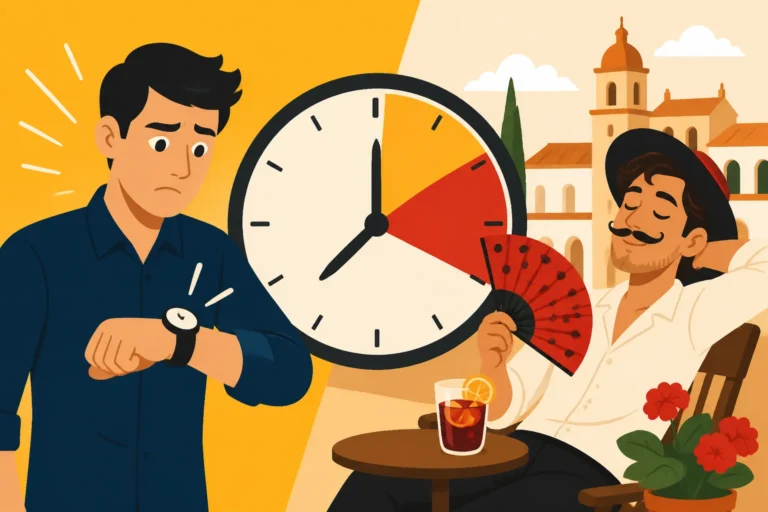
- Meal Times: Be aware that meal times in Spain are generally later than in many other countries. Lunch (the main meal) is usually between 2 PM and 4 PM, and dinner often starts around 9 PM or later. Many restaurants close between lunch and dinner service.
- Menu del Dia: For an excellent value, look for the "Menú del Dia" at lunchtime. This typically includes two or three courses, bread, a drink, and sometimes coffee, all for a fixed price (often between €12-€20). It’s a fantastic way to try local dishes.
- Local Markets: Visit local markets (like Mercat del Lleó in Girona) to see the fresh produce, cheeses, cured meats, and seafood that form the backbone of Catalan cooking. It’s a sensory experience and a great place to pick up picnic supplies.
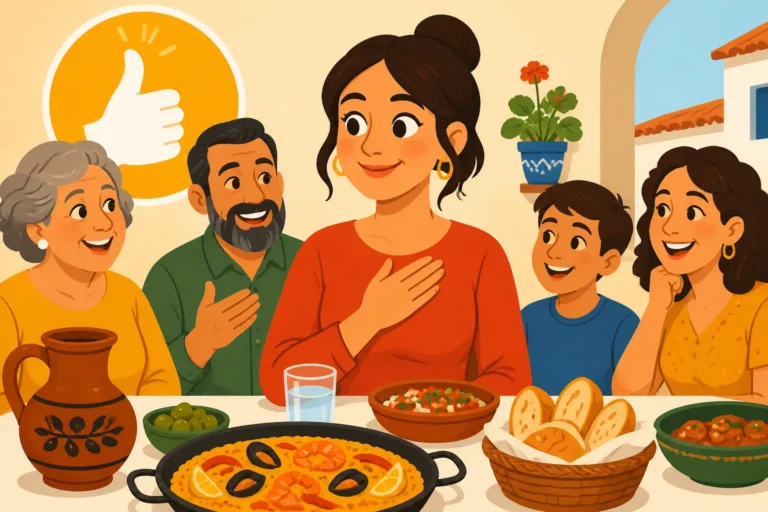
- Must-Try Dishes: Don't leave without trying pa amb tomàquet (bread with tomato, olive oil, and salt – a simple but iconic staple), esqueixada de bacallà (shredded salted cod salad), fideuà (a pasta paella), calçots (spring onions roasted and served with romesco sauce, seasonal), and for dessert, crema catalana.
- Wine: Catalonia also boasts excellent wines, particularly from the Penedès region (famous for Cava, Spain's sparkling wine) and Priorat. Don't be afraid to ask for a local recommendation! You can explore Spanish Food and Drink: A Practical Culture Guide for more inspiration.
Navigating Local Services and Information
Knowing where to get help or find information can make your trip much smoother.
- Tourist Offices: Most major towns and tourist destinations will have a "Oficina de Turisme" (Tourist Office). They are invaluable resources for maps, local event information, and advice on public transport. Don't hesitate to pop in and ask questions.
- Pharmacies (Farmacias): Easily identifiable by a green cross, Spanish pharmacies are incredibly helpful for minor ailments and advice. Pharmacists are highly trained and can often recommend over-the-counter remedies.
- Emergency Numbers: In Spain, the universal emergency number for police, ambulance, or fire services is 112. It's free to call from any phone, including mobile phones.
- Stay Connected: Consider purchasing a local SIM card or an eSIM upon arrival if your phone is unlocked. This ensures you have data for maps, translation, and communication without relying solely on Wi-Fi.
Following these tips and keeping an open mind will help you embrace the local rhythm and make the most of your incredible journey through Catalonia. And remember, sometimes the best adventures are the unplanned ones!
Disclaimer
Please note that travel information, prices, and regulations can change rapidly. While every effort has been made to provide accurate and up-to-date information, it is always advisable to check official sources, current timetables, and booking sites before making any arrangements. This guide is for informational purposes only and does not constitute professional advice.