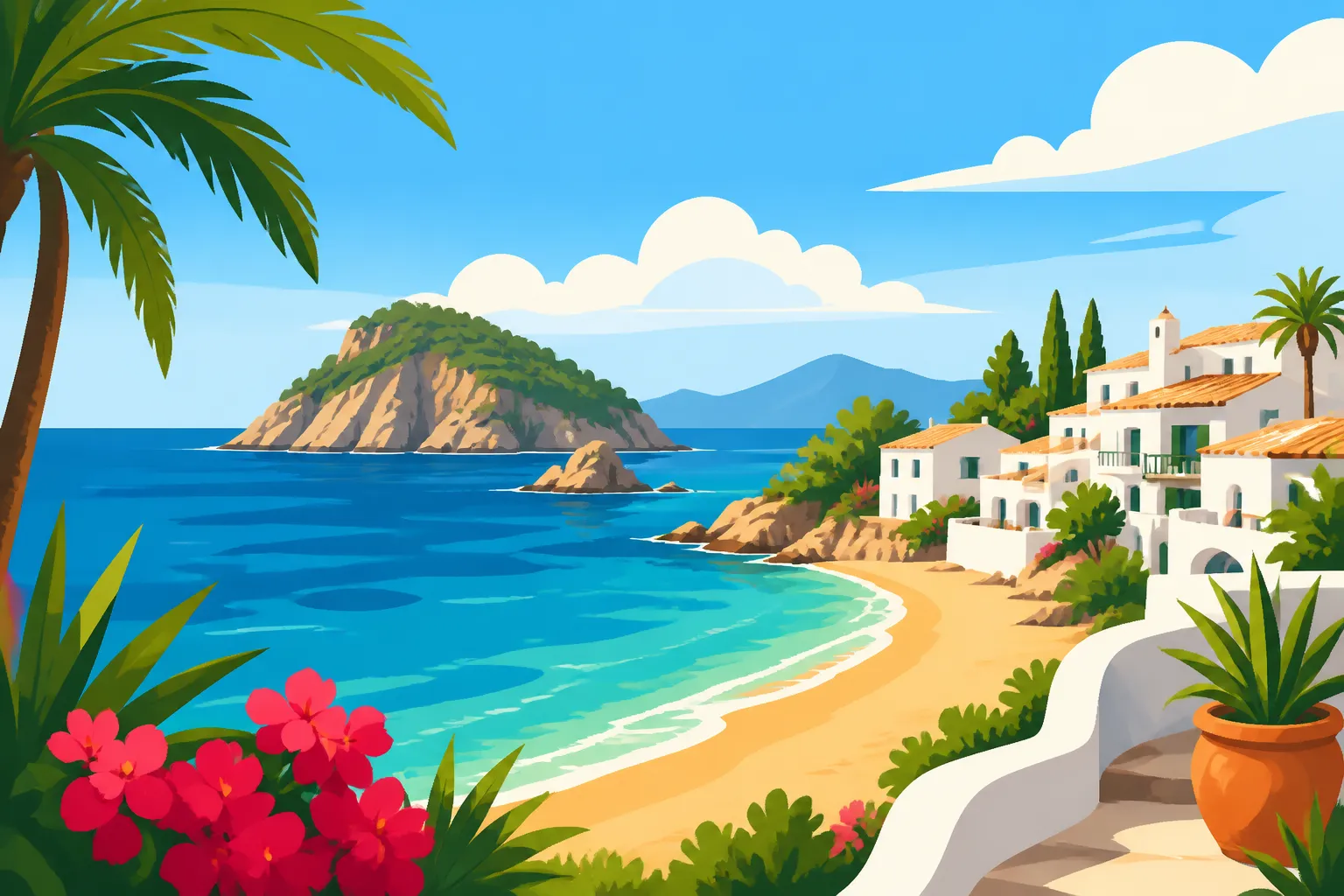
Beaches, Islands, and Coastal Escapes in Spain
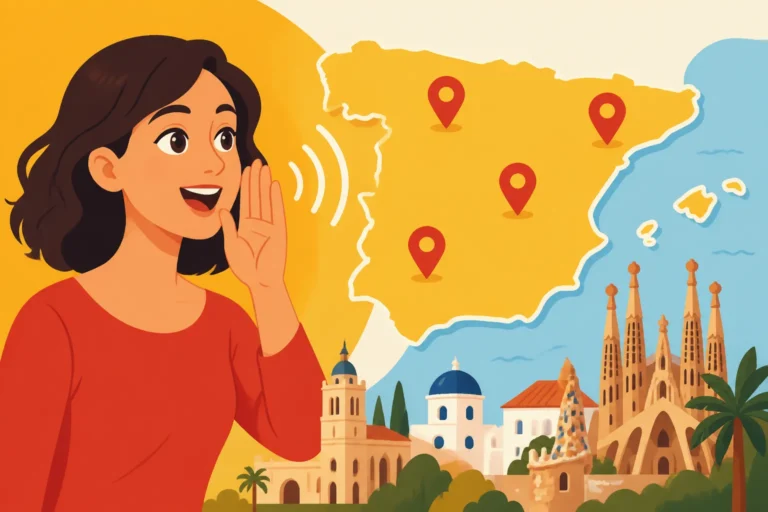
Finding the perfect stretch of sand in Spain is often more overwhelming than navigating the local tax office on a Monday morning. I remember my first summer here, staring at a map and realizing that "the beach" isn't just one thing—it’s a collection of thousands of distinct micro-worlds. This guide solves that paralysis by breaking down every major coastal region and island group to help you find your ideal escape.
Disclosure: This post may contain affiliate links. We may earn a commission at no extra cost to you if you make a purchase through these links. Read full disclosure.
Understanding the Costas of Mainland Spain
Spain’s mainland coastline is divided into several "Costas," each with a personality as distinct as the regional dialects you’ll hear while walking along the promenade. When I first moved here, I made the mistake of thinking that a beach in the north would be similar to one in the south. I quickly learned that while the Mediterranean offers calm, turquoise waters, the Atlantic coast provides a wild, rugged energy that requires a different kind of appreciation.
The Wild Beauty of Costa Brava
The Costa Brava, stretching from Blanes to the French border, is defined by its "calas"—small, rocky inlets tucked between pine-covered cliffs. This is not the place for those looking for endless, flat sandy horizons; rather, it is a playground for those who enjoy crystal-clear water and coastal hiking. The "Camí de Ronda" is a historic footpath that winds along the entire coast, offering views that make every drop of sweat worthwhile. In my early days here, I spent weekends getting lost in towns like Begur and Cadaqués, where the white-washed buildings seem to grow directly out of the stone.
The water here is generally cooler than in the south, and the entry into the sea can be pebbly. However, the clarity makes it a haven for snorkeling and diving. If you are trying to decide between different parts of the country, reading about Costa Brava vs Costa del Sol: Which Coast to Choose can help clarify if this rugged northern Mediterranean vibe suits you better than the more traditional resort feel of the south. The wind, known as the "Tramontana," can occasionally whip through the region, clearing the skies but making the sea quite choppy, so always check the local forecast before planning a boat trip.
The Sunny Allure of Costa del Sol
Further south in Andalusia, the Costa del Sol is perhaps the most famous of Spain's coastal regions. This is the heart of the "sun and sand" tourism model, but there is more depth to it than the high-rise hotels of Torremolinos might suggest. Towns like Estepona have managed to maintain a beautiful, flower-filled old center, while the beaches of Nerja offer dramatic cliffside views and the famous Balcón de Europa. When I visit this area, I’m always struck by the infrastructure; it is incredibly easy to navigate, making it a favorite for those who want a stress-free holiday where everything from sunbeds to mojitos is within arm's reach.
The beaches here tend to have darker, coarser sand, and the Mediterranean is exceptionally calm, which is ideal for families with young children. However, because it is so popular, finding a quiet spot in July or August requires a bit of local knowledge or a willingness to drive away from the main hubs. For a broader look at what the rest of the mainland offers, you can explore Spain's Best Mainland Beaches by Region to see how the Costa Blanca or Costa Cálida might compare in terms of crowd density and water temperature.
The White Sands of Costa de la Luz
If you crave wide-open spaces and fine, golden sand that feels like powder between your toes, you must head to the Costa de la Luz. This Atlantic coast, stretching from Tarifa to the Portuguese border, is a world apart from the Mediterranean. The light here is different—brighter and more intense—which is how the coast earned its name. Tarifa is the wind-capital of Europe, a vibrant town where the Atlantic meets the Mediterranean, and you can see the mountains of Morocco across the strait.
The beaches here, like Bolonia and Zahara de los Atunes, are massive. Even in the height of summer, you can usually find a patch of sand to call your own if you’re willing to walk ten minutes from the parking lot. The trade-off is the wind; when the "Levante" blows, it can be relentless, sending sand flying and making it difficult to stay on the beach. But on a calm day, there is nowhere more magical. The water is colder and the waves are bigger, making it a prime spot for surfing and kite-boarding.
The Balearic Islands: Mediterranean Dreams
The Balearic Islands are often lumped together, but having spent significant time on each, I can tell you they are fiercely individualistic. Located off the eastern coast of the mainland, these islands are the crown jewels of Spanish beach tourism. Whether you are looking for a bohemian retreat, a high-energy party, or a quiet family sanctuary, there is an island tailored for you.
Mallorca and Menorca
Mallorca is the largest of the group and offers the most variety. From the dramatic Serra de Tramuntana mountains to the flat, sandy expanses of Es Trenc, the island is a microcosm of everything great about Spain. The capital, Palma, has a sophisticated urban beach scene, but the real magic lies in the "calas" of the southeast. Mallorca is often recommended Mallorca to newcomers because the infrastructure is so well-developed. You can use platforms like Omio to compare ferry and flight options from the mainland, ensuring you get the best deal for your schedule.
Menorca, Mallorca’s quieter neighbor, is a UNESCO Biosphere Reserve. It is the island I escape to when I need to unplug. The beaches here, such as Cala Macarella and Cala Mitjana, are frequently cited as the most beautiful in the world. Accessing them often requires a 20-to-30-minute hike through pine forests, which keeps the crowds slightly thinner. The northern coast of Menorca is red and rugged, while the southern coast is white sand and turquoise water. Choosing between these experiences can be tough, so checking The Balearic Islands: Choosing Between Mallorca, Menorca, and Ibiza is a great way to weigh the pros and cons of each.
Ibiza and Formentera
Ibiza carries a reputation for world-class clubbing, and while that is true, the island’s natural beauty is staggering. Away from San Antonio and Ibiza Town, you’ll find quiet agrotourism hotels and hidden beaches like Benirràs, where locals gather for sunset drum circles. The water in Ibiza is incredibly clear, thanks to the Posidonia oceanica seagrass, which is a protected heritage site. It’s an island of contrasts where luxury yachts anchor next to rugged, untouched cliffs.
Formentera is just a short ferry ride from Ibiza, but it feels like another planet. There are no airports here, which has preserved its slow-paced, "hippy-chic" vibe. The beaches, like Ses Illetes, are often compared to the Caribbean because of their shallow, pale-blue waters and white sand. It is an island best explored on a bicycle or scooter. If you're staying in Ibiza, a day trip to Formentera is non-negotiable. I usually use Booking.com to find small boutique stays on the islands, as they often list charming local guesthouses that don't appear on larger travel agency sites.
The Canary Islands: Eternal Spring
Located off the coast of Africa, the Canary Islands offer a subtropical climate that makes them a year-round destination. Many expats find that the "Canaries" are the perfect antidote to the slightly chilly winters on the mainland. Each island is volcanic, resulting in dramatic landscapes that range from black sand beaches to massive sand dunes.
The Volcanic Landscapes of Tenerife and Lanzarote
Tenerife is the most diverse island, dominated by Mount Teide, Spain’s highest peak. The south of the island is where you’ll find the sun-drenched resorts and gold-sand beaches (many of which are man-made with sand imported from the Sahara). However, the north offers black volcanic sand and natural rock pools, known as "charcos," which are a quintessential Canarian experience. For a deep dive into what makes this archipelago so special, The Canary Islands: A Traveler's Overview provides a breakdown of the climate and top sights.
Lanzarote is a masterpiece of landscape art, largely thanks to the influence of local artist César Manrique. The beaches in the south, like Papagayo, are nestled within a protected natural park and offer calm, emerald waters. The island feels almost lunar, with vineyards grown in volcanic ash pits and lava tubes you can dine in. It’s a place that rewards exploration, and I highly recommend booking a guided tour through GetYourGuide to see the Timanfaya National Park, as they handle the logistical headaches of park permits and transport.
The Dunes of Gran Canaria and Fuerteventura
Gran Canaria is often called a "miniature continent" because of its varied microclimates. The most iconic coastal feature here is the Maspalomas Dunes—a vast sea of sand that makes you feel like you’ve wandered into the Sahara before stumbling into the Atlantic Ocean. The island has a very inclusive vibe and a bustling capital city, Las Palmas, which boasts one of the best city beaches in the world, Las Canteras.
Fuerteventura is the island of wind and sand. It has the longest beaches in the archipelago and is a pilgrimage site for windsurfers and kite-boarders. The dunes of Corralejo in the north are breathtaking, and the nearby Isla de Lobos is a perfect day trip for those seeking complete isolation. The sand here is light and fine, and the water is remarkably clear. Because the islands are quite spread out, many people choose to hop between them using local ferries or short flights, which is a great way to see the geological diversity of the region.
Northern Spain: The Green Coast
For those who find the heat of the south a bit too much, the northern coast of Spain—stretching from the Basque Country through Cantabria and Asturias to Galicia—is a revelation. This is "España Verde" (Green Spain), where the mountains meet the sea in a spectacular collision of emerald and deep blue.
Galicia’s Rías and Wild Atlantic
Galicia’s coastline is defined by "rías"—estuaries where the sea reaches deep into the land. The Rías Baixas in the south are famous for their calm waters and the incredible Albariño wine produced nearby. The Cíes Islands, located off the coast of Vigo, are often called the "Galician Caribbean." They are part of a protected national park, and visitor numbers are strictly limited, so you must book your permit and ferry well in advance.
The sand on Rodas Beach in the Cíes is so white and the water so blue that you’ll forget you’re in Northern Spain—until you dip your toe in. The water is famously cold, a refreshing (or shocking) contrast to the summer air. Further north, the "Costa da Morte" (Coast of Death) offers a much more rugged, wind-swept experience, with lighthouses perched on jagged cliffs and some of the best seafood in the world. It’s an area that feels ancient and untamed.
The Cliffs of Asturias and Cantabria
Asturias and Cantabria offer some of the most dramatic coastal scenery in Europe. Here, the Picos de Europa mountains provide a backdrop to hidden beaches like Gulpiyuri—a "beach without a sea" where the water tunnels through the cliffs to a small sandy sinkhole inland. The beaches here are often surrounded by lush green meadows where cows graze just meters from the surf.
Towns like Llanes in Asturias or San Vicente de la Barquera in Cantabria are perfect bases for coastal exploration. The surfing culture is strong here, particularly in Ribadesella and Somo. If you’re planning to drive along this coast, be sure to read Renting a Car in Spain: Requirements, Insurance, and Driving Tips because the narrow, winding roads of the north require a bit of confidence and the right insurance coverage. The weather can be unpredictable, but the reward is a landscape that stays vibrant and green even in the height of August.
Practical Logistics: Getting to the Shore
Getting to Spain’s coast is relatively straightforward, but there are nuances to the transport system that can save you a lot of time and money if you know them beforehand.
Trains, Buses, and Car Rentals
For the major Costas, the train network is excellent. The high-speed AVE connects Madrid to Málaga (Costa del Sol) and Alicante (Costa Blanca) in just a few hours. However, once you get to the coast, local "Cercanías" trains or buses are your best bet. In regions like the Costa Brava or the northern coast, a car is almost essential if you want to reach the hidden "calas" that aren't served by public transport.
When planning your route, it is wise to use Omio to compare the different modes of transport. Sometimes a bus is actually faster than a regional train, especially in the north where the topography makes train tracks wind significantly. If you are heading to the islands, you’ll be choosing between flying or taking a ferry. Ferries are great if you want to bring your own car from the mainland, but they do take significantly longer than a quick flight from Barcelona or Valencia. You can find more detail on this in Traveling Around Spain: Trains, Buses, Flights, and Car Hire.
Booking Accommodations and Activities
In the peak summer months (July and August), Spain’s coastal towns reach near-full capacity. This isn't just international tourists; Spaniards love their own beaches, and many families have traditional spots they return to every year. For the best selection, I use Booking.com but I filter for "free cancellation" and "mobile-only deals" which can sometimes shave 10% off the price.
For activities like boat rentals, scuba diving, or guided coastal hikes, GetYourGuide is my go-to. In places like the Balearics or the Canaries, boat tours often sell out weeks in advance. Booking through a reputable platform gives you that extra layer of security, especially when it comes to cancellation policies due to weather.
| Region | Primary Sea | Best For | Water Temperature |
|---|---|---|---|
| Costa Brava | Mediterranean | Snorkeling, Hiking | Moderate (19-24°C) |
| Costa del Sol | Mediterranean | Families, Resorts | Warm (20-25°C) |
| Costa de la Luz | Atlantic | Surfing, Wide Spaces | Cool (17-21°C) |
| Balearic Islands | Mediterranean | Turquoise Water, Variety | Warm (21-26°C) |
| Canary Islands | Atlantic | Year-round Sun, Volcanic | Mild (18-23°C) |
| Northern Spain | Atlantic/Cantabrian | Nature, Surfing, Food | Cold (15-20°C) |
Beach Culture and Local Etiquette
Living here has taught me that the Spanish beach day is a marathon, not a sprint. It’s an all-day affair that usually involves a significant amount of food, socializing, and very specific cultural norms.
The Chiringuito Experience
The "chiringuito" is a quintessential Spanish beach bar. They range from simple wooden shacks serving cold beer and sardines to high-end beach clubs with Balinese beds and DJ sets. In Andalusia, you must try "espetos"—sardines skewered and grilled over an open fire on the sand, often in a boat filled with sand. It’s a cheap, delicious, and deeply traditional experience.
When dining at a chiringuito, remember that service can be "relaxed." Don't expect North American-style speed; instead, lean into the slower pace. Knowing how to navigate the menu is key, and understanding Spanish Tapas Culture: How to Order and Where to Go will help you distinguish between a simple snack and a full meal while you’re lounging in the sun. Also, keep in mind that most chiringuitos stop serving lunch around 4:00 PM and might not open for dinner until 8:00 PM or later.
Sun Safety and Environmental Protection
The Spanish sun is incredibly powerful, especially in the south and the islands. Too many tourists turn into "gambas" (prawns) on their first day because they underestimated the breeze. It is vital to understand Sun Safety in Spain: UV Index Basics and Habits to avoid ruining your holiday. Most locals stay off the beach or under an umbrella between 2:00 PM and 5:00 PM, which is the peak heat of the day.
Environmental protection is also taken very seriously. Many of the most beautiful beaches are in protected natural parks. This means no littering (obviously), but also being careful with sand and flora. In some areas, like the Cíes Islands or Formentera, you are encouraged to use mineral-based sunscreens that don't harm the marine ecosystem. If you see a blue flag at a beach, it means it has met high environmental and quality standards, which is always a good sign.
Family and Accessible Coastal Travel
Spain is one of the most family-friendly countries in the world. Children are welcomed everywhere, and the beaches are no exception. However, some coasts are definitely easier to navigate with a stroller or elderly family members than others.
Child-Friendly Shores
The Mediterranean coast generally offers the best conditions for kids. The water is shallow, the waves are minimal, and there are usually plenty of facilities like toilets, showers, and playgrounds right on the sand. The Costa Blanca and Costa del Sol are particularly well-equipped. When traveling with kids, I always check Family Travel in Spain: Kid-Friendly Cities and Activities for tips on keeping the little ones entertained when they've had enough of the sand.
If you are heading to the islands, Mallorca is the top choice for families. The beaches in the north of the island, like Playa de Muro, have incredibly shallow water for meters, making it very safe for toddlers. Many resorts also offer kid’s clubs and specialized activities, allowing parents to actually get a bit of a break themselves.
Accessibility in Spanish Coastal Towns
Spain has made massive strides in beach accessibility over the last decade. Many urban beaches now feature "Puntos de Accesibilidad," which include wooden ramps onto the sand, amphibious chairs for swimming, and specialized staff to assist people with reduced mobility. Cities like Valencia, Barcelona, and Alicante are leaders in this area.
For those who need specific accommodations, Accessible Travel in Spain: Mobility and Planning Tips provides a comprehensive look at how to navigate the country with ease. Most major beaches will have a sign at the entrance detailing the accessible services available. If you are booking through Booking.com, you can also use the accessibility filters to find hotels with roll-in showers and elevator access, which is crucial in older coastal towns where narrow stairs are common.
Planning Your Seasonal Escape
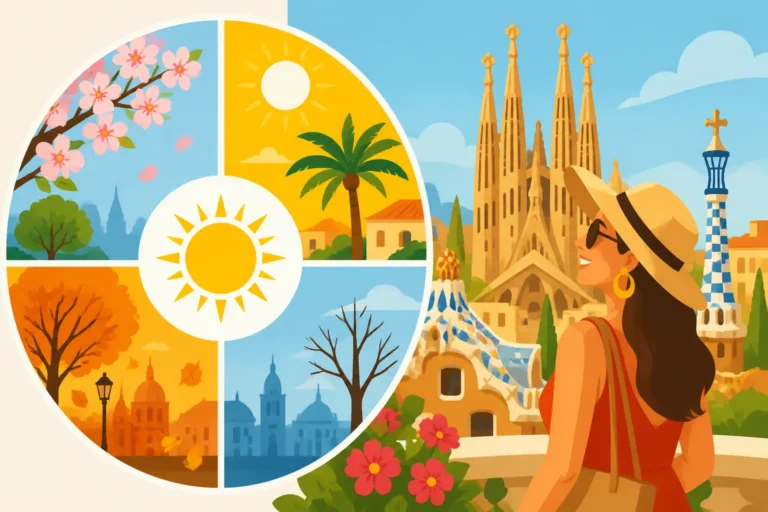
While summer is the obvious choice for a beach holiday, it isn't always the best choice depending on what you're looking for. The shoulder seasons—late spring and early autumn—are my personal favorites.
In May and June, the landscapes are still green from the spring rains, and the crowds haven't yet arrived. The water might be a bit brisk, but the air temperature is perfect for exploring. September and October are also fantastic; the Mediterranean has been warming up all summer, so the water is at its peak temperature, even as the air starts to cool down slightly.
If you are planning a winter escape, the Canary Islands are your only reliable bet for beach weather. While the mainland can be sunny and beautiful in February, it’s usually "jacket weather" rather than "bikini weather." Regardless of when you go, having a solid plan and a bit of flexibility will ensure that your Spanish coastal escape is everything you imagined it would be.
Disclaimer
The information provided in this guide is for educational and informational purposes only. While every effort has been made to ensure accuracy, local regulations, beach conditions, and transport schedules in Spain can change frequently. Travelers are encouraged to verify current safety warnings, environmental rules, and entry requirements with official local authorities before their trip. Travel and outdoor activities involve inherent risks, and readers should exercise personal responsibility and caution.