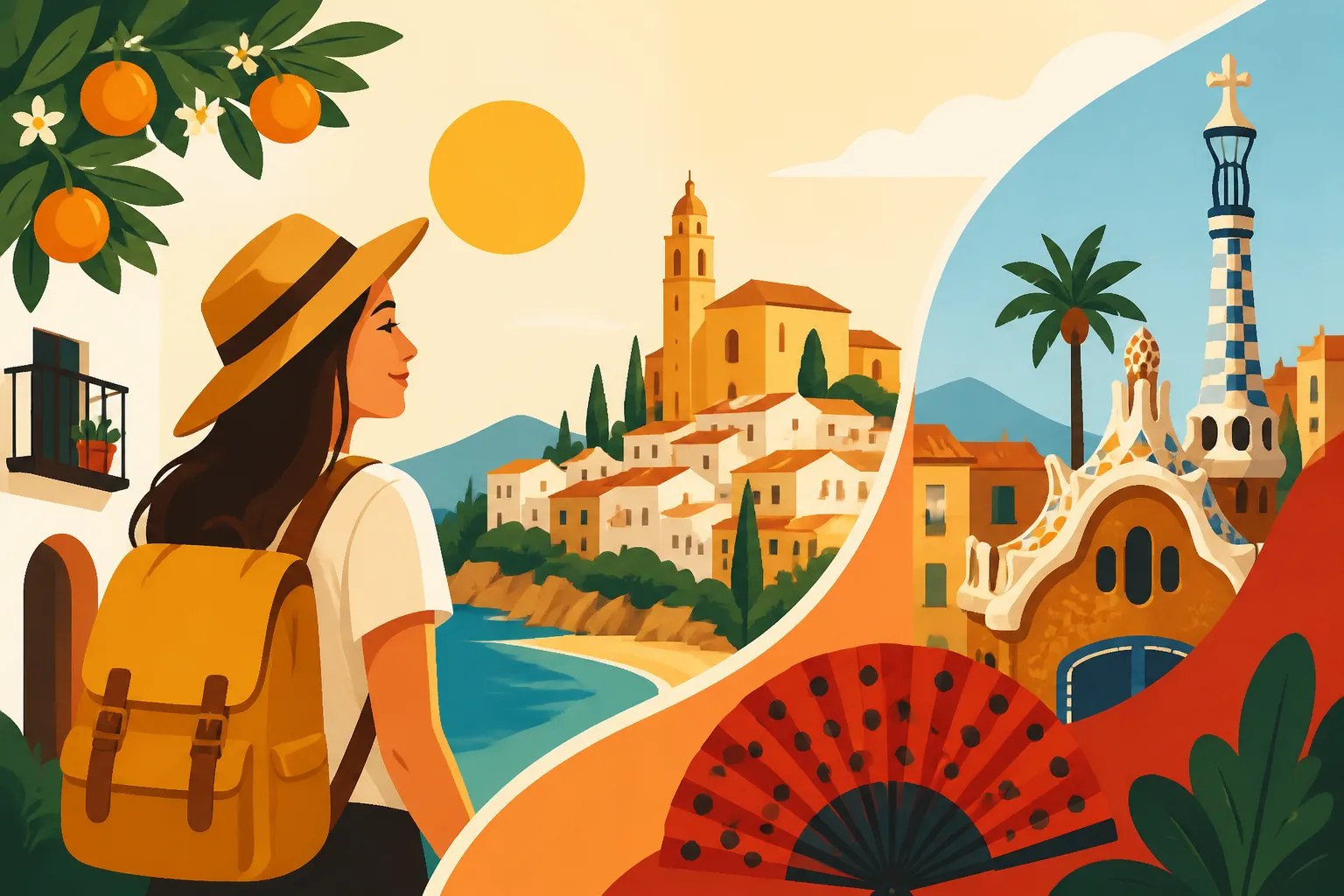
How to Travel Spain Slowly Over a Month
Most travelers treat Spain like a frantic checklist, rushing from the Sagrada Família to the Alhambra in a blur of train platforms and overpriced sandwiches. They leave exhausted, having seen everything but experienced nothing. This guide solves the burnout of the "tapas-hop" itinerary by providing a realistic roadmap to travel Spain slowly over a month, allowing you to actually absorb the rhythm of the peninsula.
Disclosure: This post may contain affiliate links. We may earn a commission at no extra cost to you if you make a purchase through these links. Read full disclosure.
The Philosophy of the Thirty Day Stay
To truly understand Spain, you have to stop trying to conquer it. I learned this the hard way during my first year living here; I spent every weekend on a bus, only to realize I didn't know the name of the man who ran the fruit shop on my own street. Slow travel isn't just about spending more time in a place; it is about changing your relationship with time. When you have thirty days, you don't need to panic if it rains in Madrid or if you spend four hours over a single lunch in a village in Extremadura.
The goal is to move away from the "highlights reel" and into the "daily life" reel. Instead of seeing twelve cities for two days each, choose three or four "base" cities and stay for a full week in each. This gives you the freedom to find your favorite bakery, understand the local bus routes, and notice how the light changes on the cathedrals at different times of day. You will find that How to Plan a Spain Itinerary by Train becomes much easier when you aren't trying to book ten different tickets in a single week.
Consider the mental shift required for this journey. You are no longer a visitor; you are a temporary resident. This means you should prioritize apartments over hotels. Using platforms like Booking.com allows you to find places with kitchens and washing machines, which are essential for a month-long trip. Having a kitchen means you can visit the local mercado municipal, buy fresh seafood or seasonal artichokes, and cook at home, which is one of the most rewarding ways to feel integrated into Spanish life.
Logistics and Setting Your Bases
Setting up your logistical framework is the most important step in ensuring your month doesn't turn into a logistical nightmare. Spain is large, and while the infrastructure is excellent, it can be overwhelming for newcomers. To keep things simple, we suggest using Omio to compare your options. Whether it’s a high-speed AVE train, a regional Renfe service, or a long-distance Alsa bus, seeing the times and prices side-by-side saves you from the frustration of navigating multiple Spanish-only websites.
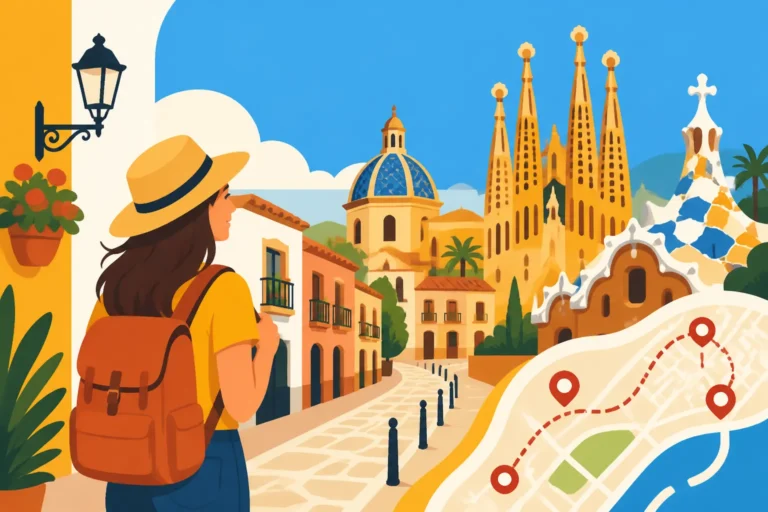
When choosing your bases, think about regional diversity. A classic slow-travel month might look like this: one week in Seville (Andalusia), one week in Madrid (the heart of the country), one week in San Sebastián (Basque Country), and one week in Barcelona (Catalonia). This route gives you four distinct languages, climates, and culinary traditions. Between these major cities, you can use Omio to find the fastest connections, but remember that the "slow" part happens once you arrive at your base.
| Travel Aspect | Fast-Paced Tourism (7-10 Days) | Slow Travel (30 Days) |
|---|---|---|
| Accommodation | Small hotel rooms near train stations. | Apartments in residential neighborhoods. |
| Dining | Quick meals at tourist-heavy plazas. | Shopping at local markets; cooking at home. |
| Transport | Constant flights or high-speed trains. | Strategic use of How to Buy AVE Train Tickets in Spain and Save Money. |
| Social Life | Interactions limited to service staff. | Regulars at the local "taberna" recognize you. |
| Budget | High daily spend due to convenience fees. | Lower daily spend through grocery shopping and "bonos". |
By staying in one place for a week, you also reduce the "arrival tax"—the time and money spent getting lost, finding the supermarket, and figuring out the metro. If you are staying in a city like Madrid, you can take your time learning How to Get Around a Spanish City Without Speaking Spanish by observing the locals. You’ll notice that people don't rush; they wait for the "green man" at crossings, they stand on the right of the escalator, and they always say buenos días when entering a small shop.
Immersing Yourself in the Regional Rhythms
Once you have your base, your days should be a mix of "doing" and "being." it is wise to use GetYourGuide to find one or two high-quality, local-led experiences in each city—perhaps a wine tasting in the Ribera del Duero or a guided walk through the Jewish Quarter of Córdoba. This provides structure without the rigidity of a tour group. But the rest of the time should be spent following the local clock.
Understanding Spanish Meal Times and Dining Etiquette Explained is non-negotiable for slow travelers. If you try to eat dinner at 6:30 PM, you will find yourself alone in a tourist trap. In Andalusia, for example, the midday heat dictates a slower pace. The siesta is not a myth; it is a survival mechanism. Shops will close between 2:00 PM and 5:00 PM. Instead of fighting this, embrace it. Go back to your Booking.com apartment, take a nap, read a book, and then head out at 8:00 PM when the city truly wakes up.
While you are in the south, make sure to explore Spain's Pueblos Blancos: Visiting the White Villages. With a full month, you have the luxury of taking a local bus to a place like Grazalema or Arcos de la Frontera and staying overnight. Most tourists do these as a rushed day trip, but waking up to the sound of goat bells and the smell of woodsmoke in a mountain village is a memory that stays with you much longer than a photo of a crowded monument.
As you move north, the rhythm changes. In the Basque Country or Galicia, life revolves around the land and the sea. If you find yourself in the northwest, you might encounter people on The Camino de Santiago: A Practical Introduction. Even if you aren't walking the full pilgrimage, spending a few days in a city like Santiago de Compostela allows you to witness the emotional arrival of the pilgrims, which is a powerful cultural experience that requires time and quiet observation to appreciate.
Living Like a Local: Practical Daily Habits
The secret to enjoying a month in Spain is mastering the small interactions. This starts with your morning coffee. Stop going to international chains and find a local "bar de barrio" (neighborhood bar). Learning Coffee Culture in Spain: How to Order Like a Local—knowing the difference between a café con leche, a cortado, and an un solo—is your first step to belonging. After three days of ordering the same thing, the waiter will likely start setting your cup down before you even speak.
Lunch is the most important meal of the day, and for the slow traveler, it is the best way to save money while eating like royalty. Look for the chalkboards announcing the menú del día. Understanding What Is a 'Menú del Día' and How Does It Work? will change your life. For roughly 12 to 15 Euros, you get a three-course meal, wine, and bread. It is the backbone of Spanish social life. Sit outside, watch the world go by, and don't be afraid to take two hours. Punctuality here is flexible, especially in social settings.
As you navigate these spaces, remember the social nuances. Tipping in Spain: When, Where, and How Much is a common point of confusion. Unlike in North America, you aren't expected to leave 20%. A few coins or rounding up the bill is perfectly acceptable. This subtle knowledge helps you move through the country with the grace of a resident rather than the clumsiness of a tourist.
If you're worried about finding the right spots, take the time to research How to Find Authentic Restaurants in Spain (Not Tourist Traps). Usually, if there are photos of food on a board outside or a man trying to pull you in from the street, keep walking. The best places are often tucked away, with no signs, full of locals shouting over the sound of a television and a coffee machine.
Finally, prioritize your safety and well-being. A month is a long time to be on the road, and it’s easy to let your guard down. Reviewing Staying Safe in Spain: Common-Sense Tips for Travelers is a good habit, particularly regarding pickpockets in crowded areas of Barcelona or Madrid. However, you'll find that by traveling slowly and avoiding the high-intensity tourist zones, you are much less likely to be targeted. You’ll look like someone who knows where they are going, and in Spain, that confidence is your best protection.
Disclaimer
This guide provides general cultural and travel information for educational purposes. Travel regulations, transportation schedules, and local business operations in Spain can change frequently. Readers are advised to verify specific details, such as visa requirements and health protocols, with official government sources and service providers before their trip.