Spain’s Pueblos Blancos: Visiting the White Villages
Finding the "authentic" Spain often feels impossible when you are fighting crowds in the center of Madrid or Barcelona. I remember my first white-knuckle drive through the Sierra de Grazalema, sweating as my rental car's mirrors nearly scraped 800-year-old limestone walls. This guide solves the logistical and cultural puzzle of navigating the Pueblos Blancos, ensuring you experience their magic without the administrative or navigational headaches.
Disclosure: This post may contain affiliate links. We may earn a commission at no extra cost to you if you make a purchase through these links. Read full disclosure.
Understanding the History and Charm of the Pueblos Blancos
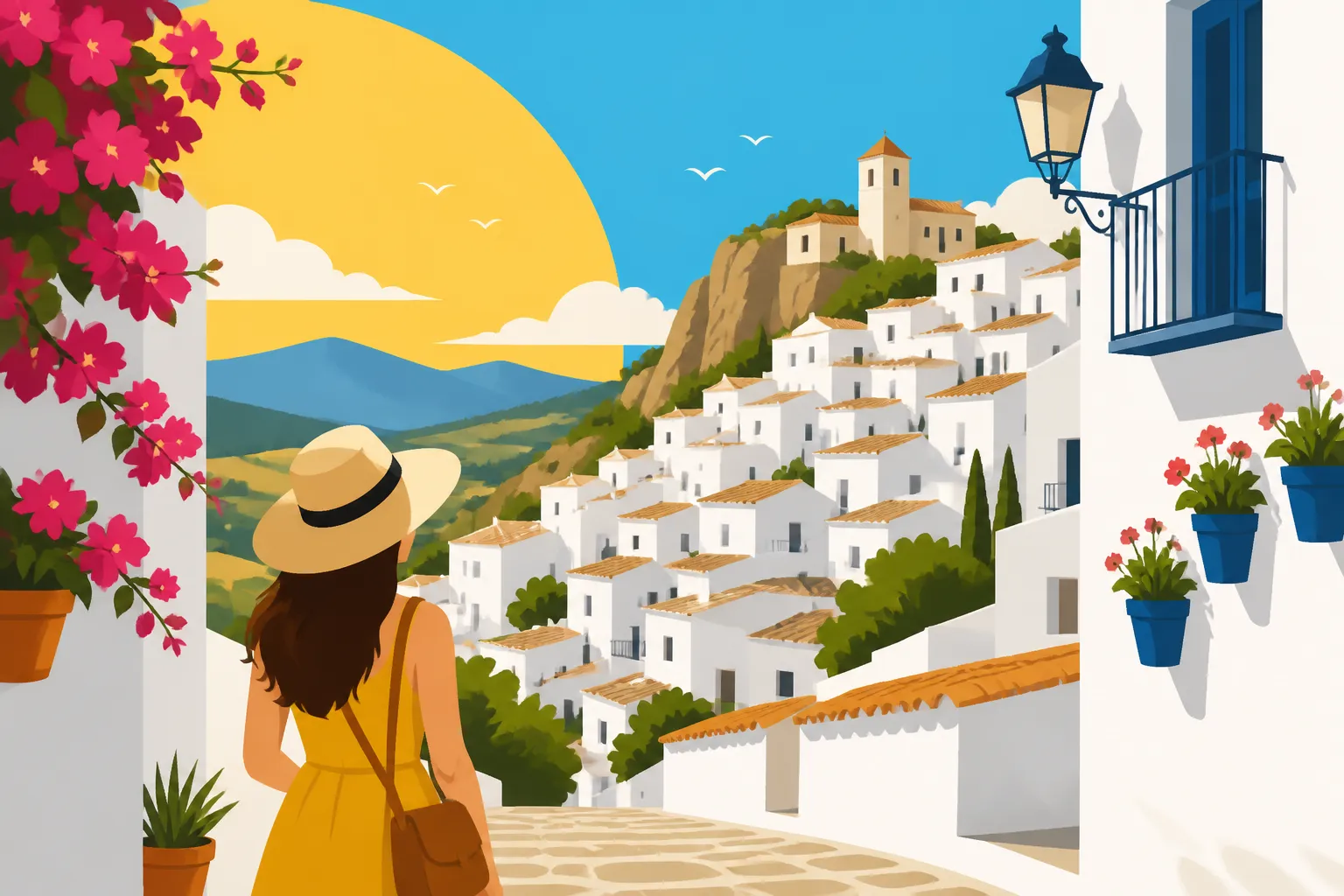
The white villages, or Pueblos Blancos, are more than just a picturesque backdrop for social media; they are a living testament to Spain's complex history. Most of these settlements are scattered across the Sierra de Cádiz and northern Málaga provinces. Their origins are deeply rooted in the Moorish era, particularly between the 9th and 15th centuries when the Al-Andalus frontier shifted constantly. These villages were built on high ground for defense, a necessity when the Christian Reconquista was pushing south.
The architecture you see today—narrow, winding streets that seemingly lead nowhere—was designed specifically to confuse invaders and provide shade during the brutal Andalusian summers. When I first moved here, I spent half my time getting lost in these "dead ends," only to realize they were intentional labyrinths designed for survival. The layout keeps the interior of the village cool by trapping sea breezes and blocking direct sunlight, a primitive but effective form of climate control that still works today.
The Moorish Roots of the White Villages
When you walk through a village like Zahara de la Sierra, the Berber influence is unmistakable. The urban planning follows the "medina" style, where privacy and defense were prioritized over the wide, grand boulevards found in northern Europe. The names themselves often carry this history; many villages include "de la Frontera" in their titles, indicating they once stood on the volatile border between Christian and Muslim territories.
As an expat living in this region, you begin to notice that the Moorish influence isn't just in the stones, but in the lifestyle. The way water is managed through ancient irrigation channels (acequias) and the prominent placement of fountains in the village squares are direct hangovers from this era. This historical layer is what makes a visit so much more than just a scenic drive; it is a walk through the very marrow of Spanish identity.
Why Are They Painted White
There is a common misconception that the villages have always been white for purely aesthetic reasons. Historically, the lime wash (cal) was used because of its antibacterial properties. During times of plague or disease, coating the houses in lime helped disinfect the community. Over time, residents realized that the brilliant white also reflected the intense sun, keeping the thick stone walls much cooler during July and August.
In modern times, maintaining this look has become a matter of local law and pride. Many of these villages are protected as sites of historical interest, and residents are often required to repaint their facades annually to maintain the uniform look. Seeing a local elderly man perched on a wooden ladder with a bucket of lime is one of those quintessential Spanish moments that reminds you how much tradition still dictates daily life here.
Planning Your Route Through the Sierra de Cádiz
The most common mistake visitors make is trying to see five or six villages in a single day. The roads in the Sierra are not the high-speed highways you find near the coast. They are twisty, steep, and often occupied by mountain goats or slow-moving tractors. To truly appreciate the region, you need to pick a base and branch out slowly.
If you are coming from the coast, you might find that Traveling Around Spain: Trains, Buses, Flights, and Car Hire is your first hurdle. While the AVE reaches nearby cities, the heart of the Pueblos Blancos requires a more personal touch. It is wise to start starting with the "gateway" villages and moving deeper into the mountains as your confidence grows.
The Classic Route Starting in Arcos de la Frontera
Arcos de la Frontera is often called the most spectacular of all the white villages. It sits precariously on a limestone ridge, with the Guadalete river winding far below. It is the perfect starting point because it offers a mix of accessibility and that "precipice" feel. The Plaza del Cabildo is the heart of the village, but be warned: driving into this plaza is a test of nerves.
Once you’ve explored the Gothic and Baroque churches of Arcos, the route naturally flows toward El Bosque and Benamahoma. These villages serve as the entrance to the Grazalema Natural Park. Unlike the clifftop drama of Arcos, these towns are nestled in lush greenery, offering a completely different perspective on the Andalusian landscape. You can use tools like Booking.com to find unique stays in converted mills or traditional townhouses in this area.
Deep Into the Mountains Grazalema and Zahara de la Sierra
Grazalema is the crown jewel for many. It is surprisingly one of the rainiest places in Spain, which results in a stunningly green microclimate. The village itself is impeccably maintained, with cobblestone streets and wrought-iron balconies overflowing with geraniums. If you are a hiker, this is your sanctuary. The Pinsapar forest nearby contains rare Spanish fir trees that survived from the last ice age.
Zahara de la Sierra, on the other hand, is all about the views. It overlooks a turquoise reservoir (embalse) and is topped by a 13th-century Moorish castle tower. The climb to the top is steep, but looking out over the water toward the surrounding olive groves is a memory you won't soon forget. It’s the kind of place where you should plan to spend a long afternoon doing absolutely nothing but sitting in a café.
Logistics Getting Around the White Villages
Transportation is the single biggest barrier for expats and tourists alike. The regional bus system exists, but it operates on "mountain time." If a bus is scheduled for 10:00 AM, it might arrive at 10:15, or the driver might have decided to take a longer coffee break. For those without a car, using a platform like Omio can help you compare the few bus routes that connect larger hubs like Ronda to the smaller villages.
However, to see the best spots, you really do need four wheels. But not just any four wheels—rent the smallest car you can comfortably fit in. In these villages, "small" is a survival trait. Navigating a Ford Focus through a street designed for a donkey is stressful enough; doing it in a luxury SUV is a nightmare.
Driving the Mountain Passes The Brave Option
Driving in the Sierra is an experience in itself. The roads are generally well-paved, but they are narrow and feature hair-raising drop-offs. The pass between Grazalema and Zahara (Puerto de las Palomas) is famous for its zig-zags and breathtaking views. If you are prone to motion sickness, bring your remedies.
A vital tip from my years here: always keep your fuel tank at least half full. Gas stations are few and far between once you get deep into the park. Also, be prepared for "Spanish parking." If you see a car double-parked blocking a street, don't honk aggressively. Usually, the owner is just grabbing bread and will be back in thirty seconds. Patience is a prerequisite for driving in the Pueblos Blancos. For more details on the paperwork side of things, check out Renting a Car in Spain: Requirements, Insurance, and Driving Tips.
Using Public Transport and Guided Tours
If the idea of mountain driving makes your palms sweat, don't despair. There are alternatives. Many people choose to base themselves in Ronda, which has better connections, and take day trips. You can find excellent organized excursions through GetYourGuide that handle the driving for you, allowing you to stare out the window at the scenery instead of clutching the steering wheel in terror.
The bus company Los Amarillos (now part of the Damas group) serves many of the villages from Seville, Málaga, or Jerez. However, the schedules are often designed for locals going to school or work, meaning you might arrive in a village at 8:00 AM and not have a return bus until 6:00 PM. This is actually a blessing in disguise; it forces you to slow down and live at the local pace. If you are planning a trip using the rails to get to the region first, High-Speed Trains in Spain (AVE): Routes, Booking, and Savings is an essential read.
Where to Stay and How to Settle In
Staying overnight in a white village is a completely different experience than visiting for a few hours. Once the day-trippers leave around 5:00 PM, the villages return to their residents. The silence is profound, broken only by the sound of a distant goat bell or a neighbor calling out a greeting.
Choosing the right accommodation is key. You won't find many large international hotel chains here. Instead, you'll find "casas rurales" (country houses) and small boutique hotels. Many of these are hundreds of years old, featuring thick stone walls that keep the rooms naturally cool, even without air conditioning.
Authentic Accommodations in the Hills
For a truly memorable stay, look for "Hoteles con Encanto" (Charming Hotels). These are often renovated convents, manor houses, or even old olive oil mills. In Arcos de la Frontera, there are several manor houses converted into hotels that offer private terraces overlooking the cliff. Using Booking.com is usually the most reliable way to find these, as they often have the most up-to-date photos and reviews from other expats.
If you are staying longer-term or traveling as a family, renting a full house (casa completa) is the way to go. This allows you to visit the local "frutería" and "carnicería" and try your hand at cooking with local ingredients. There is nothing quite like sitting on your own white-washed patio with a glass of local wine as the sun sets behind the mountains. If you're a retiree looking at this area, you might want to look into Healthcare for Retirees in Spain: Cover, Costs, and Practical Steps to see how local services measure up.
The Rhythm of Life Siestas and Local Markets
The "siesta" is not a myth in the white villages; it is a law of nature. Between 2:00 PM and 5:00 PM, almost everything will close. The streets will empty, and even the birds seem to stop singing. If you arrive at 3:00 PM expecting to shop or find a sit-down meal, you will be disappointed. Plan your day around this. Do your sightseeing in the morning, have a long lunch, and then rest.
Market days are the highlight of the week. Each village has its own day when the "mercadillo" comes to town, selling everything from giant wheels of Manchego cheese to sturdy work boots. This is where you see the community in action. It’s loud, it’s chaotic, and it’s the best place to practice your Spanish. For more on the local lifestyle, see Spanish Customs, Etiquette, and Social Life.
Comparison of Key White Villages
| Village Name | Best Known For | Difficulty of Access | Suggested Stay |
|---|---|---|---|
| Arcos de la Frontera | Dramatic clifftop views | Moderate (Steep streets) | 1-2 Nights |
| Grazalema | Hiking and nature | Hard (Mountain passes) | 2-3 Nights |
| Zahara de la Sierra | Castle and reservoir views | Moderate (Uphill walking) | Day Trip or 1 Night |
| Setenil de las Bodegas | Houses built into rock | Easy (Low elevation) | Day Trip |
| Olvera | Stunning fortress silhouette | Easy (Good roads) | Day Trip |
| Casares | Near the coast, very vertical | Easy to reach, hard to walk | Day Trip |
Cultural Etiquette and Hidden Gems
The people of the Sierra, known as "Serranos," are incredibly proud and generally very welcoming, provided you respect their pace of life. A simple "Hola" or "Buenos días" when entering a shop or passing someone on a narrow path goes a long way. They are used to tourists, but they appreciate those who try to blend in rather than demand "city speed" service.
One of the best hidden gems is Setenil de las Bodegas. While it is technically a white village, it is unique because many of the houses are built directly into the overhanging rock cliffs. Walking down the "Calle de las Cuevas" (Street of the Caves) feels like being in a fantasy novel. It’s a great place to stop for lunch because the rock provides natural insulation, making the outdoor terraces comfortable even on the hottest days.
Dining Like a Local in the Sierras
The food in the Pueblos Blancos is hearty, mountain fare. This is the land of "pork and honey." You must try the "Ibérico" products—the pigs are raised in the surrounding oak forests, feeding on acorns. In Grazalema, the local goat cheese (Payoyo) is award-winning and should be paired with a glass of Sherry from nearby Jerez.
When dining, remember that "tapas" are often served at the bar, while "raciones" (large plates) are for sitting at a table. Don't be afraid to ask for the "sugerencia del día" (suggestion of the day). Often, the best dishes aren't even on the printed menu; they are whatever the chef found fresh at the market that morning. For a deeper dive into dining norms, see Spanish Tapas Culture: How to Order and Where to Go.
Exploring Beyond the Main Squares
To find the true soul of a village, you have to leave the main tourist plaza. Follow the sound of children playing or the scent of a wood-fired bakery. Many villages have "lavaderos"—old communal laundry basins where women used to gather to wash clothes and gossip. While they aren't used for laundry much anymore, they remain important social hubs.
I also recommend looking for the local "Ermitas" (small chapels) located just outside the village limits. They usually offer the best panoramic views and are the destination for local "romerías" (religious processions). These walks provide a sense of the connection between the people and the land that you just don't get from a car window. If you're traveling with little ones, Family Travel in Spain: Kid-Friendly Cities and Activities offers more tips on making these treks enjoyable for everyone.
Essential Tips for Expats and Long-Term Visitors
If you are considering moving to this region or staying for an extended period, you need to be prepared for the bureaucracy and the seasonal shifts. Winters in the mountains can be surprisingly cold and damp. Most old houses don't have central heating, relying instead on fireplaces or "estufas" (heaters).
Also, the "padrón" or local registry is vital if you want to access services. Even in a tiny village, you’ll need to navigate the "Ayuntamiento" (City Hall). My advice is to find a local "gestor" who knows everyone in town; it will save you months of frustration. For those starting their journey, Moving to Spain in 2027: Step-by-Step Immigration Checklist is a great place to begin.
Staying connected is also easier than it used to be. Most white villages now have fiber-optic internet, making them popular spots for digital nomads who want to trade city noise for mountain air. You can usually pick up a local SIM card easily, as detailed in How to Get a Spanish SIM Card and Mobile Plan as a New Arrival. Just don't expect 5G in the middle of a hiking trail!
Finally, embrace the local festivals. Every village has its "Feria" or "Fiesta Mayor." These are multi-day celebrations with dancing, horses, and plenty of food. They are the best way to feel like part of the community. To plan your visit around these events, check out Festivals, Fiestas, and Public Holidays in Spain.
Disclaimer
The information provided in this guide is for general informational purposes only. While every effort is made to ensure the accuracy of the details regarding travel, logistics, and cultural norms in Spain, schedules, prices, and local regulations are subject to change. Always verify specific travel requirements and safety information with official local authorities or your service providers before your trip.