Is It Too Hot to Visit Southern Spain in August?
Deciding whether to brave Southern Spain in August is a dilemma every seasoned traveler eventually faces, usually while staring at a weather app showing a terrifying 42°C in Seville. This guide tackles the brutal reality of the Andalusian "oven" season, helping you decide if you can handle the heat and providing the survival strategies I’ve learned from years of living through these scorching summers.
Disclosure: This post may contain affiliate links. We may earn a commission at no extra cost to you if you make a purchase through these links. Read full disclosure.
The Reality of the Southern Spanish Climate in August
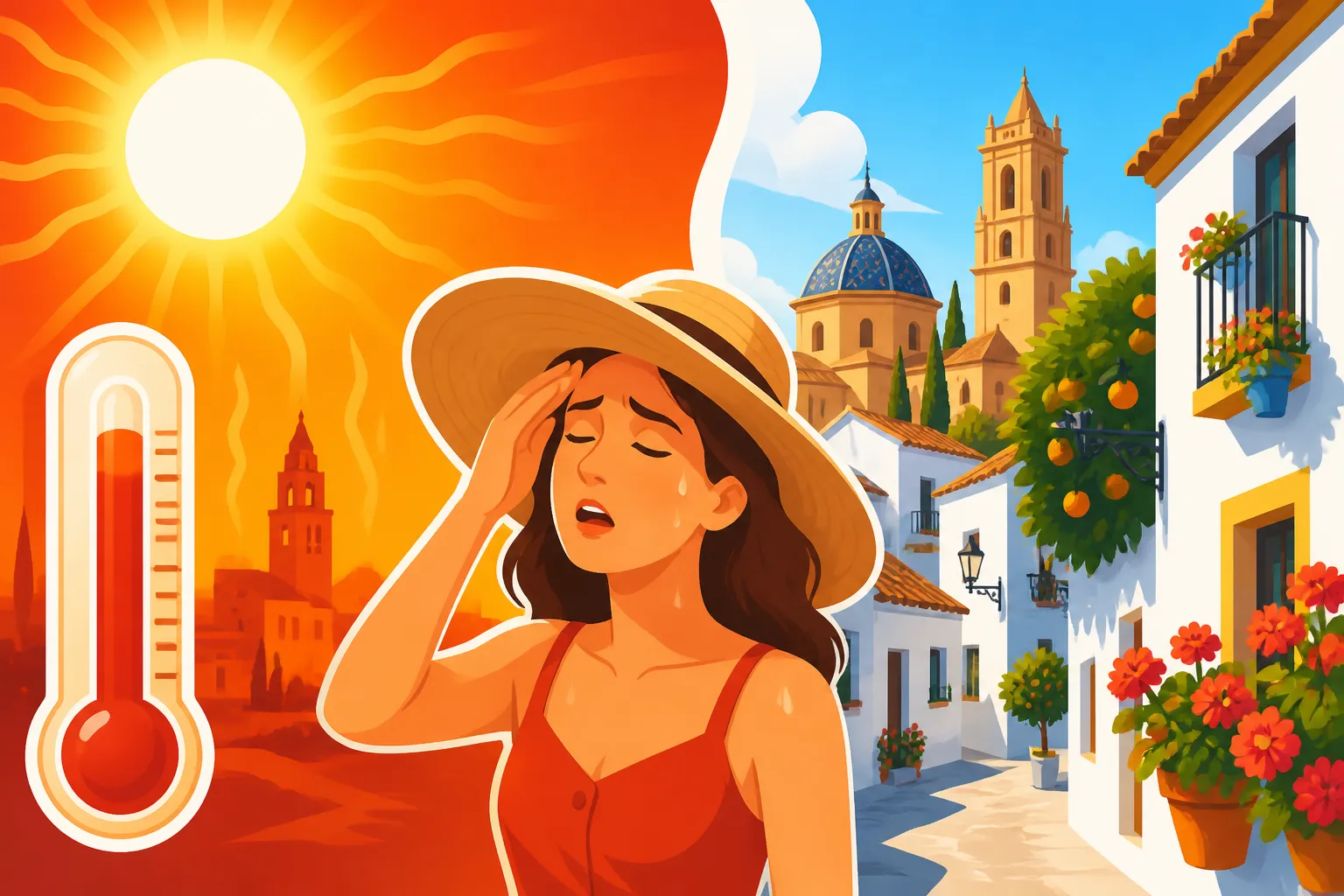
When people ask me if it is "too hot" to visit places like Seville, Córdoba, or Granada in August, my honest answer is: it depends on your definition of a vacation. In the interior of Andalusia, the heat isn't just a weather condition; it is a physical presence that dictates every movement you make. It is a dry, relentless heat that can feel like someone is holding a hairdryer to your face for twelve hours straight. For those who aren't used to it, the first few days can be a genuine shock to the system.
The geographical layout of Southern Spain means that "the South" isn't a monolith. Inland cities like Córdoba are often referred to as the "Sartén de España" or the frying pan of Spain. Here, temperatures regularly soar past 40°C (104°F) by mid-afternoon. However, if you move toward the coast, such as the Costa del Sol or the beaches of Cádiz, the Mediterranean or Atlantic breezes provide a much-needed reprieve. While still hot, the coastal humidity makes the experience entirely different from the bone-dry heat of the Guadalquivir Valley.
It is also important to understand the phenomenon of the calima. This is a weather event where dust from the Sahara Desert is blown across the Mediterranean, creating a hazy, orange-tinted sky and trapping the heat even further. During a calima, the air can feel thick and difficult to breathe. If you are planning to visit during this time, checking for Heatstroke vs Dehydration: Prevention Tips for Spain Summers becomes more than just a suggestion—it becomes a necessity for your physical well-being.
Navigating the Southern Lifestyle and Logistics
If you do choose to visit during August, you must be prepared to change your lifestyle completely. You cannot visit Southern Spain in the summer and expect to follow a standard 9-to-5 tourist itinerary. From roughly 2:00 PM to 8:00 PM, the streets in cities like Seville effectively empty out. This isn't because the locals are lazy; it’s because being outside during these hours is genuinely dangerous. The local culture has adapted over centuries to include the siesta, a mandatory period of rest during the peak thermal hours.
Planning your travel between cities requires careful timing. Walking to a train station with heavy luggage at 3:00 PM is a recipe for disaster. It is wise to use a reliable platform like Omio to book your intercity travel in advance, specifically looking for the high-speed AVE trains which have excellent air conditioning. If you are trying to figure out How to Plan a Week in Southern Spain Without a Car, make sure your transit segments are scheduled for the early morning or late evening. The air-conditioned comfort of a modern train or bus is often the only place you’ll find relief during a cross-region journey.
Once the sun finally begins to dip below the horizon around 9:00 PM, the cities undergo a magical transformation. The squares fill with families, children play in the fountains, and the terraces become packed with people enjoying cold drinks. This shift in rhythm is essential to understand. You will find that What Time Do Spaniards Eat Lunch and Dinner? is significantly later than in Northern Europe or the US, simply because nobody wants to eat a heavy meal while the sun is still punishing the earth.
| City | Average High in August | Humidity Level | Best Time for Sightseeing |
|---|---|---|---|
| Seville | 36°C – 42°C | Very Low (Dry) | 8:00 AM – 11:00 AM |
| Málaga | 30°C – 34°C | High (Coastal) | 9:00 AM – 12:00 PM |
| Granada | 34°C – 38°C | Low | 7:00 AM – 10:00 AM |
| Almería | 31°C – 35°C | Medium | 6:00 PM – Sunset |
Strategic Sightseeing and Activity Planning
To enjoy Southern Spain in August, you have to become a "shadow hunter." This means planning your outdoor activities for the very early morning and spending your afternoons in air-conditioned museums or shaded patios. For example, if you are visiting the Alhambra in Granada, you absolutely must book the earliest possible morning slot. Trying to climb the steep hills of the Albayzín at noon will leave you exhausted and potentially ill.
Many tourists find that the best way to see the sights without melting is to book guided evening tours. Using a service like GetYourGuide can help you find night-time walking tours or "after-dark" monument entries that aren't widely advertised. This allows you to see the history of the region without the oppressive sun. While exploring, you should also keep a list of phrases from an Ordering Food and Drinks in Spanish: A Practical Phrasebook handy, specifically so you can ask for "agua con hielo" (water with ice) or find the nearest shaded café.
Don't forget that the heat also affects your appetite. August is the perfect time to explore Regional Spanish Dishes Every Visitor Should Try, specifically the cold soups like Gazpacho and Salmorejo. These are designed to hydrate you and cool your internal temperature. If you find yourself feeling overwhelmed by the sun at any point, don't hesitate to duck into a local bar. Understanding Spanish Bar and Café Etiquette for Newcomers will help you feel comfortable taking a long, slow break in the shade with a cold beverage until the peak heat passes.
Accommodation and Health Essentials
Where you stay in August is perhaps the most critical decision of your trip. In many parts of the world, air conditioning is a luxury; in Southern Spain in August, it is a survival requirement. When searching on Booking.com, I tell everyone to filter strictly for "Air Conditioning" and "Swimming Pool." Do not trust a listing that says "well-ventilated" or "traditional thick walls"—those walls eventually heat up, and by the third day of a heatwave, a traditional house without AC becomes a kiln.
You should also check the specific policies regarding Is Air Conditioning Worth It in Spain? Cost and Comfort Guide to understand how local systems work. Some older hotels or Airbnbs may have timers or restricted hours for their cooling systems to save on electricity costs. Always confirm that you have full control over the temperature in your room before finalizing your booking. A poor night's sleep in a stuffy room will ruin your ability to enjoy the limited hours of cool morning air the next day.
Lastly, pay close attention to your body's signals. The combination of intense UV rays and high temperatures can lead to sunstroke very quickly. Refer to Sun Safety in Spain: UV Index Basics and Habits to understand why you need to apply high-SPF sunscreen even if you are just walking between shops. If you do find yourself feeling dizzy or nauseated, you need to know How to Handle Medical Emergencies If You Don’t Speak Spanish. Most pharmacies (Farmacias) in the South are very experienced in treating minor heat-related issues and can provide rehydration salts that are much more effective than plain water.
The Verdict: Is It Worth It?
So, is it too hot? For some, yes. If you have a medical condition aggravated by heat, or if you hate the idea of being "stuck" indoors for six hours a day, August in Andalusia will feel like a prison. However, for those who can embrace the late-night culture, the siesta rhythm, and the beauty of a city illuminated by moonlight rather than a punishing sun, it can be a deeply rewarding experience.
The benefit of visiting in August is the sheer vibrancy of the nightlife and the fact that the coastal areas are in full "summer mode" with festivals and chiringuitos (beach bars) operating at their peak. Just remember to pack light, breathable linens, drink twice as much water as you think you need, and never, ever underestimate the power of the Spanish sun.
Disclaimer
The information provided in this guide is based on personal experience and general climate data for Southern Spain. Weather patterns can vary significantly, and heatwaves can occur unexpectedly. Always check local weather forecasts and health advisories during your trip. This content is for informational purposes and does not constitute medical or professional travel advice. Use reputable booking platforms like Omio, GetYourGuide, and Booking.com to ensure secure transactions and reliable service.