Slow Travel in Spain: Staying Longer in One Place
Most travelers treat Spain like a frantic scavenger hunt, trying to "do" five cities in ten days while spending half their budget on train tickets and the other half on stress. When I first moved to Valencia, I spent my first two weeks running around like a headless chicken before I realized I was missing the very soul of the country. This guide solves the burnout of traditional tourism by showing you how to embrace slow travel, stay longer in one place, and actually experience the rhythm of Spanish life.
Disclosure: This post may contain affiliate links. We may earn a commission at no extra cost to you if you make a purchase through these links. Read full disclosure.
The Philosophy of Slow Travel in Spain
Slow travel isn’t just about staying in a city for two weeks instead of two days; it is a fundamental shift in how you perceive your surroundings. In a country where the "mañana" culture is often misunderstood as laziness, slow travel is your ticket to understanding that it is actually about prioritization. It is about choosing a morning at a local market over a three-hour queue at a famous monument. When you stop rushing, the country begins to open up to you in ways a guidebook never could.
Redefining the Spanish Experience
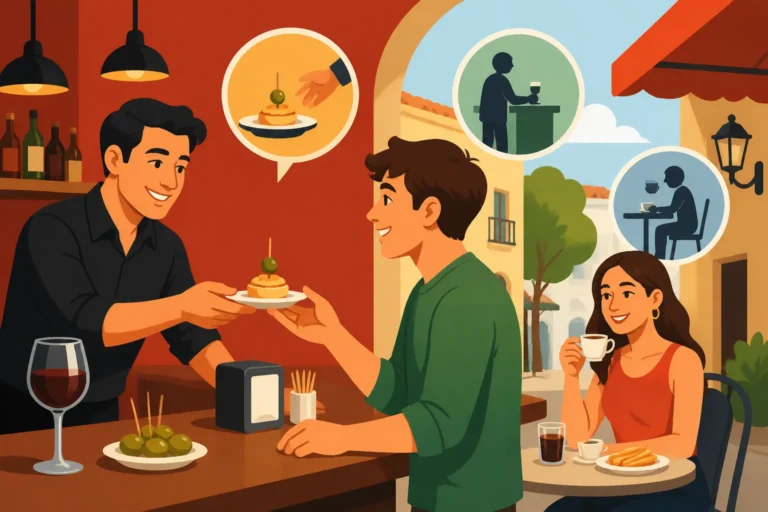
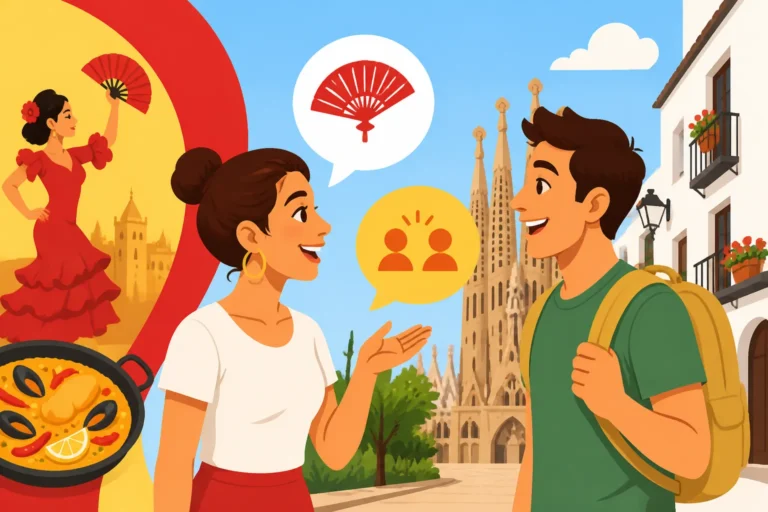
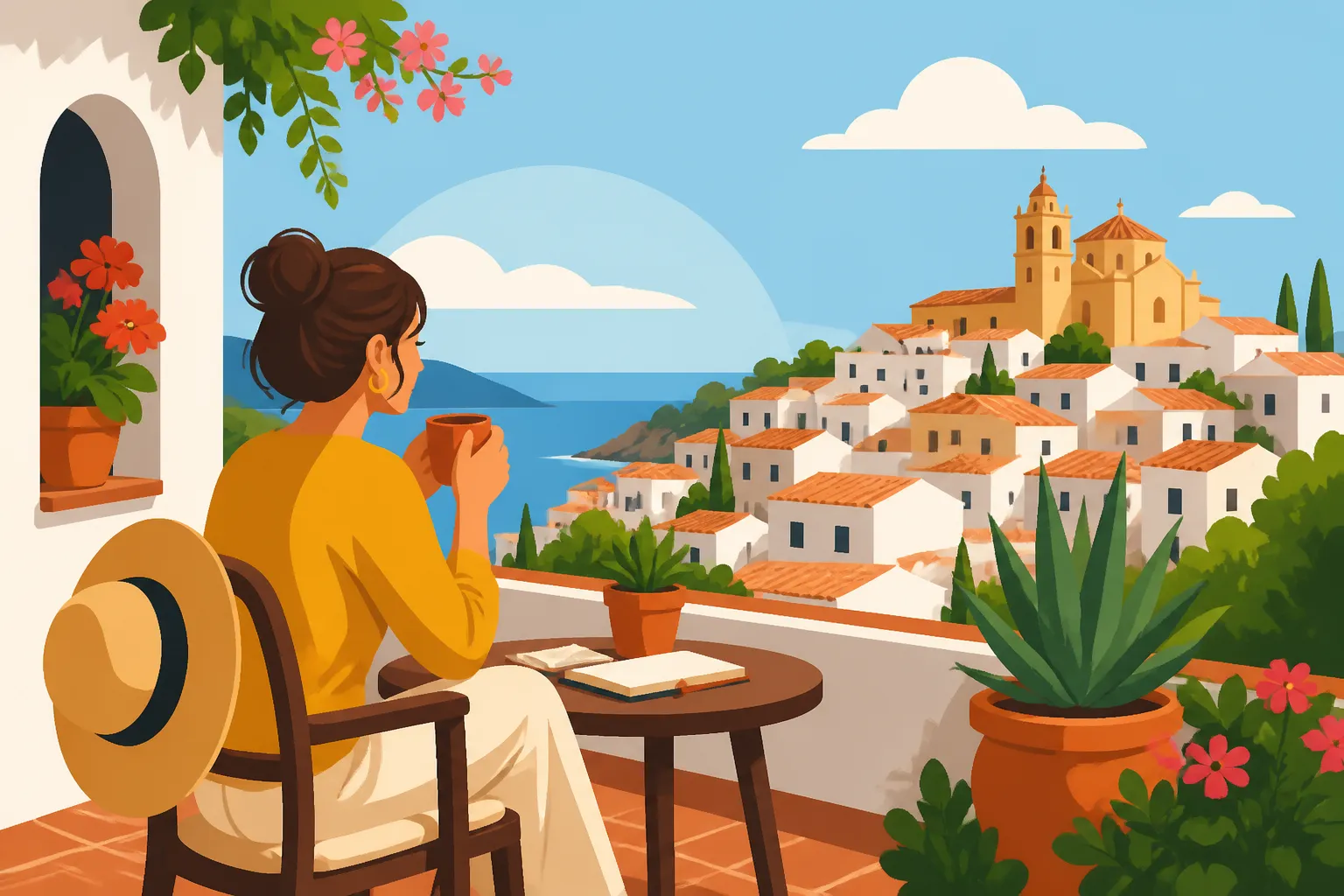
For many, the Spanish experience is a blur of flamenco shows and pitchers of overpriced sangria. But when you stay longer, you start to notice the smaller, more profound details. You’ll begin to recognize the elderly man who sits on the same green bench every afternoon at 4:00 PM to watch the world go by. You’ll learn which bakery has the best caracolas and which bartender will give you a free tapa without you having to ask.
Living this way allows you to move beyond the superficial. Instead of just seeing the sights, you are experiencing the Spanish Customs, Etiquette, and Social Life that define the local identity. You transition from being a spectator to a temporary neighbor. I’ve found that my best memories in Spain didn't happen in front of a cathedral, but during a three-hour sobremesa (the art of long conversation after a meal) with people I met at a neighborhood association meeting.
Escaping the Tourist Checklist Fatigue
The "Checklist Fatigue" is a real phenomenon in Spanish tourism. You feel a self-imposed pressure to see the Prado in Madrid, the Alhambra in Granada, and the Sagrada Família in Barcelona all in one go. By the time you reach the third city, every church looks the same and your feet are covered in blisters. Slow travel gives you the permission to say "no" to the must-sees.
When you stay in one place for an extended period, you can visit the major sites on a random Tuesday morning when the crowds are thin. The rest of your time is spent exploring the "nothingness" that makes Spain beautiful—the quiet plazas, the hidden gardens, and the narrow side streets. If you need help finding these deeper experiences, platforms like GetYourGuide can be great for finding specialized local workshops, such as pottery in Triana or secret garden tours, that aren't advertised on the main tourist boards.
The Economic and Mental Benefits
From a purely practical standpoint, moving less saves you a fortune. Travel costs in Spain can add up quickly, especially if you are booking last-minute high-speed trains. By staying put, you eliminate the constant drain of transit fees. You also gain the ability to cook for yourself using fresh ingredients from the local mercado, which is significantly cheaper and healthier than eating every meal at a restaurant.
Mentally, the benefits are even greater. There is a specific kind of anxiety that comes with constantly packing and unpacking a suitcase. When you have a "base," you can settle in. You can leave your toothbrush in the holder and your clothes in a drawer. This stability allows your brain to actually switch into "vacation mode" or, if you're a digital nomad, into a productive work-life balance. I’ve found that my stress levels plummeted once I stopped checking How to Plan Airport Transfers in Spanish Cities every three days and started focusing on which neighborhood park was best for reading.
Choosing the Right Base for Your Stay
Selecting where you will spend your extended stay is the most critical decision you will make. Spain is not a monolith; each region has its own language, climate, and social "vibe." A month in the rainy, green hills of Galicia will feel worlds apart from a month in the sun-drenched, bustling streets of Seville. You need to align your personal preferences with the regional reality.
Regional Differences in Pace and Lifestyle
If you are looking for a high-energy environment with endless cultural activities, Madrid or Barcelona are obvious choices. However, for a true slow travel experience, many veterans prefer "second-tier" cities. Cities like Málaga, Zaragoza, or Las Palmas offer all the amenities of a metropolis but with a more manageable pace and lower costs.
In the south, the pace is dictated by the sun. Life happens late at night because the afternoons are too hot for anything but a nap. In the north, life is more structured around the outdoors and gastronomy. Before you commit, it’s worth reading up on Spain's Regions and Where to Go: A Traveler's Overview to see which climate and culture match your soul. I personally spent a month in a small town in Asturias and found that the slower pace of the "Green Spain" allowed me to focus on hiking and writing in a way the Mediterranean coast never did.
Assessing Infrastructure: Connectivity and Services
When you stay in one place for a while, the "boring" stuff becomes very important. You need to know if the city has a good public transport system, a reliable healthcare network, and—if you’re working—fast internet. Spain has some of the best fiber-optic coverage in Europe, but in very rural "pueblos," you might still struggle with a decent signal.
Check the proximity of your potential base to major transport hubs. Even as a slow traveler, you might want the occasional weekend getaway. Using Omio to check how well-connected a city is by train or bus can save you a lot of headache later. A city like Córdoba is fantastic because it’s a quiet, beautiful base, but it’s also on the high-speed rail line, making it easy to visit other parts of Andalusia without the stress of a permanent move.
Urban vs. Rural Slow Travel
The choice between a city and a village will define your social life. In a city like Valencia, you have the anonymity of a local, but you also have access to expat meetups and language exchanges. In a rural village, you will be noticed immediately. This can be intimidating, but it is also the fastest way to integrate. Within a week, the lady at the fruit shop will know your name and your life story.
Rural slow travel requires a car, whereas urban slow travel is perfectly doable (and often better) on foot or by bike. If you choose the rural route, make sure you understand the logistics of Renting a Car in Spain: Requirements, Insurance, and Driving Tips. If you choose the city, focus on finding a neighborhood that feels like a village within the metropolis—places like Gràcia in Barcelona or Chamberí in Madrid.
Practical Logistics for Extended Stays
Once you’ve picked a city, the administrative and logistical work begins. This is where most people get tripped up by the infamous Spanish bureaucracy. Even for a temporary stay, understanding how the local systems work will prevent your "slow" experience from becoming a "slow-motion disaster."
Finding the Perfect Long-Term Home
For a stay of one to three months, you are in a bit of a "grey zone." Standard rental contracts are usually for a year, and tourist apartments are expensive. Your best bet is to look for "seasonal rentals" (alquiler de temporada). Websites like Booking.com are increasingly offering monthly discounts for stays over 28 days, which can be a lifesaver because they include all utilities and high-speed Wi-Fi in the price.
When choosing a place, look for a kitchen that is actually functional. Many tourist rentals have a "kitchenette" that is fine for making toast but impossible for cooking a full meal. Since you’ll be staying longer, check the noise levels of the street. A beautiful apartment over a busy tapas bar might be charming for two nights, but by night fifteen of hearing beer crates being moved at 2:00 AM, you’ll be ready to move. Refer to Checklist: What to Inspect Before Signing a Lease in Spain to ensure you don’t overlook the essentials.
Navigating Local Transport and Neighborhoods
The first thing I do when I arrive in a new Spanish city for a long stay is buy the local transport card. Every major city has one, and they offer significant discounts over buying individual tickets. In Madrid, it's the Tarjeta Multi; in Valencia, it's the Tuín card. These cards often cover buses, metros, and sometimes even the local bike-share programs.
Understanding the layout of your neighborhood is equally important. Spend your first three days just walking. Find your nearest farmacia de guardia (24-hour pharmacy), your local library, and the best supermarket. Don't just stick to the big chains like Mercadona; find the independent fruterías and carnicerías. Not only is the quality often better, but these are the places where you will make your first local connections. If you find yourself in a larger city, you might want to consult a guide on Getting Around Spanish Cities: Metro, Bus, Tram, and Bikes to master the local lines.
Managing Daily Admin as a Temporary Resident
If you are staying longer than three months, or if you are working remotely, you might find yourself needing to interact with the local government. While a tourist stay doesn't usually require much paperwork, knowing the basics of Spanish Bureaucracy for Daily Life: Padrón, IDs, and Local Services is helpful.
For instance, knowing how to handle your mail is vital. If you’re expecting packages from home, learn How to Use Correos in Spain: Mail, Parcels, and Pickups. Spanish couriers are notoriously finicky; if you aren't home, they often won't leave the package at your door. They’ll take it to a local "Punto Pack" or the post office. Having a local SIM card with a Spanish phone number is also essential for receiving delivery notifications and booking doctor appointments if needed.
Immersing Yourself in Local Culture and Community
The true magic of slow travel happens when you stop being a "visitor" and start participating in the local culture. This requires a level of proactive engagement that most tourists never bother with. It means stepping out of your comfort zone and embracing the local schedule, even if it feels "wrong" at first.
Mastering the Daily Rhythm (The Siesta and Beyond)
The biggest hurdle for newcomers is the Spanish clock. Everything happens later. If you try to eat dinner at 6:30 PM, you will be eating alone in a restaurant that is likely only open for tourists. To live like a local, you must adapt. This means a light breakfast, a large lunch around 2:00 PM, a merienda (afternoon snack) at 6:00 PM, and dinner no earlier than 9:00 PM.
And then there is the "Siesta." While people in big cities don't always sleep in the afternoon anymore, the "siesta hours" (between 2:00 PM and 5:00 PM) are still a time when many small shops close and the streets go quiet. Instead of fighting it, embrace it. Use that time to read, nap, or do your grocery shopping at the big supermarkets that stay open. Understanding the Spanish Meal Times and Dining Etiquette Explained will help you navigate social invitations without looking like a confused outsider.
Building a Local Social Circle
One of the best ways to feel at home is to find a "third place"—somewhere that isn't your home or your work. In Spain, this is almost always a local bar or café. If you go to the same place every morning for your café con leche, the staff will eventually start to recognize you. This is the first step toward community.
Don't be afraid to join local groups. Look for "Intercambios de Idiomas" (language exchanges) where you can practice your Spanish with locals who want to practice their English. Or, look for hobby groups—hiking clubs, photography meetups, or even neighborhood cooking classes found on GetYourGuide. For more tips on this, check out Making Friends in Spain: Clubs, Meetups, and Language Exchanges.
Language Learning through Integration
You don't need to be fluent to travel slowly, but you do need to try. Even a simple "Buenos días" or "Hasta luego" goes a long way. When you stay in one place, you have the luxury of time to attend a local language school. Many cities have "Escuelas Oficiales de Idiomas" or private academies that offer intensive courses for a month.
Use your daily errands as practice. Instead of using the self-checkout at the supermarket, go to the cashier. Ask the butcher for a specific cut of meat. These micro-interactions build your confidence. If you're serious about it, look into Learning Spanish for Work and Study: Fast‑Track Strategy to accelerate your progress. You’ll find that as your language skills improve, the "wall" between you and the local community begins to disappear.
Planning Your "Slow" Itinerary
Slow travel doesn't mean you never leave your apartment. It means that when you do leave, your trips are focused and intentional. Instead of trying to see the whole country, you focus on seeing the whole region.
The One-Region-at-a-Time Strategy
If your base is in Seville, don't try to visit Barcelona for a weekend. It’s too far and too stressful. Instead, focus on Western Andalusia. Visit the white villages (pueblos blancos), take a day trip to the Roman ruins of Itálica, or spend a weekend in the sherry triangle of Jerez. This allows you to understand the context of where you are living.
You can use Omio to find regional bus and train routes that the big travel sites might miss. Often, the best gems are reached by a slow regional train rather than a high-speed one. By staying within a 2-hour radius of your base, you maintain that sense of stability while still satisfying your curiosity. A great resource for this is Day Trips and Weekend Getaways Across Spain.
Day Trips and Micro-Adventures
The beauty of having a base is that you can decide to go on an adventure at a moment's notice. Is the weather particularly nice today? Hop on a bus to a nearby hiking trail. Did you hear about a local food festival in a neighboring village? Go check it out. These "micro-adventures" are often more rewarding than major tourist attractions because they feel like your own personal discoveries.
I always keep a small backpack ready with the essentials: a water bottle, a battery pack, and a light jacket. This way, if I see an interesting bus destination while I’m out for my morning coffee, I can just go. If you want more structured ideas, Best Day Trips From Madrid by Train or similar guides for other cities can provide a perfect starting point for these spontaneous excursions.
Slow Travel vs. Fast Travel Comparison
| Feature | Fast Travel (The "Scavenger Hunt") | Slow Travel (The "Resident") |
|---|---|---|
| Accommodation | Hotels / Short-term hostels | Seasonal rentals / Apartments |
| Dining | Restaurants every meal | Mixing local markets with dining out |
| Transport | Frequent flights and long-distance trains | Local buses, walking, and biking |
| Cost | High (transit and convenience fees) | Low (bulk discounts and home cooking) |
| Social | Brief chats with other tourists | Friendships with local shopkeepers |
| Stress | High (schedules and packing) | Low (routines and relaxation) |
| Learning | Surface-level facts from plaques | Deep cultural and linguistic immersion |
Disclaimer
The information provided in this guide is based on personal experience and current travel trends in Spain as of 2026. While every effort has been made to ensure accuracy, local regulations, prices, and services can change. Always verify specific details, such as visa requirements or transport schedules, with official sources before making travel arrangements. Slow travel requires flexibility; please approach your journey with an open mind and a sense of adventure.