Regional Fiestas in Spain: Local Celebrations Worth Catching
Walking into a Spanish fiesta for the first time is like being hit by a wall of sensory overload—noise, smoke, and a crowd that doesn’t seem to sleep. I once spent three hours trying to find a bathroom in Seville during the Feria, wondering if I’d made a massive mistake moving here. This guide solves that confusion, helping you navigate the chaotic, beautiful world of regional celebrations.
Disclosure: This post may contain affiliate links. We may earn a commission at no extra cost to you if you make a purchase through these links. Read full disclosure.
Navigating the Cultural Landscape of Spanish Fiestas
To understand Spain, you have to understand its festivals. These aren't just "events" listed on a tourist brochure; they are the heartbeat of local identity. When I first arrived, I assumed a fiesta was just a party. I quickly learned it’s a complex tapestry of religious tradition, historical reenactment, and community bonding that can shut down an entire city for a week. If you are planning to attend, you need to be aware of how Festivals, Fiestas, and Public Holidays in Spain dictate the rhythm of life. Businesses close, buses change routes, and the "siesta" often disappears in favor of 24-hour revelry.
The Difference Between National and Regional Holidays
One of the most frustrating things for a newcomer is showing up at a supermarket only to find it shuttered because of a saint you’ve never heard of. Spain has national holidays, but the regional ones are where the true character of the country emerges. Each of the 17 autonomous communities has its own calendar. For instance, while Madrid might be business-as-usual, Barcelona could be celebrating Sant Jordi.
You must check Spanish Public Holidays: How They Affect Travel and Opening Hours before making any major plans. Regional fiestas often mean that even if the banks are open in the next province over, your local town is essentially in "fiesta mode," meaning nothing administrative will get done. I’ve had many residency appointments delayed because I didn't realize a local "bridge" holiday (puente) was in effect.
Why Punctuality is a Myth During Fiestas
If a program says the "procession starts at 8:00 PM," do not expect it to move a muscle until 8:45 PM. In Spain, the "start time" is more of a polite suggestion for when people should start thinking about leaving their houses. This can be infuriating if you are used to Northern European or American precision. However, during a fiesta, the streets are so packed that moving a hundred meters can take twenty minutes.
Embrace the "slow" flow. The real magic often happens in the "interim" moments—the spontaneous guitar playing in a side street or the shared bottle of wine with a stranger while waiting for a parade. To truly enjoy these moments, you need to understand Spanish Customs, Etiquette, and Social Life so you don't accidentally offend your hosts by being too pushy or impatient.
The Role of the 'Peña' and Local Associations
Most regional fiestas are organized by peñas or cofradías. These are local clubs or brotherhoods that spend the entire year preparing for the festival. As a foreigner, you might feel like you’re watching from the outside of an inner circle. In cities like Pamplona or Valencia, these groups have their own private tents or clubhouses.
While some are private, many are welcoming if you show genuine interest. I found that learning a few key phrases and showing respect for the local history opened doors I didn't know existed. It’s also worth looking into Making Friends in Spain as a Foreigner: Social Tips to help you bridge that gap between being a spectator and feeling like part of the community.
Spring Awakening: The Intensity of Andalusia and Beyond
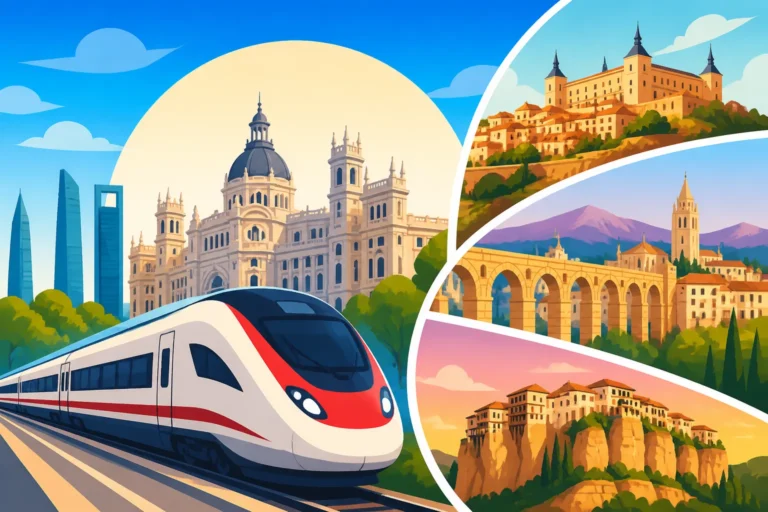
Spring in Spain is arguably the most intense festival season. The air smells of orange blossoms and incense, and the entire southern half of the country seems to vibrate with anticipation. If you’re planning to visit during this time, using platforms like Omio to book your trains early is essential, as seats on the AVE sell out weeks in advance.
Semana Santa: The Soul of Seville
Holy Week, or Semana Santa, is a spectacle that defies description. It is not a "parade"; it is a series of somber, deeply religious processions featuring massive "pasos" (flores-adorned floats) carried by "costaleros" who navigate narrow streets with incredible precision. The hooded "nazarenos" can look startling to those unfamiliar with the history, but they represent penance, not anything sinister.
I remember standing in the dark in a narrow alley in Seville at 3:00 AM, the only sound being the rhythmic thumping of the float-bearers' feet and the haunting "saeta" (a traditional religious song) sung from a balcony above. It was one of the most moving experiences of my life. To navigate this, you’ll need a plan for How to Plan Travel Around Spanish Public Holidays because the city center becomes a labyrinth of blocked streets and redirected traffic.
Feria de Abril: The Celebration of Life
Just two weeks after the solemnity of Semana Santa, Seville transforms into the Feria de Abril. This is the Spain of your imagination: women in tiered "trajes de gitana," men on horseback, and rows upon rows of "casetas" (striped tents). Most of these tents are private, which can be a letdown for tourists. However, there are public tents where anyone can go to drink "rebujito" (sherry mixed with lime soda) and dance "sevillanas."
The energy is infectious, but the heat can be brutal. I highly recommend checking out Spanish Food and Drink: A Practical Culture Guide to understand what to order so you don't end up with a massive hangover in the 30-degree sun. If you want a more structured experience, you can find guided "Feria tours" on GetYourGuide that can help you access some of the more "local-only" vibes without the awkwardness of trying to crash a private party.
Las Fallas de Valencia: Art and Fire
In March, Valencia becomes a literal construction site for giant, satirical paper-mâché statues known as "fallas." These are true works of art, often costing hundreds of thousands of euros, only to be burned to the ground on the final night (La Cremà). The noise is constant—Valencians love gunpowder, and the daily "Mascletà" (a rhythmic firework display at 2:00 PM) is loud enough to shake the teeth in your head.
Living through Fallas is an endurance test. You need to be prepared for the noise, the smoke, and the sheer volume of people. It’s a great time to learn about Staying Healthy in Spain: Preventive Care, Vaccines, and Wellness because the combination of late nights and heavy crowds can easily lead to "fiesta flu."
Summer Madness: Fire, Water, and Food Fights
Summer is when the fiestas move outdoors and get significantly more eccentric. As the temperature rises, the traditions get wetter and wilder. This is the peak season for tourism, so it is wise to check Booking.com at least six months out for any of these major dates.
San Juan: The Night of Fire
On the night of June 23rd, the entire Spanish coastline ignites. San Juan marks the summer solstice, and the tradition involves building massive bonfires on the beach. Legend says that if you jump over a bonfire three times, your soul is purified, and if you wash your face in the sea at midnight, you’ll stay beautiful for the year.
In places like Alicante, this is a multi-day event with statues similar to Valencia's Fallas. In smaller towns, it’s a more intimate family affair with BBQ and music. I’ve spent San Juans in both big cities and tiny villages, and the feeling of community as thousands of people rush into the dark Mediterranean at midnight is unparalleled. If you are traveling between coastal towns for this, Traveling Around Spain: Trains, Buses, Flights, and Car Hire will be your best friend for navigating the specialized holiday schedules.
La Tomatina: Survival of the Reddest
In the small town of Buñol, on the last Wednesday of August, the world’s biggest food fight takes place. Thousands of people gather to throw 150 tons of overripe tomatoes at each other for exactly one hour. It is messy, acidic, and surprisingly exhausting.
My best "I've-been-there" tip? Wear goggles and clothes you are prepared to throw away. The tomato acid will ruin your shoes and turn your white t-shirt pink forever. Also, make sure you have your logistics sorted. Most people stay in Valencia and take the train in. Using Omio to book your transport from Valencia to Buñol is a smart move, as the local Cercanías trains get incredibly overwhelmed. For more on the specifics of these types of events, check the Festivals, Fiestas, and Public Holidays in Spain guide.
San Fermín: More Than Just the Bulls
Pamplona’s San Fermín (The Running of the Bulls) is world-famous, mostly thanks to Ernest Hemingway. Every morning at 8:00 AM, six bulls are released to run through the cobbled streets toward the bullring. It is incredibly dangerous and not something I would ever recommend doing yourself unless you are an experienced runner.
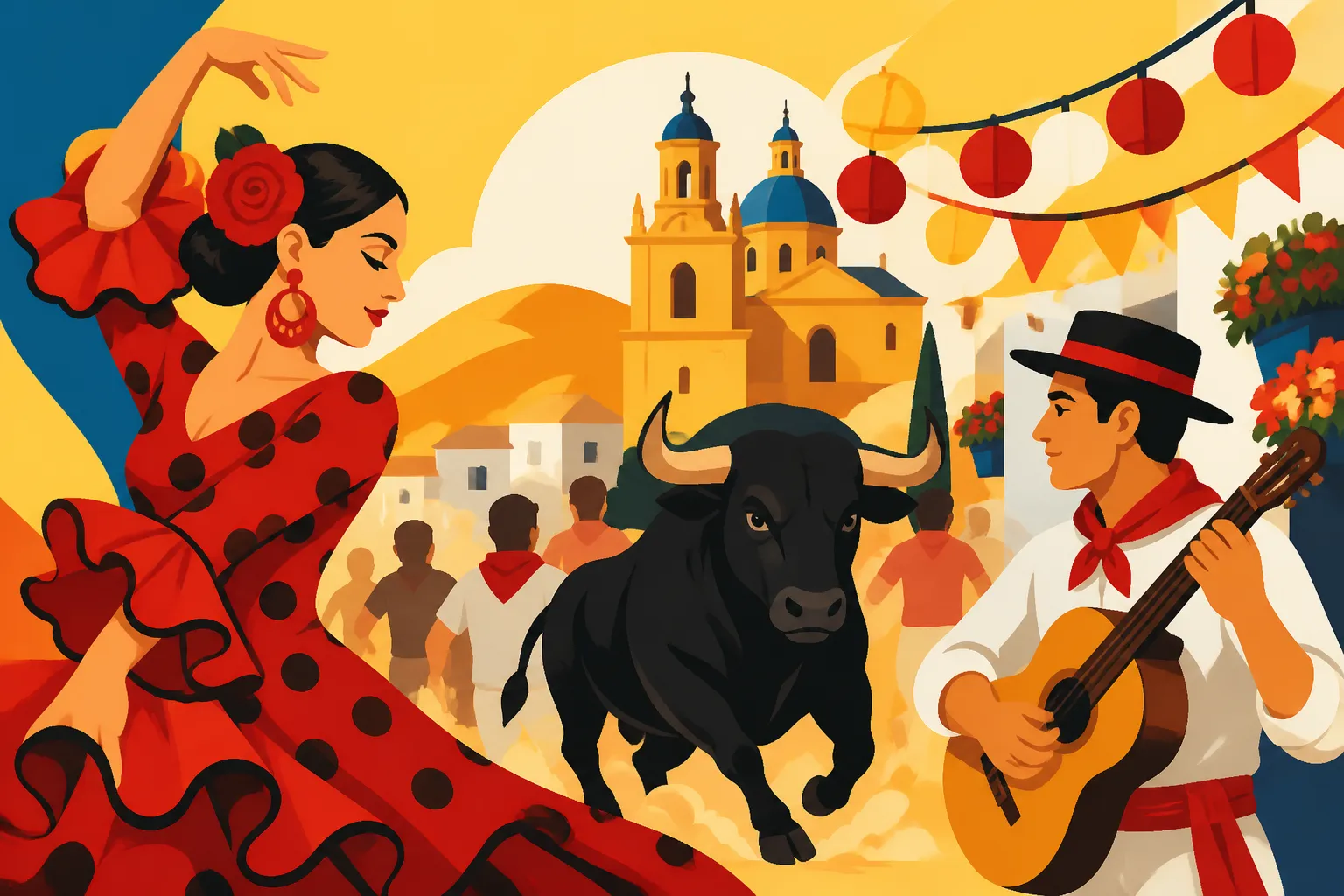
However, the "encierro" (the run) is only about three minutes of the day. The rest of the time, Pamplona is a sea of white and red, with non-stop music, dancing, and giant "gigantes" (large puppets) parading through the streets. If you want to watch the run safely, you can book a balcony spot through GetYourGuide, which gives you a bird's-eye view without the risk of being trampled.
Fall and Winter Traditions: Harvests and Magic Kings
As the heat fades, the festivals take on a more communal, harvest-focused tone. This is my favorite time to travel through Spain because the crowds are thinner, but the spirit of celebration remains just as strong.
La Rioja Wine Harvest Festival
In late September, Logroño celebrates San Mateo, which coincides with the grape harvest. This is heaven for food and wine lovers. There is a tradition of "treading the grapes" in the town square, and the city’s famous Calle Laurel becomes an endless parade of pinchos and local Rioja wine.
It’s a more "adult" festival compared to the madness of Summer, but no less fun. You’ll want to brush up on Spanish Food and Drink: A Practical Culture Guide so you can navigate the complex world of Spanish wine regions while you’re there. The hospitality in the north is legendary, and you’ll likely find yourself invited to a private wine cellar (bodega) if you play your cards right.
The Magic of Three Kings Day
While most of the world is packing away Christmas decorations on January 2nd, Spain is just getting started. January 5th is the night of the "Cabalgata de Reyes" (Three Kings Parade). Melchior, Caspar, and Balthazar arrive in every town—sometimes by boat, sometimes by helicopter, sometimes by camel—to throw tons of candy to waiting children.
This is arguably the most important family holiday in Spain. On the morning of January 6th, children open their presents, and families eat "Roscón de Reyes" (a ring-shaped cake with a hidden toy and a bean). If you find the toy, you are king for the day; if you find the bean, you pay for the cake. Understanding Spanish Customs, Etiquette, and Social Life is key here, as this is a day for family gatherings and long, multicourse lunches.
Planning Your Fiesta Calendar
To help you decide which celebration fits your travel style, I’ve put together a quick reference table of the "heavy hitters" and what to expect.
| Festival Name | Location | Month | Vibe |
|---|---|---|---|
| Las Fallas | Valencia | March | Explosive, artistic, loud |
| Semana Santa | Seville / Málaga | April (varies) | Somber, religious, beautiful |
| Feria de Abril | Seville | April (varies) | Elegant, festive, traditional |
| San Juan | Coastal Spain | June | Romantic, fire-focused, beachy |
| San Fermín | Pamplona | July | High-energy, chaotic, iconic |
| La Tomatina | Buñol | August | Messy, hilarious, youthful |
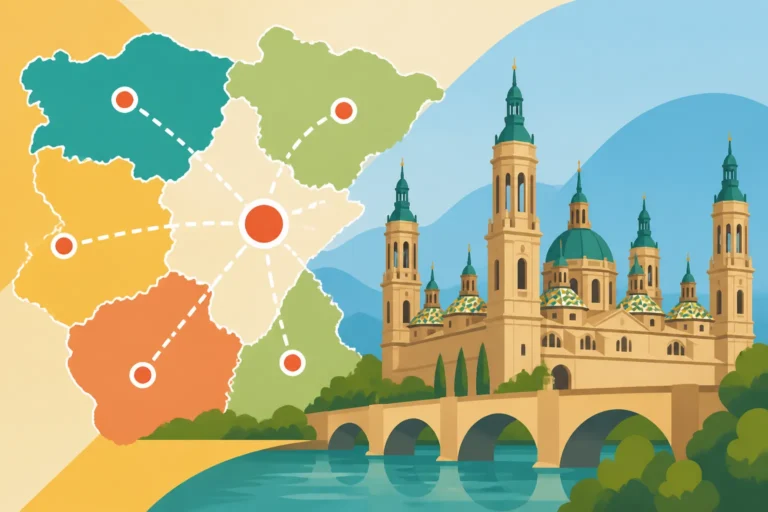
| Fiestas del Pilar | Zaragoza | October | Cultural, massive, floral |
| Los Reyes Magos | Nationwide | January | Family-oriented, magical |
Logistics: Navigating Crowds, Transport, and Sanity
If there is one thing I’ve learned from a decade of living in Spain, it’s that you cannot "wing it" during a major fiesta. The bureaucracy and infrastructure simply aren't designed to handle the sudden influx of a million people into a town of fifty thousand.
Getting There and Moving Around
Transport is your biggest hurdle. During a fiesta, local roads are often closed to private cars. Don't be me. Use High-Speed Trains in Spain (AVE): Routes, Booking, and Savings to get between major cities, and then rely on local buses or "Cercanías" trains.
For booking these, Omio is fantastic because it compares trains, buses, and flights in one go, which is vital when one mode of transport is completely blocked. Also, remember that during these times, "standard" schedules go out the window. Always double-check the local "Ayuntamiento" (Town Hall) website for the special "horario de fiestas."
Where to Sleep (And Why You Should Book Early)
I cannot stress this enough: for events like the Feria de Abril or San Fermín, hotels are often booked out a year in advance. If you look on Booking.com two months before the event, you will either find nothing or prices that are five times the normal rate.
If you are on a budget, look for accommodation in neighboring towns and use the local train network. For example, staying in Jerez de la Frontera is a viable alternative during Seville’s big weeks. Just make sure you understand Traveling Around Spain: Trains, Buses, Flights, and Car Hire so you don't get stranded after the last train leaves at midnight.
Safety and Practical Tips
Spain is generally very safe, but festivals are a magnet for pickpockets. When you are in a crowd of thousands of people watching fireworks, your attention is not on your wallet. I always use a crossbody bag with a zipper and keep it in front of me.
For more specific advice, read Staying Safe in Spain: Practical Safety Tips for New Residents. Another pro-tip: always carry cash. While Spain is becoming very digital, many small stalls selling "churros" or "cañas" in the middle of a crowded plaza will only take coins. It saves you the frustration of waiting in a 20-minute line only to be told "solo efectivo" at the front.
Regional Fiestas in Spain Disclaimer
This guide provides cultural and travel information for educational purposes only. Festival dates, local laws, and travel conditions in Spain are subject to change by municipal and regional authorities. While we strive for accuracy, always verify specific event details and safety regulations with local official sources or the relevant "Ayuntamiento" before traveling. Participation in certain festivals, such as the Running of the Bulls or La Tomatina, carries inherent physical risks; travelers should exercise personal discretion and ensure they have adequate insurance coverage.