National Parks in Spain Worth Visiting
You move to Spain for the sun, the lifestyle, and the tapas, but eventually, the concrete of Madrid or the humidity of the Mediterranean coast starts to feel a bit suffocating. I remember my first summer here, feeling like I was trapped in a beautiful but very hot urban oven, desperately craving a forest that didn't feel like a tourist trap. This guide solves that "nature-starvation" by revealing Spain’s most stunning National Parks, offering you a realistic roadmap to the wild heart of the Iberian Peninsula and its islands.
Disclosure: This post may contain affiliate links. We may earn a commission at no extra cost to you if you make a purchase through these links. Read full disclosure.
Exploring the Soul of Spain Beyond the Beaches
When people think of Spain, they usually picture the golden sands of the Costa del Sol or the architectural marvels of Barcelona. However, as a long-term resident, I’ve learned that the true soul of this country is often found where the pavement ends. Spain is actually the second most mountainous country in Europe, a fact that surprises almost every newcomer. The "Red de Parques Nacionales" (National Parks Network) consists of 16 protected areas that represent the incredible biodiversity of this territory, from Alpine peaks to volcanic craters and ancient laurel forests.
Understanding the National Park Status in Spain
In Spain, a "Parque Nacional" is the highest level of environmental protection. Unlike a "Parque Natural," which allows for more human activity and commercial exploitation, National Parks are strictly regulated. For us as visitors, this means more pristine views but also more rules to follow. You can't just pitch a tent anywhere, and in many cases, you need to book a "Cita Previa" (prior appointment) or a permit just to hike certain trails. Understanding this distinction is the first step to avoiding a hefty fine from the Seprona (the environmental wing of the Civil Guard).
The Geographical Diversity of the Network
The network is spread across the mainland, the Canary Islands, and the Balearic Islands. Each park offers a completely different climate and ecosystem. If you are living in the north, you have the lush, rainy limestone peaks of the Picos de Europa. If you are down south in Andalusia, you have the Sierra Nevada and the wetlands of Doñana. To get a better sense of where these fit into your travel plans, it's worth checking out Spain's Regions and Where to Go: A Traveler's Overview to see which parks align with the areas you are planning to visit.
High-Altitude Adventures: The Picos de Europa and Sierra Nevada
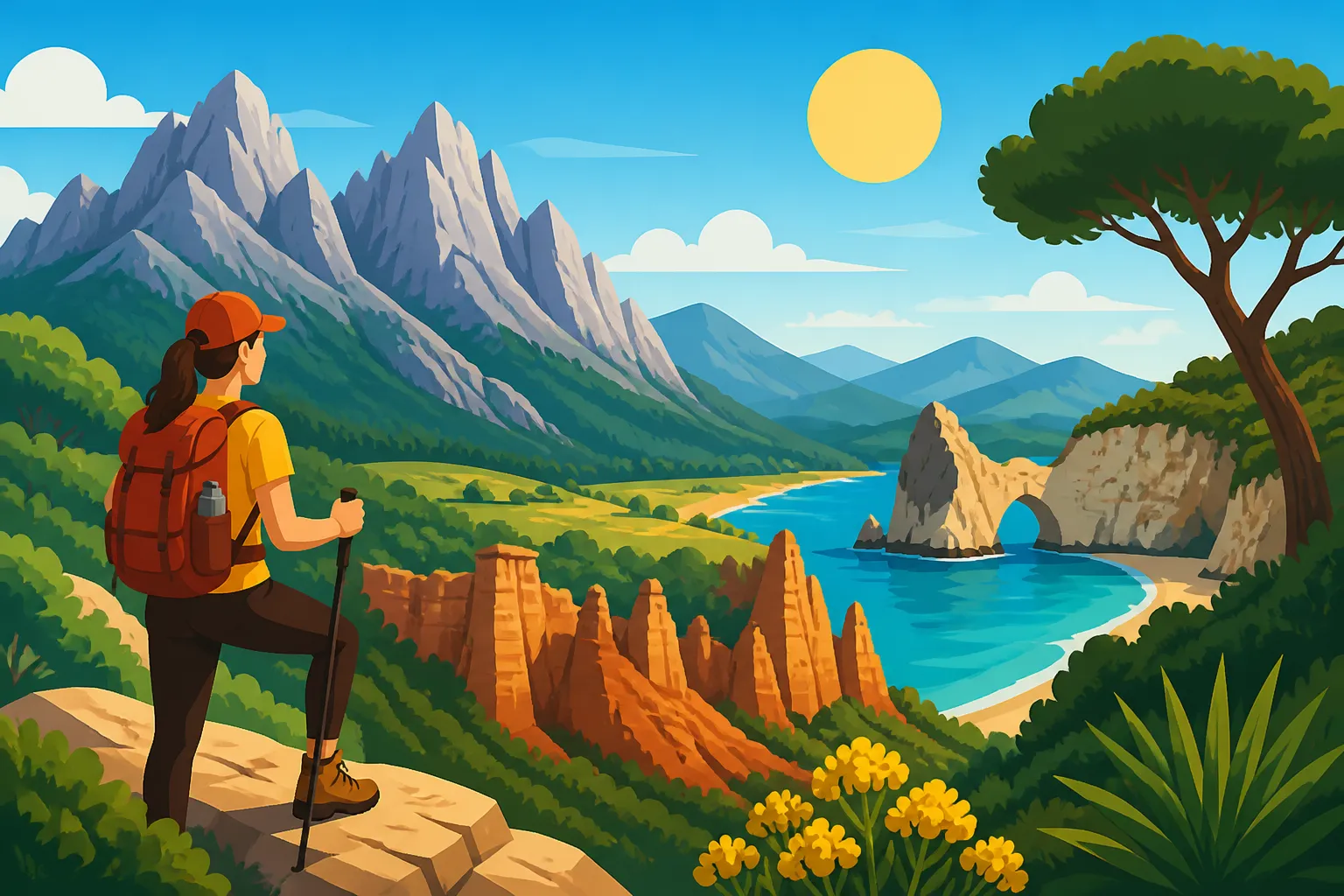
If you are a fan of dramatic peaks and crisp mountain air, Spain’s two major mountain National Parks are world-class. These are not just "big hills"; they are rugged, challenging terrains that require respect and preparation. I’ve spent countless weekends lost—sometimes literally—in these ranges, and the experience is always humbling.
Picos de Europa: The Original Giant
Located across Asturias, Cantabria, and Castilla y León, the Picos de Europa was Spain’s first-ever National Park. It is famous for its jagged limestone peaks that look almost silver under the Atlantic sun. For most expats and tourists, the gateway is the town of Potes or Cangas de Onís. If you aren't keen on a six-hour vertical hike, you can take the Fuente Dé cable car, which whisks you up 753 meters in just four minutes. Once at the top, the landscape feels like the moon.
Driving here is an adventure in itself. The roads are narrow, winding, and often shared with stubborn cows or goats who have no intention of moving. For those who prefer not to navigate these hair-raising turns themselves, you can often find bus connections through Omio to the larger nearby towns. When you are planning your stay, I highly recommend looking at Booking.com for rural "Casas Rurales" in the Liébana valley; staying in a traditional stone house is half the experience.
Sierra Nevada: Nature Above the Mediterranean
In the south, the Sierra Nevada National Park looms over the city of Granada. It contains the highest point in mainland Spain, Mulhacén, at 3,479 meters. The contrast here is mind-blowing; you can be skiing in the morning and having a mojito on the beach in Motril by the afternoon. This is a prime spot for Outdoor Adventures and Nature in Spain, offering everything from high-altitude trekking to world-class mountain biking.
The park is also home to unique flora and fauna that survived the last Ice Age. However, be warned: the sun at 3,000 meters in southern Spain is brutal. I once made the mistake of hiking near the Veleta peak in July without enough water, thinking the breeze would keep me cool. It didn't. Always check the weather forecast specifically for the mountains, as it can be 30 degrees in Granada city and snowing at the summit.
Volcanic Landscapes and Oceanic Gems: The Islands
Spain’s islands offer some of the most surreal National Park experiences in the world. These are not your typical "tropical" escapes; they are raw, volcanic, and ancient.
Teide National Park: A Martian Landscape
Teide, located on Tenerife, is the most visited National Park in Spain and for good reason. It is home to Mount Teide, the highest peak in Spanish territory. The park is a massive caldera filled with lava flows, craters, and unique rock formations like the Roque Cinchado. It honestly feels like you’ve been teleported to Mars.
One practical tip I always give friends: if you want to reach the very summit, you must apply for a permit months in advance. They only allow a small number of people up the final stretch each day to protect the site. If you miss the permit, you can still take the cable car to the upper station, but you won't be allowed to walk the final 200 meters to the crater. You can often find guided tours and "stargazing" experiences—which are incredible due to the low light pollution—on GetYourGuide. For more context on the islands, check out The Canary Islands: A Traveler's Overview.
Timanfaya and Garajonay: Fire and Fog
Lanzarote’s Timanfaya National Park is almost entirely volcanic. You can’t actually walk freely here because the ground is still geologically "active"—in some spots, the earth just a few centimeters down is hot enough to ignite brushwood. You have to take a guided bus tour through the "Lunar Route," which is included in the entry fee.
On the other hand, Garajonay on La Gomera is a lush, misty ancient forest. It’s a "laurisilva" (laurel forest) that looks like something out of a fairy tale. The fog rolls in from the Atlantic, trapped by the trees, creating a permanent damp, green sanctuary. It’s the polar opposite of the dry heat of the other islands and a must-see for hikers.
The Pyrenean Giants: Ordesa and Aigüestortes
The Pyrenees form a natural border between Spain and France, and they house two of the most spectacular parks in the system. If you like waterfalls, turquoise lakes, and deep glacial valleys, this is your playground.
Ordesa y Monte Perdido
Located in Huesca, this park is famous for the Ordesa Valley. The "Cola de Caballo" (Horsetail) waterfall hike is a rite of passage for anyone living in Spain. The valley is flanked by massive limestone walls that make you feel tiny. In the autumn, the colors are spectacular, with the beech trees turning fiery oranges and reds.
The logistics here can be tricky. During peak season (summer and Easter), private cars are banned from the main Ordesa parking lot to prevent overcrowding. You have to park in the town of Torla and take a shuttle bus. It’s a bit of a hassle, but it keeps the valley quiet. For more tips on navigating these kinds of mountain excursions, Hiking in Spain: Popular Trails and How to Prepare is a great resource.
Aigüestortes i Estany de Sant Maurici
This is Catalonia’s only National Park, and it is a water-lover’s dream. "Aigüestortes" translates to "winding waters," and the park is defined by its hundreds of glacial lakes and meandering streams. Unlike Ordesa, which is about grand valleys, Aigüestortes is about intimacy and alpine beauty. You can enter from either the Boí Valley (famous for its Romanesque churches) or the Espot side. To get deep into the park without a full day’s hike, you can use the official 4×4 taxi services that run from the entrance towns.
Wetlands and Birdwatching: Doñana and Monfragüe
Not all National Parks are about mountains. Some of Spain’s most ecologically important areas are its wetlands and scrublands, which serve as vital stopovers for birds migrating between Europe and Africa.
Doñana: A Critical Sanctuary
Spanning across Huelva, Seville, and Cádiz, Doñana is a mosaic of marshes, shifting sand dunes, and pine forests. It is arguably the most important wetland in Europe. It is also the last stronghold of the Iberian Lynx, the world's most endangered feline species.
Visiting Doñana is different from other parks. You can’t just drive through it. Most of the protected "core" is only accessible via organized tours in 4×4 vehicles. I recommend booking these through GetYourGuide or the official park concessionaires well in advance, especially in spring when the birdlife is most active. For those staying in Seville and looking for a break, this is one of the best Day Trips and Weekend Getaways Across Spain.
Monfragüe: The Vulture’s View
In the rugged heart of Extremadura lies Monfragüe. It is a haven for birdwatchers, specifically those looking for birds of prey. The "Salto del Gitano" is a famous rock face where you can stand with binoculars and see hundreds of Griffon vultures, Black vultures, and even the rare Spanish Imperial Eagle nesting in the cliffs. It’s a quiet, raw part of Spain that most tourists overlook, which makes it perfect for the expat looking to escape the crowds of Madrid, Barcelona, and Spain's Great Cities: Explorer's Guide.
Comparing the Top National Parks in Spain
To help you decide which park fits your current mood and fitness level, I’ve put together this quick reference table.
| National Park | Location (Region) | Primary Feature | Accessibility | Best Season |
|---|---|---|---|---|
| Picos de Europa | Asturias / Cantabria | Limestone Peaks | Moderate (Cable car available) | Summer / Early Autumn |
| Teide | Tenerife (Canaries) | Volcanic Peak | Easy (Roads to 2,000m) | Year-round |
| Ordesa | Aragon (Pyrenees) | Glacial Valleys | Moderate (Shuttle in summer) | Autumn |
| Doñana | Andalusia | Wetlands / Lynx | Difficult (Guided tours only) | Spring |
| Sierra Nevada | Andalusia | Alpine / Skiing | Easy (Near Granada) | Winter (Ski) / Summer (Hike) |
| Aigüestortes | Catalonia | Glacial Lakes | Moderate (4×4 Taxis) | Summer |
| Monfragüe | Extremadura | Birds of Prey | Easy (Good viewpoints) | Spring / Autumn |
Practical Logistics for the Nature-Bound Expat
Planning a trip to a Spanish National Park requires a bit more foresight than a weekend in Valencia. Here are the hard-earned lessons I’ve gathered over the years to ensure your trip doesn't end in a "No Entrada" sign.
Transportation and Access
While some parks are accessible by public transport, many are remote. If you are serious about exploring, you will likely need to look into Renting a Car in Spain: Requirements, Insurance, and Driving Tips. Having your own wheels allows you to reach the trailheads at sunrise before the heat and the crowds arrive.
For those who don't drive, your best bet is to use Regional and Local Trains in Spain (Cercanías and Media Distancia) to get to the nearest major city and then look for local "ALSA" buses that service the mountain villages. Omio is a fantastic tool for stitching these connections together in one go.
Timing and Weather
The "best" time to visit varies wildly. In the south, avoid July and August unless you are at very high altitudes. In the north, the Pyrenees and Picos de Europa can be inaccessible due to snow until late May. For a detailed breakdown of when to go where, take a look at When to Visit Each Spanish Region for the Best Weather.
Also, remember that many parks have daily visitor caps. For example, the Atlantic Islands of Galicia (Cíes Islands) require a specific entry permit that you must download from the Xunta de Galicia website before you even book your ferry ticket. If you turn up at the port without it, you aren't getting on that boat.
Packing the Essentials
Don't let the "Spain is hot" myth fool you. If you are heading to the Picos or the Pyrenees, you need layers. Some people try to hike in the Sierra Nevada in flip-flops—don't be that person. Even if you are just heading to the coast, check out How to Pack for a Beach Trip in Southern Spain for basics, but for the parks, prioritize sturdy boots, a reusable water bottle (tap water in the mountains is often excellent), and a physical map, as GPS can be spotty in deep canyons.
General Disclaimer
The information provided in this guide is for informational purposes only. While every effort has been made to ensure accuracy, regulations regarding National Park access, permit requirements, and seasonal closures in Spain change frequently. Always check the official website of the "Red de Parques Nacionales" or the specific park's visitor center before your trip. Environmental conditions in mountain and volcanic areas can be hazardous; always prioritize safety and local advice.