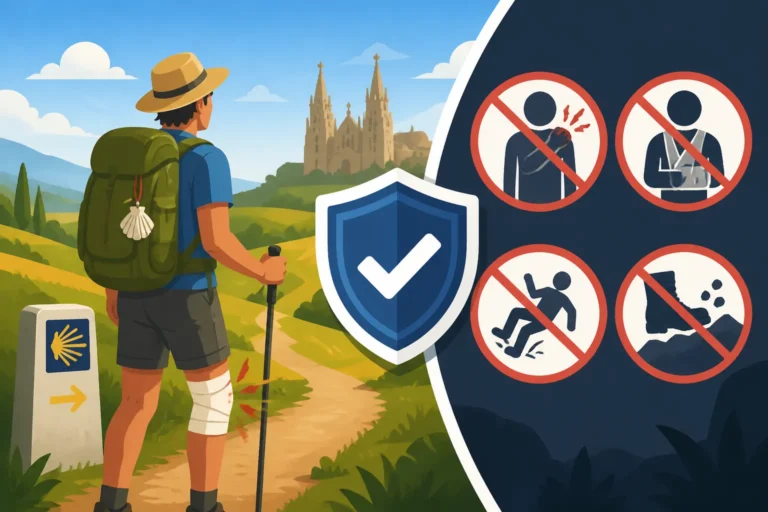
Do You Need Travel Insurance to Visit Spain?
Navigating the question of travel insurance for Spain often leaves visitors caught between conflicting advice about EU reciprocal agreements and mandatory visa requirements. This guide settles the debate by detailing exactly who is legally required to carry coverage, what the Spanish public healthcare system actually covers for foreigners, and why common risks like petty theft or transport disruptions make a policy essential for every traveler.
Disclosure: This post may contain affiliate links. We may earn a commission at no extra cost to you if you make a purchase through these links. Read full disclosure.
Understanding the Legal Requirements for Entry
When you are planning a trip to the Iberian Peninsula, the first hurdle isn't deciding between tapas or paella; it is understanding the legal fine print of the Ministry of Foreign Affairs. Whether you need insurance as a legal prerequisite depends entirely on your nationality and the type of entry you are using. For many, it is a choice; for others, the border guards will not let you pass without a printed certificate of coverage in hand.
Schengen Visa Applicants
If you are a citizen of a country that requires a Schengen Visa to enter Spain (such as India, China, or many nations in Africa and the Middle East), travel insurance is not a suggestion—it is a strict legal requirement. According to the Spain Schengen Rules: 90/180 Day Rule Explained for Spain, your insurance policy must meet specific criteria to be accepted by the consulate. The most critical requirement is a minimum coverage of 30,000 EUR for urgent medical expenses and repatriation.
Furthermore, the policy must be valid for the entire duration of your stay and across all member states of the Schengen Area. If your insurance document lacks a specific mention of "repatriation of remains" or has a high deductible, your visa application can be rejected on the spot. Many travelers have lost their visa fees simply because they bought a "budget" policy that didn't meet these technical specifications.
Visa-Free Visitors (USA, UK, Canada, Australia)
For those traveling from countries with visa-waiver agreements, such as the United States, Canada, or the United Kingdom, you are generally not asked to show proof of insurance at the airport. However, the legal landscape is shifting. With the upcoming implementation of ETIAS (European Travel Information and Authorisation System), there is an increasing emphasis on travelers being self-sufficient.
While a border agent at Barajas Airport might not demand your policy details, you are still legally responsible for any healthcare costs you incur. Without insurance, you are essentially "self-insuring," which can be a dangerous game in a foreign country. If you are planning a more permanent move, you should look into Private Health Insurance for Spain Visas: What Policies Must Include to see how requirements change when you transition from a tourist to a resident.
Residents and Long-Term Students
If you are entering Spain on a student visa or a non-lucrative visa, the insurance requirements are even more stringent. You typically cannot use standard "travel insurance" for these applications. Instead, you need a policy from a provider authorized to operate in Spain that offers coverage "equivalent to the Spanish National Health System," meaning no co-payments and no waiting periods.
For students, this often means proving you have a comprehensive plan before you even set foot in the embassy. This is a common point of frustration for expats who assume their home country's premium plan will suffice, only to find the Spanish bureaucracy requires a very specific type of local contract. Understanding Health Insurance in Spain: Options for Residents, Students, and Families is vital if your stay extends beyond a simple holiday.
The Reality of the Spanish Healthcare System for Visitors
There is a persistent myth that because Spain has a world-class public healthcare system, it is "free" for everyone who happens to be within its borders. While it is true that Spain will never deny you life-saving emergency care, they will certainly send you the bill afterward if you do not have the proper entitlements.
Public System (Seguridad Social) Accessibility
The Spanish public system, known as Seguridad Social, is funded by taxpayers. As a visitor, you do not have an automatic right to use this system for non-emergencies. If you walk into a Centro de Salud (local health clinic) with a minor ear infection or a persistent cough, the administrative staff will ask for your health card. If you cannot provide a Spanish card or a European Health Insurance Card (EHIC), you will be treated as a private patient.
In these cases, you will be expected to pay upfront or provide insurance details. While the costs are often lower than in the United States, they can still be a shock to the system. Knowing What to Expect at a Spanish Emergency Room (Urgencias) Visit can help you prepare for the administrative side of a medical crisis. You should also be aware that public doctors may not always speak fluent English, which adds another layer of stress to an already difficult situation.
Private Healthcare Costs for Out-of-Pocket Patients
Spain has a robust private healthcare sector, often utilized by tourists because the wait times are shorter and the facilities often feel more like hotels. However, without insurance, the costs in a private hospital in Marbella or Madrid can escalate quickly. A simple night of observation, a few diagnostic tests, and specialist consultations can easily run into thousands of euros.
If you find yourself in a situation where you need to see a specialist or get a prescription filled, you will likely be navigating this private side of the system. It is helpful to familiarize yourself with Spanish Emergency Phrases: How to Describe Symptoms Quickly to ensure you get the right care. Many travelers use Booking.com to find accommodation near major private hospitals if they have a family member undergoing a procedure, but the medical bills themselves are a separate, and often much larger, burden.
| Type of Coverage | Eligibility | Medical Coverage | Repatriation | Cost Profile |
|---|---|---|---|---|
| EHIC / GHIC | EU / UK Citizens | Public Hospitals Only | No | Free / Low |
| Travel Insurance | All Nationalities | Public & Private | Yes | Moderate |
| Visa-Specific Plan | Residency Seekers | Full Private Access | Yes | High |
| No Insurance | All Nationalities | Emergency Only (Billed) | No | Extremely High Risk |
Why Medical Coverage Is Only Half the Story
When people ask, "Do I need travel insurance for Spain?" they are usually thinking about broken legs or sudden illnesses. But as someone who has lived here through various airport strikes and the occasional "Spanglish" administrative mishap, I can tell you that the non-medical portions of a policy are often the most valuable.
Theft and Petty Crime in Major Cities
Spain is generally a very safe country, but it is notorious for highly skilled pickpockets in tourist hubs like Barcelona’s Las Ramblas or Madrid’s Puerta del Sol. If your high-end smartphone or designer sunglasses are snatched, a good travel insurance policy is your only hope for reimbursement. However, there is a catch: the Spanish police.
To make a claim, you must file a denuncia (police report) within 24 hours. Navigating a Spanish police station can be intimidating if you aren't prepared for the wait times. This is part of Staying Safe in Spain: Practical Safety Tips for New Residents, where we emphasize that insurance isn't just a safety net for your health, but a financial shield for your belongings. Many travelers find that the "theft" component of their insurance pays for itself after one unfortunate afternoon on the Metro.
Transport Disruptions and Strikes
Spain's transport network is fantastic—I personally use Omio to book almost all my train and bus travel between Seville and Valencia—but it is not immune to disruptions. Strikes (huelgas) by airline staff or train workers can happen, especially during the peak summer months. If your flight is canceled or your high-speed AVE train is delayed, travel insurance can cover the cost of a last-minute hotel or an alternative ticket.
Without insurance, you are at the mercy of the transport provider's refund policy, which can be agonizingly slow to process. Having a policy that includes "trip interruption" means you can book that emergency flight and worry about the paperwork later. If you are using platforms like Omio to piece together a complex itinerary, the peace of mind that comes with knowing your connections are insured is priceless.
Comparing Options for Different Travelers
Your insurance needs in Spain will look very different depending on where you are coming from and what you plan to do. A hiker planning to tackle the Caminito del Rey needs different protection than a retiree spending two weeks in a coastal villa.
European Citizens (EHIC and GHIC)
If you are an EU citizen, or a UK citizen holding a GHIC (Global Health Insurance Card), you have access to the Spain Healthcare System for Expats: Public vs Private on the same terms as a local. This is a massive advantage. It means you can visit a public doctor for the cost of… well, nothing at the point of service. However, the EHIC does not cover private clinics, mountain rescue, or the cost of flying you back home in a medical emergency.
Even with an EHIC, it is wise to get a basic travel insurance plan. If you book an excursion through GetYourGuide that involves adventure sports, your EHIC likely won't cover the specialized medical evacuation required if something goes wrong in the mountains.
Non-EU Travelers and Adventure Seekers
For Americans, Australians, and other non-EU visitors, the stakes are much higher. Your domestic health insurance (like Medicare in the US) almost never provides "primary" coverage in Spain. You might be able to claim back some costs when you return home, but you will still have to pay the Spanish hospital upfront.
If you are using GetYourGuide to book activities like scuba diving in the Medes Islands or canyoning in the Pyrenees, check the fine print of your insurance. Many standard policies exclude "high-risk" activities. You may need to add an adventure sports rider to ensure you aren't left with a five-figure bill for a helicopter rescue. For a deeper look at the costs, see How to Handle Medical Bills in Spain: Receipts, Claims, and Disputes.
Practical Tips for Using Your Insurance in Spain
Buying the policy is only the first step; knowing how to use it when things go sideways is what actually saves your holiday. Spanish bureaucracy is a real thing, and it doesn't pause for your emergency.
- Keep Digital and Physical Copies: Don't rely on your phone's battery. Keep a printed copy of your policy and the "International Assistance" phone number in your day bag.
- Call the Insurer First: Unless it is a life-threatening emergency (in which case, call 112 immediately), call your insurance provider's 24-hour hotline before seeking treatment. They often have "preferred" private hospitals where they can arrange "direct billing," meaning you won't have to pay a cent out of pocket.
- Request a 'Factura': If you do pay for medicine or a doctor visit, a simple receipt isn't enough. You need an official factura (invoice) that includes your name, passport number, and a breakdown of the services. Without this, your insurance company back home will likely reject your claim.
- Know the Local System: Understanding Emergency Healthcare in Spain: 112, Urgent Care, and What to Expect will help you decide whether you need a full emergency room or just a 24-hour Urgencias clinic.
- Bridge the Language Gap: If you find yourself at a hospital where no one speaks your language, look into How to Handle Medical Emergencies If You Don’t Speak Spanish for tips on using translation apps and finding local help.
While Spain is a safe, modern, and welcoming country, the unexpected—be it a lost passport, a sudden bout of illness, or a transit strike—can happen to anyone. Travel insurance isn't just a line item in your budget; it is your "get out of jail free" card for the administrative and financial hurdles that can arise in one of Europe's most popular destinations.
Disclaimer
This guide is for informational purposes only and does not constitute legal or professional insurance advice. Requirements for entry and healthcare access in Spain can change frequently. Always verify the latest regulations with the Spanish consulate or your official insurance provider before traveling.