Cheapest Days and Times to Travel in Spain: Price Pattern Guide
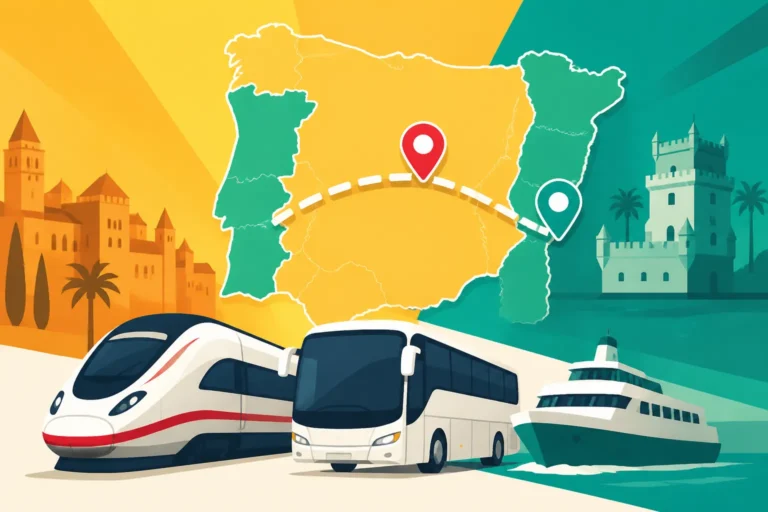
Oh, the eternal quest to travel Spain without breaking the bank! I know that feeling all too well – you search for a train ticket from Madrid to Seville, and one day it's a steal, the next it costs an arm and a leg. It's not just random; there are definite patterns, hidden rhythms of travel that, once you learn to decipher them, can save you a pretty penny. This guide is all about demystifying those price fluctuations, helping you pinpoint the cheapest days and times to travel across Spain, and showing you how tools like Omio can be your best friend in this budget-savvy adventure.
Disclosure: This post may contain affiliate links. We may earn a commission at no extra cost to you if you make a purchase through these links. Read full disclosure.
Understanding Spain's Travel Landscape and Peak Times
Navigating Spain's transportation system can feel like playing a game of chance, especially when it comes to prices. But trust me, there's a method to the madness. The key lies in understanding when and why demand surges, pushing those prices sky-high. It's deeply intertwined with the Spanish way of life, something you quickly learn as an expat here.
The Rhythms of Spanish Travel: Weekends, Holidays, and Seasons
Spain operates on its own unique calendar, and it's not always aligned with typical international travel patterns. Weekends are, predictably, more expensive. Everyone wants to escape the city, visit family, or hit the beach from Friday evening to Sunday night. This is especially true for popular routes like Madrid to Valencia or Barcelona to the Costa Brava. Forget about grabbing a cheap train ticket from Madrid to the coast on a Friday afternoon; you'll be competing with half the city.
But it's the Puentes (long weekends) and national holidays that really send prices soaring. Spain has an abundance of public holidays, and many of them, if they fall on a Tuesday or Thursday, get "bridged" with the weekend, creating a four-day break. Think about the Puente de Diciembre around Constitution Day and Immaculate Conception – entire families pack their bags. If you try to book a train or bus around these times, you'll find seats disappear fast and prices skyrocket weeks, even months, in advance. For example, my friends once tried to spontaneously book a trip to Granada during Semana Santa in Spain: What to Expect as a Visitor, and the prices for trains were astronomical, with buses barely cheaper. They ended up driving, which was a whole other adventure! The summer months, especially August, are another major peak. Many Spaniards take their main holiday then, often heading to the coast or their pueblos. This makes coastal routes incredibly expensive. It's worth checking out the comprehensive list of Spanish Holidays and Public Closures: Planning Errands in 2026 to mark your calendar and avoid these price traps.
Regional Nuances: How Local Events Influence Prices
Beyond national holidays, each region, city, and even small town in Spain has its own beloved festivals and ferias. These local celebrations create intense, localized demand that can dramatically inflate travel costs to and from those specific areas. For instance, if you're planning a trip to Seville during the Feria de Abril, or Valencia for Las Fallas, La Tomatina, and San Fermín: Spain's Famous Events, expect to pay a premium for all modes of transport, and accommodation. These aren't just minor bumps; prices can easily double or triple for routes heading into the festival city.
I remember one year, a friend decided last minute he wanted to experience the San Fermín festival in Pamplona. He looked at train tickets from Barcelona just a few days before the festival began, and the only options left were ridiculously priced, or involved multiple long bus connections. The demand from both Spanish and international visitors creates a perfect storm for price gouging. Even smaller, charming pueblos during their patron saint festivities can see a surge in visitors, driving up bus ticket prices from nearby cities. It really pays to do a quick search for local events if your travel dates are flexible – sometimes just shifting your departure or arrival by a day or two can mean avoiding a local rush and snagging a far better deal.
Identifying the Cheapest Days to Travel within the Week
Once you get a handle on the broader seasonal and holiday patterns, the next layer of saving money comes down to the day of the week you choose to travel. This is where you can make consistent savings, even if you can't always avoid peak seasons entirely.
Weekday Wisdom: Tuesday, Wednesday, and Thursday Sweet Spots
From my years of living here, I can tell you that the golden days for travel in Spain are generally Tuesday, Wednesday, and sometimes Thursday. These are the days when most people are settled into their work week, not yet anticipating a weekend getaway. You'll find a noticeable drop in prices for High-Speed Trains in Spain (AVE): Routes, Booking, and Savings, regional trains, and especially Intercity Buses in Spain: Networks, Booking, and Tips. Flights too, particularly for domestic routes, often see their lowest fares mid-week.
Think about it: who's jumping on a train from Madrid to Barcelona at 10 AM on a Tuesday? Not the weekend crowd, not the holidaymakers. It's usually business travelers, or expats like us with flexible schedules, seeking a bargain. Booking a train for a Wednesday morning using Omio, I found a fantastic price that was nearly half of what the same route cost on the preceding Friday. It was a no-brainer. This mid-week lull is truly your best friend if your schedule allows for it. It's also usually when you'll experience fewer crowds, making the journey itself more relaxed.
Weekend Woes and Sunday Surges
Conversely, Friday and Sunday are, without a doubt, the most expensive days to travel in Spain. Fridays kick off the exodus from major cities, as everyone heads home or off for a short break. People are often willing to pay a premium to start their weekend earlier, so demand for trains and buses, especially in the afternoon and early evening, shoots up.
Sundays are the reverse, with everyone rushing back to be ready for the work week. Those Sunday evening trains and buses, particularly the last services into big cities like Madrid or Barcelona, are notoriously packed and pricey. A student I knew living in Valencia often visited her family in Seville. She learned very quickly that booking her Sunday evening return train was a guaranteed way to empty her wallet. She started looking for early Sunday morning trains or even Saturday night options to avoid the peak. Even if you manage to find a seat, the experience of a crowded Sunday evening train returning to a major city isn't exactly serene. Planning your Traveling Around Spain: Trains, Buses, Flights, and Car Hire to avoid these peak weekend days can make a huge difference, both in cost and comfort.
Pinpointing the Best Times of Day for Budget Travel
It's not just about the day of the week; the precise hour you choose to travel can be equally impactful on your wallet. Just like with traffic, there are travel 'rush hours' you'll want to avoid if you're hunting for a deal.
Early Birds and Night Owls: Avoiding Rush Hour Premiums
If you can manage an early start or don't mind a late finish, you're in for a treat. The earliest morning trains and buses (think departures before 7 AM) often have lower fares, as do the very late-night services (after 9 PM or 10 PM). These times sidestep the typical commuter rush and the popular mid-morning and late-afternoon travel slots. Imagine catching a 6:30 AM AVE train from Barcelona to Madrid; you might save a significant amount compared to the 9 AM or 6 PM departure. Yes, it means an alarm clock going off at an ungodly hour, but for some of us, that extra cash in hand for tapas is well worth it!
The busiest and priciest times of day are generally late morning (9 AM – 11 AM) and late afternoon/early evening (5 PM – 8 PM). These are the times when business travelers are heading to meetings, and people are starting or ending their workdays, looking to commute or begin their leisure travel. I remember a friend trying to book a Domestic Flights in Spain: When They Beat the Train from Seville to Bilbao. She initially looked at a convenient 5 PM flight, but after checking Omio, she saw that an 8 AM flight was nearly 80 euros cheaper. She bit the bullet, woke up early, and used the savings for an amazing pintxos crawl! Omio makes it incredibly easy to see these time-based price differences at a glance, laying out all the options from various operators side-by-side.
The Mid-Day Lull: A Secret Weapon for Savvy Travelers
Beyond the very early or very late options, there's another hidden gem: the mid-day lull. This typically falls between 12 PM and 3 PM. While not always as cheap as the dawn departures, these hours can still offer better value than the morning or evening peaks. Many Spaniards are either at work or settling down for lunch during these hours, leading to a temporary dip in demand for travel services.
This is particularly noticeable for bus routes, which tend to have more frequent departures throughout the day. If you're flexible, consider planning your journey to depart right after the main morning rush and before the late afternoon surge. For example, catching a 1 PM bus from Valencia to Alicante could be considerably cheaper than the 11 AM or 4 PM options. It allows you to avoid the busiest periods and often means a more comfortable ride with fewer people. Just be mindful if you're traveling during Spain's intense summer heat; a mid-day journey might mean arriving at your destination during the hottest part of the day, so plan your arrival logistics, like How to Plan Airport Transfers in Spanish Cities or checking into your accommodation, accordingly.
Strategic Booking and Tool Usage for Maximum Savings
Finding the cheapest days and times is one thing, but how you approach the booking process itself can amplify your savings significantly. It's about being smart, being flexible, and using the right tools.
The Power of Advance Booking (and When to Hold Off)
For train travel in Spain, especially on high-speed AVE routes, booking well in advance is almost always the golden rule. Renfe, the national rail operator, often releases tickets several months ahead of time, and the cheapest "Promo" or "Promo+" fares are snapped up quickly. If you know your travel dates, aim to book at least 4-8 weeks out for the best prices. The closer you get to the departure date, the higher the prices tend to climb, especially for popular routes and times. Ticket prices can double or even triple in the last few weeks before travel. Learning How to Buy AVE Train Tickets in Spain and Save Money is crucial, and it almost always starts with early booking.
However, this rule isn't as rigid for buses. Bus operators in Spain tend to release tickets closer to the travel date, and while booking a week or two ahead is wise for popular routes, you might still find decent last-minute deals. Sometimes, if a bus isn't filling up, they might offer slight discounts closer to the time. The trick here is flexibility. If you're relying on a very specific bus at a very specific time, book it. But if you're open to a range of departures, waiting a bit might occasionally pay off for buses. For flights, it’s a mixed bag; generally, 2-3 months out is good, but budget airlines can have flash sales. This is where a comparison tool like Omio becomes invaluable because it quickly shows you current prices across all modes, helping you decide whether to jump on a deal or wait.
Flex Your Journey: Open Dates and Destination Adaptability
Perhaps the most potent weapon in your arsenal against high travel costs is flexibility. If you can be flexible with your exact travel dates, even by a day or two, you open yourself up to a world of cheaper options. Often, shifting your trip from a Friday to a Thursday, or a Sunday to a Monday, can result in significant savings. Being open to slightly different times of day, as discussed earlier, also helps immensely.
Beyond dates and times, consider being flexible with your departure and arrival points. Sometimes, a slightly less central train station in a large city might have cheaper connections, or a bus station a little further out could offer a better deal. For example, if you're traveling to a major city like Madrid or Barcelona, check if nearby smaller towns or satellite stations offer cheaper connections, from which you can then take local transport. Omio has a great feature where you can see prices across an entire month, or compare different departure and arrival points, making it easy to spot these opportunities. If you're thinking about a trip to the coast, for instance, instead of focusing solely on the most popular beach towns, consider slightly less-known but equally beautiful alternatives that might be cheaper to reach.
Here’s a quick overview of how prices typically behave:
| Travel Day/Time | Typical Demand | Expected Price Tendency | Best for |
|---|---|---|---|
| Tuesday/Wednesday | Lowest | Lowest | Trains, Buses, Flights |
| Thursday | Low-Moderate | Low-Moderate | Trains, Buses, Flights |
| Friday (afternoon) | Highest | Highest | Avoid if possible |
| Saturday (all day) | High | High | Avoid if possible |
| Sunday (afternoon) | Highest | Highest | Avoid if possible |
| Early Morning (before 7 AM) | Low | Lower | All modes |
| Mid-Day (12 PM – 3 PM) | Moderate-Low | Moderate-Low | All modes |
| Late Evening (after 9 PM) | Low | Lower | All modes |
| National/Regional Holidays | Highest | Highest | Avoid or book way in advance |
Maximizing Your Savings with Omio
Now, trying to juggle all these factors – days, times, different transport modes, and booking windows – can be a headache, especially when you're dealing with multiple operators (Renfe for trains, various companies for buses like Alsa, and different airlines). That's precisely where Omio shines as your hero. It's truly a game-changer for anyone trying to travel smarter and cheaper in Spain.
Omio is a brilliant platform that acts as a one-stop-shop for comparing and booking trains, buses, and flights across Spain and indeed, Europe. Instead of opening a dozen tabs for Renfe, Alsa, Vueling, Iberia, etc., you just put in your origin, destination, and dates into Omio. It then pulls up all the available options, from different providers, neatly organized by price, travel time, and mode of transport. You can instantly see that the 6 AM bus is €15 cheaper than the 8 AM train, or that flying might be surprisingly affordable if you avoid peak times. This comparison feature is priceless for finding those optimal cheap days and times we've been talking about.
For example, if you're planning a trip and are flexible, you can select "flexible dates" on Omio and it will show you price variations over several days, highlighting the cheapest options. It even lets you filter by specific operators, journey duration, or number of changes. This means you can quickly see if traveling on a Tuesday instead of a Monday saves you €30, or if taking an Intercity Buses in Spain: Networks, Booking, and Tips for an extra hour shaves off a significant chunk of change compared to the High-Speed Trains in Spain (AVE): Routes, Booking, and Savings. Booking directly through Omio is super straightforward, with clear pricing and mobile tickets, which makes the whole process smoother. Seriously, if you're living in or traveling through Spain and want to save money and hassle, give Omio a try. It truly simplifies the complex task of finding the best deals for your journey.
Disclaimer
The information provided in this guide is intended for general informational purposes only and does not constitute professional advice. While we strive to keep the information up-to-date and accurate, travel prices and policies are subject to change by operators and government regulations. Always verify current prices, schedules, and terms directly with transport providers or through reputable booking platforms like Omio before making travel arrangements.