How to Find Easy Day Hikes Near Spanish Cities
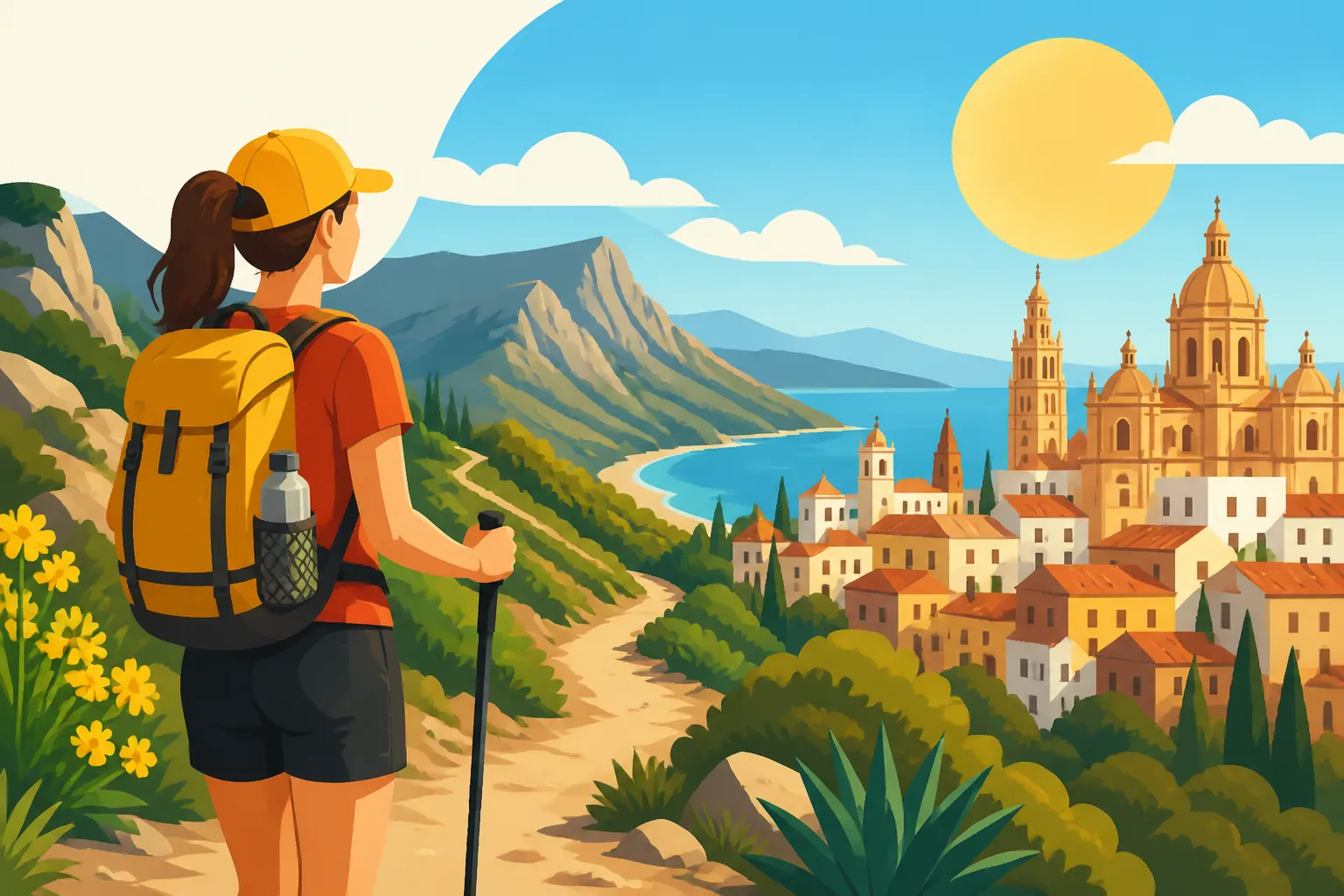
Moving to or just visiting a vibrant Spanish city is incredible, full of energy and culture, but let's be honest, sometimes you just need to escape the concrete jungle. That longing for fresh air, the crunch of gravel underfoot, and views that aren't dominated by buildings is a universal expat craving. This guide is dedicated to helping you discover those accessible, easy day hikes near Spain's major cities, proving that a tranquil nature escape is often just a short train or bus ride away, even without a car.
Disclosure: This post may contain affiliate links. We may earn a commission at no extra cost to you if you make a purchase through these links. Read full disclosure.
Why Day Hikes are a Godsend for City Expats
When you first arrive in Spain, the sheer joy of city life — the tapas, the late nights, the bustling plazas — is exhilarating. But after a while, many of us start to feel a pull towards something quieter, something greener. Those familiar city stresses can build up, and sometimes, the best antidote isn't another coffee, but a breath of clean, unpolluted air.
Escaping the Urban Bustle
Let's be real: Spanish cities, while beautiful, can be intense. The constant noise, the sheer number of people, the never-ending stream of tasks and errands – it all takes its toll. Many an expat has confided in me that they yearn for a quiet spot where the only sounds are birdsong and their own footsteps. Day hikes offer precisely that, a mental reset button. It’s a chance to unplug from the demands of your new life, process culture shock, or simply enjoy a different kind of beauty that Spain has in abundance.
There's a real psychological benefit to immersing yourself in nature. Studies consistently show that spending time outdoors can reduce stress, improve mood, and even boost cognitive function. For us expats, navigating a new language and bureaucracy often means our brains are working overtime. A few hours in a natural setting, away from the hustle, can be incredibly restorative. Imagine swapping the honking of cars for the rustling of leaves, or the glare of screens for the dappled sunlight filtering through ancient trees. It's not just a walk; it's therapy for the soul. It's a way to maintain your Mental Health Support in Spain: How to Find Help as an Expat by proactively seeking balance.
Accessibility is Key
One of the biggest hurdles many foreigners face when considering outdoor activities in Spain is the perception that you need a car to get anywhere good. And while having a car certainly opens up more remote options, it’s simply not true for easy day hikes near major cities. Spain has an excellent public transport network, with reliable trains and buses connecting urban centers to surprisingly wild and beautiful natural parks and greenways. This means you can often reach stunning trailheads using just your metro card and a short bus fare.
The beauty of these accessible hikes is that they fit perfectly into a weekend morning or afternoon. You don't need to commit to an entire weekend trip or navigate complex logistics. Often, you can be on a trail within an hour or two of leaving your city apartment. This makes it a realistic and frequent escape, rather than an annual pilgrimage. It empowers you to explore Spain beyond the well-trodden tourist paths, experiencing a different side of the country that many visitors (and even some locals!) overlook.
Identifying Promising Hiking Spots Near Major Spanish Cities
Finding the perfect trail can feel a bit like searching for a needle in a haystack, especially if your Spanish isn't quite fluent yet. But fear not, there are several excellent strategies and resources that can simplify the process immensely.
Leveraging Online Resources and Apps
The digital age is a hiker's best friend. There are numerous websites and apps that have made finding local trails far easier than it ever used to be. My personal go-to is often Wikiloc, which is incredibly popular here in Spain. It's a user-generated platform where people upload their routes, complete with maps, photos, and descriptions. You can filter by location, difficulty, distance, and even type of activity (walking, cycling, running). The community aspect means you get real-world reviews and tips, which is invaluable.
Another fantastic option is AllTrails. While perhaps more popular globally, it has a strong presence in Spain with a vast database of trails. Their maps are often very detailed, and you can download them for offline use, which is a lifesaver if you venture into areas with spotty signal. When planning your journey to these trailheads, don't forget platforms like Omio. They are excellent for comparing and booking bus and train tickets, ensuring you can get to the jumping-off point of your adventure without a fuss. Remember, getting around Spain by Traveling Around Spain: Trains, Buses, Flights, and Car Hire is usually quite straightforward, especially from major cities.
For those who prefer a more structured approach or feel a bit nervous about heading out alone, websites like GetYourGuide offer numerous guided hiking tours. These can be a fantastic way to discover new areas, learn about local flora and fauna, and meet other like-minded travelers. Sometimes, a little guidance is exactly what you need to build confidence before striking out on your own.
Asking the Locals and Expat Communities
Never underestimate the power of local knowledge! Spaniards are often passionate about their regional natural beauty, and a quick chat with a colleague, a neighbor, or even your local barista can yield some fantastic, lesser-known recommendations. Don't be shy; even a few phrases in Spanish can go a long way. Phrases like "¿Hay rutas de senderismo fáciles por aquí?" (Are there easy hiking routes around here?) can open up a conversation. Brushing up on your Spanish Language and Everyday Communication for Visitors will definitely help.
Beyond direct conversations, online expat communities are a goldmine. Facebook groups for expats in Madrid, Barcelona, or whatever city you call home are buzzing with people sharing tips, organizing group hikes, and discussing their favorite spots. These groups are not only great for finding trail recommendations but also for connecting with potential hiking buddies. There’s nothing quite like exploring a new trail with someone who understands both the beauty of the landscape and the unique joys and challenges of expat life.
Regional Examples for Inspiration
Spain is incredibly diverse geographically, meaning each major city offers a different flavor of nature escape.
- Madrid: Despite being smack in the center of the Iberian Peninsula, Madrid is surprisingly close to some stunning mountainous terrain. The Sierra de Guadarrama National Park is practically on its doorstep. You can take a Cercanías train from Atocha or Chamartín straight to towns like Cercedilla or Miraflores de la Sierra. From Cercedilla, there are numerous well-marked, easy trails, including the "Camino Schmidt" which offers beautiful pine forest walks without significant elevation gain. Another option is the Parque Regional de la Cuenca Alta del Manzanares, accessible via bus to Manzanares el Real, with trails around La Pedriza, known for its unique granite formations.
- Barcelona: The Catalan capital is blessed with proximity to the Parc Natural de Collserola, literally just behind the city. You can take a metro or FGC train to places like Baixador de Vallvidrera or Les Planes, and within minutes, you're on a tranquil path with incredible views back over the city. While some routes can be steep, many are gentle, winding forest paths perfect for a leisurely stroll. For a slightly longer journey, a train to Montserrat offers breathtaking views and relatively easy walks around the monastery if you take the cable car or funicular up.
- Seville: In the warmer south, escaping the heat often means seeking shade and perhaps routes near water. The Parque Natural Sierra Norte de Sevilla is a popular choice, accessible by bus or train to towns like Cazalla de la Sierra or Constantina. Here, you'll find routes through cork oak forests and along riverbanks. The Via Verde de la Sierra, though a bit further, is a fantastic option, utilizing old railway lines for flat, easy walking or cycling through rural landscapes.
- Valencia: The Jardín del Turia, an ancient riverbed turned into a park, offers urban green space, but for a true hike, you might look towards the Parc Natural de la Serra Calderona. Buses run to towns like Náquera or Serra, providing access to a network of trails through Mediterranean forest, often leading to viewpoints or small hermitages. The Albufera Natural Park, a short bus ride south, offers flat walks around the vast freshwater lagoon, perfect for birdwatching and gentle exercise. It's a completely different landscape, but utterly serene.
Planning Your Easy Day Hike: What to Consider
A little preparation goes a long way to ensure your day hike is an enjoyable and safe experience, rather than a frustrating one.
Transport Options
As mentioned, public transport is your friend. Spain’s regional train network (Cercanías) is excellent for reaching towns that serve as gateways to natural parks. For instance, from Madrid, you can hop on a Cercanías line C-8 to Cercedilla or C-9 to Cotos. These are regular, affordable services. For destinations further afield or those not served by train, intercity buses (operated by companies like ALSA or Avanza) are highly efficient and comfortable. You can usually check schedules and purchase tickets online through platforms like Omio, or directly at the bus station.
If you’re traveling with friends, car-sharing apps or even renting a car for the day can be an option, but for easy day hikes, public transport often means less hassle with parking and allows you to truly relax and enjoy the journey. Always double-check the return schedules, especially if you’re heading to smaller towns, as late-night services might be less frequent. Planning your Getting Around Spanish Cities: Metro, Bus, Tram, and Bikes to the main train or bus station is also part of the journey!
Essential Gear and Safety
Even for an "easy" hike, basic preparation is crucial.
- Footwear: Sturdy, comfortable walking shoes are a must. Leave the city sneakers for city streets. Trails can be uneven, rocky, or muddy depending on recent weather.
- Water: Always carry more water than you think you’ll need, especially during Spain’s hotter months. Dehydration is a real risk.
- Snacks: Pack some energy bars, fruit, or a sandwich. Many of these routes won’t have convenient kiosks along the way. Consider packing some classic Spanish Food and Drink: A Practical Culture Guide like a bocadillo or some queso y membrillo.
- Sun Protection: A hat, sunglasses, and high-factor sunscreen are non-negotiable, even on seemingly cloudy days. The Spanish sun can be intense. Remember to consult our guide on Sun Safety in Spain: UV Index Basics and Habits.
- Layers: The weather in mountainous regions can change quickly. A light waterproof jacket and an extra layer are always good ideas.
- Phone & Power Bank: For navigation (using apps like Wikiloc or Google Maps) and emergencies. Make sure your phone is charged! Having a local SIM or eSIM helps too, as discussed in Mobile Data and eSIMs for Travel in Spain.
- Basic First-Aid: Blister plasters, antiseptic wipes, and any personal medication.
- Map/Compass: While apps are great, a physical map (or a screenshot) is a good backup in case your battery dies.
Always inform someone of your hiking plans and estimated return time. If you do encounter an emergency, remember the universal emergency number in Spain is 112. More details on what to do in such situations can be found in Emergency Numbers in Spain: 112 and When to Use It. For general safety, read our Staying Safe in Spain: Practical Safety Tips for New Residents.
Difficulty Levels and Trail Markings
What "easy" means can be subjective, but generally, it refers to trails with minimal elevation gain, well-maintained paths, and clear signage. When researching, look for terms like "ruta fácil" or "sendero apto para todos los públicos" (suitable for all audiences).
Spanish trails are typically well-marked, especially within natural parks. You’ll often see signs indicating "Sendero Local" (SL), "Sendero de Pequeño Recorrido" (PR, yellow and white stripes for paths under 50 km), or "Sendero de Gran Recorrido" (GR, red and white stripes for longer routes). For day hikes, you'll mostly encounter SL and PR routes. Keep an eye out for painted stripes on trees or rocks, and wooden signposts. Always pay attention to the direction of travel and confirm your route at junctions. If you're planning any serious Outdoor Activities in Spain: Safe Hiking, Swimming, and Sun Care, understanding these markings is fundamental. Also, be mindful of the season; Heatwaves in Spain: Health Precautions for Expats are a serious consideration for summer hikes.
Recommended Easy Day Hikes Near Major Cities
Here's a little taste of some genuinely accessible and enjoyable day hikes, tailored for those looking to escape the city without breaking a sweat (or a bank account).
| City | Hike Name / Area | Difficulty | Transport from City (Approx.) | Highlight |
|---|---|---|---|---|
| Madrid | Cercedilla – Las Dehesas Circular Route | Easy | Train (Cercanías C8) ~1h | Pine forests, Roman road remnants, stream crossings, picnic areas. |
| Barcelona | Collserola Park – Carretera de les Aigües | Easy | FGC/Metro + Bus ~30-45 min | Flat, panoramic city views, popular for walking and cycling, accessible entry. |
| Seville | Sendero de los Alcornocales (Cazalla) | Easy-Mod. | Bus/Train ~1.5-2h | Cork oak forests, rural landscapes, wildlife spotting in Sierra Norte. |
| Valencia | Albufera Natural Park – Devesa del Saler | Easy | Bus (lines 24/25) ~30 min | Coastal dune forests, freshwater lagoon, birdwatching, flat walking. |
These are just a few starting points. Each region of Spain offers its own unique natural beauty, from the lush green north to the sun-drenched south. Don't be afraid to branch out and explore different areas; Spain's Regions and Where to Go: A Traveler's Overview can give you a broader sense of the geographical diversity. You might even decide to turn a day trip into an overnight stay, booking a charming rural casa rural through platforms like Booking.com.
Madrid: Cercedilla and the Valle de la Fuenfría
The mountains north of Madrid are an absolute gem, and Cercedilla is a fantastic base for easy hikes. The "Las Dehesas" area, just outside the town, offers several circular routes. These trails wind through fragrant pine and oak forests, often alongside babbling streams. You can walk parts of the ancient Roman road, "Calzada Romana," which adds a touch of history to your nature escape. The paths are generally wide, well-maintained, and shaded, making them perfect for a warm day. You'll find plenty of picnic spots and even some natural pools to dip your feet in during the summer.
To get there, take the Cercanías train (line C-8) from Madrid's Chamartín or Atocha station directly to Cercedilla. The journey takes roughly an hour. From the station, it's a pleasant walk or a short local bus ride to the start of the trails at Las Dehesas. The air up here is noticeably crisper, and the feeling of being truly immersed in nature, so close to a bustling capital, is incredibly satisfying.
Barcelona: Collserola Park's Carretera de les Aigües
The Collserola mountain range forms a natural barrier between Barcelona and its hinterland, and within it lies the Parc Natural de Collserola, one of the largest metropolitan parks in the world. The "Carretera de les Aigües" (Water Road) is arguably its most famous and accessible trail. This roughly 10-kilometer flat, unpaved path stretches along the mid-slope of the mountain, offering continuous, breathtaking panoramic views of Barcelona, the Mediterranean, and beyond.
It's extremely popular with walkers, runners, and cyclists due to its gentle gradient. You can access it from several points. A common approach is to take the FGC train to Peu del Funicular, then the funicular up to the Carretera. Alternatively, various metro lines connect to bus routes that take you directly to different access points. The sheer ease of getting from a busy city street to this tranquil viewpoint in under an hour is remarkable. It’s perfect for a leisurely stroll, a morning run, or simply finding a quiet bench to take in the sprawling cityscape below.
Seville: The Green Heart of Sierra Norte
For Seville, a city famous for its intense heat, finding a cool, shaded hike is paramount. The Sierra Norte de Sevilla Natural Park, a bit over an hour's drive or bus ride north, offers a welcome respite. Towns like Cazalla de la Sierra or Constantina are good starting points. Here, the landscape transitions to rolling hills covered in dehesa – traditional Mediterranean forests of cork oaks and holm oaks.
These forests provide vital shade and are home to diverse wildlife. Many routes follow old tracks or quiet country lanes, often leading to hidden waterfalls or charming white villages. Look for trails that follow riverbeds, as these are often cooler and more picturesque. The "Sendero de los Alcornocales" (Cork Oak Trail) near Cazalla is a great example of an easy, well-defined route that showcases the region's unique ecosystem. It's a fantastic way to experience a different side of Andalusia, away from the urban heat.
Disclaimer
The information provided in this guide is for general informational purposes only and does not constitute professional advice. While we strive to offer accurate and up-to-date information for expats and tourists in Spain, regulations, services, and conditions can change. Always verify current details with official sources, local authorities, or relevant service providers before making any decisions. Hiking, even on easy trails, carries inherent risks; always assess your own physical capabilities and conditions, carry appropriate gear, and prioritize your safety. The author and publisher are not liable for any loss or damage arising from the use of this information.