Are Spain’s Beaches Free to Use?
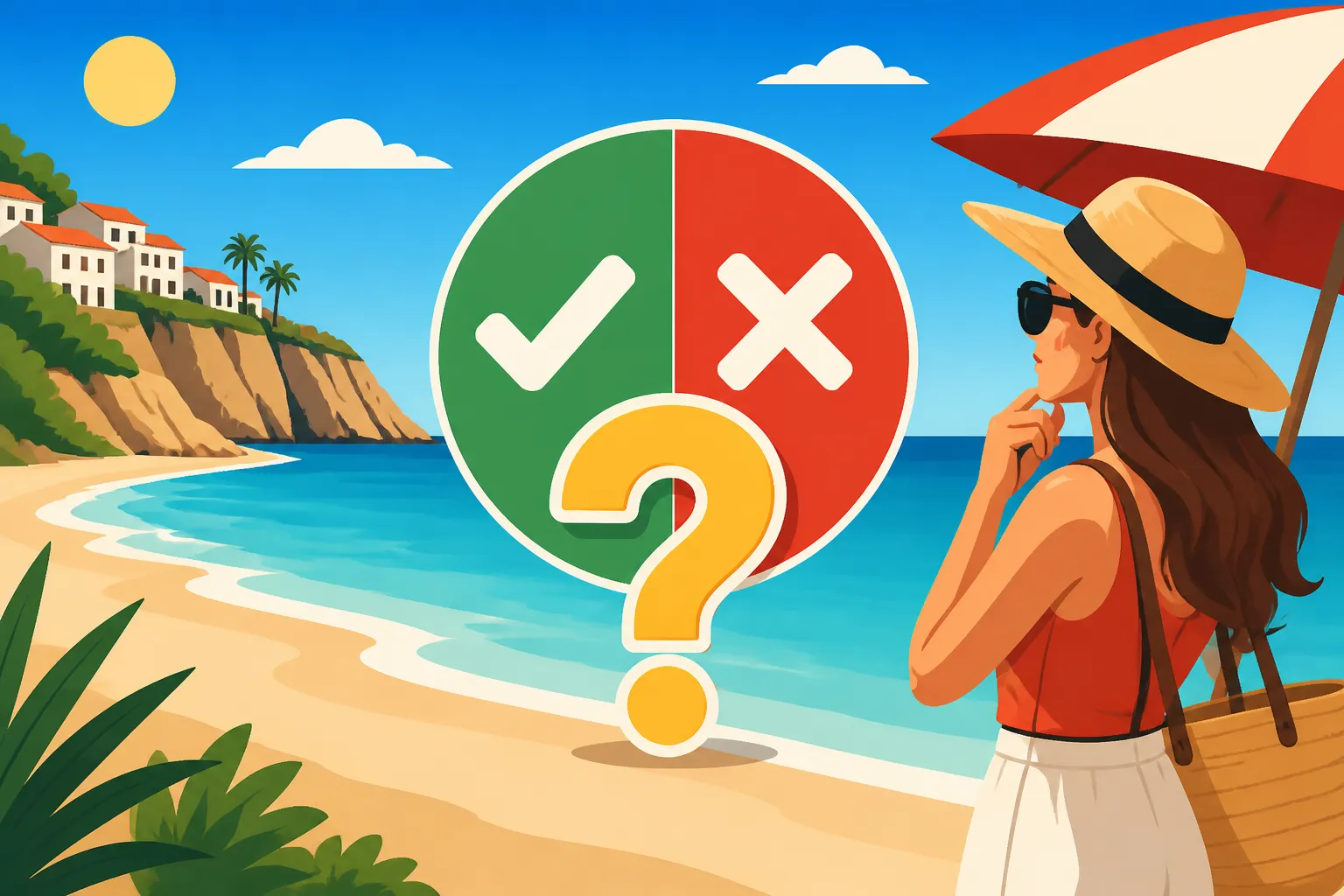
The idea of a perfect beach day in Spain often conjures images of endless golden sands and sparkling waters. But for many expats and first-time visitors, a nagging question remains: are all these beautiful beaches actually free to use? It’s a valid concern, especially when you start seeing rows of sunbeds or private-looking establishments. This guide will cut through the confusion, explaining exactly what you can expect when it comes to accessing Spain’s stunning coastline, and what might come with a price tag.
Disclosure: This post may contain affiliate links. We may earn a commission at no extra cost to you if you make a purchase through these links. Read full disclosure.
The General Rule: Are Beaches in Spain Free? Mostly, Yes!
Let's get straight to it: for the vast majority of Spain’s magnificent coastline, direct access to the beach itself is absolutely free. This isn't just a happy accident; it's enshrined in Spanish law. The "Ley de Costas" (Coastal Law) dictates that the entire maritime-terrestrial public domain – which includes the beach and a strip of land adjacent to it – is public property. This means no one, not a private hotel, nor a fancy beach club, can legally block your physical access to the sand and the sea.
Understanding Public vs. Private Beach Access
This concept of dominio público marítimo-terrestre is a cornerstone of Spanish beach culture, and it’s a big win for everyone. It means that whether you're strolling along the bustling urban beach of La Malagueta in Málaga, exploring the rugged coves of the Costa Brava, or relaxing on the pristine sands of the Balearic Islands, you have a fundamental right to be there without paying an entrance fee. Even if a hotel has sprawling grounds leading right up to the sand, they cannot prevent you from walking along the shoreline. It’s a truly democratic approach to enjoying nature's gifts, contrasting sharply with some other countries where private beaches are the norm. This freedom is one of the many reasons why so many foreigners fall in love with Spain, making it a prime destination for those looking to enjoy the outdoors.
However, "access" doesn't always mean "unrestricted use of everything on the beach." Think of it like a public park: you can walk in for free, but you might pay to rent a bike or use a specific facility. The same principle largely applies here.
What You Typically Pay For and What You Don't
While the sand and sea are your free playground, many convenient amenities come with a cost. These are usually managed by local councils or private companies operating under municipal concessions. Here’s a breakdown:
- Sun Loungers and Umbrellas (Hamacas y Sombrillas): This is probably the most common "paid" item you'll encounter. On many popular beaches, especially in tourist hubs, you'll find rows of sunbeds and parasols for rent. Prices can vary significantly depending on the location and the season, ranging from as little as €5 to €15 or more for a full day. You’re never obligated to rent one, though. You can always bring your own towel, umbrella, and chairs and set up shop right next to the rented ones.
- Watersports Equipment: Fancy trying paddleboarding, kayaking, or a jet ski? These are almost always offered by independent operators or beachside kiosks and will come with rental fees. Prices are usually per hour or for a half-day.
- Parking: While not directly a beach fee, parking can definitely add to the cost of your beach day, especially in crowded areas. Many popular beaches have paid parking lots or are located in "blue zones" where street parking requires a ticket. We'll delve deeper into this in the next section.
- Beach Bars (Chiringuitos): These quintessential Spanish beachside establishments offer food, drinks, and often a vibrant atmosphere. While you'll pay for anything you consume, the chiringuito itself does not charge an entrance fee to be near it. Sometimes they might offer sunbed service alongside their food/drink, a convenient package that can be worth the cost.
- Showers and Toilets: Many public beaches provide showers and toilets. In some municipalities, these are free, while in others, you might find coin-operated showers, particularly in smaller or more remote locations. It's always a good idea to have some small change on hand.
The key takeaway is that your fundamental right to enjoy Spain’s coast is protected. The costs arise when you opt for added comfort, convenience, or entertainment. You can easily have a completely free beach day if you come prepared with your own gear.
Navigating the Nuances: Hidden Costs and Local Regulations
Even with free beach access, the journey to your chosen patch of sand or the amenities you decide to use can subtly introduce costs. It’s not about direct entry fees, but rather about the logistical expenses and optional upgrades that shape your beach experience. Understanding these can help you budget effectively and avoid any surprises.
Parking and Accessibility Fees
Getting to the beach is often half the battle, and the cost of parking can vary wildly.
For those who prefer the freedom of driving, be prepared for diverse parking scenarios. In popular coastal towns and cities like those along the Costa del Sol, beachfront parking can be a challenge. You might find ample paid underground parking garages, which can run you anywhere from €2-€5 per hour or a flat daily rate. Street parking, especially in "blue zones" (zona azul), also typically requires payment via a meter or an app. These zones are usually active during specific hours, often weekdays and Saturday mornings. If you're planning a full day at the beach, these costs can add up.
For more secluded, natural beaches, especially those within protected natural parks, direct vehicle access might be restricted or involve a fee. For example, some pristine coves might require you to park a short distance away and take a designated shuttle bus, which usually charges a nominal fee. This is often done to protect the fragile ecosystem and manage visitor numbers, and it's a small price to pay for preserving natural beauty. Always check local signs and information boards if you're venturing to less accessible spots. Using an app like Omio or checking local transport websites can help you plan your journey and understand potential parking costs or public transport options for getting to the coast. For those travelling across Spain, considering options for Traveling Around Spain: Trains, Buses, Flights, and Car Hire is always a good idea.
Beach Clubs, Concessions, and "Private-Feeling" Zones
You might occasionally stumble upon areas that look private, typically in front of high-end hotels or exclusive beach clubs. These establishments often have perfectly manicured sand, rows of premium sunbeds, and chic dining areas that extend towards the sea. It's easy to assume you can't enter these zones without being a guest or paying a hefty sum.
However, remember the Coastal Law. The strip of sand and sea always remains public. This means you have the right to walk along the water's edge, even if it's directly in front of a private club. What these establishments pay for are concessions from the local government to operate their business, which includes placing their sun loungers, providing table service on the sand, and setting up their facilities. You can't use their sunbeds or order drinks from their staff without paying, but you can certainly spread your towel nearby and enjoy the same waves. These concessions are essentially leases for commercial use of specific zones, but they don't revoke the public's right to access the natural beach. Websites like Booking.com often feature hotels and resorts with these types of beach club setups, allowing you to see what amenities are available, even if you plan to enjoy the free public sand nearby.
Understanding Chiringuitos and Their Services
The beloved chiringuito is a quintessential part of the Spanish beach experience, and they operate under similar concession rules. These informal, often rustic, beach bars are more than just places to grab a drink; they're social hubs. Many chiringuitos offer a range of services that blend seamlessly with your beach day.
You can walk up to any chiringuito and order a caña (small beer), a tinto de verano (wine spritzer), or a plate of espetos de sardinas (grilled sardines, a Málaga specialty) directly from their counter, or take a seat at their tables. What’s more, many chiringuitos also rent out sunbeds and umbrellas in the area directly in front of their establishment. This can be a fantastic option if you want the convenience of having food and drink service brought right to your lounger, eliminating the need to pack a cooler. The cost for the sunbed rental often includes the ability to order directly, creating a comfortable, all-day beach experience. The prices for these services are usually clearly displayed, so you’ll know exactly what you’re paying for before you commit. It's a great way to enjoy the convenience without feeling like you're paying for "beach access." For more on local customs, you might find our guide on Spanish Customs, Etiquette, and Social Life helpful.
| Feature | Direct Beach Access | Paid Beach Amenities & Services |
|---|---|---|
| Cost | Free (by law) | Varies widely (€5-€50+ depending on service) |
| What it includes | Access to sand, sea, walking along shoreline, bringing own gear. | Sun loungers, umbrellas, watersports rentals, parking, food/drinks from chiringuitos/clubs, private changing rooms (rare), shuttle buses to remote coves. |
| Legal Basis | Ley de Costas (Coastal Law) | Municipal concessions to private operators. |
| Typical Locations | All beaches across Spain, from bustling city shores to remote coves. | Popular tourist beaches, urban beaches, areas in front of hotels/beach clubs. |
| Options | Bring your own towel, umbrella, snacks, drinks. | Rent on site, pre-book through some hotels/clubs. |
Making the Most of Spain's Free Beaches: Practical Tips for Expats
Now that we’ve cleared up the "free" part, let’s talk about how you can maximize your enjoyment of Spain's incredible coastline without breaking the bank. As an expat, you quickly learn the ins and outs of local life, and beach days are no exception. A bit of planning can turn a good beach day into a perfect one.
Budgeting for Your Beach Day
One of the best things about Spanish beaches is the flexibility they offer. You can genuinely have a fantastic, completely free day if you plan ahead.
- Bring Your Own: This is the golden rule for budget-conscious beachgoers. Pack your own large towel (toalla), a sturdy umbrella (sombrilla), and maybe even some small, foldable beach chairs. Stock up on water, juices, and snacks from a local supermarket before you head out. A bocadillo (sandwich) from a bakery is far cheaper than a full meal at a chiringuito.
- Compare Rental Prices: If you do decide to splurge on a sun lounger and umbrella, don't just grab the first one you see. Prices can vary even on the same stretch of beach. Take a quick walk, compare the offerings, and see if there are any deals for renting multiple items or for longer periods. On some beaches, like those in the Canary Islands, you might even find operators who offer a slight discount if you plan to use their services for several days.
- Utilize Public Facilities: Most well-maintained beaches will have public showers, often near the boardwalk or beachfront promenades. While some might be coin-operated, many are free, offering a refreshing rinse after a salty dip. Look for public restrooms as well, which are generally free, though cleanliness can vary. Knowing where these facilities are can save you from having to purchase items just to use a private restroom.
For longer stays in a specific region, consider exploring options for Short-Term and Mid-Term Rentals in Spain: When They Make Sense so you can have a base close to the beaches you love, allowing you to easily bring your own supplies.
Finding Your Perfect Spot (Crowds and Seclusion)
Spain's beaches range from bustling urban stretches to hidden, tranquil coves. Your ideal spot depends entirely on your preference.
- Timing is Everything: To avoid the peak crowds, especially in July and August, try to arrive early in the morning (before 10 AM) or later in the afternoon (after 4 PM). Many locals head home for siesta in the early afternoon, so you might find a bit more space. If you're flexible, consider visiting outside of the high season – May, June, and September often offer fantastic weather with fewer people.
- Go Beyond the Main Drag: City beaches are convenient but often the most crowded. Venture a little further afield. Many regions have stunning, less-developed beaches and natural parks that offer more space and tranquility. For example, explore the diverse options described in Spain's Best Mainland Beaches by Region or The Balearic Islands: Choosing Between Mallorca, Menorca, and Ibiza to discover hidden gems. A quick search on platforms like GetYourGuide might even reveal guided tours to lesser-known, pristine beaches, offering transport and local insights.
- Consider Public Transport or a Drive: Sometimes, the most beautiful, secluded beaches are a bit harder to reach. If you don't have a car, investigate local bus routes or train connections that serve smaller coastal towns. For example, getting to some remote areas of Galicia or the Basque Country might require a bit more planning, but the rewards are often spectacular. Our guide on Public Transport in Spain: Cards, Discounts, and Etiquette can help you navigate these options.
Essential Beach Etiquette and Rules
Blending in and showing respect for the local environment and culture is key to enjoying Spain as an expat. Beach etiquette is generally relaxed, but a few unspoken rules and regulations are good to know.
- Leave No Trace: This is universal. Always take all your rubbish with you or dispose of it in designated bins. Spain has a growing awareness of environmental protection, especially on its coasts. Recycling bins (contenedores de reciclaje) are common, usually color-coded for plastics, paper, and glass, as detailed in Recycling and Waste in Spain: How the Household System Works.
- Noise Levels: While Spanish beaches can be lively, especially in summer, try to keep excessive noise (loud music, shouting) to a minimum. Respect those around you who might be seeking a peaceful escape.
- Dog Regulations: Many municipalities have restrictions on bringing dogs to beaches, especially during peak season (typically June to September). Some beaches are designated as "dog-friendly" (playa canina), but always check local signage or council websites before bringing your furry friend.
- Glass Bottles: For safety reasons, glass bottles are often prohibited on beaches. Opt for plastic or reusable containers.
- Sun Safety: This isn't etiquette, but it's crucial. The Spanish sun, especially during the summer, is intense. Always use high SPF sunscreen, wear a hat, and seek shade during the hottest parts of the day. Hydration is key! Read up on Sun Safety in Spain: UV Index Basics and Habits to stay protected. For general well-being, remember the advice in Staying Safe in Spain: Practical Safety Tips for New Residents.
By understanding these nuances and embracing a bit of local wisdom, you'll find that Spain's beaches truly offer something for everyone, usually with the glorious bonus of free entry to paradise.
Disclaimer
The information provided in this guide is for general informational purposes only and does not constitute legal advice. While we strive to keep the content up-to-date, laws and regulations in Spain, particularly those related to local amenities and environmental protection, can change. Always consult official local government sources or legal professionals for the most current and specific information regarding beach access and regulations in a particular area.