How to Plan a Day Trip to a Pueblo Blanco
Disclosure: This article contains affiliate links. If you buy through them, we may earn a commission at no extra cost to you. Read our full disclosure.
There's something truly magical about Spain's white villages, or "Pueblos Blancos," isn't there? Those gleaming white houses, often crowned by ancient castles, perched precariously on hillsides, just call out for an escape from the bustling cities. But if you're like many expats or tourists, planning a day trip to these picturesque gems can feel a bit daunting, especially when navigating unfamiliar roads or trying to decipher public transport schedules. This guide is here to unravel all that, helping you discover how to make your dream day trip to a Pueblo Blanco a joyful reality, full of stunning views and authentic Spanish charm.
What Makes the Pueblos Blancos So Enchanting?
The Pueblos Blancos are more than just pretty facades; they are living testaments to Andalucía's rich and complex history, imbued with a unique atmosphere that captures the heart of every visitor. Their allure lies not only in their striking appearance but also in the stories etched into their ancient stones and the serene pace of life they offer.
A Glimpse into Andalusian History and Culture
These villages, predominantly found in the provinces of Cádiz and Málaga, owe their distinctive white appearance to a practical and aesthetic tradition: locals regularly whitewash their homes to reflect the intense Andalusian sun, keeping interiors cool and bright. But the architecture goes much deeper than just practicality. Many of these villages were strategic outposts during the Moorish rule of Al-Andalus, and later, during the Reconquista. This history is palpable everywhere you look.
You'll often find narrow, winding streets, designed to confuse invaders and provide shade, leading up to a hilltop fortress or an old church built atop a former mosque. The intricate ironwork on balconies, the ceramic tiles, and the scent of jasmine wafting through tiny plazas all speak to centuries of cultural exchange and resilience. Exploring these villages is like stepping back in time, offering a tangible connection to the diverse civilizations that shaped this corner of Spain. It’s an immersion into a slower, more traditional Spanish way of life that contrasts sharply with the country's vibrant modern cities.
The Landscape: Sierra de Grazalema and Beyond
The Pueblos Blancos are not just isolated architectural wonders; they are nestled within breathtaking natural landscapes that enhance their charm. Many of the most famous villages are located within or on the fringes of the Sierra de Grazalema Natural Park, a protected area known for its dramatic limestone mountains, deep gorges, and lush forests. This region is Spain's rainiest, which might sound counterintuitive for Andalucía, but it allows for incredible biodiversity and stunning green scenery, especially in spring.
Imagine a cluster of white buildings clinging to a cliff face, surrounded by olive groves and cork oak forests, with eagles soaring overhead. That’s the typical scene you can expect. The winding roads that connect these villages offer panoramic vistas at every turn, making the journey itself a significant part of the experience. Whether you're a nature lover, a keen photographer, or simply seeking tranquility, the harmonious blend of human settlement and untouched wilderness here is truly captivating. This natural setting also provides ample opportunities for hiking and other outdoor activities, should you wish to extend your day trip into an adventure.
Choosing Your Pueblo Blanco: More Than Just a Pretty Facade
With so many stunning white villages scattered across Andalucía, deciding which one to visit for a day trip can be the toughest part of the planning. Each has its own unique character, history, and set of attractions. It's not just about picking the prettiest; it's about finding the one that best suits your interests and logistical capabilities.
Top Contenders for a Day Trip
If you're looking for a classic Pueblo Blanco experience within a day, here are a few standout options that offer a good balance of accessibility and charm:
- Ronda: Often considered the jewel of the Pueblos Blancos, Ronda is famous for its dramatic Puente Nuevo bridge, which spans a dizzying gorge. It’s easily accessible by train from major cities like Seville or Málaga, making it a fantastic option for those without a car. Beyond the bridge, you'll find Spain’s oldest bullring, charming old town streets, and plenty of viewpoints. It’s a larger town, offering more amenities and dining options than some of the smaller villages.
- Grazalema: Located deep within the Sierra de Grazalema Natural Park, this village is renowned for its picturesque setting amidst rugged mountains and its vibrant floral displays. It’s a hiker's paradise, but even if you're not hitting the trails, its charm lies in its quiet plazas, local craft shops, and a more authentic, less touristy feel than Ronda. Getting here usually requires a car, though some tour options exist.
- Zahara de la Sierra: Dominated by a Moorish castle perched high above the village and a shimmering reservoir below, Zahara offers some of the most iconic views. It’s a smaller, quieter village perfect for a leisurely stroll, a visit to the castle, and enjoying the tranquility. Its accessibility is best by car, though it's often included in organized tours of the region.
- Arcos de la Frontera: The closest Pueblo Blanco to Jerez de la Frontera, Arcos is known for its spectacular hilltop location, winding streets, and the beautiful Basílica de Santa María de la Asunción. It offers incredible panoramic views, especially at sunset. It's reachable by bus from Jerez or Seville, making it a good public transport option if you plan carefully.
These are just a few, but they offer a great starting point for diverse interests. Don't be afraid to do a little digging to see which one truly calls to you!
What to Consider When Selecting Your Destination
When narrowing down your choice, think about what you truly want out of your day.
Firstly, accessibility is paramount. Do you have access to a rental car, or are you relying on public transport? Some villages, like Ronda, are well-connected by train and bus, while others are tucked away and best reached by car or an organized tour. If you're going by bus, check the schedules meticulously, as services can be infrequent, especially on weekends and holidays. For hassle-free travel, especially to some of the more remote villages, consider booking a guided tour through platforms like GetYourGuide, which often combine several villages into one day.
Secondly, what are your personal interests? If you're a history buff, you might prioritize a village with a well-preserved castle or ancient ruins. If you love hiking, Grazalema offers fantastic trails right on its doorstep. Foodies might look for villages known for particular local products, like olive oil in Zahara. If you're travelling with family, look for places with open spaces or child-friendly attractions. Researching specific activities and sights within each village will help you determine the best fit. Remember, some villages are tiny and can be explored in just a couple of hours, while larger ones like Ronda warrant more time.
Logistics for a Smooth Day Trip: Getting There and Around
Embarking on a day trip to a Pueblo Blanco, while incredibly rewarding, does require a bit of planning, especially concerning transportation. Spain's infrastructure is generally excellent, but regional variations and the sometimes remote nature of these villages mean you need to be prepared.
Transport Options: Car, Bus, or Tour?
Choosing how you'll get to your chosen white village is probably the most critical decision for your day trip. Each option has its own set of pros and cons.
- Renting a Car: This offers the ultimate flexibility. You can set your own schedule, stop at scenic viewpoints whenever you like, and easily visit multiple villages in one day. The roads leading to many Pueblos Blancos, especially within the Sierra de Grazalema, are incredibly scenic, albeit often winding and narrow. You might find some excellent deals on car rentals in larger cities like Seville or Málaga. Just remember that parking can be challenging in the smaller, older villages, where streets weren't designed for modern vehicles. Always look for designated parking areas on the outskirts of the village. If you're considering Renting a Car in Spain: Requirements, Insurance, and Driving Tips, make sure you understand the local regulations and insurance options before you hit the road.
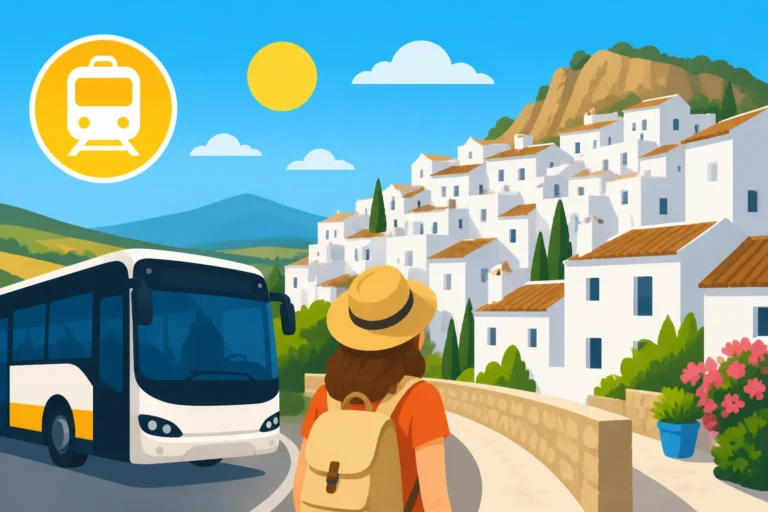
- Public Bus: This is a viable option for several of the more accessible Pueblos Blancos, such as Ronda or Arcos de la Frontera. Buses are generally reliable and affordable. However, flexibility is limited by the timetable, which can be sparse, especially on weekends, and often requires changes in larger towns like Ubrique or Grazalema for smaller destinations. You'll need to check the local bus company websites (e.g., Damas, Los Amarillos) or use a platform like Omio to compare routes and schedules. Omio is a great resource for seeing all your train and bus options in one place, which can save you a lot of headache when planning intercity travel in Spain. While public transport might mean less direct routes to some of the smaller villages, it allows you to relax and enjoy the scenery without the stress of driving. For more general advice, consider reading about Intercity Buses in Spain: Networks, Booking, and Tips.
- Organized Tours: If you prefer a completely stress-free experience, an organized day tour is an excellent choice. Many companies, often departing from Seville, Málaga, or Jerez, offer full-day excursions to multiple Pueblos Blancos, often including Ronda or Zahara de la Sierra. These tours handle all the transportation, sometimes include a guide, and ensure you see the highlights efficiently. While you'll have less autonomy over your schedule, it's a fantastic way to cover a lot of ground without worrying about driving or bus connections. Platforms like GetYourGuide offer a wide selection of reputable tours, allowing you to read reviews and find an itinerary that suits you.
Navigating Within the Villages
Once you arrive at your chosen Pueblo Blanco, the best way to explore is almost always on foot. The charm of these villages lies in their narrow, labyrinthine streets, many of which are pedestrian-only or too steep and tight for cars. Wear comfortable shoes suitable for cobblestones and inclines.
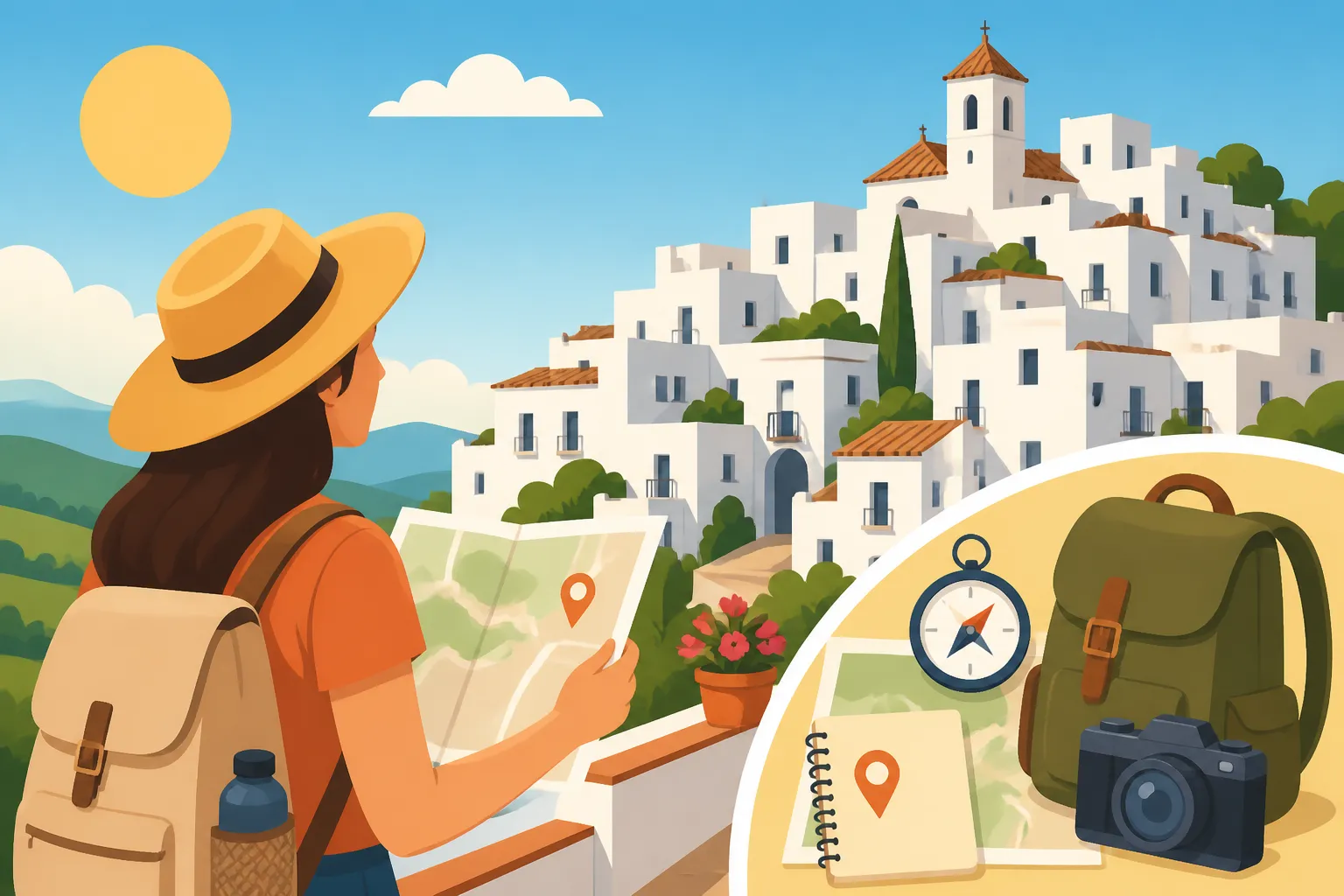
Parking, if you're driving, is usually found on the outskirts. Look for blue-lined spaces (paid parking) or white-lined spaces (free parking) and be mindful of local parking rules. In smaller villages, you might simply find street parking wherever available, but always check for restrictions. Signage can be limited, so having a map or using Google Maps on your phone will be helpful. Be prepared for hills; many of these villages are built on inclines, offering those spectacular views but also a good workout!
Essential Packing and Preparation
A little preparation goes a long way to making your day trip enjoyable.
First, comfortable footwear is non-negotiable. You'll be doing a lot of walking on uneven surfaces.
Second, sun protection is vital, especially during spring, summer, and early autumn. A hat, sunglasses, and high-SPF sunscreen are a must. Even in winter, the Andalusian sun can be surprisingly strong.
Third, carry plenty of water, particularly if you plan on hiking or visiting during warmer months. While there will be cafes, having your own supply is always a good idea.
Fourth, it's wise to have some cash on hand. While larger establishments accept cards, many smaller local shops, family-run cafes, or craft stalls might prefer or even only accept cash. This is especially true in more remote villages.
Finally, a portable power bank for your phone is highly recommended, as you'll likely be using it for navigation, photos, and checking information. Also, consider bringing a light jacket or scarf, as temperatures can drop quickly in the mountains once the sun begins to set, even if it's warm during the day.
Making the Most of Your Day: Activities and Experiences
Once you've navigated the journey and arrived in your chosen Pueblo Blanco, the real fun begins. These villages offer a delightful mix of history, culture, and gastronomy, all within a compact, walkable area.
Must-See Sights and Activities
Each Pueblo Blanco has its own unique treasures, but there are common themes that make exploring them so rewarding. Start by heading to the highest point, usually where a Moorish castle ruin or an ancient church stands. These typically offer the most breathtaking panoramic views of the surrounding countryside and the village itself. For instance, the castle in Zahara de la Sierra provides an incredible vista over the turquoise reservoir. Many villages also boast charming plazas (squares), which are the heart of local life. These are perfect spots to sit on a bench, people-watch, and soak in the atmosphere.
Don't forget to wander through the narrow, winding streets. This is where you'll discover hidden courtyards, vibrant flower pots adorning whitewashed walls, and perhaps a small chapel or a local craft shop. Many villages are known for particular crafts, such as leather goods in Ubrique or blankets in Grazalema. Support local artisans by picking up a unique souvenir. You might even stumble upon a small museum dedicated to the village's history or local traditions. Checking for Spain's Pueblos Blancos: Visiting the White Villages can give you specific highlights for each.
Savoring Local Flavors: Dining in a Pueblo Blanco
No trip to Spain is complete without indulging in its culinary delights, and the Pueblos Blancos are no exception. Lunch (almuerzo) is typically the main meal of the day, often enjoyed between 2 PM and 4 PM. Look for a "Menú del Día" – a set-price menu usually offering two or three courses, bread, and a drink, which provides excellent value and a taste of authentic local cuisine.
Local specialties often include game meats, such as venison or wild boar, due to the proximity to hunting grounds. Olive oil, of course, is a staple, and you'll find incredible quality here. Many villages also produce their own artisanal cheeses and cured meats. Don't shy away from trying the local soups or stews, which are hearty and delicious. After lunch, take a leisurely stroll and perhaps enjoy a coffee and a traditional pastry. For lighter bites, seek out a local tapas bar, which often serves classic Andalusian fare. Understanding Spanish Meal Times and Dining Etiquette Explained can help you navigate your dining experiences with ease.
Timing Your Visit: Seasons and Siestas
The timing of your day trip can significantly impact your experience.
Spring (March to May) is arguably the best time to visit. The weather is pleasantly warm, the countryside is lush and green, and wildflowers are in bloom.
Autumn (September to November) is also lovely, with comfortable temperatures and beautiful autumnal colors, especially in the natural parks.
Summer (June to August) can be very hot, with temperatures often soaring above 35°C (95°F), particularly in July and August. If you visit during summer, plan your activities for the early morning and late afternoon, and embrace the traditional Spanish siesta, which often sees smaller shops closing between 2 PM and 5 PM. Many cafes and restaurants, however, will remain open for lunch service.
Winter (December to February) offers cooler temperatures, which can be ideal for hiking, but some villages might feel quieter, and certain outdoor attractions could have reduced hours.
Always be mindful of public holidays and local fiestas, as these can affect opening hours and transportation, but also offer unique cultural experiences. For instance, Public Holidays in Spain: How They Affect Travel and Opening Hours provides valuable insights into planning around these dates.
When planning your day, remember that most smaller shops and many businesses will close for the afternoon siesta, typically from 2 PM to 5 PM. This is a perfect time for your own long lunch, a quiet coffee, or simply finding a shady spot to relax. Don't fight the rhythm; embrace it!
To give you a clearer picture, here’s a comparison of a few popular Pueblos Blancos suitable for a day trip:
| Pueblo Blanco | Nearest Major City | Main Attractions | Recommended Transport | Time to Allow (Day Trip) | Unique Feature |
|---|---|---|---|---|---|
| Ronda | Málaga / Seville | Puente Nuevo, Bullring, Old Town, Miradores | Car, Bus, Train | 5-7 hours | Iconic bridge spanning a deep gorge |
| Zahara de la Sierra | Ronda / Jerez | Moorish Castle, Reservoir Views, Olive Oil Mills | Car, Organized Tour | 3-4 hours | Majestic castle ruins above a stunning lake |
| Grazalema | Ronda / Ubrique | Natural Park Hiking, Local Crafts, Cheese Factories | Car, Organized Tour | 4-6 hours | Lush mountain setting, known for blankets and rain |
| Arcos de la Frontera | Jerez de la Frontera | Mirador de la Peña Nueva, Basílica, Old Town | Car, Bus | 4-5 hours | Dramatic cliffside location with panoramic views |
Whether you choose the grandeur of Ronda, the serene beauty of Zahara, the rugged charm of Grazalema, or the historic elegance of Arcos, a day trip to a Pueblo Blanco promises an unforgettable glimpse into the heart of Andalucía. You might even find yourself checking Booking.com for a charming rural hotel to extend your stay next time!
Disclaimer
Please note that while every effort has been made to provide accurate and up-to-date information, circumstances such as public transport schedules, opening hours, and local regulations can change. It is always advisable to check the latest information from official sources or local providers before making your travel plans. This guide is for informational purposes only and does not constitute professional advice.