Family Travel in Spain: Kid-Friendly Cities and Activities
Navigating Spain with a family often starts with the sheer panic of realizing that a 10:00 PM dinner reservation is the norm, not the exception. I remember vividly the first time I tried to find a "kiddie menu" in a traditional Castilian village only to be met with a confused shrug and a plate of grilled octopus. This guide is your realistic roadmap to managing the beautiful, chaotic, and deeply rewarding experience of family travel in Spain.
Disclosure: This post may contain affiliate links. We may earn a commission at no extra cost to you if you make a purchase through these links. Read full disclosure.
Choosing the Best Kid-Friendly Cities in Spain
Selecting the right home base is the difference between a relaxing holiday and a logistical nightmare. Spain is generally very welcoming to children, but some cities are simply built better for strollers and short legs. When I first moved here, I was shocked at how much the geography of a city dictated my daily stress levels. You want flat terrain, high park density, and accessible public transport.
Valencia: The City of Science and Sand
Valencia is arguably the gold standard for families in Spain. The city is bisected by the Turia Gardens, a nine-kilometer-long park built in a diverted riverbed. It is entirely flat, shaded, and filled with dozens of playgrounds, including the famous Gulliver Park where kids can climb all over a giant, recumbent figure. Because the park is below street level, it is a safe haven from traffic, making it a perfect spot for parents to breathe while kids burn off energy.
Beyond the greenery, the City of Arts and Sciences is a futuristic marvel that captures the imagination of even the most cynical teenager. The Oceanogràfic is the largest aquarium in Europe, and the Science Museum is strictly "hands-on." I’ve spent countless afternoons here, and the ease of walking from a world-class museum directly onto the wide, sandy beaches of Malvarrosa makes it unbeatable. It is one of those rare places where you don't feel like you are compromising your adult interests for the sake of the children. For more details on why this city ranks so high, check out What Are the Best Cities in Spain for Traveling With Kids?.
Madrid: The Royal Playroom
While the capital might seem intimidatingly large, it is actually a collection of very manageable neighborhoods. The Retiro Park is the heart of the city’s family life. You can rent a rowboat on the lake, watch puppet shows on the weekends, and wander through the Crystal Palace. The sidewalks are generally wide, and the metro system is incredibly efficient, though it is worth noting that not every older station has an elevator. You will quickly learn the "Spanish lift," where two strangers will grab the front of your stroller to help you up the stairs without even being asked.
Madrid also offers a variety of specialized museums that aren't just about paintings. The Museo de Ratón Pérez is a charming spot dedicated to the Spanish equivalent of the Tooth Fairy, while the Casa de Campo offers a massive zoo and an amusement park accessible via a cable car. The view from the Teleférico is a hit with kids and provides a great perspective of the Royal Palace. If you are planning a trip to the capital, you might find Madrid for First-Time Visitors: Neighborhoods and Highlights particularly useful for picking the right area to stay.
Barcelona: Gaudí and the Mediterranean
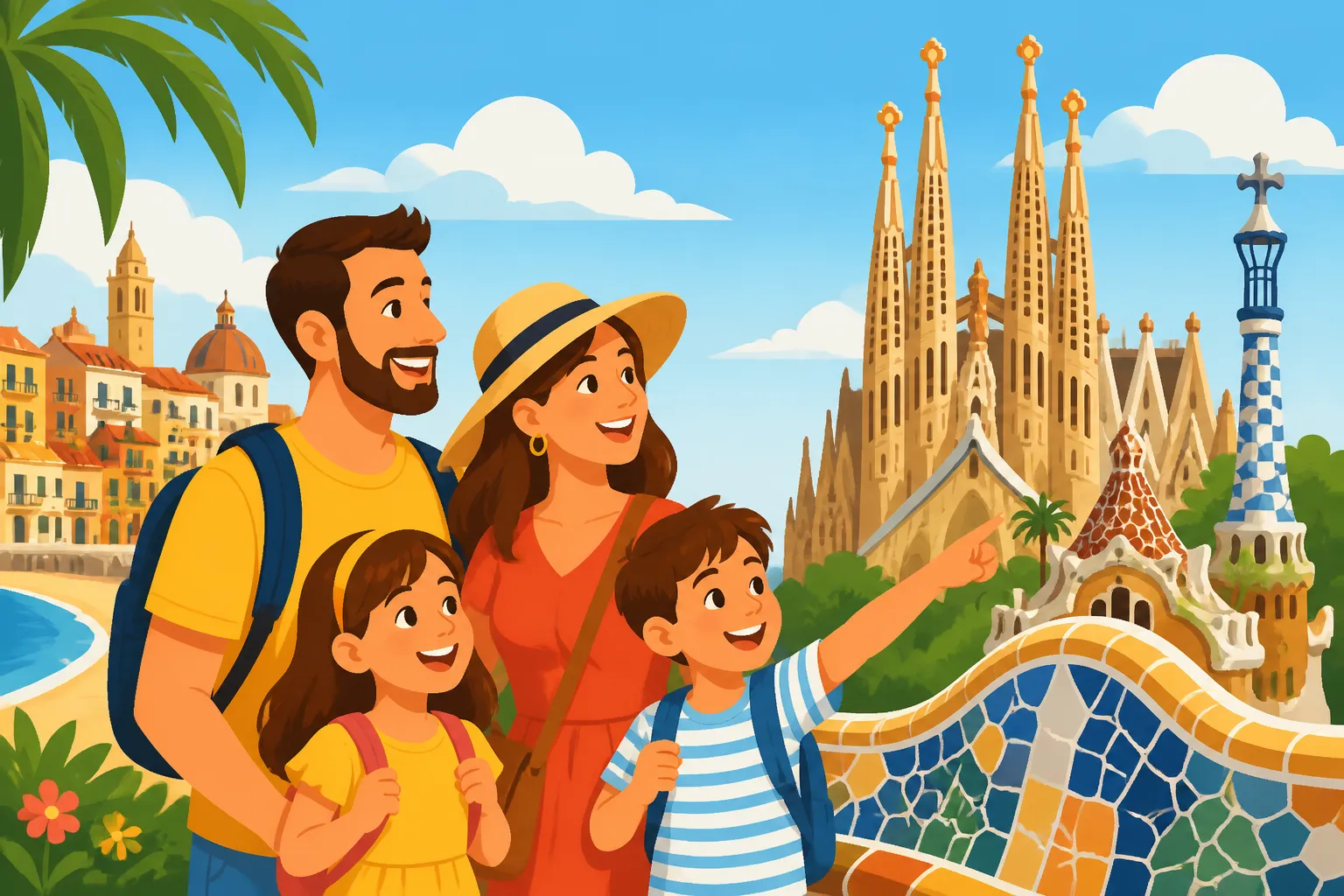
Barcelona is a sensory explosion that kids tend to love. The architecture of Antoni Gaudí looks like something out of a Dr. Seuss book, especially Park Güell and the Sagrada Família. However, Barcelona requires more planning than other cities because of the crowds. Visiting families may want to stay near Poblenou if they have kids; it is quieter, close to the beach, and has a great rambla (walkway) that is much more family-friendly than the famous Las Ramblas in the center.
The city also has the Tibidabo Amusement Park, which sits on a mountain overlooking the Mediterranean. It is one of the oldest in the world, and the vintage rides combined with the view make for a magical afternoon. For those rainy days, the CosmoCaixa Science Museum is one of the best in Europe, featuring an indoor flooded forest and a planetarium. To avoid the most stressful parts of the city, take a look at Barcelona for First-Time Visitors: What to See and Skip.
Navigating Logistics and Transportation
Transporting a family across Spain is a feat of engineering. The country’s infrastructure is excellent, but the way you book and travel matters. Between car seats, strollers, and the sheer volume of luggage that seems to materialize when children are involved, you need a strategy that prioritizes speed and comfort.
Mastering the Spanish Rail Network
The high-speed AVE trains are a godsend for families. Traveling from Madrid to Seville in under three hours beats a long car ride any day. Children under four travel for free if they share a seat, and those under 14 get a significant discount. The "Silent Coach" should be avoided at all costs with toddlers, as the name is taken very seriously by Spanish commuters. Instead, look for the family sections or the cafeteria car, which provides a change of scenery when the kids get restless.
Booking in advance is crucial because prices spike as the date approaches. I often use Omio to compare the different rail operators like Renfe, Iryo, and Ouigo in one place. Each has slightly different luggage policies and seating arrangements, and seeing them side-by-side saves a lot of late-night headache. For a deeper dive into the train system, you can read High-Speed Trains in Spain (AVE): Routes, Booking, and Savings.
Finding the Right Home Base
In Spain, the "Family Room" in a hotel can be a bit of a myth. Often, it just means a standard room with a cramped sofa bed. For this reason, I almost always recommend apartments over traditional hotels. Having a kitchen is a lifesaver when your toddler decides they will only eat plain pasta at 6:00 PM, a time when most Spanish restaurants haven't even turned on their ovens.
When searching on Booking.com, I specifically filter for apartments with a washing machine and a "supermarket nearby" tag. Being able to do a load of laundry mid-trip means you can pack half as much. Also, keep an eye out for the "piso principal" or "entreplanta" labels in older buildings—this often means there are a few stairs before you reach the elevator, so always message the host to confirm true "stroller-free" access. For more advice on accommodation types, check out How to Find Family Rooms and Apartments in Spain.
Understanding the Spanish Daily Rhythm
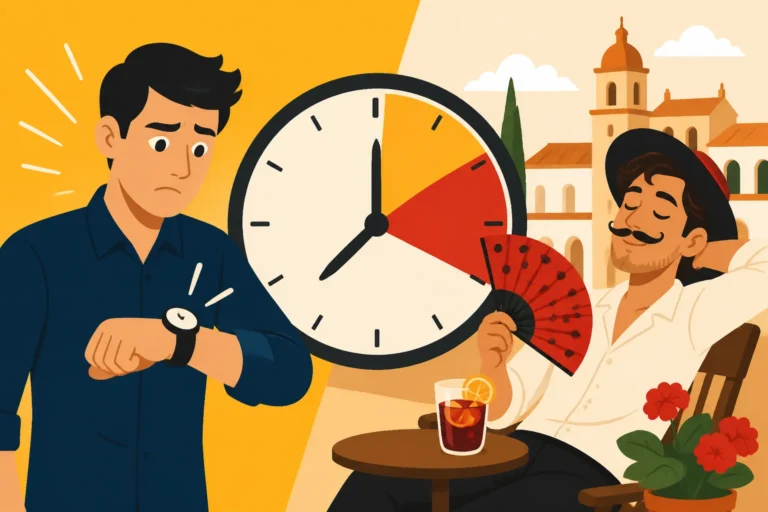
The biggest culture shock for families is the schedule. Spain runs late. Lunch is at 2:00 PM, and dinner rarely starts before 8:30 PM. If you try to stick to a 5:30 PM dinner schedule, you will find yourself eating alone in a tourist trap or a fast-food chain. Adjusting your family’s internal clock is the secret to a happy trip.
The Art of the Siesta and the Merienda
The "siesta" isn't just about sleeping; it’s about escaping the midday heat. Many shops and smaller attractions close between 2:00 PM and 5:00 PM. Use this time for a long lunch followed by some downtime in your apartment or a shaded park. This late-afternoon rest is what allows Spanish children to stay up until midnight during local festivals.
To bridge the gap between lunch and a late dinner, the "merienda" is essential. Around 5:00 PM or 6:00 PM, you’ll see cafes filled with families enjoying chocolate con churros or a sandwich. This afternoon snack is a cultural institution. It keeps the kids going until the restaurants open. If you’re worried about how this will affect your dining experience, Spanish Meal Times and Dining Etiquette Explained offers a great breakdown of what to expect.
Dining Out with Children
The good news is that children are welcome everywhere in Spain. It is perfectly normal to see a toddler in a high-end restaurant at 10:00 PM. Most places don't have a specific "kid's menu," but you can always ask for a "media ración" (half portion) of something simple like croquetas, tortilla de patata, or grilled chicken.
Waiters are generally very patient, but don't expect them to rush. Dining is a social event. If you need the bill quickly, you have to ask for it ("La cuenta, por favor"). A tip for parents: always carry a small bottle of bubbles or some coloring books. Spanish meals can go on for a long time, and while the atmosphere is relaxed, the service is not designed for speed. You can find more tips on this in How to Plan a Stress-Free Family Trip to Spain.
Comparison of Top Family-Friendly Cities
| Feature | Valencia | Madrid | Barcelona | Seville |
|---|---|---|---|---|
| Primary Vibe | Science & Beach | Royal & Grand | Artistic & Urban | Historic & Sunny |
| Best Park | Turia Gardens | Retiro Park | Park Güell | Maria Luisa Park |
| Stroller Ease | 10/10 (Very flat) | 8/10 (Wide sidewalks) | 7/10 (Hills in parts) | 6/10 (Cobblestones) |
| Top Attraction | Oceanogràfic | Zoo Aquarium | Tibidabo | Plaza de España |
| Beach Access | Direct & Easy | None | Direct | None |
Engaging Activities and Outdoor Adventures
Spain is a playground of natural beauty and historical wonders that are surprisingly accessible for families. Beyond the city parks, the country offers unique experiences that combine education with pure fun.
Interactive Experiences and Tours
To keep kids engaged with history, it helps to book guided tours that are specifically designed for families. I’ve used GetYourGuide several times to find scavenger-hunt-style tours of the Gothic Quarter in Barcelona or "skip-the-line" tickets for the Alhambra. Trying to wait in a 90-minute queue with a six-year-old in the Spanish sun is a recipe for disaster. Pre-booking ensures you spend your time seeing the sights rather than managing meltdowns in a line.
Many of the smaller museums in regional Spain are surprisingly interactive. For example, the Chocolate Museum in Astorga or the Puppet Museum in Cádiz are fantastic half-day trips. These niche spots often provide a much-needed break from the "Big Sights" and allow children to engage with Spanish culture on a smaller, more intimate scale. If you are traveling with very young children, you might want to look at How to Travel Spain With a Baby or Toddler for more specific activity ideas.
The Great Outdoors: Vías Verdes
If your family likes to be active, look into the "Vías Verdes" (Greenways). These are old, disused railway lines that have been converted into flat, paved hiking and cycling paths. They are perfect for families because they are completely car-free and pass through some of the most beautiful countryside in Spain.
You can rent bikes, often with child seats or trailers, in the towns along these routes. It’s a fantastic way to see the "real" Spain, away from the city crowds. The scenery changes from olive groves in the south to lush forests in the north. For those interested in this kind of travel, How to Plan a Cycling Trip Along a Spanish Greenway (Vía Verde) provides a list of the best routes for all skill levels.
Health and Safety for the Whole Family
While Spain is a very safe country, there are specific practicalities you should know about before you arrive. The sun is stronger than many people realize, and the pharmacy system works differently than in the US or UK.
Sun Safety and Hydration
The Spanish sun is relentless, especially between June and September. Too many families have their holiday ruined by heatstroke on day two. Sunscreen in Spain (crema solar) can be surprisingly expensive, so I recommend bringing some with you, though the local brands in pharmacies are excellent.
Public water fountains are common in most cities and the water is generally safe to drink, but in coastal areas, the taste can be quite salty. Carrying reusable bottles and filling them at your apartment is the best way to stay hydrated. In the peak of summer, try to plan indoor activities (like museums or shopping) between 12:00 PM and 4:00 PM. For more on staying healthy, read Staying Healthy in Spain: Preventive Care, Vaccines, and Wellness.
Accessing Medical Care
If your child does get sick, the first stop should be a "Farmacia," marked by a glowing green cross. Spanish pharmacists are highly trained and can provide advice and over-the-counter medication for minor ailments like ear infections or rashes.
If you need a doctor, the private healthcare system in Spain is excellent and very affordable compared to the US. Most travel insurance policies will direct you to a private clinic where the staff often speak English. For an overview of how the system works for foreigners, you can check out Public vs Private Dental Care in Spain: What Expats Usually Choose for a comparison of how different specialties are handled, or Emergency Healthcare in Spain: 112, Urgent Care, and What to Expect for more urgent situations.
Disclaimer
The information provided in this guide is for general informational purposes only and does not constitute professional travel, legal, or medical advice. While every effort has been made to ensure the accuracy of the details provided, schedules, prices, and regulations in Spain can change frequently. Always verify specific requirements with local authorities or official service providers before your trip. The author and publisher are not responsible for any loss or inconvenience resulting from the use of this information.