Where to Stay in Tenerife: North vs South Explained
Oh, Tenerife! The island of eternal spring, they call it, and it absolutely delivers on that promise. But as soon as you start looking into where to lay your head, you hit the age-old expat and tourist conundrum: the North versus the South. It's not just a matter of geography; it's a whole different world, a different vibe, and if you pick wrong, it can really shape your entire experience here in Spain. Don't worry, I've been there, staring at maps, reading countless reviews. This guide is here to break down everything you need to know to make the perfect choice for your Tenerife adventure.
Disclosure: This post may contain affiliate links. We may earn a commission at no extra cost to you if you make a purchase through these links. Read full disclosure.
Tenerife North: The Lush, Authentic Heart
When you think of the "real" Canary Islands, often what comes to mind is the rugged, green beauty of the North of Tenerife. It's a place where tradition still holds strong, where the landscapes are dramatic, and where the pace of life feels a little slower, a little more Spanish.
Landscape and Vibe
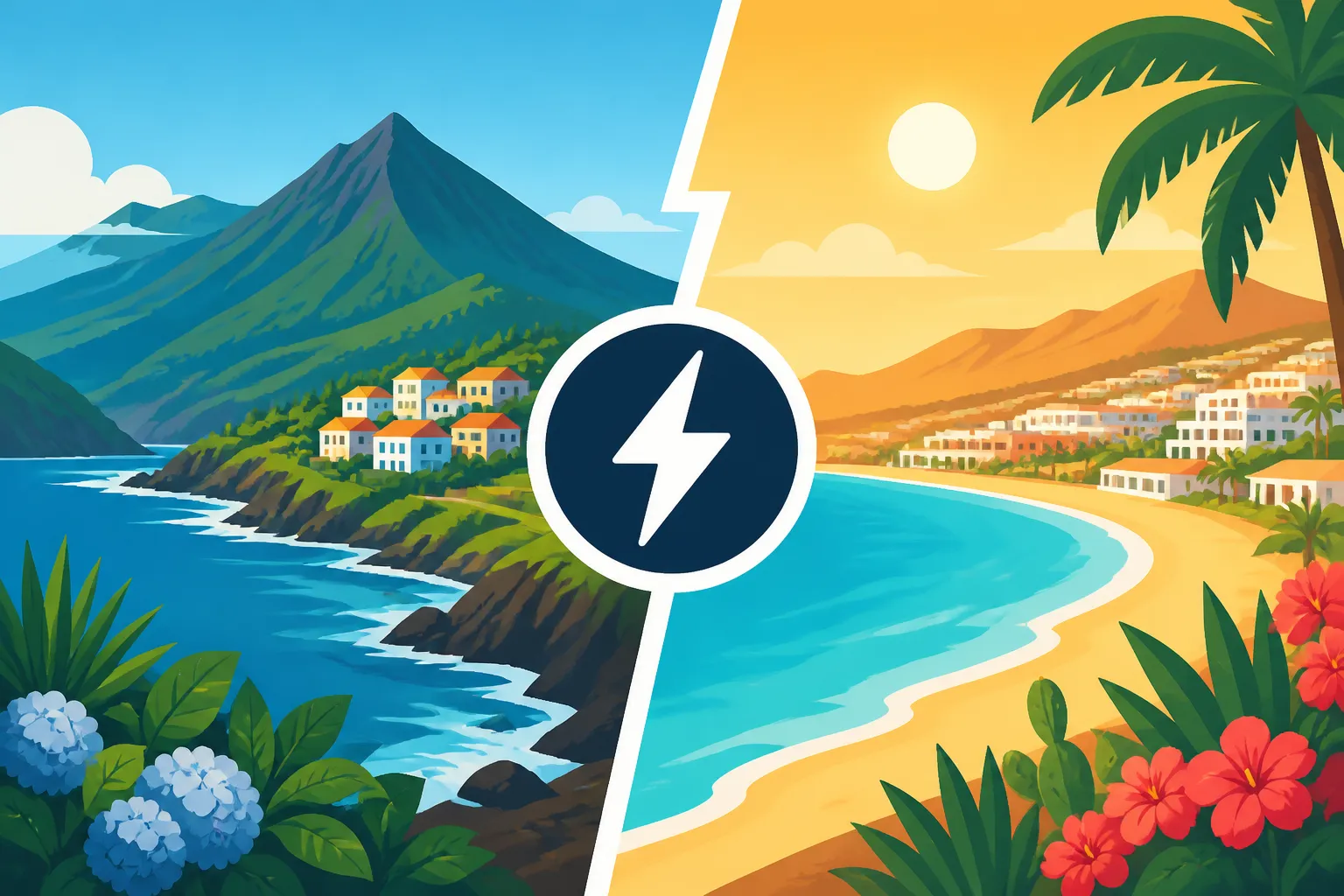
Picture this: winding roads snaking through emerald green valleys, ancient laurel forests clinging to steep hillsides, and volcanic black sand beaches pounded by the Atlantic waves. The north of Tenerife is dramatically beautiful, often covered in a soft, misty cloud that keeps everything lush and verdant. It’s less about manicured resorts and more about natural beauty, historic towns, and a genuine Canarian atmosphere.
The vibe here is distinctly local. You'll find charming colonial architecture, bustling local markets overflowing with fresh produce, and family-run restaurants serving up traditional Canarian fare. It feels more rooted, more connected to the island's heritage. If you're someone who appreciates culture, tranquility, and stunning natural scenery, the North will call to your soul. It’s perfect for those who want to explore, hike, and immerse themselves in a more authentic side of island life. Forget the high-rise hotels; here, you'll find boutique hotels tucked into historic buildings, rural guesthouses, and independent apartments.
Weather Patterns and Microclimates
Now, let's talk weather. This is often the biggest point of contention for visitors. While the South boasts consistent sunshine, the North is known for its microclimates. Due to its proximity to the majestic Teide volcano and its general topography, the North experiences more cloud cover and rainfall, particularly during the winter months (November to March). Don't get me wrong, it's still far from a European winter! Days can be gloriously sunny, but you might also wake up to a soft, misty panza de burro (donkey's belly) cloud hanging over the coastline, which often burns off by midday.
Temperatures in the North are generally a few degrees cooler than the South. In summer, this can be a blessing, offering a comfortable escape from the intense heat. In winter, you might need a light jacket in the evenings. This varied weather is precisely what creates the incredibly fertile landscape, making it a paradise for hikers and nature lovers. You get that amazing contrast between sun-drenched vineyards and misty forests.
Key Towns and Attractions
The North is dotted with picturesque towns, each with its own unique character.
- Puerto de la Cruz: This is perhaps the best-known resort town in the North. It's mature, charming, and boasts beautiful botanical gardens, the famous Lago Martiánez (a complex of saltwater swimming pools designed by César Manrique), and a lovely pedestrianized old town. It offers a more relaxed, less boisterous resort experience than its southern counterparts, with a strong international community alongside local life.
- La Orotava: Nestled in a stunning valley, La Orotava is famous for its well-preserved historic center, magnificent Canarian balconies, and grand mansions. It's a UNESCO World Heritage site candidate and a joy to wander through, especially during the Corpus Christi celebrations when its streets are carpeted with volcanic sand and flower petals.
- Garachico: Once the island's main port, Garachico was partially destroyed by a volcanic eruption in the early 18th century. Today, it's a quaint and beautiful town known for its natural rock pools (El Caletón) where you can swim in the Atlantic in a protected environment. It's incredibly picturesque and a must-visit for its historical resilience.
- Icod de los Vinos: Home to the ancient Dragon Tree (Drago Milenario), a national monument estimated to be hundreds, if not thousands, of years old. The town itself offers a pleasant stroll and traditional Canarian charm.
- Anaga Rural Park: This is a true gem for nature enthusiasts. A UNESCO Biosphere Reserve, it's home to ancient laurel forests, dramatic cliffs, and remote hamlets. Hiking here feels like stepping back in time, into a primeval landscape. If you love exploring nature, this is your playground.
Accommodation Styles and Where to Book
Accommodation in the North leans towards more traditional and authentic options. You'll find fewer massive all-inclusive resorts here. Instead, expect elegant colonial-style hotels in Puerto de la Cruz, charming rural casas rurales (country houses) in the smaller villages, and a good selection of apartments and boutique hotels. Many properties offer stunning views of the ocean or the lush valleys.
When looking for a place, I always start with Booking.com. It's just so comprehensive for finding anything from a budget guesthouse to a luxurious rural hotel. The filters allow you to zero in on specific amenities, guest reviews, and, crucially, location. For the North, you might want to look at properties in or around Puerto de la Cruz for a balance of amenities and access, or dive into the smaller towns like Garachico if you crave ultimate tranquility. You can also explore options further inland, perfect for those planning a hiking-centric trip. The reviews on Booking.com are particularly useful here, as they often give a good sense of the vibe of the area and whether it aligns with what you're looking for.
Tenerife South: Sun-Drenched Shores and Resort Life
Contrast that with the South, and you enter a different universe entirely. This is where most package tourists head, and for good reason – it’s a sun worshiper’s paradise.
Landscape and Vibe
The South of Tenerife is characterized by its arid, often moon-like volcanic landscape, punctuated by expansive stretches of golden and black sand beaches. The scenery is more rugged and dry, a stark contrast to the North's verdant greenery. You'll find perfectly groomed beaches, lively promenades, and a bustling, international atmosphere.
The vibe here is all about holidays, relaxation, and fun in the sun. It’s where you go for guaranteed warmth, lively entertainment, and easy access to tourist amenities. Think vibrant nightlife, watersports, golf courses, and an abundance of restaurants catering to every palate. It's designed for convenience and caters extremely well to families, couples, and groups looking for a classic beach holiday experience without having to worry too much about anything. If your priority is sun, sea, and effortless entertainment, the South delivers in spades.
Weather Patterns and Guaranteed Sunshine
This is the South's major selling point. The weather here is consistently sunny and warm year-round, making it a hugely popular destination even in the depths of winter when much of Europe is shivering. The dry climate means less cloud cover and significantly higher temperatures than the North. It truly is a haven for those seeking to escape the grey skies.
During the peak summer months, temperatures can soar, often exceeding 30°C (86°F), while winters remain pleasantly mild, rarely dipping below 20°C (68°F) during the day. The prevailing trade winds, which bring moisture to the North, generally pass over the South, leaving it drier and sunnier. This reliability is what draws millions of visitors each year who simply want to bask in the warmth. Just remember to pack your sun cream and a good hat! Staying Healthy in Spain: Preventive Care, Vaccines, and Wellness is always a good read before any trip, but especially when you're planning on being out in the sun a lot.
Key Towns and Attractions
The South is home to Tenerife's biggest and most popular tourist resorts:
- Playa de las Américas: This is the heart of the action, known for its vibrant nightlife, endless restaurants, shopping centers, and a wide array of watersports. It’s perfect for those who want to be in the middle of everything and enjoy a lively, energetic atmosphere.
- Los Cristianos: Originally a fishing village, Los Cristianos has grown into a major resort but retains some of its original charm, particularly around its port. It’s a bit more relaxed than Playa de las Américas, popular with families and older visitors, and offers beautiful beaches and excellent ferry connections to La Gomera.
- Costa Adeje: This area is a step up in luxury, featuring five-star hotels, gourmet restaurants, and exclusive beach clubs. It encompasses several smaller, more upscale areas like Fañabé and Del Duque, offering a refined holiday experience with pristine beaches and top-notch facilities.
- El Médano: A complete contrast to the bustling resorts, El Médano is a laid-back, bohemian town famous for its consistent winds, making it a mecca for windsurfing and kitesurfing enthusiasts. It has a relaxed beach vibe, excellent seafood restaurants, and a more local, chilled-out feel.
- Siam Park: While not a town, this world-renowned water kingdom in Costa Adeje is a massive draw for visitors of all ages, consistently ranked as one of the best water parks in the world. Its Thai-themed slides and attractions offer a thrilling day out.
Accommodation Styles and Where to Book
The South is dominated by large resort hotels, often offering all-inclusive packages. You’ll find everything from sprawling family-friendly complexes with multiple pools and entertainment programs to adults-only luxury hotels with spa facilities. There are also plenty of self-catering apartments, holiday villas, and guesthouses.
Again, Booking.com is your best friend here, as it offers an extensive range of options in all the southern resorts. For a lively experience, search in Playa de las Américas. For something more family-oriented or slightly quieter, Los Cristianos. If luxury is your game, Costa Adeje has a plethora of high-end resorts. Filters for "family-friendly," "beachfront," or "adults-only" will quickly narrow down the choices. I always compare facilities, proximity to the beach, and look at recent guest reviews, especially regarding noise levels and food quality if I'm going half-board or all-inclusive. When thinking about where to stay, also consider checking out Accommodation in Spain: Hotels, Hostels, and Rentals for general tips.
A Deep Dive into Climate and Activities
Understanding the nuances of Tenerife's climate is key to choosing your ideal base, as it directly impacts the activities you can enjoy.
Weather Comparisons Throughout the Year
Tenerife’s climate is unique, often described as having "microclimates," but the most significant divide is indeed North vs. South.
- Summer (June-September): Both North and South are warm. The South is hot and dry, with average daily temperatures often above 28°C (82°F) and almost no rain. The North is warm but typically a few degrees cooler, with a higher chance of cloud cover and occasional light showers, especially in the mornings or evenings, which help keep its vegetation vibrant. The misty panza de burro is more common in the North.
- Autumn (October-November): The South remains warm and sunny, making it a popular shoulder season. The North starts to see more cloud and a slight increase in rainfall, though many days are still very pleasant for exploring.
- Winter (December-February): This is where the contrast is most noticeable. The South offers reliably mild, sunny weather, with daytime temperatures hovering around 20-22°C (68-72°F) – perfect for a winter escape. The North is cooler, with more frequent rainfall and cloud. While still warmer than mainland Europe, it's not "beach weather" every day, though there are plenty of sunny spells for hiking and sightseeing.
- Spring (March-May): Both regions warm up. The South quickly becomes reliably hot and sunny. The North also sees less rain and more sunshine, with its landscapes bursting into bloom, making it a beautiful time for nature walks.
Essentially, if guaranteed sunshine and warmth are your absolute top priority, especially outside of peak summer, the South is the safer bet. If you appreciate cooler temperatures, green landscapes, and don't mind a bit of cloud or occasional rain, the North offers a refreshing alternative.
Outdoor Activities for Each Region
The distinct environments naturally lend themselves to different types of activities:
- Activities in the North:
- Hiking: This is the king of activities here. The lush laurel forests of Anaga, the dramatic cliffs of Teno Rural Park, and the scenic trails around La Orotava are a hiker's paradise. The cooler temperatures and diverse terrain make for incredibly rewarding treks.
- Nature Exploration: Birdwatching, photography, and simply immersing yourself in the rich biodiversity are popular. The botanical gardens in Puerto de la Cruz are a testament to the North's fertility.
- Culture and History: Exploring historic towns, visiting museums, and enjoying traditional Canarian fiestas are major draws. You can wander through ancient streets and soak in the local atmosphere.
- Gastronomy: With its rich soil and fishing traditions, the North is fantastic for culinary exploration. Think fresh seafood, local wines, and traditional guachinches (rustic eateries). You can find more specific culinary advice in Spanish Food and Drink: A Practical Culture Guide.
- Activities in the South:
- Beach & Water Sports: Sunbathing, swimming, jet-skiing, parasailing, diving, and boat trips are abundant. The calm, warm waters are perfect for all sorts of marine activities.
- Golf: The South boasts several world-class golf courses, attracting enthusiasts year-round with its sunny weather.
- Family Fun: Water parks like Siam Park, theme parks, and family-friendly resorts with extensive entertainment programs are a huge draw.
- Nightlife & Entertainment: The resorts come alive after dark with bars, clubs, and live music venues, offering plenty of options for evening entertainment.
- Volcano Excursions: While Teide is central, the South offers easier and quicker access to the cable car up Mount Teide (though you can access it from the North too, it's often a longer drive).
Ultimately, your choice depends on whether you seek active, nature-based exploration and cultural immersion, or a more traditional, sun-soaked holiday with a focus on relaxation and entertainment.
Navigating Local Life: Food, Transport, and Costs
Beyond the scenery and activities, the daily practicalities of life and travel also differ between Tenerife North and South.
Culinary Experiences: North vs South
This is where the true heart of Spain often reveals itself, and Tenerife is no exception.
- The North: Here, the culinary scene is more traditional, focused on local ingredients, and often less expensive. You'll find rustic guachinches scattered in the hillsides, serving up homemade wine and simple, hearty Canarian dishes like papas arrugadas (wrinkled potatoes) with mojo sauce, carne de cabra (goat stew), and fresh grilled fish. In towns like Puerto de la Cruz, there's a wider array of international restaurants, but the emphasis remains on quality, fresh produce from the fertile valleys, and traditional recipes. It's an authentic and often more intimate dining experience, where you're more likely to find yourself among locals.
- The South: In the major resorts, the food scene is geared towards international palates. You'll find everything from British pubs and Italian pizzerias to Asian fusion restaurants and high-end steak houses. While there are certainly good restaurants, and many offer excellent fresh seafood, it can sometimes feel a bit more "touristy" and, consequently, pricier than the North. Authentic Canarian eateries exist, of course, but you might have to look a bit harder to find those hidden gems amongst the more generic offerings. If you're staying in an all-inclusive resort, your dining might be mostly on-site, but you'll still have a multitude of options if you venture out.
If you're a foodie eager to try genuine local flavors, the North might offer a more concentrated and accessible experience. If you prefer variety, familiar options, and are happy with more mainstream dining, the South will serve you well.
Getting Around and Public Transport
Navigating the island is an important consideration, especially if you plan to explore beyond your immediate resort.
- The North: While towns like Puerto de la Cruz are walkable, to truly explore the stunning natural parks, historic villages, and hidden beaches of the North, renting a car is highly recommended. Public transport (the TITSA bus system) is extensive and reliable for getting between major towns, but reaching remote hiking trails or smaller hamlets often requires a car. The roads in the North can be winding, steep, and narrow in places, adding to the adventurous feel. For general travel around Spain, you might find tips in Renting a Car in Spain: Requirements, Insurance, and Driving Tips.
- The South: The major resorts in the South are incredibly well-connected by local buses (guaguas) and taxis. You can easily get around Playa de las Américas, Los Cristianos, and Costa Adeje without a car. For excursions to Mount Teide or other parts of the island, tourist buses are plentiful. If you want to explore off the beaten path or visit the North, a rental car is still useful, but it’s less essential for daily resort life. The roads are generally wider and less challenging. How to Get Around a Spanish City Without Speaking Spanish can offer some basic phrases for bus travel if you prefer public transport.
Cost of Living and Tourist Pricing
Your wallet will likely feel the difference too.
- The North: Generally, the North offers a more budget-friendly experience. Accommodation can be slightly cheaper, especially outside of Puerto de la Cruz, and dining at local guachinches or traditional restaurants will often be significantly less expensive. Supermarket prices are standard across the island, but tourist-oriented activities might have slightly lower price tags due to less demand. If you're budgeting for your trip, the North can offer more value for money. Checking out Cost of Living in Spain: Monthly Budget Guide for Expats could give you a broader financial perspective.
- The South: The South, with its higher concentration of international tourism, tends to be more expensive. Accommodation in luxury resorts, dining at prime beachfront locations, and many tourist activities often come with a higher price tag. This isn't to say you can't find good value, but generally, expect to pay a premium for the guaranteed sunshine and extensive amenities. Bargains are harder to come by, and prices are more aligned with typical European holiday destinations.
Who Should Stay Where? Tailoring Your Tenerife Experience
Now for the crucial part: putting it all together to decide what’s best for you.
Ideal Visitors for the North
The North of Tenerife is truly a hidden gem for certain types of travelers and expats.
- Nature Lovers and Hikers: If your idea of a perfect holiday involves strapping on hiking boots and exploring ancient forests, dramatic coastlines, or volcanic landscapes, the North is your paradise. The Anaga Rural Park and Teno Rural Park offer some of the most spectacular trails in all of Spain.
- Culture Seekers: Those who want to delve into authentic Canarian culture, history, and traditions will find more opportunities in the North. Wander through the cobbled streets of La Orotava, explore local markets, and immerse yourself in a less commercialized environment.
- Foodies: If you’re eager to try genuine local cuisine, including fresh seafood, traditional stews, and local wines at authentic guachinches, the North offers a richer, more accessible gastronomic experience.
- Those Seeking Tranquility and a Slower Pace: If you want to escape the hustle and bustle, prefer quiet evenings, and appreciate a serene atmosphere, the North provides a much more relaxed setting. It’s perfect for unwinding and connecting with the natural environment.
- Expats Seeking Integration: Many expats who choose to live in the North do so because they want to immerse themselves more in Spanish culture and have a more authentic local experience.
- Couples and Independent Travelers: Often ideal for those looking for a romantic getaway or an adventurous trip, rather than a family-focused resort holiday.
Ideal Visitors for the South
The South caters to a different, but equally valid, set of preferences.
- Sun Worshippers: If guaranteed sunshine and consistent warmth are your absolute top priority, especially during the European winter months, the South is unrivaled. Beach days are a given here.
- Families with Children: With numerous family-friendly resorts, water parks, safe beaches, and extensive kids' entertainment programs, the South is a fantastic choice for families looking for an easy, fun-filled holiday.
- Party-Goers and Those Seeking Lively Entertainment: Playa de las Américas, in particular, offers a vibrant nightlife scene, with bars, clubs, and live music. If you want to be where the action is, the South delivers.
- Convenience and Amenities: If you prefer having everything at your fingertips – a wide array of international restaurants, shops, and easy access to tourist services – the South is designed for maximum convenience.
- Golf Enthusiasts: The South's consistent sunny weather makes it ideal for golf, with several high-quality courses to choose from.
- Those on All-Inclusive Holidays: Many of the large resorts in the South offer excellent all-inclusive packages, making for a stress-free holiday experience where everything is taken care of.
The Best of Both Worlds: Hybrid Stays
What if you're torn? What if you love hiking and want some guaranteed beach time? Many savvy travelers opt for a hybrid approach! This is totally doable, and often recommended, especially for longer stays. You could:
- Split Your Trip: Spend a few days in the lush North, exploring its towns and hiking trails, then move to the sunny South for some pure relaxation by the pool or beach.
- Day Trips: Base yourself in one region and take day trips to the other. A drive from Puerto de la Cruz to Costa Adeje takes about an hour, mostly on good highways. From the South, you can easily access Teide National Park, which sits right in the middle, and continue North for a taste of its greenery.
- Rent a Car: This is the ultimate enabler for a hybrid experience. A rental car gives you the freedom to explore both sides of the island at your own pace.
For splitting your stay, Booking.com is fantastic for finding accommodations in different locations for different parts of your trip. Their flexible search options allow you to easily book a week in Puerto de la Cruz and then another week in Costa Adeje, for example, comparing different types of properties to suit your varying needs throughout your holiday.
Let's quickly sum up the differences in a handy table:
| Feature | Tenerife North | Tenerife South |
|---|---|---|
| Landscape | Lush, green, dramatic, forested, volcanic cliffs | Arid, dry, sunny, sandy beaches, scrubland |
| Weather | Cooler, more varied, prone to cloud/mist | Hotter, sunnier, very consistent, drier |
| Vibe | Authentic, traditional, cultural, relaxed | Resort-focused, lively, international, energetic |
| Activities | Hiking, nature, culture, local gastronomy | Beaches, watersports, golf, nightlife, theme parks |
| Dining | Traditional Canarian, local prices, guachinches | International, varied, often higher prices |
| Accommodation | Boutique hotels, casas rurales, apartments | Large resorts (often all-inclusive), luxury hotels |
| Exploration | Best with a rental car, winding roads | Easy to get around by public transport/taxi, good roads to explore island |
| Cost | Generally more budget-friendly | Generally more expensive, premium for sun |
Making Your Choice: Practical Tips and Booking Hacks
Deciding on your ideal Tenerife base boils down to understanding your travel priorities. Here are some final tips to help you seal the deal and make your booking.
Consider Your Travel Style and Priorities
Before you even start browsing hotels, sit down and honestly ask yourself:
- What's the main purpose of this trip? Is it pure relaxation and sun, or adventure and exploration?
- What's my budget? Am I looking for luxury, mid-range, or budget-friendly options?
- Who am I traveling with? Is it a solo trip, a romantic getaway, a family holiday with young children, or a group of friends?
- How important is consistent warm weather? Do I need guaranteed sunshine, or do I appreciate varied weather for active pursuits?
- Do I want to experience local culture, or prefer a familiar, international resort environment?
- Will I rent a car, or rely on public transport/taxis? This is huge for the North.
- What kind of food experiences am I looking for?
Your answers to these questions will quickly point you in the right direction. For example, if you're traveling with young kids and want easy access to the beach and pools, and don't plan on much driving, the South is a no-brainer. If you're a couple keen on exploring hiking trails and enjoying quiet, traditional dinners, the North calls your name.
Remember that Travel Insurance for Trips to and Within Spain is always a good idea, no matter which side of the island you choose, to cover unexpected eventualities. Also, make sure you've got your mobile data sorted with Mobile Data and eSIMs for Travel in Spain so you can navigate and stay connected wherever you are.
Maximizing Your Stay with Smart Booking
Once you have a clearer idea of your preferred region, it's time to find that perfect spot. And honestly, for sheer range and flexibility, I almost exclusively use Booking.com when planning my stays in Spain. Here's why and how to use it effectively:
- Unrivaled Selection: Booking.com has an incredible inventory of properties across both the North and South of Tenerife. From rustic casas rurales in remote northern villages to sprawling five-star resorts in Costa Adeje, they cover every type of accommodation you could imagine.
- Powerful Filters: This is where Booking.com truly shines. You can filter by:
- Location: Pinpoint exact towns or even neighborhoods.
- Price Range: Stick to your budget.
- Property Type: Hotel, apartment, villa, guesthouse – you name it.
- Amenities: Pool, beachfront, free Wi-Fi, air conditioning (crucial for the South!), parking (essential for the North if you rent a car!), family rooms, pet-friendly options, and so much more.
- Review Score: This is invaluable. Read recent reviews to get a real feel for the property and its immediate surroundings. Look for comments on noise, staff, cleanliness, and breakfast quality.
- Flexible Booking Options: Many properties on Booking.com offer free cancellation, which is a lifesaver if your plans are still a little fluid. This means you can secure a great deal early and adjust if needed.
- Transparent Pricing: You typically see the total price upfront, including taxes, making it easier to compare options without hidden surprises.
So, head over to Booking.com, punch in "Tenerife North" or "Tenerife South" (or specific towns like "Puerto de la Cruz" or "Costa Adeje"), and apply those filters that truly matter to your trip. Read through those reviews, especially from people with similar travel styles to yours. Find that perfect base, whether it's a cozy nook in a northern village or a bustling resort in the southern sunshine, and get ready for an unforgettable time in this incredible Spanish paradise!
Disclaimer
Please remember that travel information, prices, and regulations can change. While I strive to provide the most up-to-date and accurate advice based on my experience and available resources, it's always wise to double-check specific details, especially those concerning visas, health, and local laws, with official sources before making your final arrangements. This guide is for informational purposes only and should not be considered legal or professional advice.