What to Bring to Your First Doctor Visit in Spain (Documents Checklist)
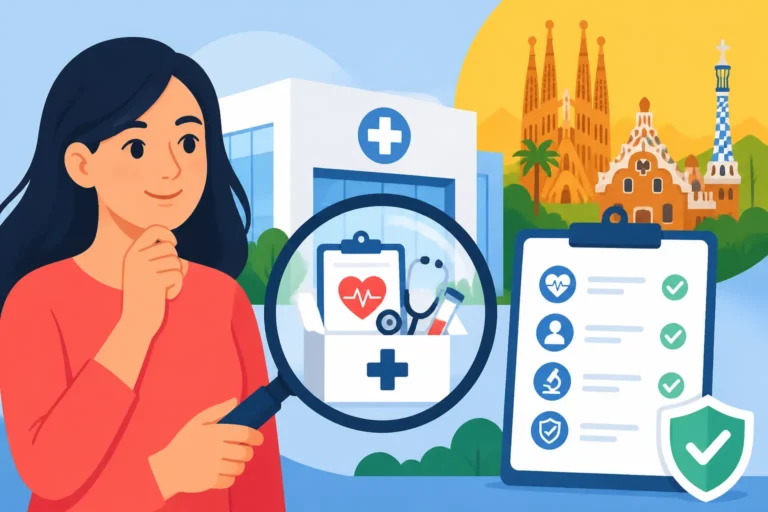
Preparing for your first doctor visit in Spain requires specific paperwork depending on whether you use the public or private healthcare system. This checklist covers essential identification, medical records, and communication tools needed for a stress-free medical consultation.
Disclosure: This post may contain affiliate links. We may earn a commission at no extra cost to you if you make a purchase through these links. Read full disclosure.
Understanding the Spanish Healthcare Landscape
Before you pack your bag for the clinic, it is vital to understand which branch of the Spanish medical system you are navigating. Your documentation requirements hinge entirely on this distinction.
Spain operates a dual healthcare system. The public healthcare system is funded by social security contributions and provides free, universal access to residents who contribute to the system, as well as to specific protected groups such as minors and pregnant women. To understand your eligibility and how this massive infrastructure functions, you should review our guide on Understanding the Spanish Public Healthcare vs Private Healthcare System.
Operating parallel to the public system is the robust private healthcare sector. Many expatriates, retirees, and digital nomads opt for private health insurance to bypass public waiting lists, gain direct access to specialists, and increase their chances of finding English-speaking medical professionals. The administrative check-in process at a private hospital is entirely different from that of a public neighborhood clinic.
Mandatory Identification Documents
Regardless of whether you are visiting a public health center or a luxury private hospital, you must always prove your legal identity. Medical identity theft is a serious concern, and Spanish receptionists are legally required to verify that the person on the appointment ledger matches the person standing in front of them.
You should always bring at least one, and ideally two, of the following official identification documents:
- Passport: For new arrivals who have not yet secured their local Spanish residency cards, your original passport from your home country is the ultimate proof of identity. Do not bring a photocopy to your first visit; bring the physical booklet.
- Foreigner Identity Card: If you are a non-EU citizen who has completed the immigration process, you must bring your physical Tarjeta de Identidad de Extranjero (TIE). This card contains your photograph, your fingerprint biometric data, and your NIE number.
- EU Citizen Registration Certificate: If you are a citizen of the European Union, you should bring your green paper certificate or card along with your national ID card or passport.
- Foreigner Identification Number: Even if you do not have the physical TIE card yet, you must know your NIE (Número de Identidad de Extranjero). This number is the master key to your administrative life in Spain and will be used to track your medical file.
The Public System Documents Checklist
If you are visiting your local public health clinic, known as the Centro de Salud, you are entering a highly regulated, neighborhood-based system. Your first visit to your assigned primary care physician, the médico de cabecera, requires specific regional documentation.
The Health Card
Your most important possession is your public health card. Because healthcare is decentralized, this card goes by different names depending on your region, though it is universally recognized as the Tarjeta Sanitaria Individual (TSI).
- In Madrid, you will look for your CIPA number on the card.
- In the Valencian Community, this is known as your SIP card.
- In Catalonia, it is managed by CatSalut.
If you have recently registered for public healthcare but have not yet received your physical plastic card in the mail, you must bring the official paper printout provided by the clinic during your registration. This paper contains your temporary identification number and is fully valid for medical appointments. If you have not yet initiated this process, learn how to secure your coverage in our step-by-step breakdown on How to Get a Spanish Health Card Tarjeta Sanitaria.
Proof of Address
While not strictly required for every single visit, it is highly advisable to bring a recent copy of your registration certificate from the town hall, known as the Certificado de Empadronamiento, to your very first appointment. Public healthcare is assigned strictly by residential zoning. If there is a glitch in the computer system regarding your catchment area, handing the receptionist your Padrón certificate instantly proves that you belong to that specific clinic.
The European Health Insurance Card
If you are a visitor, a tourist, or a short-term student from another European Union member state, you might not have a Spanish Tarjeta Sanitaria. In this case, you must bring your valid European Health Insurance Card (EHIC). This card guarantees your right to access state-provided healthcare in Spain during a temporary stay under the same conditions and at the same cost as people insured in Spain.
The Private System Documents Checklist
Visiting a private clinic or hospital involves a much more streamlined, commercially oriented check-in process. Private facilities are accustomed to international patients, but they are incredibly strict about verifying your insurance coverage before rendering services.
The Private Insurance Card
You must present the physical or digital membership card provided by your private health insurance company (such as Sanitas, Adeslas, DKV, or Asisa). This card contains your policy number and specifies your level of coverage. Many modern Spanish insurers now utilize digital wallets, allowing you to show a barcode on your smartphone, but bringing the physical plastic card to your first visit is always the safest bet in case of Wi-Fi or battery issues. If you are currently evaluating your coverage options, you can explore the top providers by Choosing the Right Private Health Insurance in Spain.
Pre-Authorization Documents
If your first visit is not with a general practitioner but with a highly specialized doctor, or if you are arriving for a specific diagnostic test like an MRI or an ultrasound, you must bring your authorization paperwork.
In the Spanish private system, certain expensive tests and specialist visits require a Volante de Autorización. This means your insurance company has pre-approved the procedure. Bring the physical printout of this authorization code, as the clinic cannot bill your insurance without it.
Payment Methods
Even with comprehensive private insurance, some policies include minor copayments (copagos) ranging from three to fifteen euros per visit. Always bring a physical credit or debit card, as well as a small amount of cash, to settle any minor administrative fees at the front desk before you leave.
Preparing Your Medical History and Records
Spanish doctors are thorough and highly analytical. Your first appointment is essentially a data-gathering mission. Because your Spanish medical file is completely blank, it is your responsibility to populate it with accurate historical data.
Translated Medical Records
Do not assume that a Spanish doctor will have the time or the linguistic ability to decipher fifty pages of medical history written in English, German, or Swedish. You should bring copies of your most critical medical records, specifically those pertaining to chronic illnesses, past surgeries, and severe allergies.
To ensure clear communication, you should have these key documents translated into Spanish. While a certified sworn translation is not legally required for a standard doctor’s visit, providing a clean, accurate translation shows respect for the doctor’s time and drastically reduces the margin for medical error.
Chronological Summaries
Instead of handing the doctor a massive folder of disorganized papers, create a one-page summary sheet in Spanish. This should include:
- Major Surgeries: Listed by year and procedure.
- Chronic Conditions: Such as hypertension, diabetes, or asthma.
- Family Medical History: Specifically highlighting immediate family history of cardiac issues, cancer, or hereditary diseases.
- Allergies: This is critical. List any known allergies to medications, particularly antibiotics like penicillin, in bold Spanish text (e.g., Alergia a la penicilina).
Medication Lists and Active Ingredients
One of the most common mistakes expatriates make during their first doctor visit is using brand names to describe their current medications. Pharmaceutical brand names vary wildly across international borders. If you tell a Spanish doctor you take “Tylenol” or “Advil,” they may not immediately recognize the terms.
Use Generic Chemical Names
You must prepare a printed list of all the medications, vitamins, and supplements you currently take. For every prescription drug, write down the active chemical ingredient, the exact milligram dosage, and the frequency of use.
For example:
- Instead of Tylenol, write Paracetamol.
- Instead of Advil, write Ibuprofeno.
- Instead of Lipitor, write Atorvastatina.
If you have physical packaging from your home country, bring the empty boxes or the blister packs with you. The doctor can read the active ingredients directly from the box. This ensures they can prescribe the exact Spanish equivalent. To understand how to take these new prescriptions to the local chemist, review our Spanish Pharmacy Guide Prescriptions and Over the Counter Medicine.
Communication Tools for Non Spanish Speakers
If you do not speak fluent Spanish, your first doctor visit can be a source of immense anxiety. While younger medical professionals in Spain often possess a strong command of English, you should never assume that your randomly assigned public doctor will be willing or able to conduct a highly technical medical consultation in a foreign language.
Bring a Translator
If your Spanish is basic, the most effective strategy is to bring a bilingual friend, family member, or a hired medical interpreter to your appointment. In the public healthcare system, clinics do not provide on-site translators for routine visits. Having an advocate in the room ensures that you fully understand your diagnosis and the prescribed treatment plan.
If you prefer privacy and wish to manage your healthcare independently in English, you must proactively seek out bilingual professionals within the private sector. You can learn actionable strategies for locating these specific clinics by reading How to Find an English-Speaking Doctor in Spain.
Smartphone Translation Apps
If you must attend the appointment alone, equip your smartphone with a robust translation application like Google Translate or DeepL. Ensure you have downloaded the Spanish language pack for offline use, as clinic waiting rooms, which are often located deep inside concrete buildings, are notorious for having terrible cellular reception.
You can use the conversation mode to bridge basic gaps, but remember that automated translation software can struggle with complex medical jargon. It is always better to have your symptoms written down in Spanish before you arrive.
Navigating the Waiting Room and Check In Process
Arriving at the clinic with the right documents is only half the battle; you must also understand the cultural and administrative flow of a Spanish medical facility.
The Check In Desk
When you enter a public Centro de Salud or a private clinic, you must head immediately to the reception desk, known as the mostrador. Hand the administrative staff your health card and your identification.
State clearly that you have an appointment: “Tengo una cita con el doctor [Doctor’s Last Name] a las [Time].”
In many modern public clinics, the physical check-in desk has been supplemented by automated ticketing machines near the entrance. You simply insert your health card into the machine or scan the barcode on your mobile health app, and the machine will print a small paper ticket with an alphanumeric code (e.g., A-45).
The Waiting Area
Once checked in, proceed to the designated waiting area (sala de espera). Pay close attention to the digital screens mounted on the walls. When your doctor is ready, your ticket number will flash on the screen alongside a consultation room number (consulta).
In older clinics that lack digital screens, the doctor or a nurse will simply open their door and call out your first and last name. Spanish culture values punctuality in medical settings, but doctors often run late due to complex cases. Bring a book or your phone, and practice patience.
Special Requirements for Pediatric and Specialist Visits
If your first visit is not for yourself, but for your child, or if you are attending a specialized consultation, the document checklist expands slightly.
Pediatric Appointments
Spain boasts an incredible pediatric healthcare system. If you are bringing your child for their first check-up, you must bring their specific Tarjeta Sanitaria. More importantly, you must bring their official vaccination record from your home country.
The Spanish pediatric vaccination schedule is rigorous and highly organized. The pediatrician will need to review your child’s overseas vaccination history to map it against the Spanish calendar and determine if any catch-up doses are required. You should also bring the Libro de Familia (Family Book) or an official birth certificate to verify your guardianship. For a comprehensive overview of childhood medical protocols, consult Women’s and Family Health in Spain Maternity Pediatrics and Screening.
Specialist Referrals
In the public system, you cannot simply book an appointment with a specialist like a dermatologist or a cardiologist. You must first see your general practitioner, who will issue an official referral document known as a volante de derivación. If you have been granted a specialist appointment, you must bring this physical or digital referral slip with you, alongside any relevant diagnostic imaging, such as X-ray films or MRI discs, that pertain to the specific condition.
Quick Reference Document Comparison Table
To ensure your bag is perfectly packed before you leave your home, use this comparative checklist tailored to your specific healthcare pathway.
| Document Category | Public Health Clinic (Centro de Salud) | Private Hospital / Clinic |
| Primary Identification | TIE, NIE Certificate, or Passport | TIE, NIE Certificate, or Passport |
| Health Coverage Proof | Tarjeta Sanitaria (or temporary paper) | Private Insurance Card |
| Proof of Residency | Padrón Certificate (Recommended) | Not required |
| Medical History | Translated summaries, past records | Translated summaries, past records |
| Medication List | Generic chemical names and dosages | Generic chemical names and dosages |
| Additional Paperwork | EHIC (If applicable tourist/student) | Authorization codes (Volantes) |
Post Consultation Steps
Your doctor visit does not end when you walk out of the consultation room. The final administrative steps are crucial for ensuring your ongoing health management.
If your doctor prescribes medication, they will load the prescription electronically onto your health profile. In the public system, this is known as the receta electrónica. You do not receive a physical paper slip. Instead, you walk into any neighborhood pharmacy, hand the pharmacist your plastic Tarjeta Sanitaria, and their computer system will instantly display the medications your doctor authorized, applying the massive state subsidies automatically.
If the doctor orders follow-up blood tests or refers you to a specialist, ensure you stop back at the reception desk before leaving the building. The administrative staff must officially book these follow-up appointments into the system and provide you with a printed confirmation slip containing the dates and times.
Conclusion
Your first doctor visit in Spain sets the tone for your ongoing healthcare experience in your new home. While the bureaucratic demands of the Spanish system can initially seem rigid, they are designed to maintain the integrity and efficiency of a world-class medical network.
By taking a proactive approach to your documentation, you eliminate the stress of administrative rejection. Ensure you have your physical identification, the correct health cards, and a clearly translated, generic-ingredient medication list readily available. Whether you are navigating the neighborhood public clinic or a sleek private hospital, arriving prepared, punctual, and equipped with the right communication tools allows both you and your new Spanish physician to focus entirely on what truly matters: your long-term health and wellbeing in Spain.
References
Primary sources (official)
- Ministerio de Sanidad (Spanish Ministry of Health – Patient Rights and Information): https://www.sanidad.gob.es/
- Seguridad Social (Social Security Portal for Healthcare Entitlement): https://sede.seg-social.gob.es/
- Administración General del Estado (Information on the Tarjeta Sanitaria Individual): https://administracion.gob.es/
Other helpful sources
- Expatica (Healthcare in Spain: A Guide for Expats): https://www.expatica.com/es/healthcare/healthcare-basics/healthcare-in-spain-101467/
- Age in Spain (Navigating the Spanish Healthcare System): https://www.ageinspain.org/post/healthcare-in-spain-a-guide-for-expats
Disclaimer
The information provided in this article is for educational and informational purposes only and does not constitute formal medical, legal, or administrative advice. Required documentation for medical appointments may vary depending on the specific policies of individual private hospitals and the regional regulations of Spain’s Autonomous Communities. We strongly recommend verifying the exact check-in requirements directly with your designated health clinic or private insurance provider prior to your scheduled consultation.