Spanish Wine Regions: A Beginner’s Guide
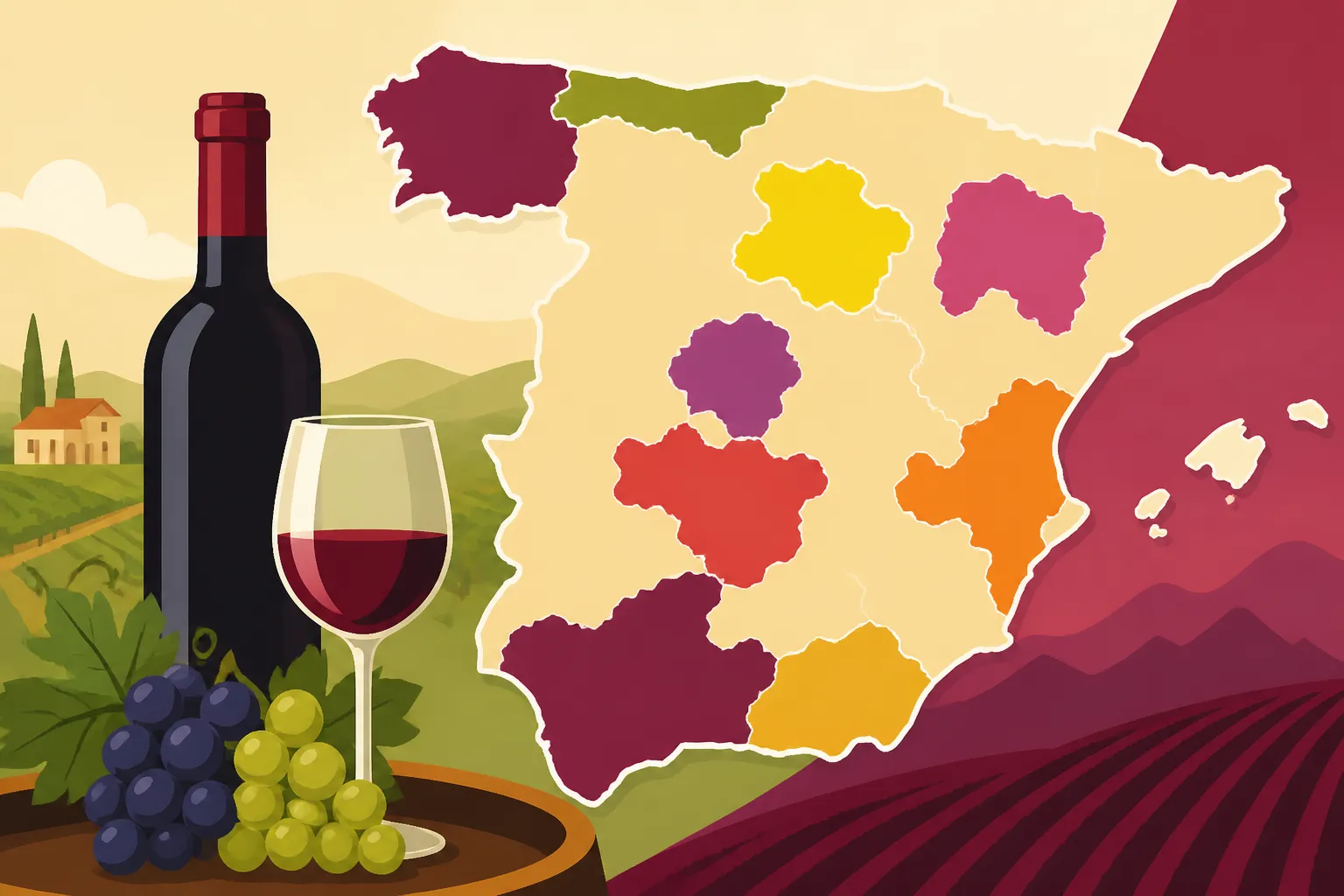
Staring at a massive wall of bottles in a Spanish supermarket can feel like trying to solve a Rubik’s cube while blindfolded. I remember my first week living in Madrid, standing in front of a shelf of Riojas and Riberas, feeling completely paralyzed by the cryptic labels and the sheer variety of regions I had never heard of. This guide is designed to demystify the major Spanish wine regions so you can navigate any wine list or shop with the confidence of a local.
Disclosure: This post may contain affiliate links. We may earn a commission at no extra cost to you if you make a purchase through these links. Read full disclosure.
The Pillars of Red Wine Rioja and Ribera del Duero
When most people think of Spanish red wine, their minds go straight to Rioja. It is the heavyweight champion for a reason, but it is not the only player in the game. Understanding the rivalry and the differences between Rioja and its neighbor, Ribera del Duero, is the first step toward mastering the Spanish wine landscape. Both regions primarily use the Tempranillo grape, but the results are worlds apart due to climate, soil, and tradition.
Rioja The Traditional Heart of Spanish Viticulture
Rioja was the first region in Spain to receive the DOCa (Denominación de Origen Calificada) status, which is the highest tier of wine classification in the country. Geographically, it is split into three sub-regions: Rioja Alta, Rioja Alavesa, and Rioja Oriental. If you are looking for that classic, elegant profile with notes of vanilla, tobacco, and leather, you are likely drinking a Rioja Alta. The wines here are known for their acidity and aging potential.
What really confuses newcomers are the aging categories. In Rioja, the law dictates exactly how long a wine must sit in oak barrels and bottles before it can be sold. A Crianza is your everyday reliable red, aged for at least two years. A Reserva is where things get serious, requiring three years of aging, while a Gran Reserva is a labor of love, often aged for five years or more. I’ve found that many expats overlook the Gran Reservas because of the price tag, but compared to French equivalents, they are an absolute steal for the complexity you get. When planning a trip to the region, you can easily use Omio to book a train from Madrid to Logroño, the heart of Rioja, to see these historic bodegas in person.
Ribera del Duero Bold Modern and Powerful
If Rioja is the elegant aristocrat, Ribera del Duero is the bold, muscular athlete. Located on a high-altitude plateau in Castile and León, the vines here endure "nine months of winter and three months of hell," as the locals say. This extreme temperature swing creates grapes with thick skins and intense concentration. The Tempranillo here is often called Tinto Fino or Tinto del País, and it produces wines that are darker, fruitier, and much more tannic than those from Rioja.
In a restaurant setting, if you are eating a heavy meat dish like cordero lechal (roast milk-fed lamb), a Ribera del Duero is almost always the better pairing. While Rioja relies heavily on American oak (giving it that vanilla scent), Ribera producers often lean toward French oak, which imparts spicier, more toasted notes. If you're interested in the culinary context of these pairings, I highly recommend checking out Spanish Food and Drink: A Practical Culture Guide for more on how to eat like a Spaniard.
The White Wine Revolution Rías Baixas and Rueda
For a long time, Spain was viewed internationally as a "red wine country," but that has changed dramatically. The white wines coming out of the north and the center of the country are some of the most exciting in Europe. If you are sitting on a terrace in the middle of a July heatwave, these are the regions you need to look for on the menu.
Rías Baixas The Atlantic Spirit of Albariño
Tucked away in the rainy, green corner of Galicia is Rías Baixas. This is the home of Albariño, a grape that thrives in the salty Atlantic breeze. The first time I visited Galicia, I was struck by how the vines are grown on tall stone pergolas called parras. This isn't just for aesthetics; it keeps the grapes off the damp ground to prevent rot in the humid climate.
Albariño is the ultimate seafood wine. It is high in acidity, floral, and often has a distinct saline finish that makes it taste like the ocean. It is the perfect companion for the region's famous octopus or scallops. When looking for a place to stay while exploring the Rías Baixas wine route, Booking.com offers some fantastic "pazos" (traditional Galician manor houses) that are situated right in the middle of the vineyards. For more tips on navigating Galician menus, see our guide on Regional Spanish Dishes Every Visitor Should Try.
Rueda The Crisp Freshness of Verdejo
South of Galicia, in the province of Valladolid, lies Rueda. This region is dominated by the Verdejo grape. While Albariño is floral and saline, Verdejo is more herbal and citrusy, often with a pleasant bitter finish that reminds me of green apple or laurel. It is incredibly prolific and usually the most affordable white wine on any Spanish wine list.
One thing to watch out for is that Rueda also produces Sauvignon Blanc, which has become quite popular there. However, if you want the authentic taste of the region, stick to the bottles labeled "Rueda Verdejo." It’s a great "house wine" choice because it’s consistently high quality even at lower price points. Learning to order these correctly is part of the fun; you might find our Spanish Tapas Culture: How to Order and Where to Go guide useful for your next night out.
Comparison of Spanish Wine Aging Requirements
Understanding the terminology on the back of the bottle is half the battle. Here is a breakdown of what those aging terms actually mean for red wines in the most regulated regions.
| Category | Total Aging Time | Minimum Time in Oak | Minimum Time in Bottle |
|---|---|---|---|
| Joven | 0-12 Months | None required | None required |
| Crianza | 24 Months | 6-12 Months | 12 Months |
| Reserva | 36 Months | 12 Months | 24 Months |
| Gran Reserva | 60 Months | 18-24 Months | 36 Months |
The Sparkle and the Strength Cava and Sherry
No guide to Spanish wine would be complete without mentioning the two extremes of the spectrum: the bubbly Cava of Catalonia and the fortified Sherry of Andalusia. Both suffer from some unfair stereotypes, but they are among the most technical and rewarding wines Spain produces.
Cava Spain’s Answer to Champagne
Cava is primarily produced in the Penedès region of Catalonia, just a short trip from Barcelona. Unlike Prosecco, which is made in large tanks, Cava is made using the "Traditional Method," the same process used in Champagne. This means the second fermentation happens inside each individual bottle, creating fine bubbles and complex flavors of toasted bread and nuts.
The primary grapes used are Macabeo, Xarel-lo, and Parellada. Because of the Mediterranean climate, Cava tends to be less acidic and fruitier than Champagne. It is also remarkably versatile. In Spain, we don’t just drink Cava for celebrations; it is a common accompaniment to an entire meal, from start to finish. If you want to dive deep into the production, there are excellent tours available through GetYourGuide that take you into the massive underground cellars of producers like Freixenet or Codorníu.
Sherry The Hidden Gem of the South
Sherry, or Jerez, is perhaps the most misunderstood wine in the world. Many people think of it as a sweet, syrupy drink for grandmothers, but the reality is that most Sherry is bone-dry and incredibly complex. It can only be produced in the "Sherry Triangle" between the towns of Jerez de la Frontera, Sanlúcar de Barrameda, and El Puerto de Santa María in Andalusia for Travelers: Cities, Coast, and Culture.
There are several styles to learn:
- Fino and Manzanilla: These are pale, dry, and aged under a layer of yeast called "flor," which protects the wine from oxygen. They should be served ice-cold and are the perfect match for olives and fried fish.
- Amontillado and Oloroso: These undergo oxidative aging, turning them amber or brown with deep nutty and caramel flavors.
- Pedro Ximénez (PX): This is the sweet one. It’s dark, thick, and tastes like liquid raisins—perfect poured over vanilla ice cream.
The Sherry system uses a unique aging process called "Solera," where younger wines are blended into older barrels over many years. This ensures a consistent style and means that every bottle contains a tiny fraction of wine that could be decades old. For more on the unique timing of southern Spanish life, check out Spanish Meal Times and Dining Etiquette Explained.
Mediterranean Powerhouses Priorat and Jumilla
As you move toward the Mediterranean coast, the wines change again. The heat and the rugged terrain produce wines that are high in alcohol, deeply colored, and packed with dark fruit flavors.
Priorat The Soul of the Slate
Priorat is a tiny, mountainous region in Catalonia that has gained cult status over the last thirty years. The secret here is the soil, known as llicorella—a dark, crumbly slate that forces the vines to dig deep for water. The yields here are incredibly low, meaning each vine produces only a handful of highly concentrated grapes.
The dominant grapes are Garnacha (Grenache) and Cariñena (Carignan). Priorat wines are intense, often with a mineral "slate" quality that sets them apart from anything else in Spain. Because the terrain is so difficult to farm and the yields are so low, these are some of the most expensive wines in the country, but for a special occasion, they are unbeatable.
Jumilla and the Rise of Monastrell
Further south, in the region of Murcia, you’ll find Jumilla. For a long time, this was a bulk wine region, but a new generation of winemakers has turned it into a source of incredible value. The star grape here is Monastrell (known as Mourvèdre in France). It loves the scorching sun and produces wines that are "inky," full-bodied, and bursting with blackberry and plum flavors. If you like a big, juicy Shiraz or Malbec, Jumilla is the Spanish region for you. It’s also a great region to explore if you’re looking to get off the beaten path while Traveling Around Spain: Trains, Buses, Flights, and Car Hire.
Tips for Visiting a Spanish Bodega
Visiting a winery (bodega) in Spain is a bit different than in Napa Valley or the Loire. You cannot usually just "show up." Most require a prior booking for a tour and tasting.
- Book in Advance: Especially for famous bodegas in Rioja or Sherry country, slots fill up weeks ahead.
- Check the Language: Many bodegas offer tours in English, but they might only happen once a day. Make sure you confirm the time.
- Watch the Clock: Remember the siesta! Many wineries close for a long lunch between 2:00 PM and 4:30 PM. Plan your visits for the morning or the late afternoon.
- Transportation: Drink driving laws are very strict in Spain. If you are doing a tasting, hire a driver or use the excellent train and bus networks.
- Hydration and Snacks: Spanish tastings almost always come with a bit of bread, cheese, or jamón, but it's wise to carry water, especially during the summer months.
If you find yourself visiting during a local festival, like the Haro Wine Festival in June, be prepared for chaos and fun. It's a great way to see the culture firsthand, as detailed in Festivals, Fiestas, and Public Holidays in Spain. Finally, don't be afraid to ask for "el vino de la casa" in smaller villages. Often, this is a local unlabelled bottle that can be surprisingly good and costs less than a Coffee Culture in Spain: How to Order Like a Local.
Disclaimer
The information provided in this guide is for educational and informational purposes only. Wine production laws, regional classifications, and travel logistics in Spain are subject to change by local authorities and governing bodies. Always verify specific tour times, booking requirements, and current regulations directly with providers before planning your trip. Please drink responsibly and adhere to local laws regarding alcohol consumption.