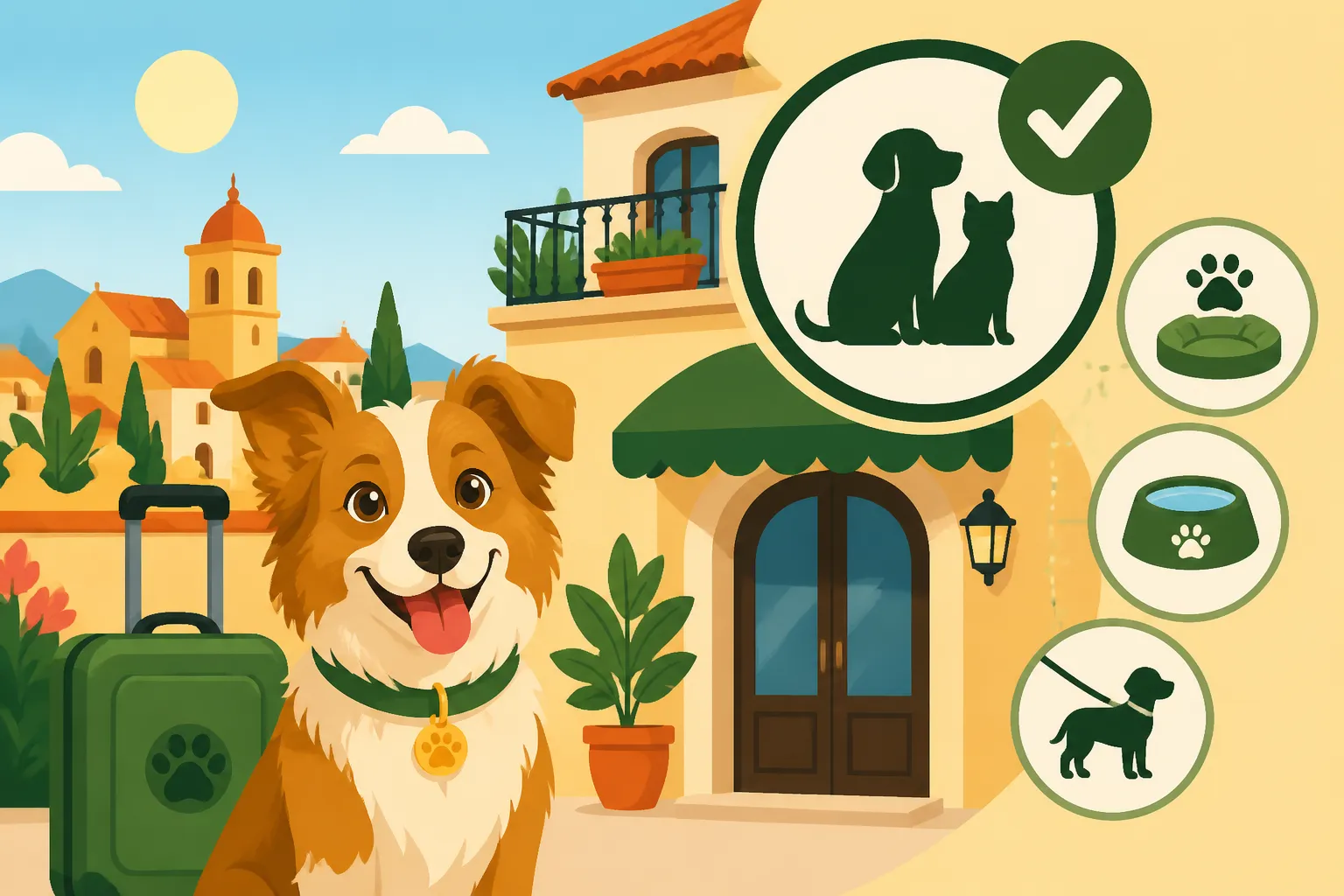
Pet-Friendly Hotels in Spain: What ‘Pets Allowed’ Actually Means
Ah, planning a trip around Spain with your beloved furry (or feathered, or scaled!) companion, only to hit that dreaded wall of "pet-friendly" policies that seem to mean absolutely anything and everything. It's a common expat frustration, believe me, trying to decipher cryptic hotel rules when all you want is a comfortable stay for you and your pet. This guide is here to cut through the confusion, helping you understand exactly what to expect from pet-friendly hotels in Spain, and how to use resources like Booking.com to find the perfect spot for everyone.
Disclosure: This post may contain affiliate links. We may earn a commission at no extra cost to you if you make a purchase through these links. Read full disclosure.
The Spanish "Pets Allowed" Conundrum: More Than Just a Paw Print
When you see "pets allowed" plastered on a hotel description in Spain, it's easy to breathe a sigh of relief. But hold your horses, or rather, your hounds! This phrase is often just the beginning of a conversation, not the end. Spain has a wonderfully diverse range of accommodations, from grand city hotels to quaint rural casas rurales, and each has its own interpretation of what welcoming pets truly entails. It’s not uncommon to find that the spirit of "pets allowed" can swing wildly from genuine animal lovers providing amenities, to a grudging acceptance under strict, often unwritten, conditions.
For us expats who've navigated the administrative labyrinth of Spain, this kind of ambiguity is a familiar foe. You learn quickly that asking specific questions and verifying details is paramount, especially when it comes to something as important as your pet's comfort and safety. Generic statements rarely paint the full picture, and misunderstandings can lead to unpleasant surprises upon arrival, which is the last thing you need after a long journey with your four-legged co-pilot.
The key here is managing expectations and understanding that a hotel's pet policy isn't just about whether they say "sí" or "no." It's about the nuances, the unspoken rules, and the potential costs that can significantly impact your travel budget and the enjoyment of your stay. This is where a little upfront research and strategic booking can save you a lot of headache.
Size and Breed Restrictions: The Invisible Gauntlet
One of the most common unspoken rules behind "pets allowed" in Spain is the silent asterisk: for small pets only. It’s a sad reality for owners of larger breeds that many establishments, despite appearing welcoming, draw the line at a certain weight or size. You might find that your gentle Golden Retriever, weighing in at a healthy 30kg, is politely but firmly denied entry, while a Chihuahua sails through with no questions asked. This isn't always explicitly stated in online listings, making it a critical point to clarify.
Beyond size, some places might have a subtle bias against certain breeds, though this is less prevalent in Spain compared to other countries. However, if your dog is perceived as "dangerous" or a specific breed that might cause concern, it's always better to be proactive. Always assume that if your pet isn't a tiny lap dog, you need to dig deeper into the policy. This proactive approach ensures that your loyal companion doesn't become a point of contention and that your booking holds up.
The implications of these restrictions extend beyond just finding a place to sleep. If a hotel has strict size limits, it might also indicate limited space for pets on the property, or a general lack of understanding about the needs of larger animals. Always keep in mind that Booking.com's filters can guide you, but personal verification for larger pets is often a wise move to ensure a hassle-free arrival.
Extra Fees and Deposits: The Price of Paws
Let's talk money, because traveling with pets in Spain often means budgeting for additional costs. It’s almost a given that "pets allowed" will come with an extra fee, either per night or as a one-off charge per stay. These fees are usually justified by the hotel for the "extra cleaning" required after a pet's visit, regardless of how meticulously clean your own animal might be. While it can sting to pay extra for a pet that barely sheds, it’s a standard practice across much of Spain.
Beyond a nightly fee, many hotels will also ask for a refundable deposit. This deposit acts as a safety net for the hotel in case of any damage caused by your pet – a chewed chair leg, a stained carpet, or an unfortunate "accident" on the bedding. While often returned without issue, it's another expense to factor into your travel budget. Make sure you understand the terms of the deposit: how much it is, when and how it will be returned, and what specific damages it covers.
Checking these costs before you book is crucial to avoid sticker shock. Reputable platforms like Booking.com often list these additional charges clearly in the hotel's policies or in the room rate breakdown. If they're not immediately visible, consider it a red flag and reach out to the hotel directly for clarification. Transparency on fees is a good indicator of a hotel's overall professionalism and preparedness for pet guests.
Designated Areas and Rules: Navigating the Hotel Landscape
When your pet is welcome, it rarely means they have free run of the entire establishment. Most pet-friendly hotels in Spain will have designated areas where pets are permitted and, more importantly, where they are strictly not. Common restrictions include dining areas (restaurants, breakfast rooms), swimming pool areas, gyms, and sometimes even specific common lounges.
It's also common for hotels to request that pets are never left unattended in the room, or if they are, that they are crated. This rule is often in place to prevent barking that might disturb other guests, or potential damage to the room if the pet gets anxious. Disregarding these rules can lead to complaints, fines, or even being asked to leave, which is an expat's worst nightmare when traveling with a pet.
Understanding these internal rules upfront helps everyone enjoy their stay. If you plan to spend evenings out, knowing if your pet can be left alone, or if a specific pet-sitter service is recommended, is vital. You can often find this information in the hotel's "house rules" section on Booking.com, or by contacting the property directly. Being aware and respectful of these boundaries helps maintain a good relationship with the hotel staff and ensures a pleasant stay for everyone.
Deciphering Hotel Pet Policies Before You Book
Navigating the various pet policies can feel like trying to interpret an ancient scroll written in a language you only partially understand. But fear not, my fellow pet parents! With a bit of patience and the right tools, you can cut through the ambiguity and ensure your pet's Spanish vacation is as comfortable and stress-free as your own. It really boils down to being proactive and knowing what questions to ask.
As expats, we've learned the hard way that "assume nothing" is the golden rule when dealing with Spanish administration and, often, local businesses. This applies tenfold to pet policies. A hotel might have updated its online listing, but the person answering the phone might have the most current, real-world information. The goal is to gather all necessary facts so there are no surprises when you arrive with your wagging tail or purring companion.
This pre-booking research is an investment in your peace of mind. A little bit of effort now can prevent major headaches later. By utilizing trusted platforms and knowing exactly what information you need, you can transform the often-vague "pets allowed" into a clear, comprehensive understanding of your pet's welcome.
The Art of Asking Specific Questions: Don't Be Shy!
When you're looking at a potential hotel on Booking.com and the pet policy isn't crystal clear, or if you have a specific situation, a quick call or email to the hotel can save you a world of trouble. Don't be shy – hotel staff are generally happy to clarify. Here are some indispensable questions to ask, especially if you have a larger pet or multiple animals:
- "¿Hay restricciones de peso o tamaño para las mascotas?" (Are there weight or size restrictions for pets?)
- "¿Hay alguna raza de perro que no esté permitida?" (Are there any dog breeds not allowed?)
- "¿Se permite dejar a las mascotas solas en la habitación?" (Are pets allowed to be left alone in the room?)
- "¿Hay áreas específicas del hotel donde no se permiten mascotas (ej. restaurante, piscina)?" (Are there specific hotel areas where pets aren't allowed, e.g., restaurant, pool?)
- "¿Cuánto es la tarifa por mascota y es por noche o por estancia?" (How much is the pet fee, and is it per night or per stay?)
- "¿Se requiere un depósito de seguridad por la mascota, y cuándo se devuelve?" (Is a pet security deposit required, and when is it returned?)
- "¿Proporcionan cuencos, camas o juguetes para mascotas?" (Do you provide pet bowls, beds, or toys?)
Asking these detailed questions ensures you have a comprehensive understanding and won't face any unwelcome surprises upon check-in. This level of detail helps distinguish truly pet-friendly establishments from those that merely tolerate pets.
The Booking.com Advantage: Your Best Friend for Finding Pet-Friendly Stays
When it comes to finding hotels that truly welcome your pet in Spain, Booking.com is an absolute lifesaver. It’s one of the most reliable platforms for filtering and finding pet-friendly options with a good degree of transparency. Their "Pet-Friendly" filter is usually accurate, allowing you to narrow down your search significantly.
Once you’ve applied the filter, don’t just stop there. Dive into the individual hotel descriptions. Many hotels on Booking.com will elaborate on their pet policies in the "House Rules," "Fine Print," or "Amenities" section. They might specify weight limits, the number of pets allowed, or the exact fees. If you're a responsible pet owner looking for a truly welcoming experience, Booking.com allows you to read reviews from other pet owners who've stayed there. Their experiences can be incredibly insightful, often highlighting aspects of the pet policy that aren't officially listed. For example, a reviewer might mention that the hotel has a lovely garden area perfect for dogs, or that the staff were particularly welcoming to their furry friend.
Booking.com strives to provide comprehensive information, making it easier to compare options. Always double-check any specific details that are important to you directly with the property, even if the Booking.com listing seems thorough. This two-pronged approach – using the platform for initial search and then verifying with the hotel – is the most effective way to ensure a great stay for you and your pet.
Red Flags to Watch For: When "Pets Allowed" Isn't Enough
As you sift through options, keep an eye out for certain red flags that might signal a less-than-ideal pet-friendly experience, even on platforms like Booking.com. A vague policy is probably the biggest warning sign. If the description simply says "pets allowed" without any further details about fees, size, or rules, that's your cue to investigate further. It could mean the policy is very strict, subject to change, or simply not well thought out.
Another red flag is unusually high fees that seem disproportionate to the room rate. While pet fees are normal, an exorbitant charge might suggest the hotel is trying to deter pets without outright banning them. Similarly, a lack of any contact information, or an unresponsive attitude when you try to clarify details, should raise concerns. You want to deal with a hotel that is transparent and communicative, especially when it comes to your pet's well-being.
Finally, if a hotel appears pet-friendly online but you arrive to find dirty, unwelcoming facilities, or staff who seem annoyed by your pet's presence, that's a clear indicator that "pets allowed" is a formality rather than a genuine welcome. Trust your gut feeling, and don't hesitate to look elsewhere if something doesn't feel right, even if it means adjusting your plans.
Practical Tips for a Smooth Pet-Friendly Stay in Spain
Traveling with a pet in Spain is a wonderful experience, adding an extra layer of joy and companionship to your adventures. However, it also comes with responsibilities. A smooth trip isn't just about finding the right hotel on Booking.com; it's also about preparing your pet, packing smart, and being a considerate guest. After all, every positive experience with a pet in a hotel helps reinforce the idea that pets are welcome, paving the way for more pet-friendly options in the future!
Remember, you are an ambassador for pet owners everywhere. By demonstrating responsible pet ownership, you contribute to a more welcoming environment for all travelers with animals. This mindful approach ensures your trip is enjoyable for everyone involved, from your furry friend to the hotel staff and other guests.
These practical tips are born from years of navigating Spain with pets, understanding both the local culture and the specific needs of traveling animals. They're designed to help you anticipate challenges and proactively create a comfortable, stress-free journey.
Preparing Your Pet for Travel: Health and Documentation
Before you even start looking for that perfect pet-friendly hotel on Booking.com, make sure your pet is ready for the journey. A visit to the vet for a general check-up is always a good idea, especially if your pet is elderly or has existing health conditions. Ensure all vaccinations are up-to-date, particularly rabies, as this is a legal requirement for travel to Spain from many countries.
Crucially, your pet will need an EU Pet Passport. This document is essential for travel within the EU and serves as proof of identity and vaccination history. Make sure the microchip number matches the passport details exactly. If you're traveling from outside the EU, research the specific entry requirements for Spain well in advance, as they can be quite strict. Knowing these rules is paramount, as you don't want any surprises at the border. You can find more comprehensive information on this topic in our guide on Bringing Pets to Spain: EU Pet Passport and Entry Requirements.
For anxious travelers, consider discussing calming aids with your vet, such as pheromone sprays or mild sedatives. Familiarize your pet with their travel crate if they'll be using one, making it a comfortable, safe space rather than a source of stress. A well-prepared pet is a much happier travel companion! You might also want to review Pet Ownership in Spain: Registration, Vet Visits, and Rules for broader information on pet requirements in Spain.
Packing Essentials for Your Furry Friend: Don't Forget the Basics!
Just like you have your own travel checklist, your pet needs one too! Don't rely on hotels to provide everything, even if their Booking.com listing mentions some pet amenities. Bringing your pet's familiar items will help them feel more secure in a new environment.
Key items to pack include:
- Food and Water Bowls: Collapsible ones are great for travel.
- Sufficient Pet Food: Especially if your pet has specific dietary needs, as their brand might not be available in Spain.
- Leash and Collar/Harness: Always necessary for walks and controlling your pet in public.
- Waste Bags: Lots of them! Be a responsible owner and always clean up.
- Favorite Bed or Blanket: The familiar scent will provide comfort.
- Toys: To keep them entertained and reduce anxiety.
- Medication: If your pet has any ongoing prescriptions.
- Copy of Pet's Health Records/Vaccination Card: In case of an emergency vet visit.
Having these essentials on hand will make the transition smoother and ensure your pet's basic needs are met without scrambling. A comfortable and well-equipped pet is less likely to cause issues for the hotel or other guests.
Being a Responsible Pet Owner: Your Role in Pet-Friendly Travel
Your behavior as a pet owner directly impacts how welcome pets are in Spanish accommodations. Always adhere to the hotel's specific rules, which you've hopefully clarified through Booking.com or direct communication. This means keeping your pet on a leash in public areas, respecting designated no-pet zones, and managing any excessive barking.
Cleaning up after your pet, both inside and outside the hotel, is non-negotiable. Carry plenty of waste bags for walks, and if there's an accident in the room, clean it up thoroughly and inform the hotel staff immediately so they can properly sanitize the area. Many hotels are keen to remain pet-friendly, but one irresponsible pet owner can quickly turn sentiment against allowing animals.
Being considerate also means being aware of your pet's temperament. If your dog barks excessively when left alone, it might be unfair to leave them unattended for long periods. If your cat tends to scratch furniture, consider bringing a scratching post or covering susceptible items. Your diligence helps ensure not only a pleasant stay for yourself but also contributes to the longevity and expansion of pet-friendly travel options in Spain.
Finding the Perfect Pet-Friendly Location Beyond Just the Hotel
Finding a fantastic pet-friendly hotel through Booking.com is a huge win, but your trip to Spain involves more than just where you sleep. A truly successful pet-inclusive vacation means choosing destinations where your furry friend can enjoy the surroundings just as much as you do. While Spain is generally a very dog-loving country, rules and accessibility can vary greatly by region, city, and even specific establishments.
Understanding these broader cultural and regional nuances will help you select the ideal base for your adventures. It’s about creating an entire experience, not just a room, that caters to both your needs and those of your loyal companion. This foresight ensures that the joy of traveling with your pet isn't overshadowed by constant worries about where they are allowed to go or what facilities are available.
From bustling city parks to tranquil rural trails, Spain offers a wealth of opportunities for pet owners. The trick is knowing how to find these gems and how to integrate your pet seamlessly into the local rhythm, all while being a respectful and responsible visitor.
Exploring Pet-Friendly Destinations in Spain: Cities vs. Countryside
Spain offers a diverse landscape for pet owners, each with its own advantages. Large cities like Madrid and Barcelona often have numerous parks and green spaces, making them appealing for dog owners. Many urban areas are becoming more accustomed to pets in outdoor seating areas of cafes and bars, especially in trendier neighborhoods. However, public transport rules for pets can be strict, and finding pet-friendly indoor attractions is still a challenge. When selecting hotels on Booking.com in these cities, look for properties near parks or residential areas known for dog walking.
The Spanish countryside and smaller towns, particularly in regions like Galicia, Asturias, or parts of rural Andalusia, can be incredibly welcoming. Here, you'll often find more space for your pet to roam, and the local pace of life can be much more relaxed. Rural accommodations, like casas rurales (country houses), are often naturally more accommodating to pets due to their outdoor spaces. However, you might find fewer dedicated pet services, so being self-sufficient with food and supplies is key. Outdoor adventures are often a big draw here, and our guide to Outdoor Adventures and Nature in Spain can help you find suitable trails and natural parks where your pet can explore with you.
Coastal areas are a mixed bag. Many beaches have seasonal restrictions for dogs, especially during peak summer months. However, some municipalities are introducing designated "dog beaches" (playas para perros), which are fantastic for a furry day out. Researching local beach regulations for your specific destination is vital. In general, using Booking.com to find hotels near these pet-friendly zones can make your stay much more enjoyable.
Local Resources and Etiquette: Integrating Your Pet
Beyond hotels, being aware of local resources and cultural etiquette for pets in Spain is crucial. Most towns and cities will have veterinary clinics (clínicas veterinarias) that can assist with any health emergencies. Familiarize yourself with nearby options, as outlined in our guide on Vet Visits in Spain: Typical Prices and What to Expect, just in case. Parks and zonas verdes are your best friends for daily walks, and many will have specific rules about leashes and waste disposal.
Culturally, Spaniards generally adore dogs. It's common to see dogs out with their owners at cafes with outdoor terraces, and children will often want to pet them. However, this doesn't mean all public spaces are fair game. For example, while outdoor dining is often fine, most indoor restaurants and shops will prohibit pets (service animals being the obvious exception). Always ask "¿Se puede entrar con perro?" (Can I enter with a dog?) if unsure. Respecting these boundaries helps maintain positive perceptions of pet owners. Learning more about Spanish Customs, Etiquette, and Social Life can help you navigate these social interactions smoothly.
Also, be mindful of the noise your pet makes. While a happy bark is normal, excessive barking, particularly in apartment buildings or hotels, can lead to complaints. Being attentive to your pet's comfort and managing their behavior goes a long way in ensuring a peaceful co-existence with locals and fellow travelers. You can also explore advice on Renting With Pets in Spain: Finding Pet-Friendly Homes to understand the general acceptance of pets in Spanish living situations, which often mirrors hotel policies.
Making the Most of Your Booking.com Search
When searching for pet-friendly accommodations on Booking.com, go beyond just ticking the "pet-friendly" box. Think about your entire trip experience. Are there green spaces nearby? Is the hotel located in a quiet neighborhood or a bustling city center? Does the Booking.com description mention any specific pet amenities like dog beds or welcome treats?
Consider looking at the map view on Booking.com once you've filtered for pet-friendly options. This allows you to visually identify hotels close to parks, walking trails, or even dog-friendly beaches. Reading reviews is crucial here too. Look for feedback from other pet owners regarding the location, staff helpfulness, and ease of walking their dog in the vicinity. Some hotels even include photos of their pet amenities in their Booking.com gallery, giving you a better visual idea of what to expect.
By combining the powerful filters and detailed information on Booking.com with a little extra research into your chosen destination's pet-friendliness, you can ensure a truly inclusive and enjoyable trip for every member of your family. It's about smart planning to mitigate the common challenges, ensuring you and your furry companion can safely and happily experience all that Spain has to offer. Being prepared for common travel mishaps is always a good idea, and our guide to Staying Safe in Spain: Practical Safety Tips for New Residents offers general safety advice that can be adapted for pet travel too.
Questions to Ask Pet-Friendly Hotels in Spain
Here’s a handy checklist of questions you might want to ask a hotel, especially if the Booking.com listing is not fully detailed or if you have specific needs for your pet:
| Category | Essential Questions to Ask | Notes |
|---|---|---|
| Eligibility | Are there any weight or size restrictions for pets? | Crucial for owners of larger breeds. Some hotels only allow small dogs. |
| Are any specific dog breeds not allowed? | Less common in Spain but worth verifying if you have a breed often subject to restrictions. | |
| How many pets are allowed per room? | If you're traveling with more than one pet, confirm the maximum limit. | |
| Fees & Deposits | What is the pet fee, and is it per night or a one-off charge per stay? | Clarify the exact cost. This is often an additional charge to the room rate. |
| Is a refundable security deposit required for the pet? If so, how much and when is it returned? | Understand the terms for getting your deposit back. | |
| Hotel Access & Rules | Are pets allowed to be left alone in the room? If so, for how long or under what conditions? | Many hotels prefer pets not be left alone or must be crated. |
| Are there specific areas of the hotel where pets are not permitted (e.g., dining areas, pool)? | Avoid misunderstandings and ensure you respect other guests and hotel policy. | |
| Are pets allowed in common areas (e.g., lobby, outdoor terraces, gardens)? | Some hotels have specific pet-friendly common areas, while others do not. | |
| Amenities | Do you provide any pet amenities (e.g., food bowls, pet beds, waste bags, welcome treats)? | While not essential, these can enhance your pet's comfort and demonstrate a truly pet-friendly approach. |
| Local Environment | Are there nearby parks or green spaces suitable for dog walking? | Important for daily exercise, especially in urban areas. Check the Booking.com map view for this! |
| Is there an emergency veterinary clinic nearby? | Good to know for peace of mind, though hopefully not needed. Our guide on Vet Visits in Spain: Typical Prices and What to Expect can offer more insights. |
By asking these questions, you empower yourself with the information needed to make an informed decision and ensure your Spanish adventure with your pet is as smooth and enjoyable as possible.
Disclaimer
This article is for general informational purposes only and does not constitute professional advice. Laws, prices and regulations vary by location and change over time. Consult a qualified professional for guidance on your specific situation.