Men’s Health in Spain: Screenings and Preventive Checkups
Navigating men’s health screenings in Spain often feels like a secondary priority until a minor ache turns into a major bureaucratic and physical headache. I remember my first year in Valencia, ignoring a persistent cough because I simply couldn't face the "cita previa" system, only to realize later that preventative care here is actually world-class if you know how to trigger the right levers. This guide explains exactly which screenings you need, when to get them, and how to navigate the Spanish system to ensure you aren't left waiting when it matters most.
Disclosure: This post may contain affiliate links. We may earn a commission at no extra cost to you if you make a purchase through these links. Read full disclosure.
The Two Tiered Reality of Mens Health in Spain
In Spain, the healthcare landscape is split between the public system (Seguridad Social) and the private sector. For men, this distinction is crucial because it dictates not just how quickly you are seen, but also the depth of the preventative panels offered during a standard "revisión médica." While the public system is exceptional for emergency care and chronic disease management, it can be notoriously slow for elective preventative screenings. You might wait months for a non-urgent urology consult if you don't have a specific symptom to report to your GP.
Public Healthcare and the Role of the GP
The public system is built around the "médico de cabecera" or General Practitioner. To access any specialist screening, such as a colonoscopy or a cardiac stress test, you must first convince your GP that it is necessary. This is where many expats struggle. Spanish GPs in the public sector are often overworked and may adhere strictly to age-based protocols. If you are 40 and want a PSA test for prostate health but have no family history, a public doctor might tell you to wait until 50. To navigate this, you need to understand Who Can Access Public Healthcare in Spain? Eligibility Basics before you even attempt to book an appointment.
Once you are in the system, the care is thorough. If your GP identifies a risk factor, you will be funneled into a highly efficient diagnostic pipeline. However, the lack of "proactive" screening for younger men in the public sector is a significant gap that many expats fill with private coverage.
Private Healthcare for Proactive Men
Private healthcare is where proactive preventative care truly shines in Spain. Most private policies allow you to bypass the GP and book directly with a urologist, cardiologist, or dermatologist. This is particularly valuable for men who want annual "well-man" checkups that include comprehensive blood work, abdominal ultrasounds, and prostate screenings regardless of age. When you are Choosing a Private Health Insurer in Spain: What to Compare, look specifically for "cobertura de prevención" or "chequeos médicos." Many insurers offer a free annual physical that would take months to coordinate in the public system.
For those moving to Spain on specific visas, having a robust private plan isn't just about health; it's a legal requirement. Companies like Innoinsure provide policies that meet these strict visa requirements while offering the specialized access men need for regular screenings.
Integrating Global Coverage for Nomads and Expats
If you are a digital nomad or someone who splits time between Spain and your home country, standard Spanish private insurance might feel too localized. This is where services like SafetyWing or Cigna Global become indispensable. SafetyWing offers the flexibility that younger, mobile men need, especially when they haven't yet secured their How to Get a Spanish Health Card (Tarjeta Sanitaria): Step-by-Step.
Cigna Global, on the other hand, is the "gold standard" for those who want high-limit coverage and the ability to see the best English-speaking specialists in cities like Madrid or Barcelona without worrying about network restrictions. These brands act as a safety net while you are figuring out the local bureaucracy, ensuring that a preventative screening doesn't become a massive out-of-pocket expense.
Age Specific Screening Protocols for Men
In Spain, health protocols for men are generally divided by decades. The Spanish medical community is increasingly focused on "medicina preventiva," but the onus is often on the patient to request these tests during their Routine Health Checkups in Spain: What’s Typical for Adults.
The Early Years 20s and 30s
In your 20s and 30s, the focus in Spain is on baseline metrics and sexual health. Spanish doctors will typically check your blood pressure, BMI, and basic blood chemistry (glucose and cholesterol) every two years. However, this is also the age where testicular cancer is most prevalent. While Spanish GPs don't always perform manual exams during a standard visit, you should ask for a referral to a urologist if you notice any changes.
Sexual health is another major pillar in this age bracket. Spain has a very open culture regarding sexual wellness, and you can access STI Testing in Spain: How to Access Services as a Foreigner through "Centros de Salud" or specialized "Centros de Infecciones de Transmisión Sexual" (CITS). Testing is confidential and often free in the public system, though results can take a week or more to process.
The Warning Light Era 40s and 50s
Once you hit 40, the Spanish medical system shifts its focus toward cardiovascular health and early cancer detection. This is the decade where "The Beckham Law" expats and mid-career professionals often start feeling the physical toll of stress and the Mediterranean diet's hidden salts. You should insist on a comprehensive lipid profile and a fasting glucose test annually.
At 45, especially if there is a family history, the conversation around prostate health begins. In the private sector, a PSA (Prostate-Specific Antigen) test is standard. In the public sector, you may need to be more assertive. This is also when the "Test de Sangre Oculta en Heces" (fecal occult blood test) for colorectal cancer screening begins to be offered every two years for men over 50 in most Autonomous Communities.
Senior Health and Monitoring 60 and Beyond
For men over 60, the Spanish system becomes much more proactive. Annual flu vaccines and periodic "revisiónes" for bone density, vision, and hearing become the norm. Cardiovascular monitoring moves from simple blood pressure checks to more frequent EKGs. If you are in the public system, your "tarjeta sanitaria" will likely trigger automatic invitations for certain screenings via SMS or the regional health app (like "Mi Carpeta de Salud" in Madrid).
Cardiovascular and Respiratory Screenings
Heart disease remains a leading cause of death for men in Spain. Despite the perceived healthiness of the Mediterranean lifestyle, high rates of smoking and late-night dining contribute to hypertension and high cholesterol.
Managing Hypertension and Cholesterol
Spanish doctors are particularly aggressive about managing "tensión alta." If your blood pressure is consistently above 140/90, expect a battery of tests including a kidney function panel and potentially a 24-hour Holter monitor. The public system is excellent at managing these chronic conditions once diagnosed, but the initial detection often happens during a routine pharmacy check. Most Spanish pharmacies offer blood pressure checks for a few euros, which is a great way to monitor yourself between official doctor visits.
Cholesterol management is another area where Spanish protocols are strict. If your LDL is high, you will likely be referred to a specialist who will look at your "riesgo cardiovascular" (cardiovascular risk) score. If you find the clinical explanations confusing, it helps to brush up on Spanish Medical Terminology: Common Words Expats Should Know so you can understand the difference between "colesterol bueno" (HDL) and "colesterol malo" (LDL).
Lung Health and Smoking Cessation
Spain has historically had a high prevalence of male smokers, though this is changing. If you are a current or former smoker over the age of 50, you should ask your doctor about a low-dose CT scan or a spirometry test to check for COPD or early signs of lung cancer. The public system offers various "deshabituación tabáquica" (smoking cessation) programs that include subsidized medication and counseling, which are surprisingly effective.
Cancer Prevention and Urological Health
Cancer screening for men in Spain is highly organized but can be regionally inconsistent. Each Autonomous Community (like Andalusia or Galicia) manages its own screening programs, so the age at which you receive an invitation might vary slightly.
Prostate Health and the PSA Test
The PSA test is the most common screening tool for prostate cancer in Spain. Most urologists recommend a baseline test at age 45 or 50. If you are using the public system, you will need to see your GP to get the blood work authorized. If you find yourself in a position where you need more specialized care, understanding the Seeing a Specialist in Spain: Referral Process Explained is vital. In the private sector, a urology visit almost always includes a physical exam and an ultrasound of the bladder and prostate, providing much faster peace of mind.
Colorectal Screenings
Colorectal cancer screening is one of the most successful public health initiatives in Spain. Men between 50 and 69 are invited every two years to provide a stool sample. If the test comes back positive for occult blood, a colonoscopy is scheduled within weeks. This is one area where the public system often outperforms the private sector in terms of coordination and follow-up.
Skin Cancer and the Spanish Sun
Many expats move to Spain for the sun but aren't prepared for the intensity of the UV rays. Men, in particular, are prone to ignoring skin changes. An annual "revisión de lunares" (mole check) with a dermatologist is essential. Private insurance is particularly useful here, as you can get a full-body map (dermoscopy) without a long wait. If you are fair-skinned and living in the south, this is not an optional screening; it is a necessity.
Mental Health and Sexual Wellness
Men’s health is not just about physical screenings; the mental and emotional toll of living as an expat can be significant. Spain has made great strides in mental health, but a "tough it out" culture still exists among older Spanish men and many expat communities.
Addressing Expat Burnout and Stress
The stress of relocating, managing Spanish Taxes for Foreign Residents: Practical Guide to Staying Compliant, and navigating a new language can lead to "burnout" or depression. In Spain, the first point of contact for mental health in the public system is your GP, who can refer you to a psychologist or psychiatrist. However, wait times can be extreme. Many men find that Mental Health in Spain: Psychologists vs Psychiatrists Explained is a necessary read before seeking help privately, where English-speaking therapists are more readily available.
Sexual Health and STI Management
Sexual health screenings are highly accessible in Spain. Beyond the standard STI tests, men over 40 should feel comfortable discussing erectile dysfunction or hormonal changes (low testosterone) with their doctors. Spanish urologists are generally very professional and direct about these issues. If you are concerned about the cost of these visits, checking Health Costs in Spain: Typical Co-Pays and Out-of-Pocket Fees can help you budget for private consultations.
Summary of Recommended Screenings for Men in Spain
| Age | Screening Type | Frequency | System Recommendation |
|---|---|---|---|
| 20-30s | Blood Pressure & BMI | Every 2 years | Public (GP) |
| 20-30s | STI Testing | As needed | Public (Specialized Clinics) |
| 40s | Fasting Glucose & Cholesterol | Annual | Public or Private |
| 40-50s | Dermatological Checkup | Annual | Private (Dermatologist) |
| 45+ | Prostate (PSA & Exam) | Annual / Bi-annual | Private (Urologist) |
| 50-69 | Colorectal (Stool Test) | Every 2 years | Public (Automatic Invitation) |
| 50+ | Cardiac Stress Test | Once as baseline | Private (Cardiologist) |
| 60+ | Vision & Hearing | Every 1-2 years | Private (Optician/Otolaryngologist) |
Administrative Hurdles and Practical Advice
The biggest barrier to men's health in Spain isn't the quality of care—it's the administrative process. To get the most out of your screenings, you must master the digital tools provided by the government.
Mastering the Cita Previa System
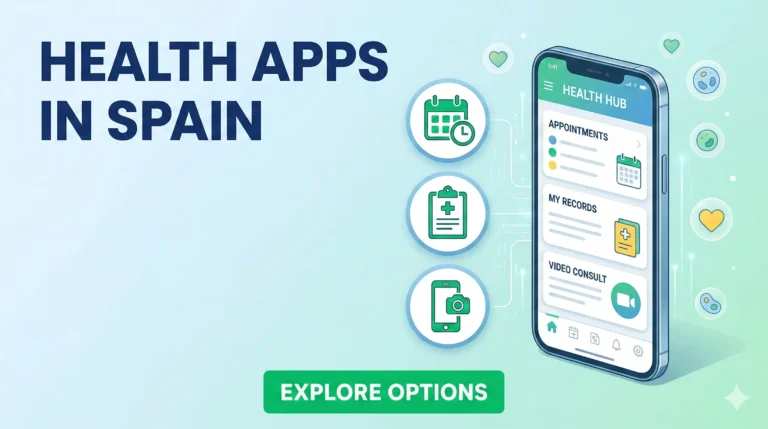
Every region has its own app (e.g., "GVA Salud" in Valencia or "Salut" in Catalonia). Once you have your NIE and are registered on the Padrón, you must download these apps. They allow you to book appointments, see your test results, and even see your medication history. Knowing How to Book GP Appointments in Spain: Apps, Phones, and Walk-ins will save you hours of standing in line at the "mostrador" of your local clinic.
Overcoming the Language Barrier
Even if your Spanish is decent, medical terminology can be daunting. Many doctors in major cities speak English, but it is never guaranteed in the public system. If you are going for a sensitive screening, consider bringing a list of your symptoms and questions written down in Spanish. This ensures nothing is lost in translation and shows the doctor you are serious about your health.
If you are feeling overwhelmed by the initial setup of your life in Spain, remember that health is the foundation of a successful relocation. Taking the time to understand the system now prevents a crisis later. For more help on the broader aspects of moving, refer to our Spain Relocation Checklist: First 30 Days for New Residents to ensure you haven't missed any critical health-related steps.
Disclaimer
This guide is for informational purposes only and does not constitute professional medical advice, diagnosis, or treatment. Always seek the advice of a qualified healthcare provider in Spain with any questions you may have regarding a medical condition or screening schedule. Healthcare regulations and protocols in Spain can change and may vary significantly between Autonomous Communities.