How to Manage Blood Pressure Medication When Moving to Spain
Moving to a new country involves a mountain of paperwork, but the most stressful moment is often realizing your pill bottle is nearly empty. I vividly remember my first month in Valencia, standing in front of a green neon pharmacy sign, clutching an empty bottle of Lisinopril and realizing my home-country prescription was essentially a piece of scratch paper here. This guide solves the confusion of transferring your blood pressure management to the Spanish system seamlessly.
Disclosure: This post may contain affiliate links. We may earn a commission at no extra cost to you if you make a purchase through these links. Read full disclosure.
Understanding the Spanish Pharmacy Landscape for Hypertension
The first thing you will notice in Spain is the ubiquitous green cross. These are not just shops; they are highly regulated healthcare hubs. In Spain, pharmacists are highly trained professionals who often provide frontline medical advice. However, when it comes to chronic conditions like hypertension, the rules are strict. You cannot simply walk in with a bottle from home and expect a refill.
Identifying Spanish Equivalents and Generic Names
One of the biggest hurdles is the naming convention. Your "brand name" medication back home likely has a different name in Spain, or it might be sold primarily by its active ingredient (generic name). For example, if you take Altace, you need to look for Ramipril. If you take Norvasc, you are looking for Amlodipino.
It is vital to have a printed list of your current medications, specifically noting the chemical compound and the dosage in milligrams. Spanish pharmacists are incredibly helpful, but they cannot legally "guess" what you need. I recommend checking a local database or asking your pharmacist if they have a cross-reference guide. When I first arrived, I found that even the coloring and shape of the pills were different, which can be unsettling. Knowing the generic name allows you to verify that you are getting exactly what your body is used to.
For those still in the planning stages of their move, looking into Health Insurance in Spain: Options for Residents, Students, and Families can help you understand which medications might be covered under different types of policies.
The Role of the Farmacia and the Green Cross
In Spain, the farmacia is your primary point of contact for obtaining medication. Unlike some countries where supermarkets sell basic medications, in Spain, everything from high-strength ibuprofen to your blood pressure meds must come from a licensed pharmacy.
Most pharmacies are open during standard business hours, but Spain has a fantastic system called the farmacia de guardia. This is a rotating 24-hour service. If it is 11:00 PM on a Sunday and you realize you have missed your dose and have none left, you can find the nearest open pharmacy posted on the door of any closed one. For more on this, you might want to read about Pharmacies in Spain: Opening Hours and Night Pharmacies (Farmacia de Guardia) to ensure you are never caught off guard.
Why Foreign Prescriptions Are Often Rejected
Many expats arrive thinking a prescription from a US, UK, or Canadian doctor will suffice. Legally, a Spanish pharmacist cannot fulfill a non-EU prescription. While some may be lenient for a one-time emergency, the vast majority will require a prescription issued by a doctor registered in Spain.
This is where the bureaucracy begins. You need to enter either the public system or have a private doctor write a new, Spanish-compliant script. If you are here on a temporary basis, services like SafetyWing can be a lifesaver for initial medical consultations, but for long-term residency, you will need a more permanent solution.
The Administrative Path to Your Next Refill
Navigating the Spanish healthcare system is often described as a "labyrinth," but once you have the keys, it functions quite logically. Depending on your visa type, you will either be using the public Seguridad Social or a private provider.
Registering for Public Healthcare and the Tarjeta Sanitaria
If you are working in Spain or are a retiree from certain countries, you likely have access to the public system. Your first step is getting your Tarjeta Sanitaria Individual (TSI). Without this card, you don't exist in the public health database, and you won't be able to access the subsidized medication rates.
The process involves taking your social security number and your padrón (address registration) to your local centro de salud. I spent an entire morning navigating three different offices just to get my first card, so pack your patience. Once you have it, you will be assigned a médico de cabecera (GP). This doctor is the only person who can put your blood pressure medication onto your "electronic red-strip" (the digital prescription system).
To understand the full scope of this process, check out How to Get a Spanish Health Card (Tarjeta Sanitaria): Step‑by‑Step for a deep dive into the paperwork requirements.
Seeing a Spanish General Practitioner for the First Time
Once registered, you must book an appointment with your GP. Do not wait until you have two pills left. Waiting times for a non-urgent appointment at a centro de salud can range from a few days to two weeks.
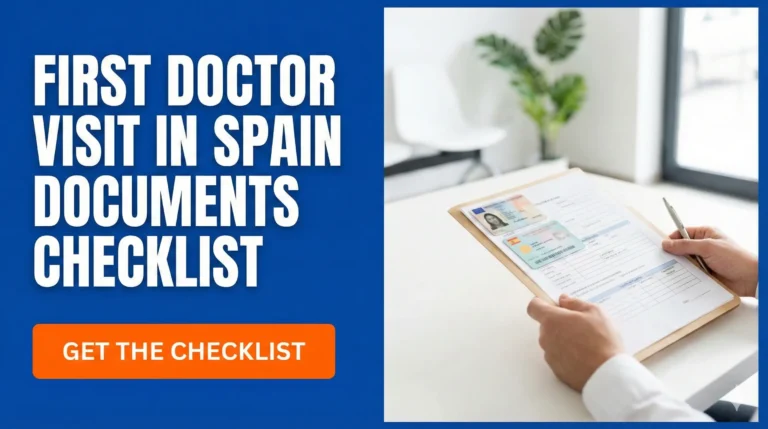
At your first visit, bring your medical records from home. It is highly beneficial to have a brief summary translated into Spanish. You are essentially asking the doctor to "take over" your care. They will likely want to take your blood pressure in the office and may order a blood test to check your kidney function or potassium levels before they re-issue your prescription. To help prepare, read about What to Bring to Your First Doctor Visit in Spain (Documents Checklist) to ensure you don't miss any critical papers.
Private Insurance vs. the Public System
Many expats choose private insurance to skip the waiting times of the public system. Companies like Cigna Global or Innoinsure are popular choices because they provide access to English-speaking doctors and faster specialist referrals.
If you go private, the process for medication is slightly different. A private doctor will give you a paper prescription or a digital QR code. You take this to the pharmacy, but unlike the public system, you will generally pay the full market price for the drug. The good news? Even at full price, blood pressure medication in Spain is often significantly cheaper than in the United States. For more on making this choice, see Choosing a Private Health Insurer in Spain: What to Compare.
| Feature | Public Healthcare (Seguridad Social) | Private Healthcare (Insurers like Cigna Global) |
|---|---|---|
| Prescription Cost | Highly subsidized (often 10-60% of price) | Full market price (unless policy has reimbursement) |
| Wait Times | Can be weeks for a GP visit | Usually 24-48 hours |
| Language | Primarily Spanish | Many English-speaking options |
| Ease of Renewal | Digital system linked to health card | Requires a new script from the doctor periodically |
Costs, Documentation, and the Copago System
Money is always a concern when moving abroad. Spain uses a "co-payment" system for prescriptions within the public sector, which is calculated based on your income and residency status.
Understanding the Copago and Medication Pricing
The copago (co-payment) system is actually quite fair. If you are an active worker, you might pay 40% or 50% of the medication's price. If you are a pensioner with a lower income, your contribution might be capped at a very low monthly amount.
Most common blood pressure medications like Losartan or Valsartan are very affordable. A month's supply might cost you less than 5 Euros out of pocket. To get a better sense of these small fees, I recommend reading Understanding Co‑Payments at Spanish Pharmacies (Copago). It explains how your specific percentage is determined by the code on your health card.
Essential Documentation for Chronic Care
When you walk into that first appointment, you want to look like the most organized expat the doctor has ever seen. Spanish doctors appreciate clear data. I recommend keeping a log of your blood pressure readings for at least two weeks prior to the move and the first two weeks after you arrive. The stress of moving can cause "white coat hypertension" or genuine spikes due to saltier food and heat.
If you have a history of heart issues alongside your high blood pressure, you should also have your most recent EKG or stress test results. If you need to find a specific specialist for this, Seeing a Specialist in Spain: Referral Process Explained covers how to move from a GP to a cardiologist.
Emergency Refills and Temporary Solutions
What if you lose your medication or your shipment is delayed? If you are in a pinch, go to a farmacia with your old bottle. If you can prove you have been taking the medication and you look like you are in distress, some pharmacists may give you a "bridge" pack (usually a week's supply) while you wait for a doctor's appointment. However, this is at their discretion and is not a legal right.
During your first few months, having a plan for Emergency Healthcare in Spain: 112, Urgent Care, and What to Expect is critical. If your blood pressure spikes dangerously and you have no medication, do not wait for a GP appointment. Head to the Urgencias (Emergency Room).
Managing Chronic Care Long-Term in Spain
Once you are settled, the goal is to make the process "set it and forget it." Spain’s digital health transition has made this much easier than it was a decade ago.
The Receta Electrónica System
The Receta Electrónica is a godsend. Once your GP has confirmed your diagnosis and dosage, they will "upload" your prescription for a year. You don't need to visit the doctor every month. You simply go to any pharmacy in your autonomous community, hand over your health card, and they see exactly what you are owed.
If you are traveling within Spain, keep in mind that the systems between regions (like Catalonia and Andalusia) don't always talk to each other perfectly. It is always wise to get your refill before crossing regional borders. For a deeper look at this, read Prescription System in Spain: How ePrescriptions Work.
Routine Checkups and Monitoring
High blood pressure isn't a "fix and forget" situation. The Spanish lifestyle—with its wonderful sun and late-night dinners—can affect your readings. Most centros de salud have a nursing office where you can pop in for a quick, free blood pressure check without an appointment.
I found that my doctor in Spain was much more focused on lifestyle than my previous doctor. Don't be surprised if they spend ten minutes talking to you about the Mediterranean diet and your daily walking habits. This holistic approach is a hallmark of the system. You can learn more about managing long-term health in our guide on Chronic Conditions in Spain: Managing Ongoing Care as an Expat.
Using Health Apps for Renewals and Appointments
Each region in Spain has its own health app (like GVA+ Salud in Valencia or Salud Madrid). These apps allow you to book appointments, see your prescribed medications, and sometimes even consult with a doctor via video.
Setting these up usually requires a digital certificate or a Cl@ve PIN. While the setup is a bit of a headache, it saves you from waiting on the phone for hours. I highly recommend getting your digital certificate as soon as you have your TIE (residency card). For more tech-savvy tips, see Health Apps in Spain: Booking, Records, and Telemedicine Options.
Tips for a Smooth Transition
- The 3-Month Rule: Bring a 90-day supply of your medication from your home country. This gives you enough time to get your padrón, your health card, and your first GP appointment without panic.
- Translate Your Records: You don't need a professional sworn translation for a GP visit, but a clear, one-page summary of your history in Spanish will win you major points with your doctor.
- Know the Heat: Spain gets incredibly hot. Heatwaves can cause dehydration, which affects blood pressure and how your medication works. Keep an eye on Heatwaves in Spain: Health Precautions for Expats to stay safe during your first summer.
- Insurance Coverage: If you are using a provider like Innoinsure for your visa requirements, make sure you understand which clinics are in their network so you don't end up paying out-of-network fees for your checkups.
Managing hypertension in Spain is ultimately a very positive experience. The medication is affordable, the doctors are thorough, and the pharmacy network is second to none. Once you overcome the initial hurdle of the Spanish bureaucracy, you might find that the "tranquilo" pace of life here does more for your blood pressure than the pills ever did.
Disclaimer
This article is for informational purposes only and does not constitute professional medical or legal advice. Healthcare regulations and insurance policies in Spain can change frequently. Always consult with a qualified medical professional and an immigration expert regarding your specific health needs and residency status. The mention of brands like Innoinsure, Cigna Global, and SafetyWing is for contextual reference and does not imply an exclusive endorsement.