How to Find Vegan Food in Smaller Spanish Towns
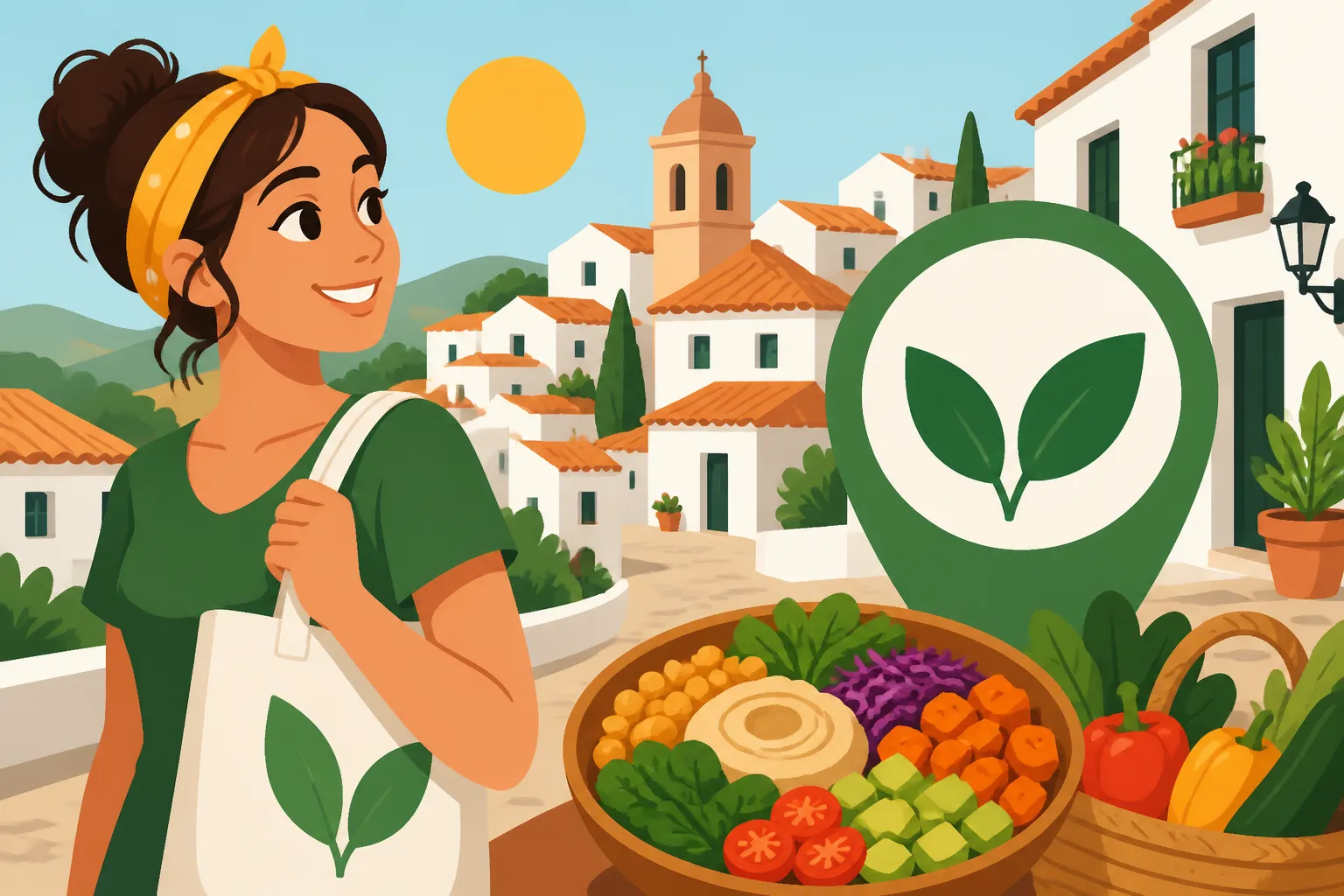
Ah, the quest for vegan food in smaller Spanish towns! If you've spent any time in Madrid or Barcelona, you might be lulled into a false sense of security, thinking Spain has fully embraced the plant-based revolution. Then you venture off the beaten path, into those charming, sleepy villages, and suddenly, your vegan radar goes completely blank. Trust me, many of us expats have been there, staring at a menu that seems to consist solely of jamón, chorizo, and various forms of seafood, wondering if we'll ever eat anything other than patatas fritas again. This guide is here to equip you with the knowledge, phrases, and strategies to navigate the culinary landscape of rural Spain, ensuring your stomach is as happy as your soul when exploring these beautiful, traditional corners.
Disclosure: This post may contain affiliate links. We may earn a commission at no extra cost to you if you make a purchase through these links. Read full disclosure.
The Reality of Vegan Eating in Rural Spain
Let's get real for a moment. Spain, particularly outside its major cosmopolitan centers, has a deeply ingrained culinary tradition that revolves heavily around meat, fish, and dairy. It's not a malicious plot against vegans; it's simply a reflection of centuries of culture and readily available local produce. Understanding this foundational difference is the first step to successful vegan dining in smaller towns.
Traditional Spanish Diet and Its Impact
The backbone of Spanish cuisine is often quite simple, fresh, and incredibly flavorful, but those flavors frequently come from animal products. Think about the classic cocido (a hearty stew), paella (often with chicken, rabbit, or seafood), or even seemingly innocent dishes like lentejas (lentil stew) which are almost always simmered with a chunk of chorizo or jamón for flavor. Even vegetable-based soups or rice dishes often use a meat or fish stock as their base. It’s not uncommon to find torreznos (fried pork belly) offered with your beer in a small bar, or queso (cheese) as a staple snack.
This deep-seated tradition means that, in a small town where a restaurant might be run by a family for generations, the idea of completely omitting animal products might be entirely foreign. Their cooking is their heritage, passed down, and doesn't always cater to modern dietary shifts. You're entering a world where gastronomy is deeply linked to the land and its animals, making your vegan quest a bit more of an adventure.
The "Vegetarian" Misconception
Here's where it often gets tricky for us. The concept of "vegetarian" in Spain, especially in less diverse areas, doesn't always align with the global understanding. You'll frequently encounter menus where "vegetarian" options include fish (pescado) or seafood (marisco). Why? Because for many, "meat" specifically refers to red meat or poultry, and fish is seen as a separate category, a lighter, often healthier option.
Even if you clarify "no meat, no fish," you might still get dishes prepared with eggs (huevos) or dairy (lácteos) like cheese, milk, or cream. It takes a bit of explanation and patience to ensure they truly understand that you mean plant-based, with no animal products whatsoever. Don't be surprised if your carefully explained request still results in a dish garnished with a sprinkle of Parmesan or a dollop of alioli (garlic mayonnaise, often with egg). It's rarely intentional sabotage, more often a genuine misunderstanding.
Why Smaller Towns Are Different
Unlike the vibrant vegan scenes in big cities like Valencia or Seville, smaller towns often lack the demand to support dedicated vegan or even vegetarian restaurants. The local population might be older, less exposed to diverse diets, and simply uninterested in changing their culinary habits. Restaurants cater to what sells, and what sells is usually traditional fare.
Furthermore, these establishments often operate with minimal staff and a fixed menu, meaning less flexibility for custom orders. There might not be a chef on hand who is accustomed to creating bespoke vegan meals from scratch; they are simply cooking what they've always cooked. Don't expect a nuanced understanding of cross-contamination or the latest vegan substitutes. Your best bet is usually to find naturally vegan dishes or to request simple modifications. This isn't a criticism, just a reality check – the charm of these towns often lies in their traditionalism, which extends to their kitchens.
Strategies for Dining Out: Becoming a Vegan Detective
Dining out in a small Spanish town as a vegan requires a little detective work, a lot of patience, and a few key phrases up your sleeve. But with the right approach, you can still enjoy delicious meals and experience the local gastronomy without compromise.
Learning Key Phrases
This is your superpower. Even a few basic Spanish phrases can make all the difference. Don't just say "vegetariano," as we've discussed, that can be misinterpreted. You need to be explicit. Here are some phrases to memorize:
- "Soy vegano/a. No como carne, pescado, huevos ni lácteos." (I am vegan. I don't eat meat, fish, eggs, or dairy.)
- "¿Este plato contiene carne?" (Does this dish contain meat?) – Follow up with "cerdo, ternera, pollo" (pork, beef, chicken).
- "¿Este plato contiene pescado o marisco?" (Does this dish contain fish or seafood?)
- "¿Este plato contiene huevos?" (Does this dish contain eggs?)
- "¿Este plato contiene leche, queso o mantequilla?" (Does this dish contain milk, cheese, or butter?)
- "¿Se puede preparar sin…?" (Can it be prepared without…?) – And then specify the forbidden ingredients.
- "¿Hay algo vegano?" (Is there anything vegan?) – This might be a bit optimistic, but worth a try!
- "Un plato de verduras a la plancha sin mantequilla, por favor." (A plate of grilled vegetables without butter, please.)
- "Patatas fritas sin nada de carne, por favor." (French fries without any meat, please – sometimes they fry them with other things.)
Practice these phrases until you're comfortable, and don't be afraid to repeat yourself or gesture if needed. A little politeness and a smile go a long way!
Restaurant Selection and Pre-Planning
Before you even step foot in a restaurant, do your homework. In small towns, online presence might be minimal, but here's how to scope things out:
- Google Maps/TripAdvisor: Search for restaurants and look at their photos. Sometimes, you can spot a salad, grilled vegetables, or other potentially vegan dishes. Read reviews, and use keywords like "vegano" or "vegetariano" – though, again, take "vegetariano" with a grain of salt. If a place has no reviews mentioning dietary needs, it's a red flag.
- HappyCow: This app is a lifesaver for vegans worldwide. While coverage in tiny Spanish towns might be sparse, it's always worth a check. You might find a hidden gem or at least a health food store.
- Call Ahead: If you're really keen on a specific place or want to ensure a good meal, call them. This allows the kitchen to prepare and gives you a chance to explain your needs. Be prepared for a language barrier here.
- Observe: Take a stroll past the restaurants. Do they display menus outside? Do you see locals eating fresh, simple vegetable dishes? Sometimes, the most unassuming local spot can be the most accommodating if they're willing to cook something simple for you.
Remember that while apps like Omio are fantastic for booking trains and buses to get to these charming smaller towns, they won't help you with the actual meal planning once you're there. That's where your own research and these strategies come into play.
Navigating Menus and Asking for Modifications
When you're faced with a traditional Spanish menu, your eyes will need to scan for naturally vegan or easily modifiable options.
- Salads (Ensaladas): Often a safe bet, but always specify "sin atún" (without tuna), "sin huevo" (without egg), "sin queso" (without cheese). Ask for dressing on the side (aliño aparte) or just "aceite y vinagre" (oil and vinegar). A simple mixed salad (ensalada mixta) with tomato, onion, and lettuce is usually safe.
- Grilled Vegetables (Verduras a la Plancha): This is your best friend. Common options include asparagus (espárragos), mushrooms (champiñones), eggplant (berenjena), or zucchini (calabacín). Crucially, ask "sin mantequilla ni aceite de animal" (without butter or animal fat/oil).
- Pisto: This is a Spanish ratatouille-like dish made with tomatoes, onions, eggplant, zucchini, and peppers. It's often naturally vegan, but confirm "sin huevo" (sometimes served with a fried egg on top) and "sin jamón."
- Gazpacho/Salmorejo: These cold soups are typically vegan, made with tomatoes, cucumber, peppers, garlic, olive oil, and bread. However, salmorejo is often garnished with jamón and hard-boiled egg – ask for "sin jamón y sin huevo." Confirm the bread isn't made with dairy or eggs, though usually it's just flour, water, salt, yeast.
- Patatas a lo Pobre: Literally "poor man's potatoes," this dish features sliced potatoes, onions, and peppers, slow-fried in olive oil. Confirm "sin jamón" or "sin huevo" as it can sometimes be added.
- Legumes (Legumbres): Lentils (lentejas) or chickpeas (garbanzos) are popular but usually cooked with meat. You might get lucky and find a simple bean stew (potaje de judías) cooked only with vegetables, but always ask.
Be prepared for a "no" or a blank stare. It's part of the experience. Sometimes, the most you can get is a plate of french fries (patatas fritas) and a simple salad. When hunger strikes, those simple meals can feel like gourmet feasts! You might also find that understanding Spanish Meal Times and Dining Etiquette Explained helps you avoid awkward timings.
Tapas and Raciones: Vegan-Friendly Bites
Tapas culture is fantastic, but navigating it vegan in small towns also requires care. Many tapas are inherently meat or seafood-based. However, there are some reliable options:
- Aceitunas: Olives are almost always available and vegan.
- Almendras fritas/tostadas: Fried or toasted almonds, delicious and vegan.
- Pimientos de Padrón: Small green peppers, lightly fried and salted. Usually vegan, but always confirm no butter or animal fat.
- Pan con tomate/tostada con tomate: Toasted bread with grated tomato and olive oil. Make sure it's "sin jamón" and the bread is vegan.
- Champiñones al ajillo: Mushrooms cooked with garlic and olive oil. A wonderful option, just confirm "sin mantequilla."
- Espárragos trigueros a la plancha: Grilled wild asparagus, often available seasonally.
- Berenjenas fritas: Fried eggplant, often served with honey (miel), so ask for "sin miel."
- Boquerones en vinagre: Unfortunately not vegan (these are anchovies), but sometimes mistaken as vegetarian. Avoid.
- Patatas bravas/alioli: Fried potatoes with spicy tomato sauce (brava) or garlic mayonnaise (alioli). The bravas sauce is often vegan, but alioli typically contains egg. Ask for just "salsa brava" on its own.
A common strategy is to order several of these small dishes to make a full meal. This gives you variety and a better chance of hitting your nutritional marks.
Self-Catering and Supermarket Survival in Small Towns
When dining out becomes too challenging, or you simply want more control over your meals, self-catering is your best friend. Many smaller towns have at least a basic supermarket or local shop, and booking accommodation with a kitchen can be a game-changer. When researching places to stay, consider using platforms like Booking.com, which offer extensive filters for "apartments" or "kitchen facilities," making it easier to find a vegan-friendly base.
Supermarket Staples
Even in the most remote Spanish supermercado or tienda de barrio, you can usually find a decent array of vegan staples. Here’s what to look for:
- Fresh Produce (Frutas y Verduras): Spain boasts incredible fresh produce. You'll always find tomatoes, onions, garlic, potatoes, peppers, oranges, apples, and seasonal delights. Stock up!
- Legumes (Legumbres): Dried or canned chickpeas (garbanzos), lentils (lentejas), and various beans (judías) are universally available and inexpensive sources of protein.
- Pasta and Rice (Pasta y Arroz): Standard pasta and rice are almost always vegan. Look for pasta seca (dried pasta).
- Plant Milks (Bebidas Vegetales): While smaller shops might not have a huge variety, most supermarkets will carry leche de soja (soy milk), leche de avena (oat milk), and leche de almendras (almond milk).
- Bread (Pan): Most crusty Spanish bread (barra, pan de pueblo) is vegan (flour, water, salt, yeast). Avoid pan de molde (sliced bread) or pastries unless you check the ingredients, as they often contain dairy or eggs.
- Nuts and Seeds (Frutos Secos y Semillas): Almonds, walnuts, sunflower seeds are usually plentiful and make for great snacks or additions to meals.
- Olive Oil (Aceite de Oliva): A Spanish staple, always vegan, and perfect for cooking.
- Tinned Tomatoes/Sauces (Tomate triturado/salsas): For quick pasta sauces or stews. Just check for hidden ingredients.
- Vegan Products: Larger supermercados, even in slightly larger regional towns, might surprise you with a small section of vegan alternatives (plant-based yogurts, mock meats, vegan cheese). Mercadona, for example, has expanded its 'Hacendado' vegan range significantly across its stores. If you are close enough to a bigger town, you could consider a day trip to stock up on some specialist items.
Local Markets (Mercados): A Hidden Gem
Don't overlook the local mercado! These traditional markets are often the heart of smaller towns and a fantastic place for vegans. Here, you'll find stalls overflowing with hyper-local, seasonal, and often organic fruits, vegetables, and nuts direct from the farmer.
The produce is usually fresher and often cheaper than in supermarkets. Plus, it's a wonderful cultural experience. You can chat with the vendors (even with limited Spanish), practice your phrases, and immerse yourself in the local rhythm. You might discover unique regional vegetables you've never seen before. Remember to bring your own reusable bags! For more on local shopping, consider reading about Spanish Shopping: Supermarkets, Markets, and Budget Strategies.
Bringing Your Own
If you're heading to a particularly tiny or remote village, it’s always a good idea to pack some essential vegan provisions, especially if you have specific dietary needs or preferences. Non-perishable items like protein bars, instant oatmeal, dried fruits, nuts, and even some vegan bouillon cubes can be incredibly helpful. If your accommodation has a fridge, you can bring some plant-based milk or vegan cheese from a larger town.
Having a small, portable food container and utensils can also make a difference if you end up with leftovers or want to pack a simple lunch for a day out exploring. This level of preparation ensures that even if local options are incredibly limited, you'll always have something to eat.
Embracing the Adventure and Managing Expectations
Venturing into smaller Spanish towns is about experiencing authentic culture, stunning landscapes, and a slower pace of life. Your vegan journey within this context should be approached with an open mind, a sense of adventure, and realistic expectations.
Patience and Flexibility
The key to success is patience. Remember that you're in someone else's home, or at least their local eatery, and they might not understand your diet. Getting frustrated won't help; a friendly, persistent, and polite demeanor will yield far better results. If a restaurant simply cannot accommodate you, accept it gracefully and move on to the next option, whether that's another eatery or a trip to the supermarket.
Flexibility is also crucial. You might not be able to stick to your usual diverse vegan diet. Sometimes, a plate of simple grilled vegetables, boiled potatoes, and a side salad (with oil and vinegar) will be your most elaborate meal. Embrace it! Focus on the freshness of the ingredients and the unique experience of dining in a truly local spot. It’s an opportunity to appreciate the simplicity and natural flavors of Spain's produce.
Discovering Unexpected Delights
Sometimes, the most traditional, unassuming bar or restaurant will surprise you. A kind owner or chef, intrigued by your request, might go out of their way to prepare something special and delicious for you, even if it's not on the menu. I've had incredible, simple vegan paellas made just for me after a polite explanation, and surprisingly flavorful lentil stews that were cooked without meat on that particular day. These moments are highlights of expat life in Spain and often become the most memorable meals.
Don't be afraid to ask, even if it seems unlikely. The worst they can say is "no," but sometimes, you might just unlock a hidden culinary gem. This unexpected generosity and willingness to help is part of the charm of smaller Spanish communities.
The Joy of Regional Produce
Finally, think of your vegan journey in smaller towns as a deep dive into Spain's incredible regional produce. Without the distractions of complex, meat-heavy dishes, you'll have a chance to truly savor the taste of sun-ripened tomatoes, sweet peppers, earthy mushrooms, and the finest olive oil. Each region of Spain boasts unique fruits, vegetables, and legumes, and focusing on these can be a truly enriching culinary experience.
Instead of feeling limited, feel liberated by the focus on fresh, seasonal, and local ingredients. It's a healthy, sustainable way to eat and connects you even more deeply to the land and culture of Spain. Whether you're traveling for a day or staying for a while, making the most of the abundant plant-based foods available will ensure a delicious and authentic experience.
Here’s a quick overview of some common dishes and their vegan potential:
| Dish Name (Spanish) | Description | Vegan Status (Original) | Vegan Potential / How to Ask |
|---|---|---|---|
| Ensalada Mixta | Mixed salad (lettuce, tomato, onion, sometimes tuna/egg) | Vegetarian (often includes fish/egg) | Ask for "sin atún, sin huevo, sin queso." Oil & vinegar dressing. |
| Pisto | Spanish ratatouille (stewed vegetables) | Vegan (sometimes served with egg) | Confirm "sin huevo" and "sin jamón" (if specified). |
| Gazpacho | Cold tomato soup | Vegan | Typically vegan, but confirm no meat/fish stock. |
| Salmorejo | Thicker cold tomato soup, bread-based | Vegetarian (garnishes) | Ask for "sin jamón, sin huevo." |
| Verduras a la Plancha | Grilled vegetables (asparagus, zucchini, eggplant, mushrooms) | Vegan (if no butter/fat) | Ask for "sin mantequilla ni aceite de animal." |
| Patatas a lo Pobre | Poor man's potatoes (sliced potatoes, onion, peppers fried) | Vegan (sometimes meat) | Confirm "sin jamón." |
| Lentejas/Garbanzos | Lentil/Chickpea stew | Not Vegan (meat base) | Very unlikely to be vegan in a traditional setting. Avoid unless specified. |
| Paella de Verduras | Vegetable paella | Vegetarian (sometimes fish stock) | Confirm "sin pescado, sin marisco, sin caldo de carne o pescado." |
| Pan con Tomate | Toasted bread with grated tomato and olive oil | Vegan (sometimes ham) | Confirm "sin jamón." Bread usually vegan. |
| Pimientos de Padrón | Fried Padrón peppers | Vegan | Confirm "sin mantequilla ni grasa animal." |
| Champiñones al Ajillo | Garlic mushrooms | Vegan | Confirm "sin mantequilla ni grasa animal." |
| Patatas Bravas | Fried potatoes with spicy tomato sauce | Sauce is often vegan | Confirm the salsa brava contains no animal products. Avoid alioli (egg). |
| Aceitunas/Almendras | Olives/Almonds | Vegan | Always a safe bet! |
Navigating Spain's beautiful, authentic smaller towns as a vegan is absolutely achievable with a bit of preparation and the right mindset. Enjoy the journey, the culture, and the unexpected deliciousness!
Disclaimer
The information provided in this guide is for general informational purposes only and does not constitute professional advice. While we strive to provide accurate and up-to-date information, culinary practices and ingredient availability can vary significantly, especially in smaller establishments. Always verify dietary information directly with restaurant staff and consult a medical professional or nutritionist for specific dietary concerns.