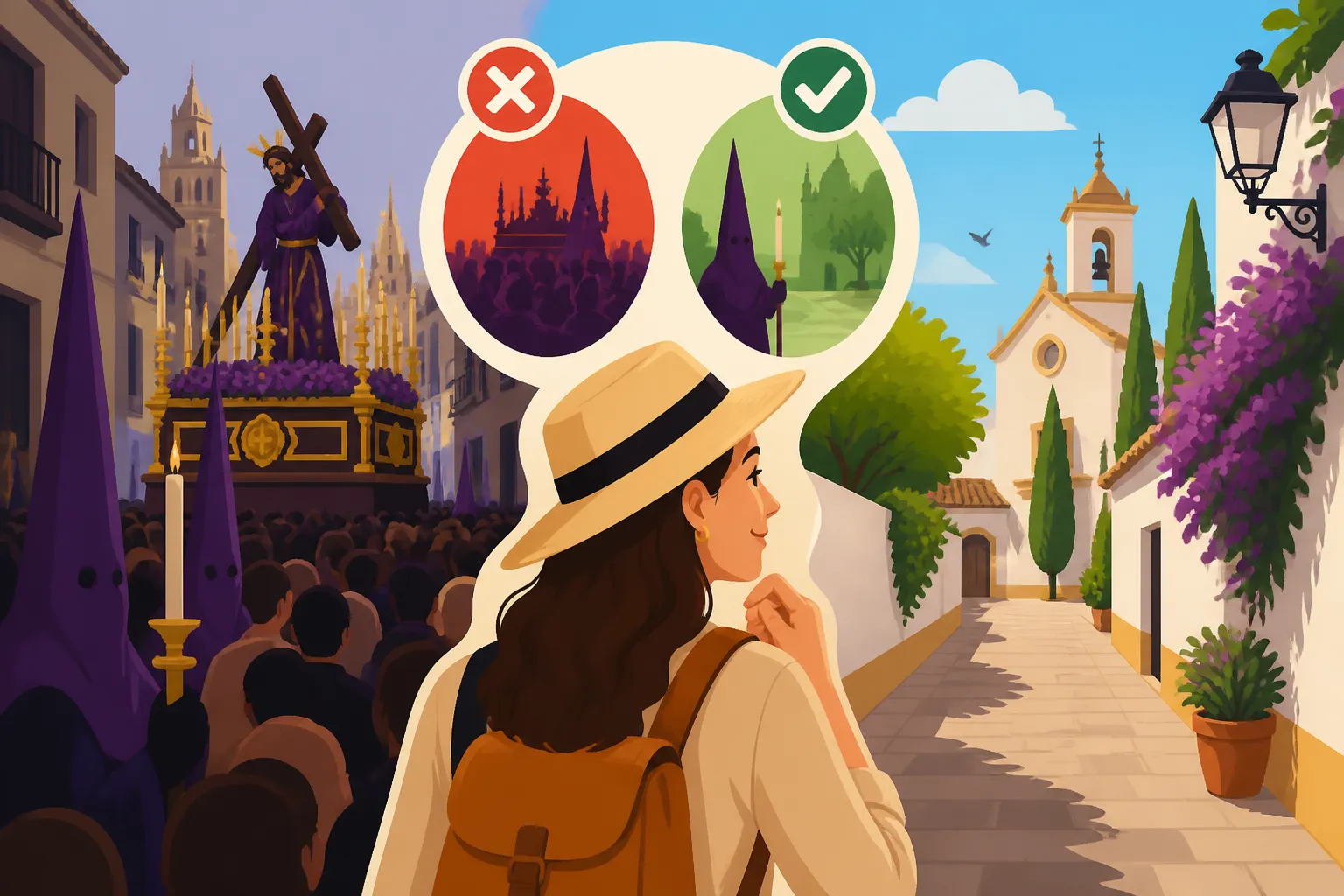
How to Experience Semana Santa Without the Biggest Crowds
Semana Santa in Spain is an experience unlike any other, a truly profound and often overwhelming display of faith, art, and tradition. But let's be honest, for many of us expats and even seasoned visitors, the sheer volume of people, the crush of the crowds, can sometimes detract from the magic. If you're hoping to witness the solemn beauty of Holy Week without feeling like a sardine in a can, you've come to the right place. This guide is all about finding those serene pockets and clever strategies to truly immerse yourself in the spirit of Semana Santa, rather than just battling for a glimpse.
Disclosure: This post may contain affiliate links. We may earn a commission at no extra cost to you if you make a purchase through these links. Read full disclosure.
Understanding Semana Santa: Beyond the Crowds
Before we dive into crowd-avoidance tactics, it's essential to grasp what Semana Santa truly is and why it draws such immense numbers. It’s not just a religious holiday; it’s a deeply ingrained cultural phenomenon, a public expression of faith that dates back centuries.
The Essence of Holy Week in Spain
Semana Santa, or Holy Week, commemorates the Passion of Jesus Christ, from his entry into Jerusalem to his resurrection. It's observed with incredible solemnity, particularly from Palm Sunday (Domingo de Ramos) through Easter Sunday (Domingo de Resurrección). The core of the celebrations revolves around the elaborate processions organized by religious brotherhoods, known as cofradías or hermandades. These brotherhoods carry enormous, intricately decorated floats (pasos) bearing statues of Christ and the Virgin Mary through the streets, often accompanied by brass bands playing mournful music. The participants, nazarenos or penitentes, wear distinctive robes and conical hoods, which can be quite striking and, for newcomers, a little unnerving at first glance.
Each city, and sometimes even each neighborhood within a city, has its own unique traditions, costumes, and musical styles. For example, Seville is renowned for its dramatic, deeply emotional processions, while Zamora is known for its stark, silent ones. These regional differences are part of what makes Semana Santa so rich and varied across Spain. It's a profound cultural tapestry woven with devotion, artistry, and community spirit, making it a compelling spectacle that everyone should try to experience at least once.
Why Crowds Gather and How to Avoid Them
The main reason for the massive crowds is simply the immense popularity and historical significance of Semana Santa. Cities like Seville, Málaga, and Valladolid, with their world-famous processions, become epicenters of pilgrimage and tourism. People start staking out their spots along parade routes hours, sometimes even a full day, in advance. Locals often rent chairs or even balconies along the routes, turning it into a social event as much as a religious one. The sheer scale of the pasos, the haunting music, and the unique atmosphere are powerful draws.
Avoiding these crowds isn't about skipping the experience entirely; it's about being smart and strategic. It means looking beyond the most obvious, most famous locations and times. Often, the largest crowds form around the official routes, especially during the Madrugá (early hours of Good Friday) in Seville or other peak moments when the most revered pasos are out. By understanding these patterns, we can consciously choose different vantage points, different days, or even different locales to find a more peaceful observation point. Remember, the spirit of Semana Santa permeates Spain, not just its most famous squares.
Strategic Timing and Location: Your Best Bets for a Milder Experience
If your goal is contemplation over congestion, then a bit of strategic planning around when and where you experience Semana Santa will pay dividends.
Choosing Smaller Towns and Cities
This is, hands down, the best advice I can give you. While Seville and Málaga are iconic, they are also mobbed. Instead, consider heading to smaller regional capitals or even charming towns that still have deeply rooted traditions but on a more manageable scale.
For instance, places like Granada offer stunning backdrops with the Alhambra in the distance, but generally have a more relaxed feel than Seville. In Castile and León, cities like Ávila, Salamanca, or Zamora provide incredibly atmospheric and poignant processions, often with a starker, more traditional feel, and significantly fewer tourists vying for space. Imagine the solemnity in the ancient streets of Ávila, surrounded by its medieval walls, without being shoulder-to-shoulder with thousands. Even within Andalusia, smaller towns such as Carmona or Osuna offer a glimpse into local traditions that feel more intimate. The floats might not be quite as grand, but the devotion is just as palpable, and you'll find it far easier to get a good view and soak in the atmosphere.
The Advantages of Off-Peak Processions
Even in the bigger cities, not all processions are created equal when it comes to crowds. The most famous cofradías with their historically significant pasos will always draw the biggest throngs. However, many cities have numerous brotherhoods, and some of their processions take place at less popular times or through less central routes.
For example, look for processions on Monday, Tuesday, or Wednesday of Holy Week. While still busy, they are generally less intense than Maundy Thursday or Good Friday. Sometimes, even earlier in the day on Thursday or Friday, you can catch processions before the absolute peak of the crowds descend in the late afternoon and evening. Check local schedules carefully; many ayuntamientos (city councils) or tourism boards publish detailed itineraries online, often downloadable as PDFs. Use these to identify brotherhoods whose routes might steer clear of the absolute main arteries, or whose departure times might be a bit unconventional. These often offer a more authentic, local experience, allowing you to appreciate the intricate details of the pasos and the devotion of the nazarenos without constant jostling. You might find a quiet corner on a side street, or witness the difficult "lifting" of a paso out of its church, a truly moving moment often missed by those stuck on the main thoroughfares.
Leveraging the "Shoulder Days"
Semana Santa technically begins on Palm Sunday and culminates on Easter Sunday, but the most intense days for processions are typically Maundy Thursday and Good Friday. If you arrive a few days before Palm Sunday or stay a day or two after Good Friday, you can often experience elements of the Holy Week atmosphere without the full impact of the crowds.
For instance, the preparations for Semana Santa are fascinating. You can often see the pasos being set up in their churches, the nazarenos practicing their marches, or hear bands rehearsing in the days leading up to Palm Sunday. Many churches will have special services and displays that are open to the public during these "shoulder" days. Similarly, on Easter Saturday (Sábado Santo), while some processions do occur, it's generally a much quieter day compared to the preceding two. Easter Sunday itself is a joyful celebration of the Resurrection, often with lighter, more celebratory processions (if any) and family gatherings. This is a fantastic day to enjoy the local food, visit a market, or simply explore the city as it slowly returns to its normal rhythm. By focusing on these less chaotic days, you can still absorb the essence of the tradition and enjoy the unique ambiance without the stress of extreme crowding.
Navigating the Experience: Practical Tips for a Calmer Semana Santa
Once you've decided on your location and timing, it's all about how you navigate the streets and make the most of your chosen experience.
Finding Observation Spots Away from the Main Routes
Even in popular cities, there are usually quieter areas to observe the processions. The official, designated routes often have barriers and reserved seating (which locals often pay for months in advance). Instead of fighting for a spot on the main avenue, scout out side streets, plazas just off the main drag, or even less prominent sections of the procession route.
Look for areas where the procession might be turning a corner – these can be challenging for the costaleros (the men who carry the pasos), offering a dramatic spectacle. Or find a spot near a church where a cofradía is either setting out or returning. The moments when a paso emerges from or enters a church are often incredibly moving and provide a real sense of connection with the local community. Don't be afraid to wander a few blocks off the main route; you might stumble upon a small square where a procession pauses, or where a local group is gathered to watch. These spontaneous moments can be far more memorable than a fleeting glimpse from a packed sidewalk. Consider using an app like Google Maps to identify smaller streets adjacent to the main route and plan your movements.
Using Technology and Local Resources
In the digital age, avoiding crowds is much easier than it used to be. Most major cities with significant Semana Santa celebrations will have official websites or dedicated apps (often from the local tourism board or a religious council) that publish detailed schedules, maps of procession routes, and sometimes even real-time updates on crowd levels or delays.
Sites like Omio or Booking.com can be invaluable for securing travel and accommodation well in advance, especially if you're targeting a smaller town. I'd highly recommend booking flights and trains months ahead if you plan to travel within Spain during this period, as popular routes fill up quickly. For local events, apps like GetYourGuide might even offer guided tours specifically designed to show you lesser-known aspects or quieter viewpoints, which can be a real boon for first-timers. Look up the specific cofradías in the town you're visiting; many have their own social media accounts where they share details about their routes and timings. Don't underestimate the power of simply asking a local once you arrive. A friendly panadero (baker) or a cafe owner might point you to a little-known spot that offers a perfect, peaceful view.
Here's a quick table for planning:
| Resource Type | What it helps with | Key during Semana Santa |
|---|---|---|
| Official Websites | Detailed schedules, route maps, historical info | Essential for planning, understanding specific brotherhoods |
| Travel Platforms | Booking flights, trains, buses, accommodation | Secure travel/lodging early; avoid inflated last-minute prices |
| Local Apps | Real-time updates, smaller procession info, crowd alerts | Dynamic navigation, finding quieter spots |
| Social Media | Cofradía updates, local tips, alternative views | Insider info on timings and hidden gems |
| Local Expertise | Recommendations for less crowded spots, best local food | Unlocking authentic, off-the-beaten-path experiences |
Embracing Local Traditions Beyond the Parade
Semana Santa is so much more than just the processions. It's a week filled with unique culinary traditions, special church services, and a palpable shift in the atmosphere of the towns.
Many bakeries prepare special sweets and pastries, like torrijas (a type of Spanish French toast) or pestiños. Seek these out in local bakeries and cafes. The smell of incense often wafts through the streets, even when a procession isn't passing. Take time to visit the churches and cathedrals; many will have their pasos on display before or after their processions, allowing for a closer, more contemplative view of the incredible artistry involved. You can often see the devotion of people coming to pray or quietly reflect. Some cities also hold special concerts of sacred music. These events offer a different, often more profound way to connect with the spiritual and cultural depth of the week, away from the intense clamor of the main parades. Exploring these other facets allows for a richer, more rounded experience of Holy Week in Spain. If you're looking for an alternative, consider attending a special Mass or religious service in Spain.
Accommodation and Travel Planning for Peace of Mind
Booking your accommodation well in advance is crucial, especially in smaller towns where options are limited. Even in larger cities, prices can skyrocket, and the best-located places (which might offer a prime balcony view, for example) are snapped up months ahead. If you're aiming to avoid crowds, consider staying a little further out from the absolute city center. This might mean a short walk or a quick metro ride, but it offers a quieter retreat and often more affordable prices.
When traveling between cities, especially during the peak days, rely on public transport and book tickets ahead. Renfe, Spain's national train operator, offers excellent high-speed services, but seats sell out. Buses are also a great option, particularly for smaller towns. Websites like Omio are fantastic for comparing train and bus options across Spain, allowing you to choose the most convenient and potentially least crowded routes. Remember, many businesses, especially smaller shops and offices, will close for some or all of Holy Week, particularly on Maundy Thursday and Good Friday. Plan your errands and any administrative tasks accordingly. For details on Spain Travel Logistics like transportation and money, plan carefully. Knowing how to navigate Spanish Holidays and Public Closures is vital.
Alternative Experiences: Beyond the Typical Processions
Semana Santa's magic extends far beyond the main street parades. There are many ways to engage with the spirit of the week without feeling overwhelmed.
Cultural and Gastronomic Aspects
As mentioned earlier, the food during Semana Santa is a significant part of the tradition. Torrijas, often soaked in milk or wine, fried, and drizzled with honey, are a quintessential treat. You'll also find various dulces de Cuaresma (Lenten sweets), often made in convents by nuns. This is a wonderful opportunity to support local businesses and taste authentic Spanish delicacies. Seek out traditional restaurants that offer special Lenten menus, often featuring dishes without meat (in observance of religious fasting).
Beyond food, many cities host cultural events that coincide with Semana Santa, such as art exhibitions focusing on religious themes or classical music concerts. Look for these events in local cultural guides or on the city's official tourism website. For instance, sometimes there are specific routes you can follow to view the different pasos in their churches before they go out in procession, allowing you to appreciate the intricate details and historical significance in a calm setting. Discovering Spanish Food and Drink during this period is a treat.
Exploring Religious Sites
Holy Week is, at its heart, a religious observance. Take the opportunity to visit Spain's stunning cathedrals, churches, and monasteries. During Semana Santa, many of these sites have special altars or displays, often adorned with flowers and candles, that reflect the solemnity of the week. You can attend special masses or prayer services, which can be a deeply moving experience regardless of your personal beliefs.
Consider places like the Cathedral of Santiago de Compostela, known for its spiritual significance, or the smaller, ancient churches nestled in the backstreets of cities like Córdoba or Toledo. These places offer quiet contemplation and a chance to truly understand the historical and spiritual roots of Semana Santa. Many cities also have religious museums (Museos de Semana Santa) that showcase the history of the brotherhoods, the artistry of the pasos, and the traditional vestments. These museums provide context and a closer look at the intricate details that might be missed in the fleeting moments of a street procession. For general information, understanding Spain's UNESCO World Heritage Sites can offer inspiration.
In conclusion, experiencing Semana Santa in Spain doesn't have to mean enduring massive crowds. With a bit of foresight, a willingness to explore beyond the most famous hotspots, and an appreciation for the quieter, more intimate traditions, you can have a truly memorable and meaningful Holy Week experience. By choosing smaller towns, attending off-peak processions, embracing local customs, and using technology for smart planning, you can find your own serene corner in this magnificent Spanish tradition.
Disclaimer
The information provided in this guide is for general informational purposes only and is subject to change. While we strive to provide accurate and up-to-date information, event schedules, crowd levels, and local regulations during Semana Santa can vary significantly. Always consult official local tourism websites, government advisories, and direct sources for the most current details when planning your trip. We are not responsible for any inconveniences or damages incurred from relying on this information.